


Wonderful things happen when we read children's stories – kids get a far better understanding of people and other worldviews. The best part of having animals in stories for children is that animal fiction goes to places that other stories can't. In this changing, confusing world, animal stories give a sense of stability and changelessness. Moreover, these stories for kids have underlying principles about love, truth, righteousness, mutual respect, etc.
Beyond entertainment, animal stories also play an important role in developing storytelling skills and creativity in children. When kids read and narrate stories, they learn how to organize ideas, describe characters, and express emotions clearly. This helps them build confidence while sharing stories with friends, family, or classmates.
Enjoy this collection of uplifting, inspiring, heartwarming, and humorous short animal stories here.
Table of Content
- The Hare and the Tortoise
- A Wolf in Sheep's Clothing
- The Fisherman and the LittleFish
- The Ugly Duckling
- The Fox and the Grapes
- The Crow and the Pitcher
- The Lion and the Boar
- The Ant and the Grasshopper
- Who Will Bell the Cat?
- An Ass in Lion's Skin
- The Fox Without a Tail
- The Two Goats
- The Clever Crab and the Greedy Fox
- The Kind Elephant and the Stranded Parrot
- The Tortoise and the Lost Kitten
- The Brave Puppy and the Fire
- The Monkey and the Mango Tree
- The Wise Owl and the Foolish Squirrel
- The Dancing Peacock and the Angry Snake
- The Duckling Who Shared Her Bread
How Animal Stories Help Children Develop Storytelling Skills
Animal stories are a wonderful way to introduce children to the art of storytelling. When kids read and listen to stories about animals, they naturally learn how stories are structured with characters, conflicts, and meaningful endings.
By practicing storytelling, children learn to:
-
organize their thoughts clearly
-
narrate events in the right sequence
-
use expressive language while speaking
-
build confidence while sharing stories with others
Storytelling through animal stories helps children improve communication skills and become confident speakers.
1. The Hare and the Tortoise
An overconfident hare accepts the challenge of a tortoise to a race. As soon as the race begins, the hare runs as fast as he can. Soon after, he gets tired and decides to rest under a tree, sure that the tortoise won't be able to catch up with him. However, the tortoise continues to walk slowly, determined to reach the finish line. When the hare wakes up, he is shocked to find out that the slow tortoise has won the race.

-
Value to learn:
Slow and steady wins the race.
2. A Wolf in Sheep's Clothing
This is a timeless tale of a wolf having a tough time hunting a sheep for food. He uses sheepskin to disguise himself and fools the sheep to think of him as their own. The fox then leads the sheep to a corner and eats them all, one by one.
-
Value to learn:
Appearances can be deceptive.
3. The Fisherman and the LittleFish
This animal tale for kids is about a fisherman whose livelihood depends on his daily catch. One day he catches a small fish. The fish pleads to the fishermen to let him go as he, being a small fish, is not profitable. The fish tells the fishermen that he can catch him later when he is big so that he can fetch a bigger profit. The wise fisherman doesn't let the fish go and tells the fish that he will not give up a definite profit for the one that doesn't exist.
-
Value to learn:
Don't forgo a certain profit for an uncertain one.
4. The Ugly Duckling
A farmer's duck lays ten eggs. When the eggs hatch, nine ducklings are born looking like their mom, and the tenth one looks big, grey and ugly. The other nine ducklings make fun of the ugly one. Unhappy, the ugly duckling runs to a nearby river where he sees beautiful, white swans. Scared and lost, he decides to drown himself. But when he sees his reflection in the water, he realises he was not an ugly duckling at all but a beautiful swan.
-
Value to learn:
You don't need to meet the ideals of beauty. You are beautiful just the way you are.
5. The Fox and the Grapes
It's a hot summer day, and a thirsty fox sees a bunch of ripened grapes as he is passing through an orchard. To quench his thirst, he decides to eat the grapes. He moves back a few paces, runs as fast as he can, and jumps to reach the grapes. But he fails to get hold of the grapes. He makes several attempts to reach the bunch of grapes but fails every time. He finally gives up, consoling himself that the grapes are sour and hence not worth the effort.
-
Value to learn:
Do your best to succeed. If you fail, accept defeat graciously, and don't try to lay the blame on others for your failures.
Fun Storytelling Activities Using Animal Stories
Parents can turn these animal stories into an exciting storytelling practice for kids.
1. Retell the Story
Ask your child to read a story and narrate it in their own words. This improves memory, creativity, and speaking fluency.
2. Change the Ending
Encourage children to imagine a different ending to the story and narrate it.
3. Act Like the Characters
Children can imitate characters such as the clever crow, brave puppy, or wise owl while telling the story.
These activities help children develop imagination and storytelling confidence.
6. The Crow and the Pitcher
A thirsty crow finds a pitcher with little water in it. The water is so little that his beak doesn't reach it. Using his wit, he starts putting stones in the pitcher until the water comes up. The clever crow uses ingenuity and resourcefulness to solve his problem and fly away.
-
Value to learn:
Don't give up easily. Use whatever resources you have to solve your problems.
7. The Lion and the Boar
On a hot summer day, a lion and a boar go to the river to drink water. They start arguing and fighting about who should drink first. When they become tired and breathless, they notice vultures hovering over them, waiting to feast on whoever is defeated. The lion and the boar then decides to patch up and drink the water together.
-
Value to learn:
There are people waiting to take advantage of your defeat.
8. The Ant and the Grasshopper
A grasshopper sings and dances, enjoying a beautiful day. He sees the ant carrying a heavy corn kernel to its nest. The grasshopper asks the ant to join him for fun. The ant rejects the offer saying that she is busy preparing for the winter when the food is scarce. The grasshopper brushes away the thought, saying that when the present is so beautiful, why bother thinking about the future. But when the winter comes, the grasshopper has no food to survive, but the ant enjoys the corn in the warmth of her nest.
-
Value to learn:
It's best to be proactive and prepare for what's coming.
9. Who Will Bell the Cat?
A horde of mice gathers to discuss their common enemy – the cat. A lot of ideas come up, but none are good enough to beat the cat. A young mouse comes up with the suggestion of tying a bell around the cat's neck. To that, a wise mouse asked, "A brilliant suggestion! But who will bell the cat?"
-
Value to learn:
Some suggestions are easy to propose but difficult to implement.
10. An Ass in Lion's Skin
This classic animal story for kids is about an ass who finds a lion's skin that the hunters had left to dry. He wears the skin and roams around, scaring animals and people on his way. He takes pride in himself and brays loudly in delight. His braying gives his identity up, and everyone gives him a good beating for frightening them.
-
Value to learn:
A fool may disguise his appearance, but his words can reveal his true self.
Benefits of Storytelling for Children
Storytelling offers many benefits for a child’s overall development.
-
improves imagination and creativity
-
strengthens listening and comprehension skills
-
enhances vocabulary and language development
-
builds confidence while speaking
-
teaches moral values through engaging narratives
Animal stories are especially effective because children naturally connect with animal characters and their adventures.
11. The Fox Without a Tail
This animal story is about a fox whose tail gets caught in a hunter's trap. He panics and tries to free his tail by pulling it as hard as he can. In the attempt, he loses his tail. Afraid that he'll be laughed at, he comes up with a plan. He calls for a meeting to tell the other foxes that tails are useless and they should get rid of them. The chief fox responds, "You wouldn't have asked us to get rid of our tails if you hadn't lost yours."
-
Value to learn:
Do not listen to people who seek to lower you to their level.
12. The Two Goats
Two goats are at either end of a weak and narrow bridge. They want to cross it, but neither is ready to make way for the other. They both walk to the centre of the bridge and start fighting about who should cross the bridge first. As they fight, the bridge breaks, and both the goats fall into the river.
-
Value to learn:
It's better to yield than let stubbornness be the cause of your misfortune.
13. The Clever Crab and the Greedy Fox
In a quiet forest, a fox often tricked small animals for food. One day, he tried to trick a crab near a river. The crab acted scared and invited the fox closer. As the fox leaned in, the crab pinched his nose and escaped into the water, never to be bothered again.
-
Value to learn:
Smart thinking helps you overcome bullies.
14. The Kind Elephant and the Stranded Parrot
A parrot's nest fell during a storm. An elephant offered its back as a temporary shelter until the tree was fixed. The parrot thanked the elephant and flew happily when the tree was rebuilt.
-
Value to learn:
Kindness makes us strong and loved
15. The Tortoise and the Lost Kitten
A kitten got lost in the jungle and cried for help. A slow-moving tortoise heard her and gently guided her home, even though it took the whole day.
-
Value to learn:
Patience and care can solve the biggest problems.
16. The Brave Puppy and the Fire
When a small fire broke out in a barn, a puppy barked loudly to wake everyone up. Thanks to his noise, the farmer saved all the animals in time.
-
Value to learn:
Even small voices can make a big difference.
17. The Monkey and the Mango Tree
A monkey shared his ripe mangoes with a thirsty bird during summer. Later, the bird saved the monkey from a hunter by warning him in time.
-
Value to learn:
Good deeds always come back to you.
18. The Wise Owl and the Foolish Squirrel
A squirrel teased an old owl for being too quiet. But when a storm hit, the owl’s deep tree hollow saved both of them from danger.
-
Value to learn:
Don’t judge others before knowing their worth.
19.The Dancing Peacock and the Angry Snake
A peacock danced every day in a meadow. One day, a snake warned him to stop. The peacock kept dancing but moved to a safer spot. The snake never came again.
-
Value to learn:
Joy and caution can live together.
20. The Duckling Who Shared Her Bread
A duckling saw a hungry squirrel and gave half her bread. The next winter, the squirrel shared his stored nuts with her when food was low.
-
Value to learn:
Sharing makes friendships stronger.
Animal stories for kids help children build a strong moral character, teach them important life lessons, and instill virtues in them. This collection of animal stories for children enhances your child's verbal proficiency, encourages creativity and imparts good values to take life head-on.
Help Your Child Become a Confident Storyteller with PlanetSpark
Storytelling is a powerful skill that helps children express ideas clearly, think creatively, and communicate with confidence. When kids practice narrating stories, they learn how to organize their thoughts, use expressive language, and engage their audience.
At PlanetSpark, children get the opportunity to develop these skills through structured storytelling and communication programs designed specifically for young learners. Through interactive activities and guided practice, students learn how to turn simple ideas into engaging stories.
What Children Learn in PlanetSpark Storytelling Classes
-
Story Structure – Understanding how to build a story with a clear beginning, middle, and ending
-
Creative Expression – Learning to add imagination and emotions while narrating stories
-
Voice Modulation – Using tone, pauses, and expression to make stories engaging
-
Confidence in Speaking – Practicing storytelling in front of mentors and peers
-
Creative Thinking – Developing the ability to create unique stories and ideas
With expert mentors and interactive sessions, PlanetSpark helps children transform their creativity into confident storytelling and strong communication skills.
Give your child the opportunity to become a confident storyteller.
Book a FREE trial storytelling class with PlanetSpark today!
Conclusion
Animal stories are more than just entertaining tales. They help children learn important life lessons while improving imagination, creativity, and storytelling skills.
When kids read and narrate stories regularly, they become better communicators and develop the confidence to share their ideas with others. Encouraging storytelling at an early age can help children grow into expressive and confident speakers.
Reader Can Also Explore
If your child enjoys storytelling and creative expression, these resources may also help:
-
Top 9 Fairy Tale Stories for Kids in English
-
10 Fantasy Stories for Kids Aged 3-5 : Magical Bedtime Fun
-
English Story for Kids: 15 Short Stories & Writing Prompts
Help your child celebrate growth immensely with PlanetSpark.
BOOK YOUR FREE TRIAL
Storytelling Curriculum
Success Stories: How Students Became Confident Storytellers
Parents of Oviya Singh
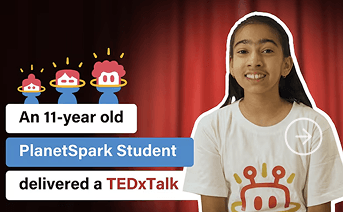
Oviya Singh, a PlanetSpark student, spoke about ‘Soil Conservation’ in her TEDxTalk by addressing the status quo and questioning, ‘Is the world running out of food?’
Mohd Rafiq
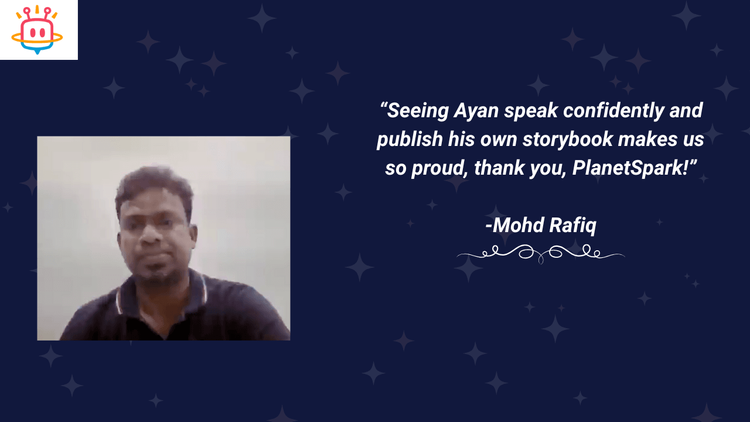
Thanks to PlanetSpark and his teacher’s guidance, Ayan now speaks confidently, participates actively, and has published his first storybook.
Mr. & Mrs. Bipin Patel
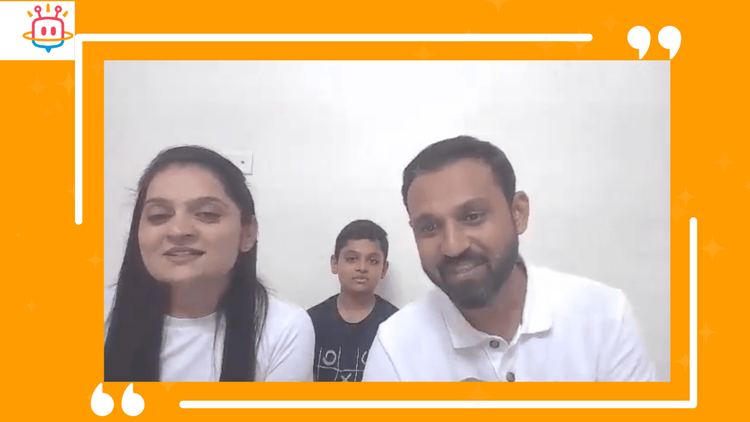
PlanetSpark helped my son Ahan find his voice and confidence. From stage speaking to being published in Pearls of Poetry, his growth has been remarkable.

Mrs. Sushila Thapa
PlanetSpark’s Public Speaking program has boosted Sristi’s confidence and clarity, her school performance speaks for itself.

Rajiv Sharma
My daughter has transformed from a shy kid to a confident speaker in just 6 months. The personalized attention and structured curriculum made all the difference.
Parents of Oviya Singh
Oviya Singh, a PlanetSpark student, spoke about ‘Soil Conservation’ in her TEDxTalk by addressing the status quo and questioning, ‘Is the world running out of food?’
Mohd Rafiq
Thanks to PlanetSpark and his teacher’s guidance, Ayan now speaks confidently, participates actively, and has published his first storybook.
Mr. & Mrs. Bipin Patel
PlanetSpark helped my son Ahan find his voice and confidence. From stage speaking to being published in Pearls of Poetry, his growth has been remarkable.
Mrs. Sushila Thapa
PlanetSpark’s Public Speaking program has boosted Sristi’s confidence and clarity, her school performance speaks for itself.
Rajiv Sharma
My daughter has transformed from a shy kid to a confident speaker in just 6 months. The personalized attention and structured curriculum made all the difference.
Practice with Our Worksheets
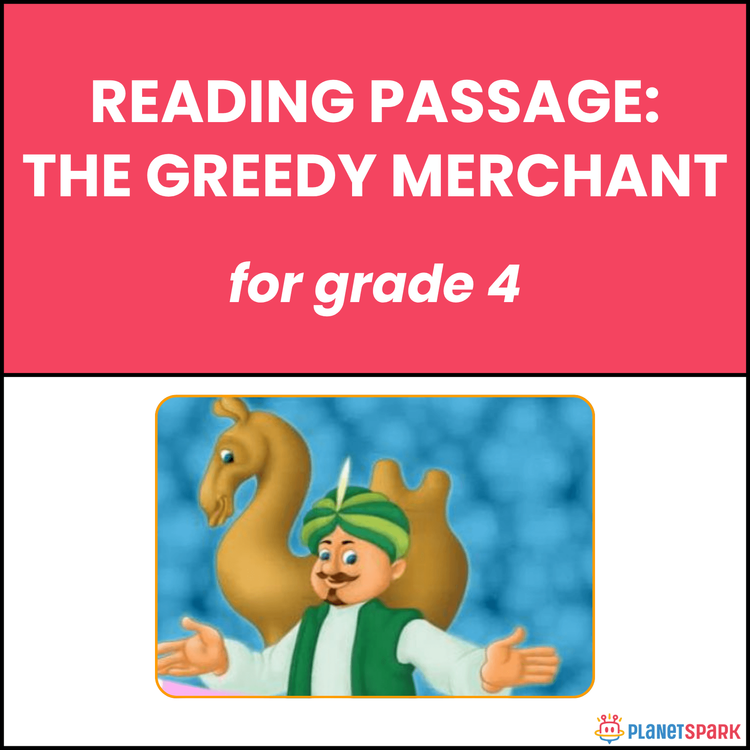
Class 4 Reading Passage on The Greedy Merchant
Explore what happens to a greedy merchant in this meaningful story-based worksheet.
Class 6 Grammar Worksheet on Informal Letter Writing
Develop informal letter writing with helpful steps.
Class 2 Grammar Worksheet on Size & Shape Adjectives
Explore size and shape adjectives to describe objects in simple sentences.
Class 3 Reading Passage on Transport in Our Lives
Explore how transport helps people, goods, and ideas move across the world.
KG English Worksheet on Colours and Shapes
Fun activities to help KG kids learn colours and shapes with simple examples.
Class 4 Grammar Worksheet on Adding details
Learn to expand ideas by adding descriptive words and clear information.
Class 2 English Worksheet: Punctuations "."and"?"
Explore naming words with fun activities that build strong noun skills early on.
Class 4 Reading Passage on The Greedy Merchant
Explore what happens to a greedy merchant in this meaningful story-based worksheet.
Class 6 Grammar Worksheet on Informal Letter Writing
Develop informal letter writing with helpful steps.
Class 2 Grammar Worksheet on Size & Shape Adjectives
Explore size and shape adjectives to describe objects in simple sentences.
Class 3 Reading Passage on Transport in Our Lives
Explore how transport helps people, goods, and ideas move across the world.
KG English Worksheet on Colours and Shapes
Fun activities to help KG kids learn colours and shapes with simple examples.
Class 4 Grammar Worksheet on Adding details
Learn to expand ideas by adding descriptive words and clear information.
Class 2 English Worksheet: Punctuations "."and"?"
Explore naming words with fun activities that build strong noun skills early on.
What Parents Say About PlanetSpark Storytelling Classes
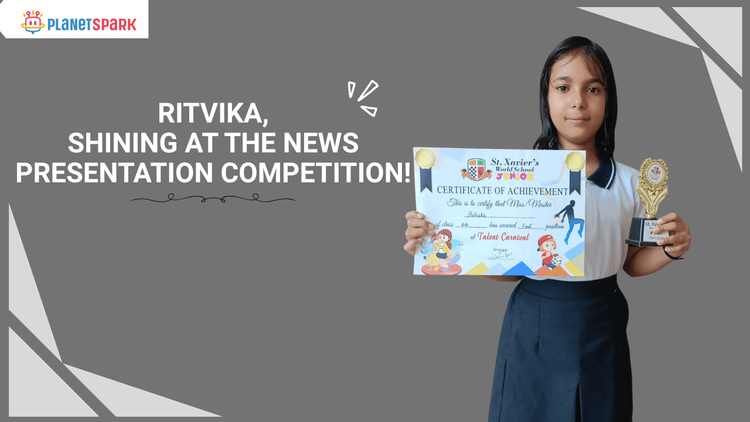
Ritvika (News Presentation Competition)
Ritvika has achieved a milestone in News Presentation! From the PlanetSpark classroom to the spotlight at the News Presentation Competition.
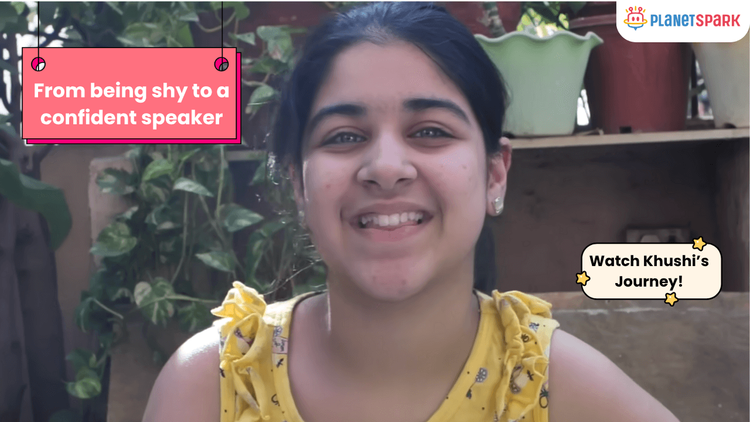
Khushi Bhatia, 10 Years
Khushi transformed from being a shy to a confident speaker with PlanetSpark!
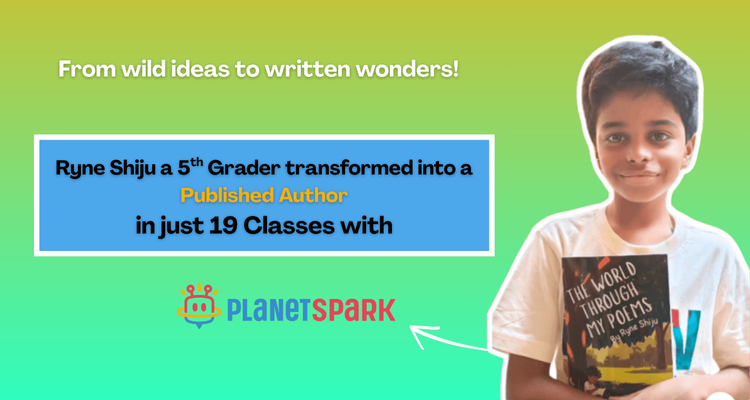
Ryne Shiju (Published Author)
Ryne Shiju, a bright PlanetSpark star, has turned imagination into inspiration becoming a published author whose words now empower and inspire.
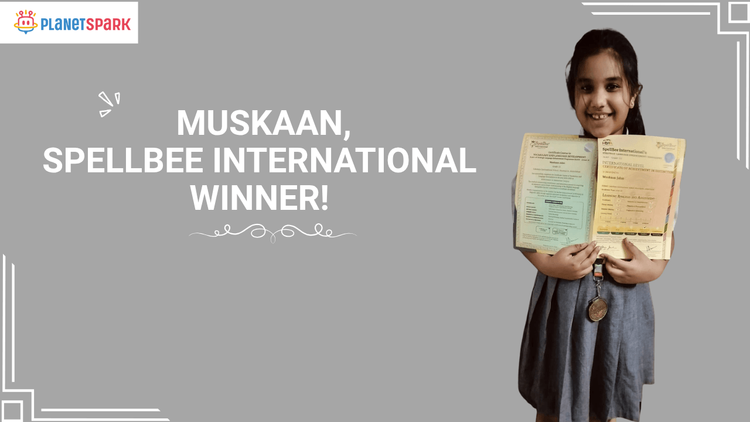
Muskaan (SpellBee International Participant)
We are beyond proud of Muskaan from PlanetSpark, who showcased her spelling brilliance at the SpellBee International Programme.
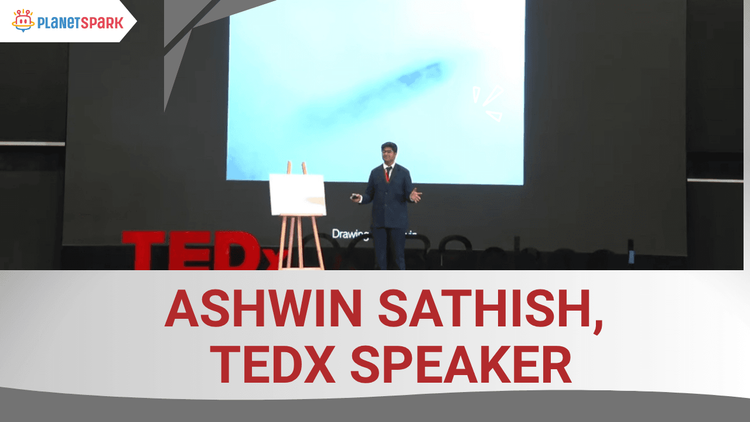
Ashwin Sathish (TEDx Speaker)
Ashwin Sathish, Grade 8 from New Delhi, stood tall as a TEDx Speaker, sparking conversations that truly matter. From classroom confidence to commanding a global stage, his journey reflects the power of voice, vision, and courage.
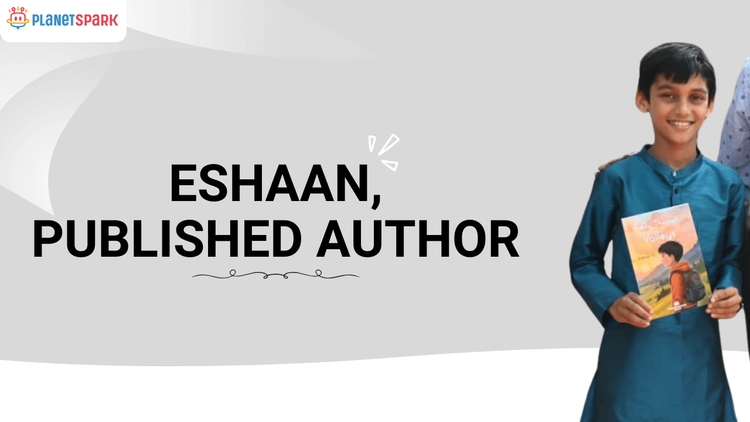
Eshaan (Published Author)
Eshaan has officially became a published author, turning classroom activity into a captivating storybook.
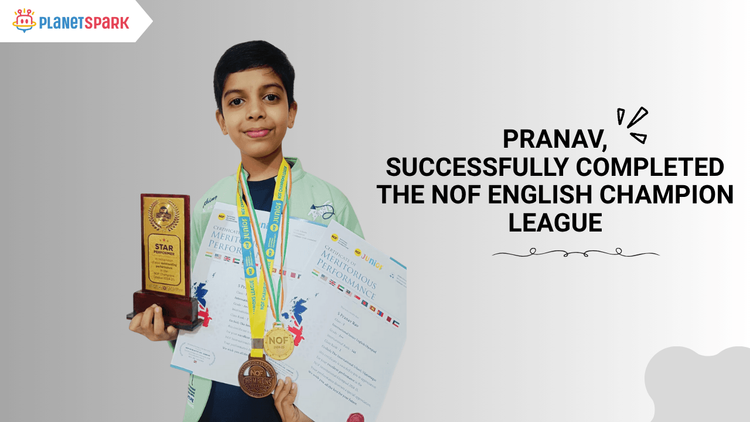
Pranav (NOF English Champion League)
Pranav, a Grade 3 star, has successfully completed the NOF English Champion League, showcasing his brilliance in Public Speaking and Creative Writing.
Ovia Singh (TEDx Speaker)
Oviya Singh from PlanetSpark challenged the status quo in her TEDx Talk, asking, ‘Is the world running out of food?’ as she highlighted the importance of soil conservation.
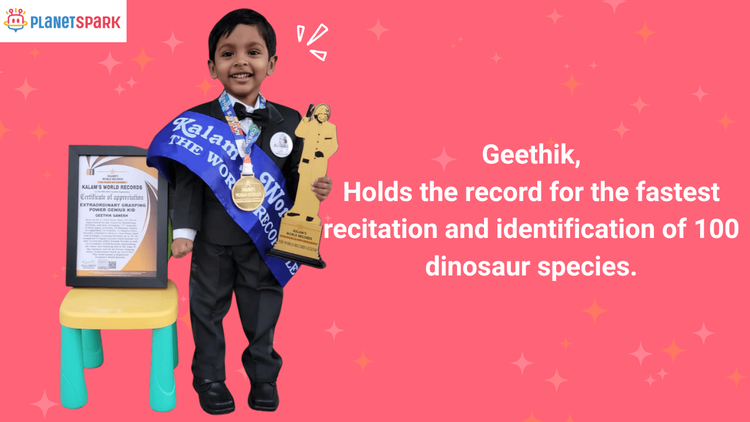
Geethik (Fastest Recitation)
Geethik’s PlanetSpark-sharpened speaking skills helped him set a 100-dinosaur recitation record.
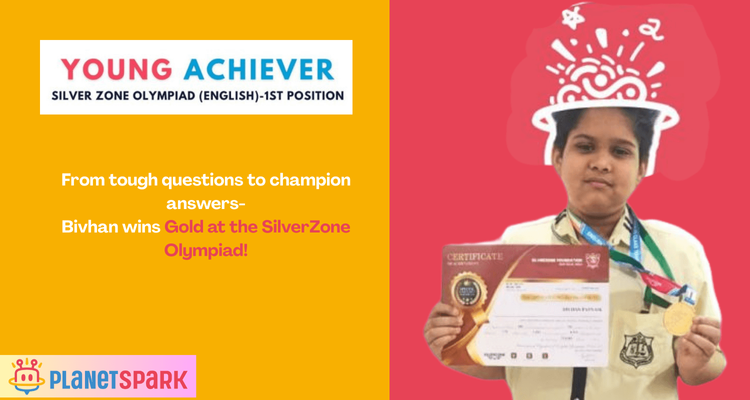
Bivhan Patnaik (SilverZone Olympiad)
Bivhan, in just Grade 4, wins Gold at the SilverZone Olympiad, a true symbol of brilliance, focus, and PlanetSpark-guided success.
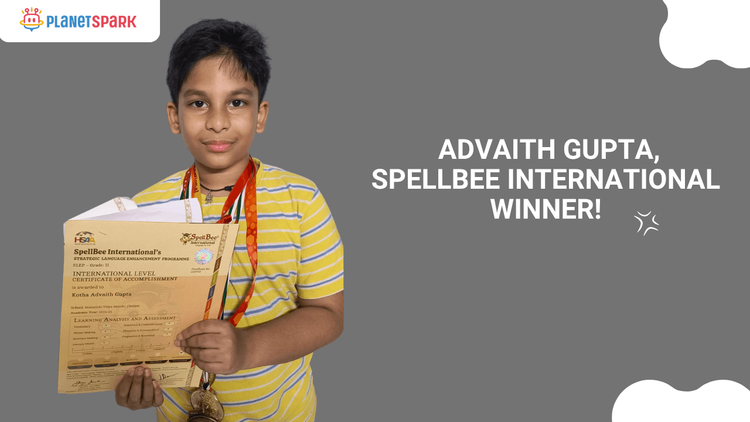
Advaith Gupta (SpellBee International)
Advaith Gupta – Spelling His Way to Global Recognition! From mastering vocabulary to shining at SpellBee International, Advaith creates remarkable achievements.
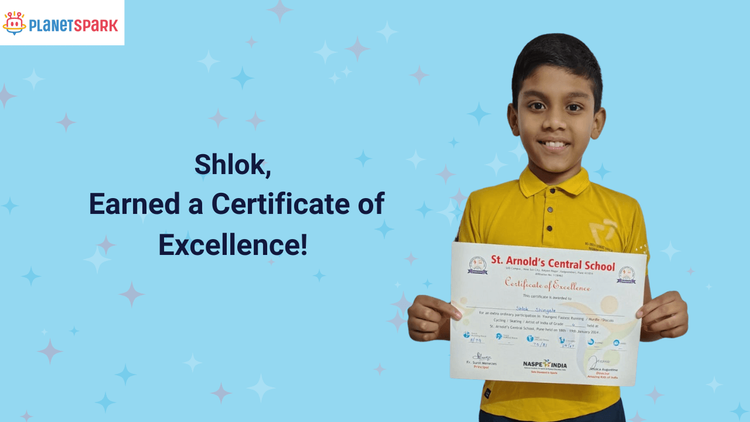
Shlok (certificate of excellence)
Earned a Certificate of Excellence, showcasing his growing confidence and skills nurtured at PlanetSpark.
Ovia Singh, 11 Years
Oviya Singh from PlanetSpark challenged the status quo in her TEDx Talk, asking, ‘Is the world running out of food?’ as she highlighted the importance of soil conservation.
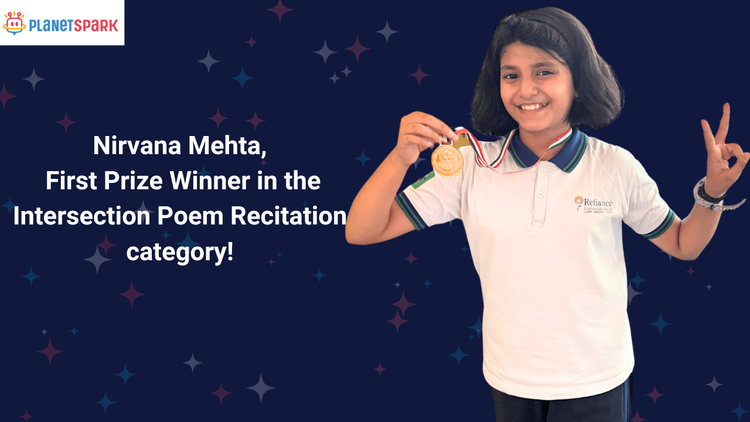
Nirvana Mehta (Wom Poem Recitation)
First Prize Winner in the Intersection Poem Recitation category
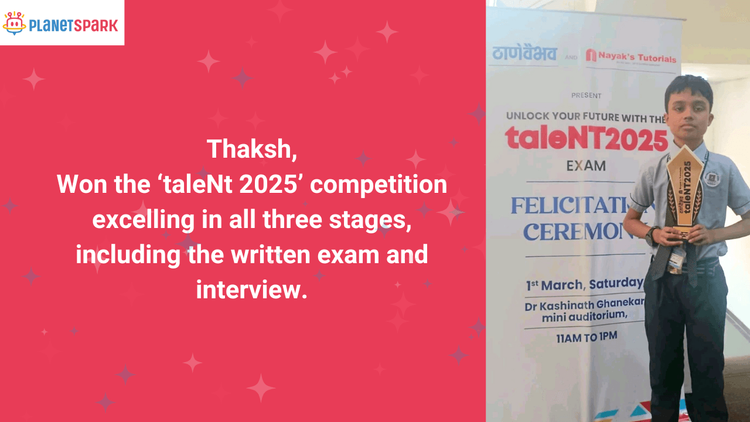
Thaksh (Won the ‘taleNt 2025’ competition)
Thaksh, won the ‘taleNt 2025’ competition in Thane after excelling in all three stages, including the written exam and interview.
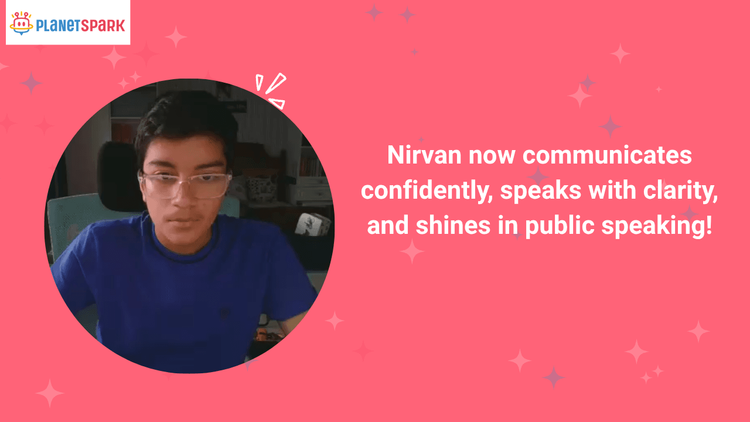
Nirvaan, Grade 9
Nirvan now communicates confidently, speaks with clarity, and shines in public speaking!
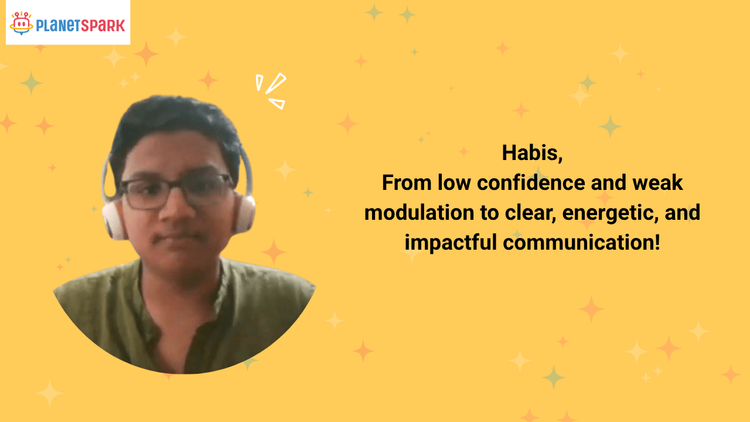
Habis, Grade 9
Meet Habis — once a shy speaker, now delivering every message with clarity, confidence, and strong stage presence.
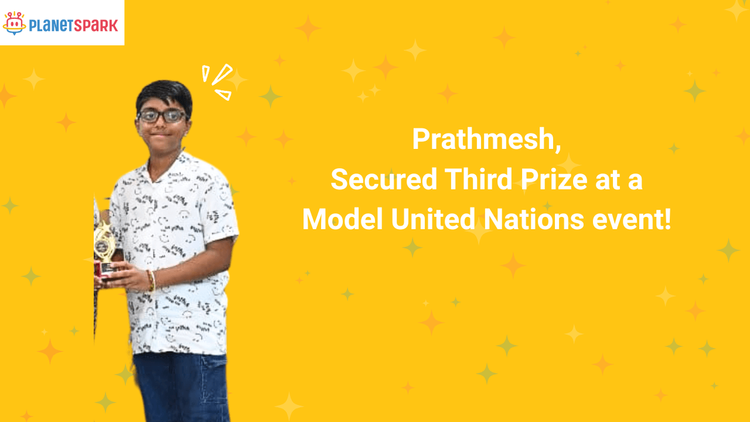
Prathmesh (Got 3rd Prize in MUN)
Secured Third Prize at a Model United Nations event, reflecting his strong communication and critical thinking skills built at PlanetSpark.
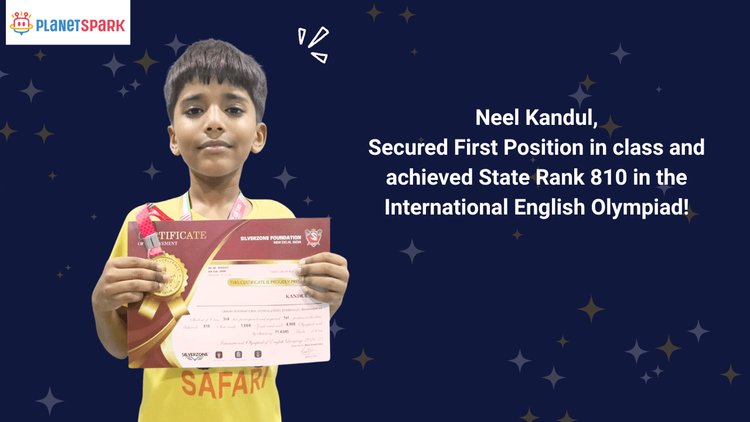
Neel Kandul, First Position in class and State Rank 810 in the International Olympiad of English Language.
First Position in class and State Rank 810 in the International Olympiad of English Language.
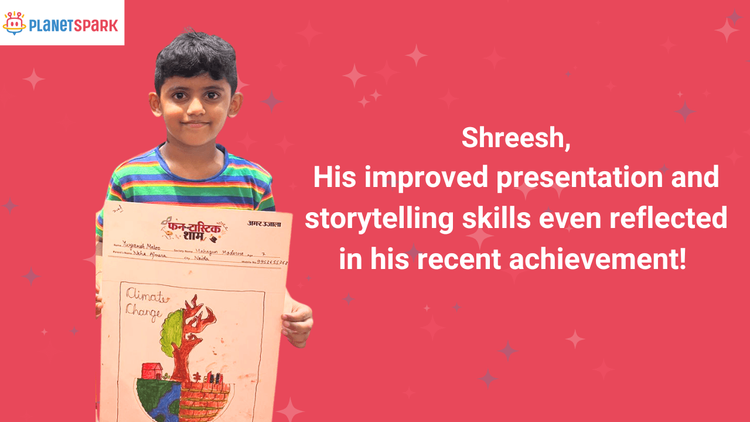
Shreesh
His improved presentation and storytelling skills even reflected in his recent achievement — winning second place in the Junior Category of a drawing competition on ‘Climate Change’ organized by the Amar Ujala team.
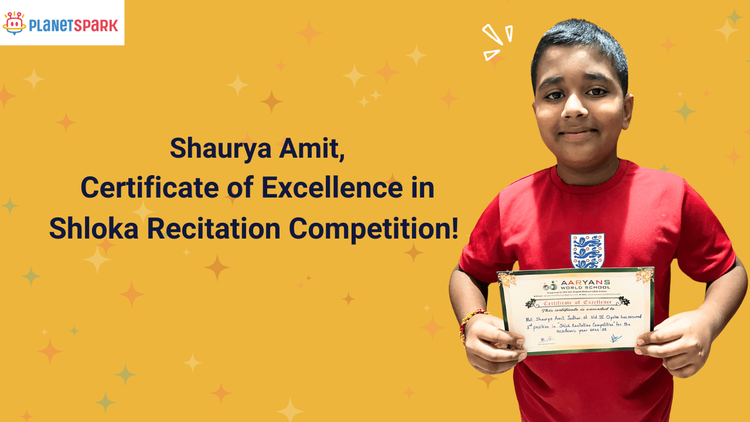
Shaurya Amit (Certificate of Excellence)
Certificate of Excellence in Shloka Recitation Competition
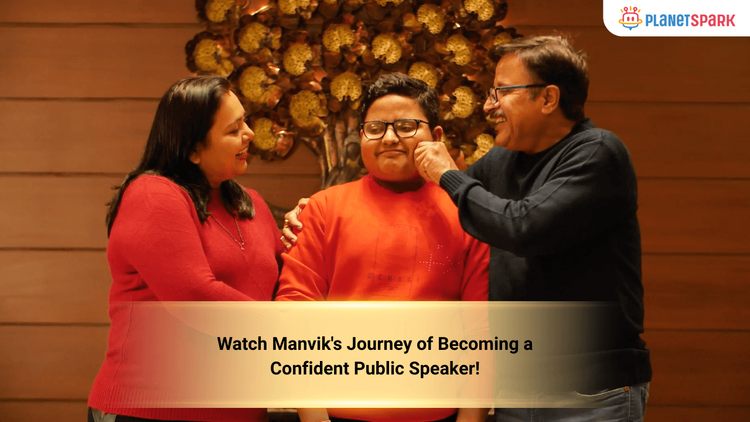
Manvik, 10 Years
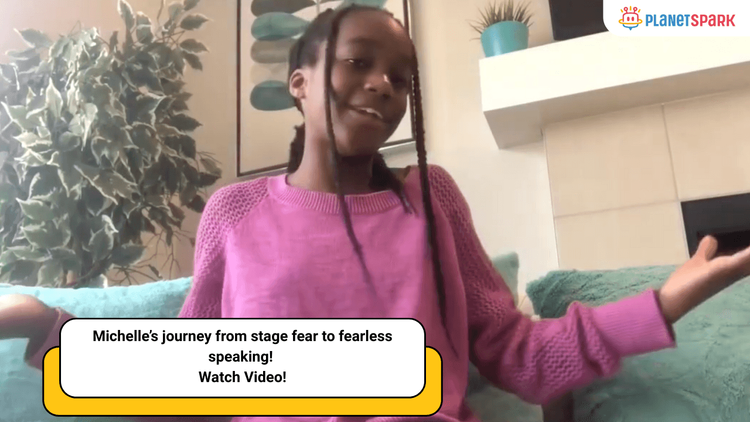
Manvik Kumar, a student at PlanetSpark shares his story of becoming a confident Public Speaker.
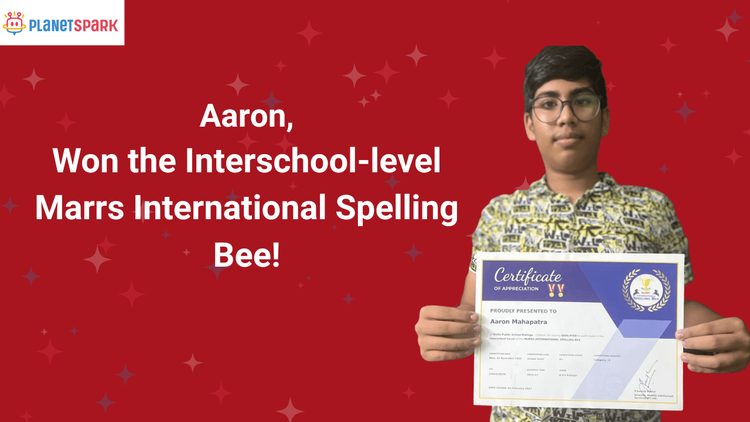
Aaron, International Spelling Bee Winner
Won at the Interschool-level Marrs International Spelling Bee, showcasing strong language skills and consistent PlanetSpark-driven growth.
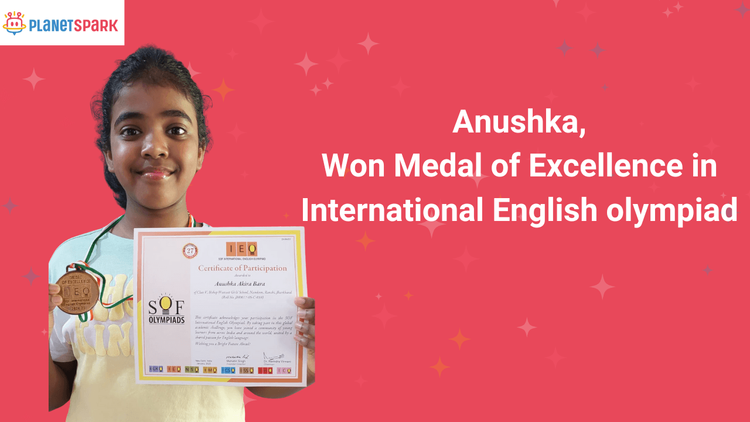
Anushka, Won Medal of Excellence in International English olympiad
Anushka won medal of excellence in International English olympiad. She scored sixth position in her school in olympiad.
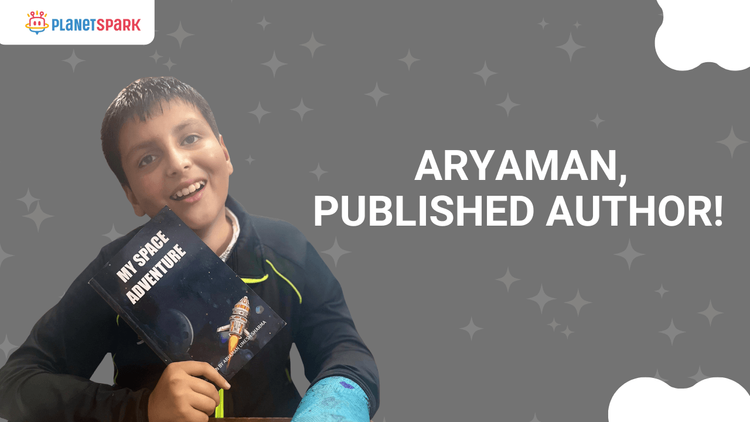
Aryaman, Published Author
Aaryaman became a published author, reflecting his creativity, communication skills, and confidence nurtured at PlanetSpark.
Frequently Asked Questions
How does PlanetSpark help children learn storytelling?
+PlanetSpark provides structured storytelling classes where children learn story structure, creative expression, voice modulation, and audience engagement. With expert mentors and interactive activities, students practice narrating stories confidently and develop strong communication skills.
What are some storytelling activities for kids?
+Some effective storytelling activities include:
These activities help children improve creativity and communication skills.
Why is storytelling important for children?
+Storytelling helps children develop creativity, communication skills, and confidence. It also improves vocabulary, listening ability, and emotional expression while teaching important life lessons.
How can children improve their storytelling skills?
+Children can improve storytelling skills by reading stories regularly, practicing story narration, participating in storytelling activities, and learning techniques such as voice modulation and character expression.
What are storytelling skills for kids?
+Storytelling skills help children narrate events, express ideas clearly, and engage listeners with creative stories. These skills involve imagination, voice expression, and the ability to structure a story with a beginning, middle, and ending.
No matter what type of learner your child is, PlanetSpark helps set your child up for success by providing online classes with a curriculum that's designed to develop essential skills to make your child future-ready.

No matter what type of learner your child is, PlanetSpark helps set your child up for success by providing online classes with a curriculum that's designed to develop essential skills to make your child future-ready.
No matter what type of learner your child is, PlanetSpark helps set your child up for success by providing online classes with a curriculum that's designed to develop essential skills to make your child future-ready.