
Top 9 Fairy Tale Stories for Kids in English


Table of Contents
Fairy tales have long been a magical doorway for children, helping them imagine new worlds while learning important life lessons. This blog brings you the top 9 fairy tale stories for kids, along with their themes, values, and timeless appeal. From classic fairy tales to enchanting modern versions, each story is crafted to help young readers build creativity, moral understanding, and emotional intelligence. Whether you’re reading aloud or helping your child explore independently, these fairy tale stories in English promise a memorable experience.
The Magic of Classic Fairy Tale Stories
Why Fairy Tales Still Matter
Fairy tales are more than bedtime narratives; they are powerful tools for shaping a child’s imagination and critical thinking.
They introduce new worlds and characters that stimulate curiosity.
They teach moral lessons through simple yet memorable plots.
They improve listening and comprehension skills.
They help kids relate emotions to actions.
The Global Roots of Fairy Tales
Fairy tales have travelled across continents, shaped by various cultures, yet all share universal themes of courage, justice, and transformation. Stories like Cinderella and Jack and the Beanstalk exist in over 100 versions worldwide. This diversity shows children how different cultures express similar values. The shared motifs, magic, heroes, challenges, and rewards, create a sense of familiarity while building global awareness.
Key Elements That Make Fairy Tales Loved
A fairy tale story in English typically includes magic, conflict, adventure, and resolution. These elements captivate children and make reading enjoyable.
Magic: Gives a sense of wonder and possibility.
Conflict: Helps kids understand problems and consequences.
Transformation: Encourages hope and personal growth.
Resolution: Assures them that challenges can be overcome.
How Fairy Tales Shape a Child’s Mindset
Fairy tale stories encourage imaginative thinking and emotional resilience. They gently introduce complex ideas like honesty, bravery, kindness, and perseverance. Children see characters grow, make choices, and accept consequences. This helps them recognise that their actions have meaning. Fairy tales are also the foundation for understanding narrative structure, setting, characters, rising action, climax, and resolution.
Top 10 Fairy Tale Stories for Kids: Timeless Classics
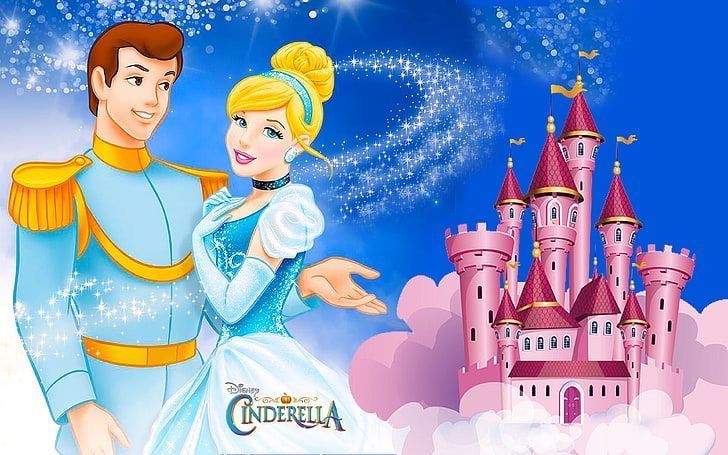
1. Cinderella: A Journey of Courage and Kindness
Cinderella is one of the most celebrated fairy tale stories for kids. It teaches resilience, hope, and kindness. The story revolves around a young girl mistreated by her stepfamily, yet remaining compassionate. Her transformation with the help of a fairy godmother introduces the magical elements children adore. Themes of justice and reward make it a favourite among kids and parents alike.
Key Values Children Learn from Cinderella
The emotional depth of Cinderella makes the story relatable. Children understand that kindness, patience, and goodness eventually lead to positive outcomes. Another important lesson is the courage to believe in oneself, even when faced with difficult circumstances. The magical moments, a pumpkin carriage, a sparkling gown, and glass slippers, make the journey enchanting while reinforcing hope.
Unlock your child’s creativity through expert-led storytelling sessions,
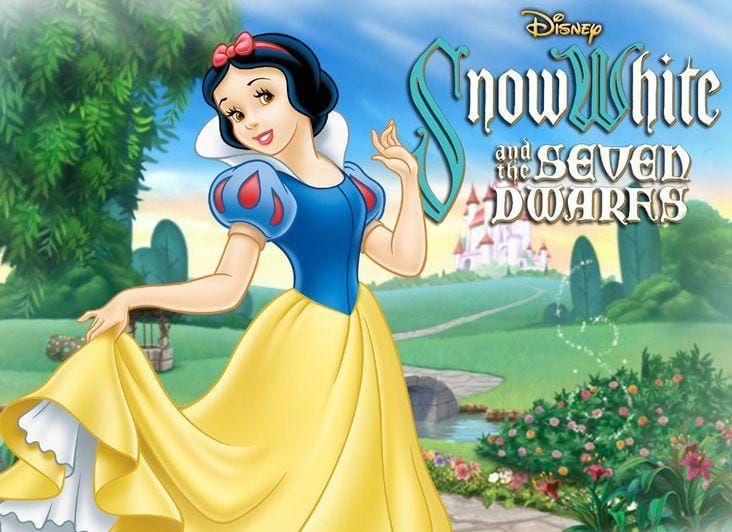
2. Snow White and the Seven Dwarfs: The Power of Friendship
Snow White’s story highlights bravery and trusting your instincts. When Snow White flees from danger, she discovers the importance of companionship through the seven dwarfs. The contrast between good and evil is clear, helping kids easily distinguish right from wrong. The fairy tale also shows the healing power of friendship and community support.
Themes That Strengthen Emotional Awareness
Children see how jealousy and dishonesty create harm, while love and unity bring security. Characters like Doc, Bashful, and Dopey add humour and warmth, making the story emotionally rich. Snow White encourages children to be gentle, trusting, and helpful, reinforcing positive behaviour.
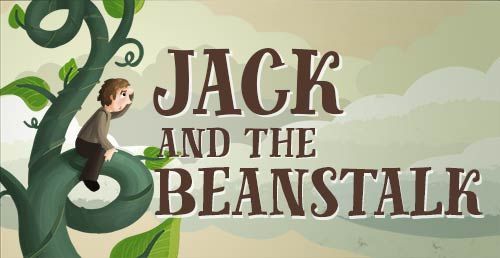
3. Jack and the Beanstalk: Bold Choices and Big Adventures
Jack’s adventure begins with a simple decision to trade a cow for magic beans. What seems foolish at first leads him to a world full of giants, treasures, and challenges. This fairy tale shows how bold actions, curiosity, and quick thinking can lead to remarkable outcomes. It encourages children to think creatively and act with courage when facing obstacles.
Lessons Wrapped in Adventure
Jack represents bravery, resourcefulness, and ambition. Kids learn that taking risks can lead to discoveries, but responsibility always follows. The rhythmic storytelling and suspense-filled scenes keep the narrative engaging. Jack’s clever escape teaches that intelligence is often more powerful than physical strength.
The Everlasting Charm of Fairy Tales in Child Development
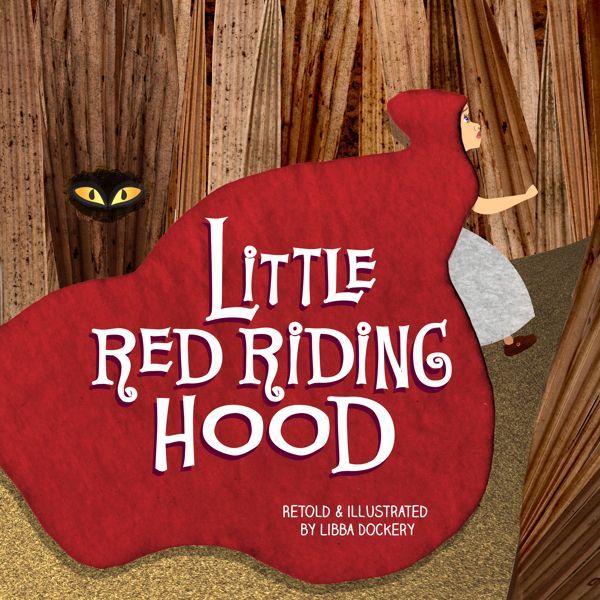
4. Little Red Riding Hood: Learning to Stay Alert
This fairy tale story in English teaches children about caution, awareness, and the dangers of trusting strangers. Little Red Riding Hood encounters the wolf, whose deceptive nature becomes the central conflict. Children understand the importance of making safe decisions and seeking help from trusted adults. At the same time, the story remains engaging with its dialogue, suspense, and emotional progression.
Transforming Fear Into Understanding
The wolf symbolises real-life dangers children might face in unfamiliar situations. By presenting these fears in a controlled narrative, kids learn how to manage anxiety. The story’s resolution reinforces that being brave and aware is essential.
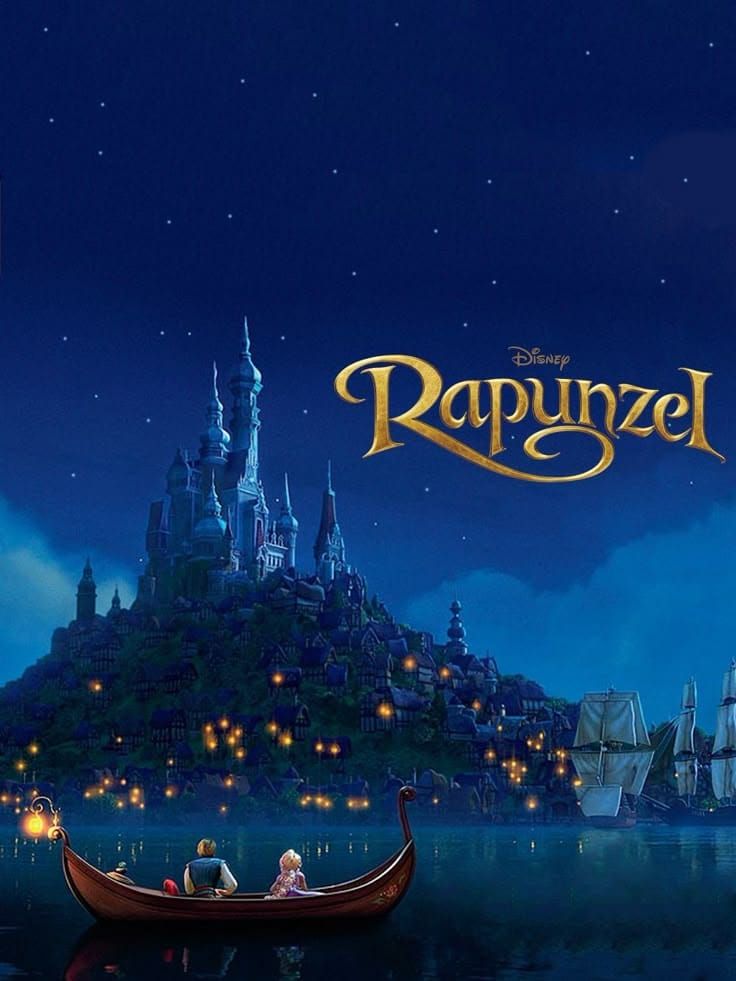
5. Rapunzel: Finding Strength and Independence
Rapunzel is a tale of confinement, hope, and inner power. Trapped in a tower, she finds courage through her voice and intelligence. Children admire her creativity and problem-solving nature. The story blends emotional warmth with magical elements, making it a beloved fairy tale for kids learning about independence.
A Tale of Growth and Freedom
Rapunzel teaches that limitations can be overcome with determination. Her journey inspires children to express themselves freely and trust their abilities.
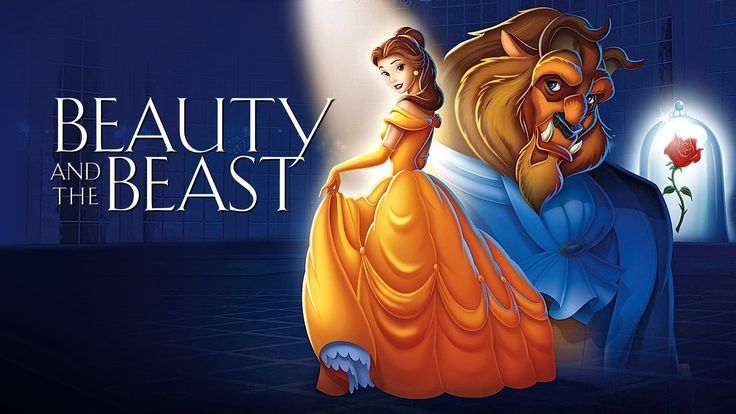
6. Beauty and the Beast: Looking Beyond Appearances
Beauty and the Beast highlights the importance of compassion and empathy. Children learn that kindness can transform even the darkest situations. The Beast’s transformation symbolises personal growth, while Belle’s love and bravery make this story emotionally powerful.
Inner Beauty as a Core Value
The fairy tale emphasises valuing character over physical appearances. Children understand the significance of genuine connections, empathy, and patience.
Modern Fairy Tales That Continue to Inspire Young Minds
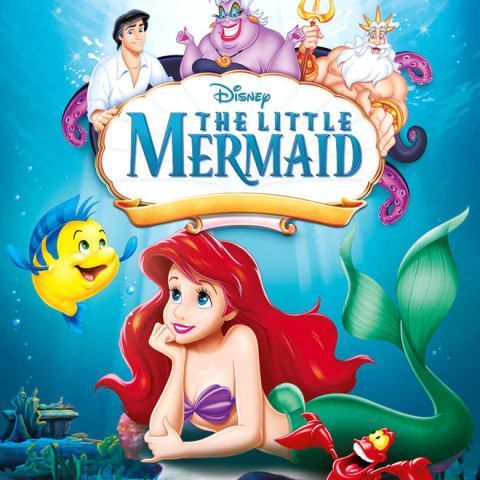
7. The Little Mermaid: A Tale of Dreams and Determination
The Little Mermaid is a captivating fairy tale in English that teaches children the importance of having dreams and working toward them despite challenges. Ariel is curious, brave, and endlessly hopeful, qualities children naturally connect with. Her desire to explore the human world pushes her to make difficult choices, encouraging kids to follow their passion while understanding consequences. The underwater kingdom, magical transformations, and emotional depth make this fairy tale visually vivid and mentally engaging.
Dreaming Big and Making Choices
Ariel’s story teaches children that dreaming big is valuable, but every decision carries responsibilities. Kids see how Ariel balances her desires with the needs of her family, a relatable aspect for young readers learning independence.
Understanding Identity Through Storytelling
Ariel’s longing to belong somewhere reflects the experience many children face as they grow, discovering who they are. The narrative empowers them to embrace their voice and express their individuality.
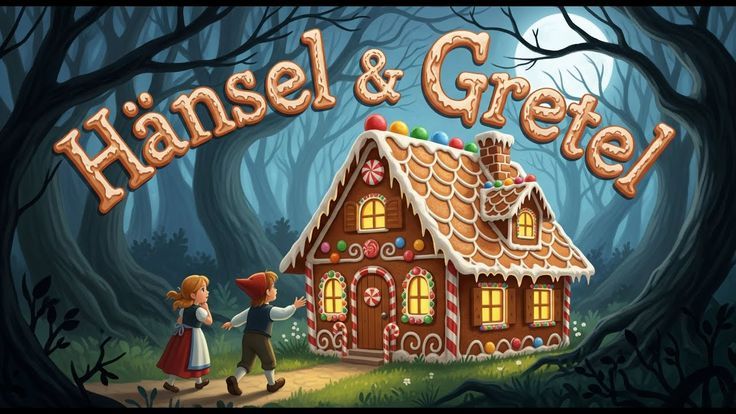
8. Hansel and Gretel: Courage in the Face of Fear
This fairy tale revolves around siblings who face danger with bravery and teamwork. Their journey through the dark forest, encounter with the witch, and clever escape teach children resilience and practical problem-solving. Though intense, the story uses symbolic fears to help kids understand real-life challenges safely.
Turning Challenges Into Strength
Hansel and Gretel show children that fear can be managed with courage and smart thinking. Their bond also highlights the value of staying united during hard times.
Symbolism That Resonates With Kids
The gingerbread house, the dark woods, and the witch represent temptations and dangers. Through this symbolism, children learn that not everything sweet or easy is safe, helping them build better judgment.
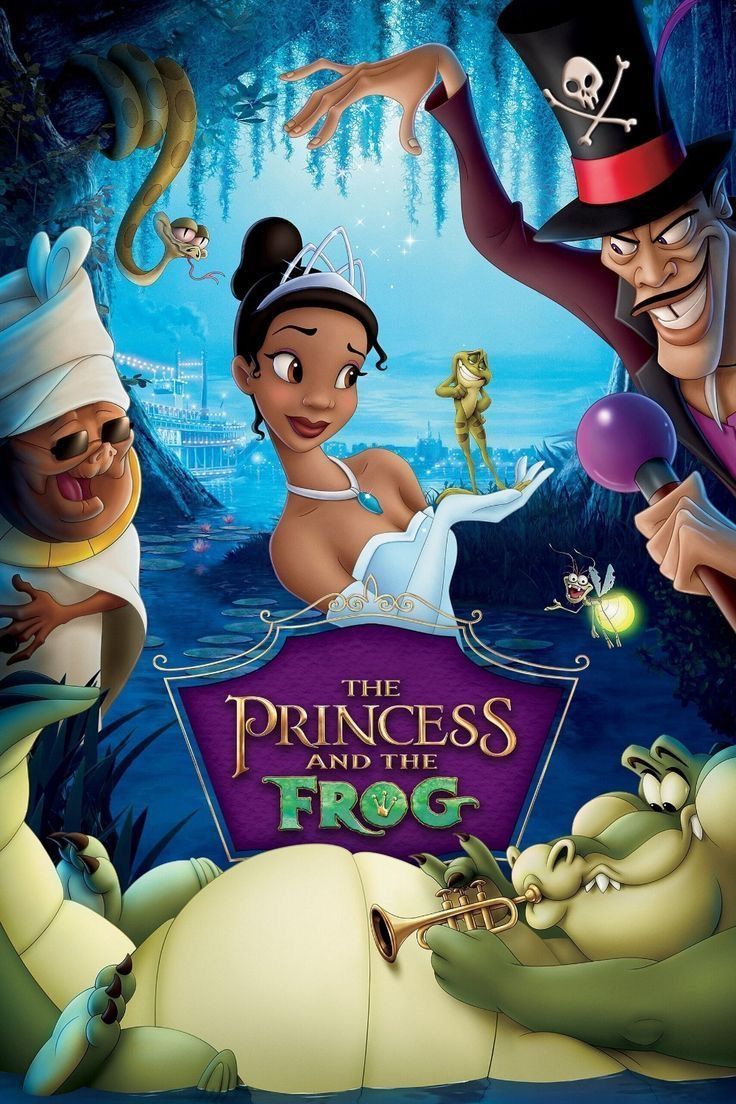
9. The Frog Prince: Trust, Promises, and Transformation
The Frog Prince teaches that keeping promises and showing kindness can bring magical results. The story captures children’s imagination with its transformation theme and emotional journey. It encourages young readers to respect commitments and treat others with fairness, even when appearances are deceiving.
Moral Growth Through Fantasy
The fairy tale illustrates how characters evolve when they keep their word and act with integrity. Children learn that loyalty and honesty have lasting rewards.
Teaching Emotional Intelligence
The bond between the princess and the frog presents emotional lessons about patience, empathy, and understanding people beyond first impressions.
Turn your child into a confident storyteller.
Why Fairy Tales Are Essential for Today’s Kids
Developing Creativity and Imagination
Fairy tale stories remain vital because they teach children how to imagine beyond what they see. Whether it’s a beanstalk reaching the sky or a magical mirror, these stories stretch their cognitive and creative abilities. Modern education emphasises critical thinking, and fairy tales support that by helping kids question “why,” “what if,” and “how.”
Key Creative Benefits for Kids
They learn to visualise settings, characters, and magical transformations.
Story predictions improve analytical thinking.
Kids begin forming original ideas by reshaping classic plots.
Building Vocabulary and Language Skills
Reading fairy tale stories in English expands vocabulary, sentence structure, and expressive language. Since the stories are simple yet rich, children learn new words effortlessly.
How Fairy Tales Strengthen Communication
Repeated phrases in stories improve retention.
Conversations about characters build confidence in speaking.
Kids learn tone, rhythm, and expression by hearing dramatic storytelling.
Instilling Strong Moral Values
Most fairy tales follow a clear pattern where good is rewarded and bad is defeated. This clarity helps children differentiate right from wrong and recognise the outcomes of choices.
Values Kids Absorb Naturally
Kindness and empathy
Courage and self-belief
Responsibility and honesty
Respect for others
Patience and gratitude
Why Choose PlanetSpark for Storytelling?
PlanetSpark makes children fall in love with storytelling by blending creativity, structure, and confidence-building into one powerful learning journey. Our storytelling program goes beyond reading fairy tale stories; it helps kids create their own.
What Makes PlanetSpark the Best Choice for Storytelling?
Kids learn voice modulation, expressions, and narrative flow through interactive sessions.
Lessons are designed to improve communication, vocabulary, and imagination.
Story-building exercises teach children how to structure plots, characters, and themes.
Small batches ensure personalised feedback for every learner.
Certified trainers develop public speaking skills through fun activities.
Children practice creative writing based on classic and modern fairy tale stories.
Real-time storytelling performances help kids gain confidence and stage presence.
Help your child master expression and creativity.
Where Magic Meets Meaning: The Final Word on Fairy Tales
Fairy tale stories have a timeless charm that enriches a child’s imagination while building language skills and emotional intelligence. From Cinderella’s kindness to Jack’s bravery and Rapunzel’s resilience, every story carries wisdom that stays with children as they grow. These magical narratives introduce kids to new worlds, ideas, and values, shaping their creativity and strengthening their mindset. Pairing these stories with structured storytelling guidance, like PlanetSpark's expert-led sessions, helps children express themselves confidently, craft their own stories, and develop a lifelong love for reading and creativity. Fairy tales may begin with “once upon a time,” but the lessons they give last forever.
More Story-World Adventures Your Child Will Love”
If this blog inspired you, here are some closely related reads you can explore from the storytelling and kids’ learning category:
Frequently Asked Questions
Fairy tales help children develop imagination, emotional intelligence, and early moral understanding. They offer familiar story structures that allow kids to comprehend challenges and solutions. Fairy tales also build vocabulary, listening skills, and creative thinking. Their timeless lessons continue to remain meaningful in modern life.
Timeless stories such as Cinderella, Snow White, Jack and the Beanstalk, and Little Red Riding Hood work well for children because they are simple to understand, yet rich in imagination. These stories carry clear messages and exciting plots, making them perfect for early readers. Their characters and magical elements naturally attract children’s curiosity.
Fairy tales use rhythmic storytelling, expressive dialogues, and descriptive scenes that children absorb easily. As kids listen or read, they learn new words, sentence patterns, and expressive language. Discussing characters and events helps them practise speaking with clarity and confidence, improving communication over time.
Yes, fairy tales are one of the strongest foundations for creativity. Children visualise enchanted forests, magical creatures, and exciting adventures, which strengthens imagination. They begin predicting story outcomes, modifying plots, or inventing new characters, which builds creative writing and storytelling skills.
Absolutely. Teachers often use fairy tales to teach sequencing, character analysis, vocabulary, and moral reasoning. Group storytelling or role-play activities encourage teamwork and expressive communication. Fairy tales also help children relate to emotions like fear, hope, joy, and bravery in a safe and guided manner.