


Road safety is one of the most important lessons every child and adult must learn. With the rapid increase in vehicles and busy roads, understanding how to move safely, whether walking, cycling, or traveling, has become essential. Teaching children the correct road safety rules not only prepares them for real-life situations but also helps prevent avoidable accidents.
As young learners explore their surroundings, they naturally become curious about roads, vehicles, and traffic. This curiosity can turn risky if they don’t understand the right safety practices. That’s why schools, parents, and communities must work together to ensure that children understand the importance of road safety from an early age.
This blog covers a clear, simple paragraph on road safety, key points, and the major causes behind road accidents to help students develop awareness and write better for their school assignments.
Paragraph on Road Safety: Key Points to Remember
Here is a student-friendly paragraph that explains the topic clearly and aligns with the given keywords:
Road safety is the practice of following rules and guidelines that help keep people safe on the road. It is important for everyone, especially children, to understand and follow safety rules to avoid accidents. Some basic road safety rules include walking on the footpath, crossing the road at a zebra crossing, following traffic signals, and staying alert while walking or cycling. Wearing helmets, using seat belts, and avoiding distractions can prevent serious injuries. By following these simple rules, we can protect ourselves and others and make our roads safer for everyone.
This paragraph helps students understand how to write effectively while also fulfilling the search intent for “paragraph on road safety” and “road safety rules.”

The Importance of Road Safety for Kids
Every year, thousands of road accidents involve children, many of which could be prevented with proper awareness and education. Kids are naturally quick, active, and sometimes unpredictable. That makes learning road safety even more crucial.
Below are some key reasons why road safety is important for young learners:
1. Children Are Still Learning Awareness
Kids don’t always recognize danger. They may run across the road, chase a ball, or get distracted by friends. Teaching them road safety rules helps them understand risk and behave responsibly.
2. Increasing Traffic Makes Roads Riskier
With more vehicles on the road than ever before, children must learn safe walking, cycling, and traveling habits. Even a small mistake can lead to a big accident.
3. Road Safety Builds Lifelong Discipline
When children learn how to follow traffic signals, walk on footpaths, or identify road signs, they become disciplined individuals who respect rules and value safety throughout life.
4. Helps Prevent Injuries and Saves Lives
Simple actions like wearing a helmet or looking both ways can prevent major accidents. Kids who understand road safety ensure not just their safety but also others around them.
5. Boosts Confidence and Independence
Children feel more confident when they know how to navigate their surroundings safely. This confidence helps them walk to school, visit parks, or travel with awareness.
When kids learn road safety early, they carry these habits into adulthood, creating a safer environment for everyone.
Your child can learn to write powerful, clear, and high-scoring paragraphs just like this.
Causes of Road Accidents
Understanding the causes of road accidents helps children become more aware of unsafe situations and how to avoid them. Here are some of the major reasons accidents happen:
1. Over-Speeding
Driving too fast reduces reaction time. When a vehicle is speeding, the chances of losing control or failing to stop on time increase significantly.
2. Distracted Walking or Driving
Using mobile phones while crossing the road, talking to friends, or being unaware of surroundings leads to major accidents, especially with children.
3. Ignoring Traffic Signals
Many accidents occur when people break rules, jumping signals, not stopping at red lights, or rushing across the road.
4. Not Using Safety Gear
Helmets, seat belts, knee pads, or reflectors can save lives. Unfortunately, many riders skip these, leading to increased injuries during accidents.
5. Poor Road Conditions
Potholes, damaged footpaths, or improper lighting make roads unsafe. Kids must be taught to stay alert while walking in such areas.
6. Lack of Awareness
Sometimes children simply don’t know the meaning of road signs or basic rules. This lack of knowledge can lead to risky behavior.
7. Careless Behavior
Running on the road, playing near traffic, or suddenly crossing without checking both sides are common causes of accidents involving kids.
Understanding these causes helps students make responsible choices every day and encourages safer habits.
Help your child write powerful, high-scoring paragraphs and become a confident communicator.
Basic Road Safety Rules
Teaching children basic road safety rules early helps them move around confidently and safely. These rules are simple, easy to remember, and extremely effective in preventing road accidents. When kids follow these rules every day, they build habits that protect them for life.
1. Always Use the Footpath
Footpaths are meant for walking safely away from traffic. Children should never walk on the main road unless the footpath is unavailable.
2. Cross Only at Zebra Crossings
Zebra crossings ensure that vehicles stop and allow pedestrians to cross. Kids must learn to use designated pedestrian zones instead of crossing anywhere randomly.
3. Follow the Traffic Lights
Red means stop, yellow means wait, and green means go. Understanding these signals helps children make good decisions while crossing roads.
4. Look Both Ways Before Crossing
A simple habit that can save lives. Children should look right – left – right before stepping onto the road.
5. Avoid Running on Roads
Running, playing, or chasing objects on the road increases the risk of sudden accidents. Kids must learn to walk calmly near roads.
6. Wear a Helmet While Cycling
A helmet protects the head from serious injuries. Children should wear helmets even for short rides.
7. Don’t Use Mobile Phones While Walking
Distractions cause many accidents. Children should never walk while watching videos, texting, or listening to loud music.
8. Follow Road Signs
Speed breakers, one-way signs, school zones, pedestrian symbols- these signs guide everyone on the road. Kids must learn their meaning early.
These basic rules empower children to act responsibly and make safe decisions every time they step outside.
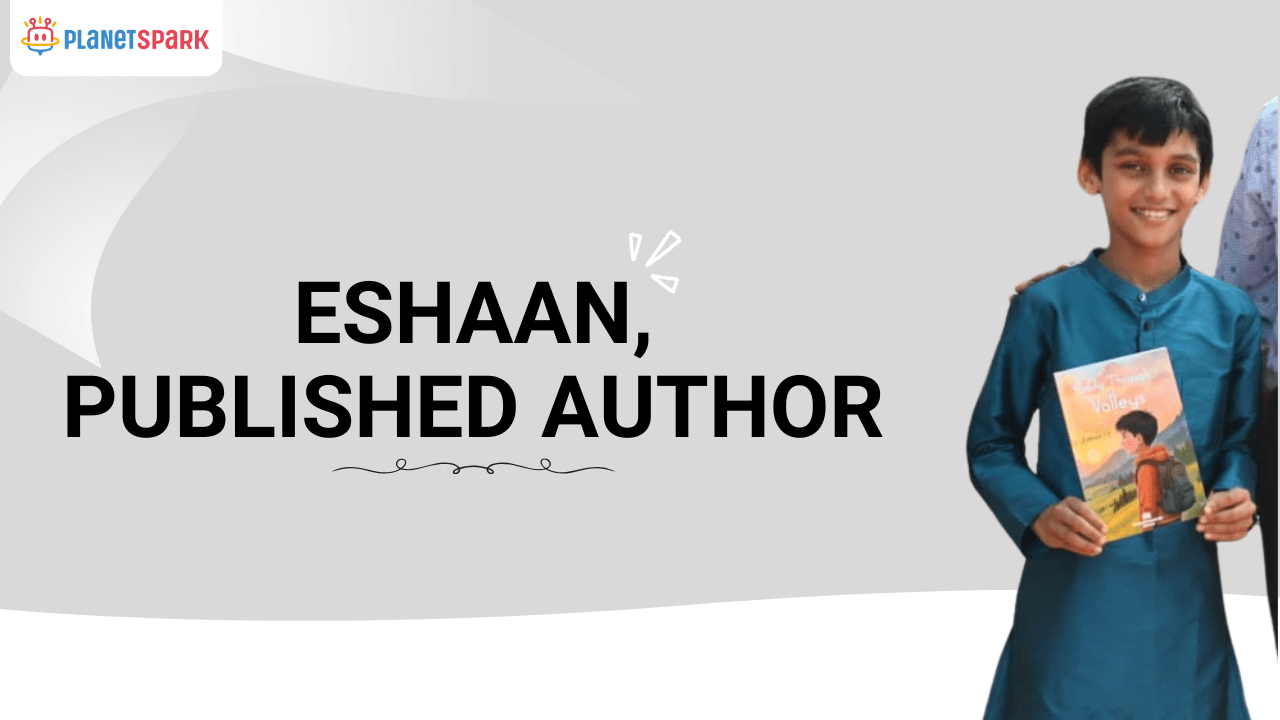
Eshaan has officially become a published author, transforming a simple classroom activity into a captivating storybook!
At PlanetSpark, creativity meets courage. Eshaan walked into his first class with ideas but no structure. Over weeks, he learned how to turn thoughts into powerful stories, build characters, craft emotions, and write with confidence.
What began as a writing exercise slowly shaped into a complete book, edited, illustrated, and published.
Today, Eshaan proudly holds his own storybook in hand, proof that when children are guided the right way, their imagination has no limit.
If a classroom story can turn into a published book, imagine what your child can create next.
Make this possible for your child too, before the current batch fills up.
Ways to Improve Road Safety
Improving road safety requires teamwork; families, schools, communities, and authorities must all contribute. Children especially benefit when adults set the right examples and create safer environments.
Here are practical ways to make roads safer for everyone:
1. Awareness Programs in Schools
Schools can organize workshops, road safety days, quizzes, and demonstrations. When children actively engage with these activities, the rules become natural to them.
2. Safe Walking Zones Around Schools
Creating vehicle-free or low-speed zones near school gates reduces the chances of accidents during drop-off and pick-up times.
3. Better Infrastructure
Clear zebra crossings, well-lit streets, repaired footpaths, and speed breakers in high-traffic areas help reduce accidents significantly.
4. Strict Enforcement of Traffic Laws
Fines for speeding, signal jumping, and not wearing helmets or seatbelts encourage responsible driving.
5. Parental Guidance
Kids observe and copy adults. When parents follow traffic signals, use seatbelts, and walk safely, children naturally learn the same habits.
6. Use of Reflective Gear
Reflective jackets or school bags make kids more visible, especially in early mornings or evenings.
7. Technology for Safety
CCTV monitoring, speed sensors, and mobile alerts help authorities maintain safety on busy roads.
8. Teaching Children Emergency Awareness
Kids should know what to do if they are lost, injured, or in danger. Basic emergency numbers and simple communication skills go a long way.
9. Community Support
Neighborhoods can form safety committees or volunteers can guide traffic near schools. These small contributions create a big impact.
Improving road safety starts with awareness and grows through consistent habits and responsible behavior. Every small step counts.
Why Choose PlanetSpark Creative Writing Course?
Creative writing does more than teach children how to write paragraphs; it teaches them how to express ideas clearly, logically, and confidently. When students learn to write structured pieces like paragraphs on road safety, their academic performance improves across subjects.
Here’s why PlanetSpark’s Creative Writing Program stands out:
Genre-Focused Curriculum: Covers diverse forms like stories, poems, essays, reviews, and persuasive letters to build versatile writing skills.
Framework-Based Learning: Students master story arcs, the S.T.O.R.Y structure, the 5W1H method, and the PEEL technique for structured writing.
Writing and Speaking Integration: Learners present their written pieces to strengthen expression and storytelling confidence.
Real-Time Editing: Classes emphasize rewriting and refinement through peer reviews and teacher feedback.
Publishing Opportunities: Students can feature their work on PlanetSpark’s blog, e-magazine, or co-authored anthologies for recognition.
Creativity Boosters: Writing prompts, imagination games, and story dice activities nurture originality and creative thinking.
Our Creative Writing batches are filling fast. Give your child the writing confidence they deserve.
Safe Roads, Strong Writers: A Better Future Begins Here
Road safety is more than a lesson; it’s a life skill that every child must learn early. From understanding traffic signals to practicing safe walking habits, these rules shape responsible, aware, and confident individuals. When children learn why road safety matters, they naturally adopt habits that protect themselves and others.
But beyond knowing rules, children must also learn how to express their thoughts clearly. This is where strong writing skills make a meaningful difference. Writing a paragraph on road safety, explaining its importance, or identifying accident causes, all require clarity, structure, and confidence.
PlanetSpark’s Creative Writing Program helps children master these skills through engaging activities, personalized guidance, and real-world topics like this one. Just like Eshaan, whose creativity took him from a curious learner to a published author, your child, too, can transform their ideas into impactful writing.
Give your child the tools to think better, write better, and communicate with confidence.
Their future is shaped by the skills they build today.