
Understanding Tone, Volume, and Body Language for Kids
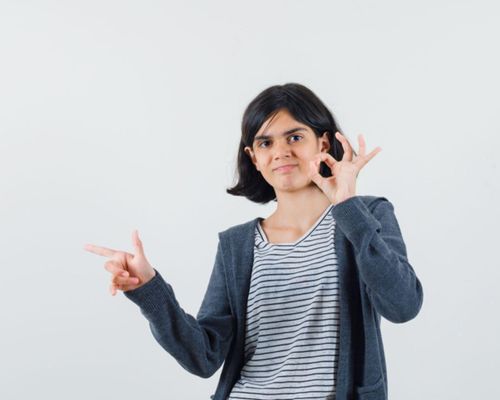

Table of Contents
Children do not just need to know how to say things properly; rather, they need to understand how to express themselves effectively. When kids use their speaking tone, adjust their volume, and even carry the ideal body language, they naturally become better speakers, listeners, and skilled social participants.
Whether in school, at home, in public spaces, or even digitally, children who master the art of these essential skills can express themselves clearly, avoid misunderstandings, and build stronger relationships.
Understanding tone, volume, and body language for kids is a core pillar of communication, and by joining PlanetSpark's Personality Development Program, children can get the chance to become emotionally aware, as well as socially smart.
Helping Kids Master Tone: Teaching the 'Feel' Behind Words
Tone is the right emotional colour for developing strong communication. Kids who speak without realising how their tone affects others. This is why teaching kids communication skills training is necessary to manage tone, improve empathy, social interactions, and emotional intelligence.
1. Teaching Emotional Awareness
Recognising that strong emotions are necessary for kids is the first step in mastering the skills of tone. When kids understand how their feelings influence their voice, they naturally become better communicators. Encouraging your kids to explore how different emotions, such as happiness, boredom, irritation, and excitement, change the sound of their voice.
2. The Power of Politeness and Warmth
Many kids often sound rude, not because they intend to, but because they are unaware of how their tone comes across. Teaching polite and warm communication reduces the likelihood of misunderstandings and helps individuals integrate more effectively into social groups. Please encourage them to use gentle phrases. When practised regularly, these expressions help kids to develop a naturally pleasant tone.
3. Adjusting Tone Based on Situation
Children have to learn about different situations that require different tones. A calm and composed tone is always best during discussions, while a firm tone is appropriate when setting personal boundaries. Respectful tone, on the other hand, is essential when talking to teachers or elders. Verbal communication for children plays an important role in developing their position in society.
Volume Control for Kids: Speaking Clearly Without Shouting
Volume control is one of the most significant yet common challenges children face. Some children speak so, while others talk so loudly. So, developing proper public speaking skills for kids is essential not just for learning proper communication at home, but also for school, friendships, stage speaking, and online classes.
Teaching Kids to Speak Loud Enough
Children who speak too softly often struggle with clarity, confidence, or breath support. Parents can help their kids practice reading aloud gently by having them read while facing the listener and introducing simple breathing control exercises. Activities like "stage voice games," where children pretend to speak on a stage, also help build projection skills.
Teaching Kids to Lower Their Volume
When children speak too loudly, it is not always intentional. They simply have not learned proper modulation. Teaching them to observe others' reactions, such as people stepping back or covering their ears, helps them to recognise the volume cues from the other person's end. So, teaching them the concept of "indoor voice vs. outdoor voice" gives them a proper reference point for appropriate speaking levels.

When Volume Reflects Emotion
Children often raise their voices when they feel very frustrated, excited, or even overwhelmed. They are not being rude, they simply haven't learned the skills of emotional self-regulation. Teaching verbal communication for children who reflect strong emotions, loud volume is not essential. Parents can model calm tones, help kids label their feelings, and practice both "pause and breathe" techniques before speaking.
Body Language: The Silent Teacher That Shapes Every Interaction
Body language is another vital part that assists with social confidence building for children. From proper communication to speaking clearly, a child's posture, eye contact, gestures, and expressions silently communicate whether they are confident, anxious, curious, or even distracted. When kids understand how their body language influences others, they become more socially aware, emotionally intelligent, and also capable of expressing themselves effectively.
1. Posture Power: Teaching Kids to Stand Tall & Speak Boldly
Good posture is the strong foundation of confident communication. When children sit or stand with a straight spine, open shoulders, and a lifted chin, they naturally appear more attentive. Teaching posture is not about perfection, but about showing kids how their body language affects their presence and confidence. So, while providing kids communication skills training, encourage them to adopt a comfortable yet strong stance.
2. Eyes That Speak: Helping Kids Build Natural Eye Contact
In the list of public speaking skills for kids, eye contact is one of the most important social skills that a child can easily learn. Balanced and calm eye contact also shows interest, trustworthiness, and genuine respect towards others. Many children either avoid eye contact entirely or stare too intensely because they don't understand the middle ground. So, teaching them simple methods is necessary.
3. Talking With Hands: Guiding Kids to Use Expressive Gestures
Children have abundant energy, and the proper gestures help them to show the energy productively when they speak. Thoughtful hand gestures also give adequate structure to ideas, create strong emphasis, and make the communication more engaging. However, excessive movement can also distract the listeners. Teaching kids controlled, and purposeful gestures helps them become more polished and expressive.
4. Expressions That Connect: Teaching Kids to Match Emotion & Face
Facial expressions are also important during a conversation. As a parent, when you decide to work on social confidence building for children, teach them that a warm smile creates connection, curiosity shows engagement, and expressive eyebrows also highlight enthusiasm. Speaking about something exciting with a blank face or reacting with surprise looks odd. So, teach them the appropriate expression.
Real-life Scenarios to Help Kids Practise Tone, Volume & Body Language
Real-life situations allow kids to learn about the perfect environment for practising proper tone, volume, and body language more naturally. When kids apply these skills in everyday interactions, they find learning effortless, memorable, and also more confidence-boosting. These simple daily scenarios also reinforce the communication techniques they learn at PlanetSpark, helping them grow into more expressive, respectful, and emotionally aware young communicators.
1. Morning Routine Mirror Practice
While getting ready for school, ask your child to stand in front of a mirror for one minute. Now, tell them to adjust their shoulders, lift their chin, and also smile gently. Many parents notice that this simple exercise improves their child's overall classroom presence because posture becomes a habit rather than a reminder.
2. Dinner Table Conversations
During meals, encourage your kids to share one story from their day. Ask them to glance briefly at each listener as they speak. If they look away too long or even stare continuously, gently guide them in such cases. This activity works on social confidence building for children.
3. Storytelling with Gestures
Give your child a small story prompt, such as "A lost puppy" or "The magic key," and then ask them to narrate it using expressive and proper hand gestures. Show how a hand movement can properly signal "huge," or "excited." When kids realise these gestures, they can organise their thoughts better, which adds value to their public speaking skills for kids.
4. Emotion-Matching Game
Show your child simple scenarios: "You got full marks," "Your friend fell down," or "You saw a cute kitten." Ask them to act out appropriate facial expressions for such cases. This strengthens their ability to react promptly to emotional awareness and express empathy, an essential soft skill.
How Does PlanetSpark's Personality Development Class Help Kids?
PlanetSpark plays an excellent transformational role that helps kids master tone, voice modulation, and also genuine emotional communication. Unlike such traditional learning environments, a proper communication curriculum teaches verbal communication for children, besides blending experiential learning, interactive tools, and also guides with personalised coaching. Thus, kids can understand tone but also apply it naturally in daily conversations.
PlanetSpark's expert communication coaches utilise such drama-based activities, storytelling prompts, and real-life scenarios that help children recognise emotional cues and adjust their tone accordingly. Through such AI-powered feedback and video-based assessments, kids can also hear and see themselves speak, giving them instant awareness of when they sound rude, too soft, robotic, or overly sharp.
Role-play environments, such as mock classrooms, playground situations, digital chats, and stage simulations, help children practice switching tones based on context. Whether it's a calm tone during discussions, a warm tone with friends, or a confident tone on stage, kids learn correct expression through repetition and guided coaching.
PlanetSpark's public speaking modules provide kids communication skills training, which includes proper debates, speeches, and storytelling. Thus, such skills help children practise emotional expression, clarity, and vocal modulation. Meanwhile, the platform's emotional intelligence training teaches children how to pause, reset their tone, and communicate with empathy, even when they feel overwhelmed.
Enroll Your Child with PlanetSpark and Boost Their Confidence!
Understanding tone, volume, and body language for kids is essential for raising confident and emotionally intelligent communicators. When kids understand how their voice and body influence interactions, they become kinder, clearer, and more self-aware. PlanetSpark's structured methodology, video feedback, role-plays, personality development modules, and real-world practice help children build these skills naturally and joyfully. With proper guidance, kids not just learn how to speak, but they get the chance to connect, express, and shine in every environment, offline and online.
Frequently Asked Questions
Tone influences how a message is received. When kids learn to control tone, they communicate more respectfully, avoid conflicts, and express emotions clearly. It builds empathy and social confidence.
Children can begin learning the basic posture, tone, and also volume cues as early as 4–5 years old. PlanetSpark teaches these concepts through such age-appropriate activities, games, and guided practice.
PlanetSpark uses video assessments, role-plays, storytelling, debates, drama games, and personalised feedback to strengthen tone control, posture, expressions, volume, and confidence.
Yes. Kids who learn the proper tone, posture, and volume communicate better with teachers, participate confidently in class, build stronger friendships, and perform better in presentations and also to group work.
Simple practices, daily reading, tone-guessing games, mirror exercises, posture reminders, and also some respectful conversations reinforce what children learn at PlanetSpark and build consistency.