
Smart Activities to Boost Emotional Intelligence in Kids
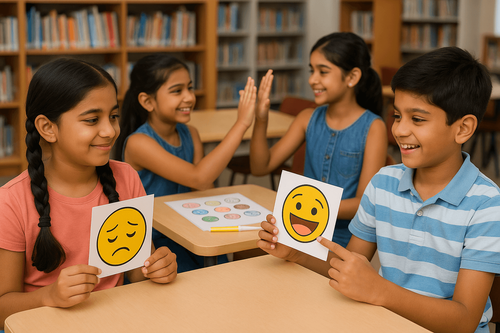

Table of Contents
- What Is Emotional Intelligence for Kids?
- Benefits of Building Emotional Intelligence Early
- Fun Activities to Improve Emotional Intelligence in Kids
- How Parents Can Support Emotional Growth at Home
- Signs of Improvement in a Child’s Emotional Intelligence
- Understanding Why Kids Struggle with Emotions
- How EQ Supports Academic Success
- Signs Your Child Needs More Emotional Support
- Age-Wise Emotional Intelligence Development
- Simple Emotional Vocabulary Words for Kids
- How Teachers Can Build EQ in the Classroom
- Games to Build Empathy in Kids
- Communication Exercises for Kids at Home
- Daily Routine Practices to Boost EQ
- How Screen Time Affects Emotional Intelligence
- Using Art and Creativity to Build Emotional Awareness
- How Emotional Intelligence Helps Reduce Sibling Fights
- Printable Emotional Intelligence Worksheets
- Why Choose PlanetSpark?
- Conclusion
Emotional intelligence (EQ) for kids is all about helping them understand their feelings, express them in healthy ways, and recognize how others feel. When children learn to identify emotions early, they communicate better, handle tough moments calmly, and build stronger, kinder relationships with friends and family.
The good news is that EQ can be developed through simple, fun activities at home or in school. With the right guidance, children can gradually learn to manage their emotions and grow into thoughtful, empathetic, and emotionally strong individuals.
What Is Emotional Intelligence for Kids?
Emotional intelligence (EQ) for kids refers to their ability to understand, express, and manage emotions in a healthy way. It helps children recognize what they are feeling and why they are feeling it. When kids learn to identify emotions early, they become better at expressing themselves, solving problems, and interacting with others. EQ also teaches kids how to pause and think before reacting, which is especially helpful during conflicts or stressful moments. Children with strong EQ are more empathetic, patient, and confident in daily situations.
Key Components of EQ
Self-awareness: Kids understand their emotions and know their triggers.
Self-regulation: They learn to control impulses and manage reactions calmly.
Empathy: They recognize how others feel and respond with kindness.
Social skills: They communicate clearly, work in groups, share, and handle disagreements respectfully.
Benefits of Building Emotional Intelligence Early
Developing emotional intelligence from a young age gives children a strong foundation for future learning and relationships. Emotionally strong kids handle challenges better because they can stay calm and think clearly. They communicate more confidently since they know how to express their feelings without fear or frustration. EQ also helps with conflict resolution—kids listen better, understand others’ perspectives, and choose peaceful solutions instead of reacting impulsively.
Children with good emotional intelligence make stronger friendships because they are empathetic, patient, and respectful. They adjust better in school environments, work well in teams, and show resilience when facing disappointments. On a long-term level, EQ helps kids develop leadership qualities, independence, and responsible behaviour.
Key Benefits
Better emotional expression and communication
Improved conflict resolution
Stronger friendships and social connections
Higher confidence, resilience, and decision-making skills
Fun Activities to Improve Emotional Intelligence in Kids
Emotion Naming Games
Emotion naming games help children recognize and label their feelings accurately. Many kids feel emotions strongly but don’t have the words to explain them. By connecting expressions and situations to specific feelings, children gain emotional clarity. This makes it easier for them to talk about what they’re experiencing instead of reacting out of confusion. Games like “Feelings Flashcards” or “Emotion of the Day” make learning fun and interactive. These small activities improve self-awareness and help children become more confident in expressing themselves.
Activities
Feelings Flashcards
Emotion of the Day
Match-the-face-to-the-feeling
Role-Play Situations
Role-play helps kids practise emotions and reactions in a safe environment. By acting out everyday situations—like sharing toys, losing a game, comforting a friend, or solving misunderstandings, kids learn empathy and communication skills. Role-play also teaches problem-solving, as children explore different ways to respond to tough situations. It prepares them for real-life challenges by letting them practise calm and confident behaviour. Over time, kids become better at handling social situations with maturity.
Activities
Acting out conflict scenarios
Practising polite responses
Pretend play involving emotional situations
Journaling for Kids
Journaling is a powerful emotional exercise that helps children express feelings privately and safely. Older kids can write about their day, while younger ones can draw pictures to show their emotions. Journaling encourages self-reflection, helping kids understand patterns—like what makes them happy, sad, excited, or worried. It improves emotional vocabulary and strengthens communication skills. Journaling also helps reduce stress because children release their thoughts instead of bottling them up.
Activities
Emotion diary
Draw-your-feelings journal
“Three good things” gratitude entry
Storytelling and Books on Emotions
Storytelling allows kids to explore emotions through characters and situations. When children read or listen to a story, they naturally connect with the characters’ feelings. This makes it easier for them to understand concepts like disappointment, jealousy, fear, or courage. Parents can pause during a story and ask questions like, “How do you think the character feels right now?” This builds empathy and emotional awareness. Books also introduce new emotional vocabulary in a fun, age-appropriate way.
Activities
Discussing characters’ feelings
Predicting emotional outcomes
Identifying lessons from stories
Mindfulness and Breathing Exercises
Mindfulness helps kids slow down, observe their emotions, and stay calm under pressure. Simple breathing exercises like balloon breathing or star breathing teach children how to relax when they feel overwhelmed. These activities help reduce anxiety, improve focus, and control impulsive behavior. Regular mindfulness practice strengthens emotional regulation and builds confidence because children feel more in control of their feelings.
Activities
Balloon breathing
Mindful listening
Body-scan relaxation
Help your child grow emotionally, Book a free PlanetSpark demo class today.
Gratitude Activities
Gratitude activities teach kids to focus on the positive aspects of life. When children learn to appreciate small things—like a kind friend, fun activity, or happy moment, they build emotional stability. Gratitude reduces stress, increases happiness, and promotes empathy because kids learn to value people and experiences around them. Simple activities like gratitude jars or drawings make the process engaging and meaningful.
Activities
Gratitude jar
Gratitude drawing
“Three things I’m thankful for” routine
Collaborative Group Activities
Collaborative activities teach teamwork, patience, and social awareness. When kids work together, whether it’s building something, playing a game, or solving a puzzle, they learn to communicate, listen, share ideas, and manage disagreements. These interactions naturally expose kids to different emotions like excitement, frustration, joy, and disappointment, helping them build emotional balance. Group activities also strengthen friendships and improve social confidence.
Activities
Team-based games
Group puzzles
Joint creative projects
How Parents Can Support Emotional Growth at Home
Parents play the biggest role in shaping a child’s emotional intelligence because children learn emotional behaviour by observing the adults around them. When parents respond calmly, listen actively, and show empathy, kids naturally absorb these skills. One of the most effective ways to support EQ development is by validating your child’s emotions. Instead of dismissing their feelings with phrases like “Don’t cry” or “It’s not a big deal,” parents can acknowledge emotions by saying, “I understand you’re upset,” or “It’s okay to feel angry.” This helps the child feel seen and builds emotional confidence.
Parents can also encourage open discussions about feelings by asking questions such as “How did that make you feel?” or “What do you think we can do next time?” Regular conversations help kids express themselves clearly and strengthen emotional vocabulary. Modelling positive behaviour like apologising when wrong, managing stress, and staying patient—teaches powerful lessons.
At-home practices:
Active listening
Emotion validation
Calm communication
Modelling respectful behaviour
Signs of Improvement in a Child’s Emotional Intelligence
As children practice emotional skills, parents start noticing small but important changes. One of the first signs of improved EQ is better self-control. Kids begin to pause before reacting, even in frustrating situations. Instead of crying, shouting, or shutting down, they try to explain what they feel. Another major sign is empathy—children start showing concern when someone is hurt, sad, or left out. They may comfort a friend, share toys willingly, or apologise without being forced.
Improved communication is also a key indicator. Kids with growing EQ become more expressive and confident in describing their needs. They can explain conflicts better and seek peaceful solutions. You may also notice stronger friendships because children with higher EQ are kinder, more patient, and more cooperative. They handle teamwork better and show responsibility in group settings.
Positive signs include:
More calm and thoughtful responses
Better communication skills
Increased empathy and kindness
Stronger friendships
Improved conflict resolution
Understanding Why Kids Struggle with Emotions
Children often struggle with emotions because they are still learning how to identify and understand what they feel. Many emotions—like anger, jealousy, fear, or embarrassment are new to them, and without the right vocabulary, kids often express these feelings through behaviour instead of words. Young children also have developing brains, which means their impulse control is not fully formed. This makes it hard for them to pause and think before reacting.
Another reason is environmental influence. Changes at home, school stress, sibling dynamics, or exposure to conflicts can make emotional regulation more challenging. Kids also mirror what they see, if they observe yelling or impatience often, they may adopt similar reactions. Additionally, children sometimes struggle because they don’t feel heard. When their emotions are dismissed or ignored, frustration builds up internally.
Start your child’s emotional intelligence journey with PlanetSpark, Join a trial session
Common Causes
Limited vocabulary
Underdeveloped impulse control
Overwhelm from routine changes
Stress at home or school
Lack of emotional validation
How EQ Supports Academic Success
Emotional intelligence directly influences how well children perform in school. When kids understand their emotions, they can manage stress, stay focused, and participate confidently. A child with good EQ finds it easier to adjust to school routines, handle peer interactions, and deal with challenges like difficult subjects or exam pressure. EQ also improves communication—kids ask questions confidently, seek help when needed, and express concerns without fear.
Teachers notice that emotionally aware children have better attention spans because they don’t get stuck in emotional overload. They also work better in groups, share ideas, and collaborate effectively. Emotional intelligence reduces classroom conflicts and helps children build healthier friendships, creating a positive learning environment.
Academic Benefits of EQ
Better focus and concentration
Improved behaviour and self-control
Confident participation in class
Stronger teamwork and problem-solving
Reduced anxiety during tests or new tasks
Signs Your Child Needs More Emotional Support
Parents may notice certain behaviours that indicate a child is struggling emotionally. One of the biggest signs is frequent emotional outbursts, especially over small issues. This shows the child is overwhelmed and cannot express feelings clearly. Another sign is withdrawal—children may become quiet, avoid social interactions, or lose interest in activities they usually enjoy. Behavioural changes such as irritability, aggression, or clinginess also show emotional imbalance.
You may also observe difficulty sleeping, changes in appetite, or increased worry. Some children struggle silently and express emotions through physical symptoms like headaches or stomach aches. If a child gets frustrated easily, avoids conversations about feelings, or reacts strongly to minor corrections, it indicates they need more emotional guidance.
Warning Signs
Frequent meltdowns
Social withdrawal
Sudden behaviour changes
Unexplained physical complaints
Difficulty expressing emotions
Age-Wise Emotional Intelligence Development
Emotional intelligence develops differently across age groups, and understanding these milestones helps parents offer the right support.
Ages 3–5
Children begin identifying basic emotions like happy, sad, angry, and scared. They express feelings mostly through actions. Impulse control is limited, and tantrums are common.
Ages 6–8
Kids become better at expressing emotions with words and understanding others’ feelings. They start managing small conflicts, sharing better, and developing empathy.
Ages 9–12
Children can recognise complex emotions like guilt, embarrassment, or disappointment. They start reflecting on their reactions, understanding social cues, and handling peer pressure better. This is also when self-esteem becomes more sensitive.
By knowing these stages, parents can set realistic expectations and support emotional development effectively.
Simple Emotional Vocabulary Words for Kids
Teaching kids emotional vocabulary helps them communicate feelings clearly instead of reacting through behaviour. Many kids cry, shout, or withdraw simply because they cannot find the right words to express themselves. Introducing simple feeling-words helps children explain what they feel and why. This builds confidence, improves communication, and reduces misunderstandings. Parents can include emotional words in daily conversations, making emotional expression natural and easy.
Easy Feeling Words to Teach
Happy
Sad
Angry
Scared
Excited
Nervous
Frustrated
Lonely
Proud
Confused
Using these words daily helps kids build emotional awareness and express themselves with clarity.
Unlock your child’s communication and EQ skills, Reserve your free class now.
How Teachers Can Build EQ in the Classroom
Teachers play a big role in shaping emotional intelligence because the classroom is where kids face daily interactions, challenges, and social situations. Educators can support EQ by creating a safe environment where students feel heard and respected. Simple practices like morning check-ins allow children to share how they feel at the start of the day. Teachers can also model calm communication by using kind language, listening actively, and resolving conflicts thoughtfully.
Classroom activities such as group projects, storytelling, and peer-sharing sessions help children learn teamwork, empathy, and collaboration. Teachers can introduce emotion charts, reflection corners, or “cool-down zones” where students can reset their emotions more positively.
Effective Classroom EQ Strategies
Morning emotion check-ins
Group activities and discussions
Reflection or cool-down space
Encouraging empathy through stories
Teaching conflict-resolution language
Games to Build Empathy in Kids
Empathy is a core part of emotional intelligence, and games are a fun way to help kids understand how others feel. Empathy-building games teach children to look beyond their own emotions and consider someone else’s perspective. This helps them connect better with friends, show kindness, and respond gently during conflicts.
Effective Empathy-Building Games
Emotion Charades: Kids act out emotions and others guess them, helping them identify feelings.
Perspective Switch: Kids explain how someone else might feel in a situation.
Kindness Challenge: Children perform small acts of kindness throughout the day.
These activities make empathy natural and enjoyable while strengthening social awareness and emotional balance.
Communication Exercises for Kids at Home
Communication exercises help children express feelings clearly, listen actively, and build stronger emotional awareness. Kids often know what they feel but struggle to put it into words. Simple speaking and listening activities can strengthen their confidence and help them communicate respectfully with family members. When parents engage in daily communication practice—like asking open-ended questions or encouraging storytelling—children learn to think before responding, understand different perspectives, and build calm emotional habits.
These exercises also help reduce misunderstandings because kids learn to express needs directly without frustration or tantrums. Communication activities work for all age groups and can be included naturally in everyday routines.
Helpful Communication Exercises
Feelings Circle Time: Each family member shares one emotion and why.
Story Building: Kids continue a story and describe characters’ emotions.
Listening Game: One speaks, the other repeats to practise active listening.
Emotion Cards Conversation: Kids pick a card and talk about a time they felt that emotion.
Daily Routine Practices to Boost EQ
Daily routines provide the perfect structure for building emotional intelligence because small, consistent habits leave a big impact. Parents can introduce simple morning and evening practices that encourage children to reflect on their emotions, express gratitude, or reset after a long day. These routines create emotional stability and teach kids to check in with themselves regularly, improving self-awareness.
Routine EQ practices also strengthen parent-child bonding because they open space for meaningful conversations. Whether through a short gratitude talk or a nightly reflection, these moments help kids feel heard and supported. Over time, children develop better emotional regulation and greater confidence in handling daily challenges.
EQ-Boosting Routine Ideas
Morning Emotion Check-In: Ask, “How are you feeling today?”
Evening Reflection: Kids share one good moment and one challenge.
Daily Gratitude Practice: Acknowledge 2–3 things they’re thankful for.
Calm-Down Time: 5 minutes of breathing or quiet music before bed.
How Screen Time Affects Emotional Intelligence
Screen time affects emotional intelligence in both positive and negative ways, depending on how it is used. On the positive side, certain educational programs help kids understand emotions through stories, characters, and moral lessons. Some digital games also encourage teamwork, problem-solving, and empathy. However, excessive or unsupervised screen time can weaken emotional awareness because children spend less time interacting face-to-face, which is essential for developing social and communication skills.
Kids who spend too much time on screens may struggle with managing frustration, impatience, and boredom. They may also become more sensitive to overstimulation, leading to irritability. Additionally, constant exposure to fast-paced content can reduce attention span and emotional regulation. Balance is the key, when screen time is limited and purposefully chosen, it can support learning; otherwise, it can hinder emotional growth.
Parent Tips
Set time limits
Encourage educational content
Watch together and discuss emotions in scenes
Include offline emotional activities daily
Using Art and Creativity to Build Emotional Awareness
Art gives kids a safe outlet to express feelings they cannot put into words. Whether drawing, painting, crafting, or music, creative activities help children release emotions, explore moods, and understand themselves better. Many children communicate more freely through art, especially when they’re too overwhelmed or shy to speak. Creative expression also strengthens problem-solving, focus, and relaxation, skills closely tied to emotional regulation.
Art allows children to visually represent their inner world. Parents can ask gentle questions like, “Tell me about your drawing,” allowing kids to describe their emotions naturally. Music and movement activities also help release stored energy and teach emotional balance. Over time, these creative practices help kids understand the link between emotions and expression.
Creative EQ Activities
Emotional drawing
Colour-your-feeling worksheets
Music mood sessions
Emotion-based craft projects
How Emotional Intelligence Helps Reduce Sibling Fights
Sibling fights are common, but emotional intelligence can reduce their intensity and frequency. When kids learn to recognise emotions in themselves and their siblings, they respond with understanding instead of impulsive reactions. EQ helps children pause before reacting, use calm words, and solve disagreements respectfully. They also learn to see the situation from the other person’s perspective, which decreases jealousy and competition.
Parents can introduce small EQ-building routines to strengthen sibling bonding. Teaching kids to communicate clearly, apologise sincerely, and share responsibilities helps reduce daily conflicts. When siblings learn empathy and patience, harmony grows naturally. Over time, EQ encourages teamwork, cooperation, and kindness.
EQ Skills That Reduce Sibling Conflict
Empathy
Patience
Calm communication
Sharing and turn-taking
Conflict-resolution language
Printable Emotional Intelligence Worksheets
Printable worksheets are great tools for reinforcing emotional intelligence in a structured and fun way. Children enjoy completing activities that involve colours, drawings, matching, and simple writing tasks. Worksheets help kids reflect on their emotions, recognise patterns, and practise emotional vocabulary. They also support parents and teachers by providing guided exercises that can be used any time—during class, at home, or as part of a routine.
These worksheets give kids a visual way to process emotions and understand different scenarios where feelings appear. You can create worksheets that include emotion charts, feeling faces, empathy challenges, reflection prompts, or gratitude lists. Kids develop self-awareness and communication skills as they complete them. Worksheets also boost confidence because children can track their own emotional growth.
Worksheet Ideas
Emotion-matching sheets
“What I Felt Today” reflection page
Empathy scenario worksheets
Gratitude colouring pages

Why Choose PlanetSpark?
Emotional intelligence is a lifelong skill, and PlanetSpark helps children build it through engaging activities, meaningful conversations, and structured learning. Our programs encourage kids to understand emotions, express themselves confidently, and connect better with others—skills that go far beyond textbooks and classroom lessons.
Personalized Learning: PlanetSpark offers customized sessions that focus on helping kids identify emotions, communicate clearly, and build empathy through guided activities.
Interactive Sessions: Fun-filled online classes use storytelling, role-play, games, and discussions to help kids practice emotional expression in real-life situations.
Focus on Communication Skills: Lessons are designed to improve vocabulary, tone, clarity, and sentence formation—key elements that strengthen emotional and social intelligence.
Practical Worksheets and Activities: Children learn through hands-on exercises, reflection sheets, and everyday scenarios that help them understand and manage emotions better.
Expert Mentors: Trained teachers guide children with patience and care, ensuring they feel heard, understood, and confident expressing their thoughts.
Flexible Learning: Online classes allow kids to learn at their own pace and from the comfort of home, making emotional intelligence training easy and accessible.
Conclusion
Building emotional intelligence in kids is one of the most powerful gifts we can offer them. When children understand their feelings, communicate openly, and empathize with others, they grow into confident, thoughtful, and emotionally balanced individuals. These skills not only help them manage everyday challenges but also strengthen their relationships, improve their behaviour, and support long-term success in school and life.
The best part is that EQ can be nurtured through simple conversations, fun activities, and consistent guidance at home and school. Every small effort, listening patiently, encouraging expression, or teaching calm responses, helps children develop emotional strength step by step.
By supporting their emotional growth early, we prepare kids to navigate the world with kindness, resilience, and self-awareness. Emotional intelligence isn’t just a skill, it’s the foundation for a happier, healthier, and more confident future.
Frequently Asked Questions
Emotional intelligence is a child’s ability to understand their own feelings, express them clearly, and respond to others with empathy. It helps them communicate better and build healthy relationships.
Kids with strong EQ handle stress better, solve problems calmly, and form stronger friendships. It also improves communication, confidence, and overall behaviour.
EQ development can start as early as age 3. Simple conversations about feelings and small activities help young kids build emotional awareness naturally.
Storytelling, role-play, journaling, emotion-naming games, and mindfulness exercises are some of the best ways to improve emotional intelligence at home or school.
Parents can help by talking about feelings openly, listening patiently, modeling calm behaviour, and encouraging kids to express themselves without fear.
Yes. Children with higher EQ focus better, cooperate in class, and handle challenges confidently, which often leads to improved academic performance.