
Fun Activity Group Games To Build Skills & Confidence
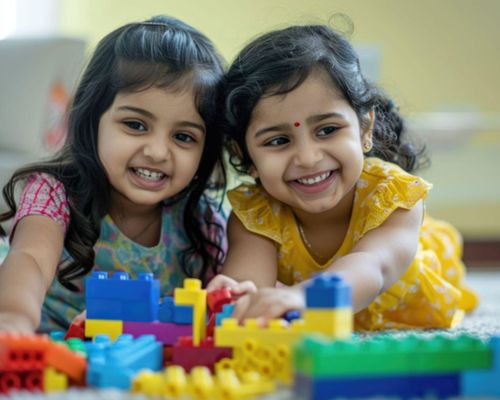

Children learn best when they play, participate, and interact with others. That’s why activity group games are incredibly powerful tools for building communication, teamwork, and confidence. These games encourage kids to think creatively, collaborate effortlessly, and express themselves in a social setting, skills that carry over into academic and real-life situations.
Whether in a classroom, playground, or online setting, group activities create safe spaces where children feel motivated and joyful while learning. This guide explores fun, developmental, and easy-to-conduct games for all age groups, along with practical examples and PlanetSpark’s expert approach to nurturing confident young personalities.
Why Activity Group Games Matter for Child Development?
Using activity group games in a child’s daily routine is more than just fun; it’s a purposeful way to build essential life skills. Children naturally learn through movement, play, imitation, and collaboration. When placed in group-based environments, they observe how others speak, participate, and solve problems. This social learning ecosystem enhances communication, emotional intelligence, and decision-making.
Many educators and psychologists highlight that group play helps children develop self-awareness and empathy. Kids learn to take turns, listen actively, negotiate, express opinions respectfully, and adapt to different personalities. Within these interactions, confidence blossoms, not from forced participation, but from consistent, enjoyable engagement.
Parents often seek structured group activities for their students, but the real benefit comes when these activities are meaningful. Effective games stimulate mental agility, boost memory, and encourage verbal expression. They also reduce hesitation in shy children, who may be reluctant to speak in class. With repeated participation, children slowly learn to trust their abilities.
Different types of game for group activities also cater to various learning goals. Some build leadership, some improve coordination, and others encourage collaboration. Whether indoor brainstorming games or outdoor movement-based activities, each contributes to personal growth.
Introducing group gaming early also prepares children for future teamwork, academic projects, competitions, sports, or professional environments. Children who frequently participate in group games become better speakers, listeners, and problem solvers. They develop a versatile mindset where challenges become opportunities to think creatively.
Want your child to develop confidence through fun group games? Explore PlanetSpark!
The real beauty of activity group games is that they never feel like “work.” Children enjoy the experience, making it easier for teachers and parents to reinforce positive behaviour and growth. As you explore the upcoming games and examples, you’ll see how play transforms into powerful personality development.
What Are the Types of Activity Group Games for Children?
Children thrive when they engage in diverse group games that stimulate communication, physical activity, creativity, emotional growth, and teamwork. Each game type plays a different role in building personality, social skills, and confidence. From indoor classroom challenges to energetic outdoor sessions, these activities create meaningful learning experiences disguised as fun.
1. Communication-Based Games
Communication games help children articulate ideas clearly, listen actively, and express themselves confidently. A simple example inspired by group games outdoor activities is “Story Relay,” where every child contributes a line to a shared story. These games build vocabulary, improve sentence formation, and teach children to respond thoughtfully to peers.
2. Movement & Coordination Games
High-energy games are ideal for kinesthetic learners who understand best through movement. Activities like obstacle tag, relay races, and shadow-following develop motor control, reflexes, and body coordination. A favourite from youth group games outdoor activities is “Follow the Rhythm,” where children mirror each other’s movements, promoting balance, rhythm, and physical awareness.
3. Cognitive Skill Games
Brain-boosting games stimulate memory, reasoning, and logical thinking. Teachers can create puzzle hunts, sequencing challenges, or riddles that require teamwork and concentration. When using group activity games, children practice problem-solving in fun, low-pressure settings, strengthening cognitive flexibility and the ability to think independently or collaboratively.
4. Indoor Classroom Games
Indoor games are perfect for structured learning environments and require minimal materials. Activities like “Pass the Topic,” “Mirror Actions,” and “Silent Line-Up” promote discipline, focus, and teamwork. Most preschool group activities and games use simple rules to help young children follow directions while staying engaged and socially active.
5. Social & Emotional Learning Games
SEL-based games teach children how to understand feelings, resolve conflicts, and develop empathy. Using group games and activities, teachers can design role-play scenarios where children express gratitude, practise calming strategies, or work through imaginary disagreements. These games prepare children for real-world communication and emotional self-regulation.
6. High-Energy Outdoor Games
Outdoor play encourages exploration, movement, and independence. Games like “Treasure Dash” or “Catch the Leader,” often used in active youth group games, improve stamina, agility, and confidence. These activities help children bond socially while experiencing the joy of open-space teamwork and friendly competition.
7. Team-Building Games
Team-building challenges strengthen cooperation, leadership, and decision-making skills. Games such as “Tower Challenge,” “Bridge Builders,” and “Human Shapes,” inspired by active group games for youth, require children to work together, plan strategies, divide responsibilities, and achieve a shared goal, key skills for academic and personal success.
Help your child shine in teamwork, communication, and personality development—Book a free trial.
Simple Ways to Use Group Games in Daily Learning
Parents and teachers don’t need special setups or materials to make learning fun. By integrating activity group games into everyday routines, children naturally develop communication, teamwork, emotional awareness, and confidence. These examples show how regular interactions can double as powerful learning moments that support holistic development.
1. Circle Story Challenge
Have children sit in a circle and craft a story together, adding one sentence at a time. This strengthens imagination, listening skills, and verbal expression. Kids learn how to build on others’ ideas, stay attentive, and contribute creatively in a shared storytelling environment.
2. Outdoor Clue Hunt
Create a simple treasure trail by hiding clues around the yard or playground. Children must collaborate, decode hints, and move as a team. These group activity games improve problem-solving, memory, and strategic thinking while teaching the importance of teamwork and communication in outdoor settings.
3. Emotion Charades
In this expressive game, children act out feelings like joy, anger, or surprise while others identify them. It enhances emotional intelligence, empathy, and awareness of nonverbal cues, which are essential elements for building strong social skills and understanding peer behaviour.
4. Mirror Movement Game
Pair children and let one lead while the other mirrors every movement. This engaging activity boosts concentration, observation, body awareness, and coordination. It also teaches patience and helps children understand the importance of synchronising with others.
5. Classroom Topic Toss
A soft ball is passed around, and each child speaks on the assigned topic for ten seconds. This builds spontaneity, quick thinking, articulation, and speaking confidence, ideal for classroom warm-ups and group participation.
How PlanetSpark Builds Strong Personalities Through Group Activities?
PlanetSpark’s Personality Development Program blends structured group activities with modern communication and SEL frameworks to help children grow into confident, expressive, and emotionally balanced individuals. By integrating engaging, collaborative games with expert-led coaching, children learn essential life skills that prepare them for academic success and real-world interactions.
1. Holistic Skill Building
PlanetSpark uses teamwork challenges, group discussions, and collaborative problem-solving tasks to build confidence, leadership, and emotional intelligence. These structured experiences teach children how to express themselves, listen respectfully, and work effectively with peers, skills that shape strong, socially aware personalities.
2. Social-Emotional Learning (SEL) Framework
Aligned with research-backed SEL methods, PlanetSpark helps children develop empathy, resilience, and self-awareness. Through guided reflections, emotion-based activities, and interactive scenarios, children learn to understand feelings, manage behaviour, and build healthier social connections—crucial for personality development.
3. Practical, Activity-Led Learning
Children engage in mock introductions, role-plays, group debates, and real-life collaborative challenges. These activities mirror activity group games, making learning hands-on and enjoyable. The approach ensures kids practise communication and teamwork in safe, dynamic environments that boost confidence naturally.
4. Leadership & Presentation Development
Kids gain opportunities to lead groups, present ideas, and participate actively in discussions. These experiences build public speaking skills, assertiveness, and decision-making abilities, preparing them for competitions, classroom interactions, and early leadership roles.
5. Personalized Feedback & Growth Tracking
PlanetSpark coaches offer individualised, constructive feedback to help children improve articulation, behaviour, participation, and confidence. Progress tracking allows children to recognise growth areas and build motivation, ensuring continuous development in personality and social skills.
Give your child the gift of confidence and leadership with PlanetSpark’s 1:1 sessions!
Conclusion
Activity group games offer children a joyful and meaningful way to build communication, teamwork, leadership, and creativity. When used intentionally, these games shape confident personalities and prepare kids for academic and real-world challenges.
With structured guidance from PlanetSpark’s personality development program, children learn to express themselves boldly, collaborate effectively, and grow into well-rounded individuals ready for tomorrow’s opportunities.
Frequently Asked Questions
The best activities for students are those that encourage teamwork, communication, and creativity like scavenger hunts, story-building circles, relay challenges, and role-play tasks. These games help children interact confidently, think quickly, and collaborate effectively in classroom or outdoor environments.
Group games support emotional, social, and cognitive development by teaching children how to cooperate, share ideas, handle conflicts, and think strategically. They also build confidence, improve communication, and help kids become more adaptable in group settings, both academically and socially.
Simple group games include “Pass the Topic,” “Freeze Dance,” or “Follow the Leader,” which require minimal materials and preparation. These quick activities easily engage children, improve focus, and encourage participation, making them ideal for classrooms, small groups, or home learning.
Outdoor-friendly group games like relay races, treasure hunts, tag variations, or team-building challenges work best. They allow children to move freely, practise coordination, collaborate with peers, and build confidence while enjoying the energising environment of open spaces.
Choose simple, instruction-based games for younger children, while older kids benefit from strategy, teamwork, and problem-solving activities. Always consider attention span, safety, group size, and learning goals to ensure the game matches children's developmental abilities and engagement levels.