
AI for Branding: How to Build a Strong Brand Using AI
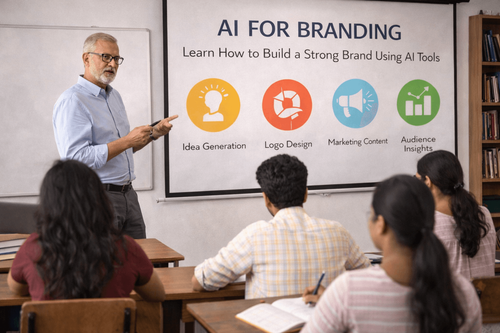

Table of Contents
- The Rise of AI for Branding in Modern Marketing
- How AI Helps Build a Strong Brand Identity
- Key AI Tools Used in Branding
- AI Personalisation and Brand Experience
- AI and Brand Reputation Management
- AI for Brand Storytelling
- Challenges of Using AI for Branding
- The Future of AI for Branding
- Why Strong Communication Skills Are Essential for Branding P
- Build Powerful Communication Skills with PlanetSpark
- How AI for Branding is Shaping the Future of Brand Building
Artificial Intelligence is transforming how brands are created, positioned, and scaled in today’s digital economy. Businesses, professionals, and entrepreneurs now rely on AI for branding to automate insights, analyse consumer behaviour, personalise messaging, and maintain consistent brand identity across platforms.
This blog explores how AI tools help build strong brands, the strategies professionals can implement, and the technologies reshaping brand management today.
The Rise of AI for Branding in Modern Marketing
Brand building once relied heavily on manual research, creative brainstorming, and long campaign cycles. AI has changed this dramatically by enabling faster insights and smarter decision-making.
AI tools allow brands to:
• Analyse large volumes of customer data
• Predict market trends and consumer behaviour
• Generate personalised marketing content
• Maintain consistent brand voice across channels
• Automise brand monitoring and reputation tracking
Professionals across industries are adopting AI because it allows them to make data-driven branding decisions rather than relying only on intuition...

Why AI Matters in Brand Strategy
AI provides deeper intelligence into audience behaviour.
Key advantages include:
• Faster data analysis
• Personalised brand experiences
• Automated brand monitoring
• Predictive marketing insights
• Scalable content generation
For professionals and entrepreneurs, this means stronger brand positioning and faster growth.
How AI Helps Build a Strong Brand Identity
A brand identity includes visuals, tone of voice, messaging style, and emotional positioning. AI tools help maintain consistency and improve the creative process.
AI-Powered Brand Research
Before building a brand, understanding the audience is critical. AI tools analyse behavioural data from multiple platforms.
They provide insights such as:
• Audience demographics
• Buying patterns
• Sentiment analysis
• Customer expectations
This helps businesses create customer-centric brand strategies.
AI in Brand Messaging and Positioning
AI helps brands craft messaging that resonates with target audiences.
For example:
• AI copywriting tools generate taglines and slogans
• Natural language processing analyses brand tone
• Content optimisation tools suggest improvements
This ensures communication stays aligned with brand values.
AI-Driven Visual Branding
Visual identity is essential for brand recognition.
AI tools help create:
• Logo design suggestions
• Brand colour palettes
• Social media creatives
• Marketing visuals
These tools accelerate design workflows and ensure brand consistency.
Key AI Tools Used in Branding
Professionals use various AI-powered platforms to strengthen brand presence.
AI Content Creation Tools
Content is the backbone of branding.
Popular tools help generate:
• Blog content
• Social media captions
• product descriptions
• advertising copy
Benefits include:
• faster content production
• consistent tone of voice
• data-backed messaging
AI Social Media Branding Tools
AI also optimises social media branding strategies.
These tools help with:
• scheduling posts
• analysing engagement
• predicting trending topics
• identifying audience interests
Brands can maintain consistent digital visibility through automated workflows.
AI for Customer Sentiment Analysis
Understanding how customers perceive a brand is crucial.
AI sentiment tools analyse:
• social media comments
• product reviews
• feedback messages
They categorise opinions as positive, negative, or neutral, allowing businesses to respond quickly.
AI Personalisation and Brand Experience
Modern branding focuses heavily on personalised experiences.
AI enables brands to deliver customised messaging to different audience segments.
Personalised Marketing Campaigns
AI algorithms track user behaviour and suggest personalised offers.
Examples include:
• tailored product recommendations
• customised email campaigns
• dynamic website content
This improves engagement and strengthens brand relationships.
Predictive Branding Strategies
AI predicts customer needs before they even search for products.
Predictive insights help brands:
• forecast demand
• design future campaigns
• launch relevant products
This proactive branding approach improves customer loyalty.
AI and Brand Reputation Management
Brand reputation can change rapidly in the digital world.
AI helps companies monitor online conversations in real time.
AI Brand Monitoring Tools
These tools track mentions across:
• social media platforms
• blogs
• forums
• news websites
Benefits include:
• quick response to negative feedback
• reputation protection
• better customer relationship management
Crisis Detection Using AI
AI can detect potential reputation risks early.
For example:
• sudden spikes in negative comments
• viral complaints
• trending brand controversies
Early alerts allow brands to respond before issues escalate.
AI for Brand Storytelling
Strong brands tell compelling stories that emotionally connect with audiences.
AI assists in storytelling by analysing successful narratives and audience reactions.
AI-Driven Content Insights
AI tools identify content themes that perform best.
They analyse:
• engagement metrics
• storytelling patterns
• audience responses
This helps brands create content that resonates deeply.
AI Assisted Creative Ideation
AI tools can suggest creative ideas for campaigns, themes, and messaging.
Professionals can use them to generate:
• campaign concepts
• storytelling frameworks
• brand narratives
This accelerates creative brainstorming.
Challenges of Using AI for Branding
Although AI offers powerful advantages, it also comes with limitations.
Over Automation Risk
Too much automation may make branding feel impersonal.
Brands must balance AI efficiency with human creativity.
Ethical Considerations
AI-driven branding must consider:
• data privacy
• responsible AI use
• transparent messaging
Maintaining Authenticity
Brands built solely with AI tools may lose their unique voice.
Human insight remains essential to maintain authenticity.
The Future of AI for Branding
AI will continue to redefine branding strategies over the next decade.
Emerging trends include:
• AI-generated brand identities
• hyper-personalised customer experiences
• real-time adaptive branding
• voice-based brand interactions
Businesses that integrate AI early will have a competitive advantage.
Professionals who understand both technology and communication will lead future brand strategies.
Why Strong Communication Skills Are Essential for Branding Professionals
Technology can generate insights, but communicating brand value still requires strong human skills.
Brand leaders must:
• present ideas clearly
• pitch strategies confidently
• influence stakeholders
• tell compelling brand stories
Strong communication abilities turn AI insights into impactful brand strategies.

Build Powerful Communication Skills with PlanetSpark
PlanetSpark offers a comprehensive Communication Skills Course designed for adults and working professionals who want to communicate ideas confidently in professional and leadership environments.
The program focuses on developing real-world speaking and communication abilities through personalised mentorship and AI-supported learning.
One of the biggest strengths of PlanetSpark is its 1:1 personal trainers. Every learner works directly with a certified communication expert who understands their speaking style, professional needs, and improvement areas. This personalised approach ensures targeted learning and faster improvement.
PlanetSpark also builds a personalised learning roadmap after assessing a learner’s current communication abilities. The roadmap identifies gaps in fluency, vocabulary, clarity, storytelling, and structured thinking so learners progress systematically.
Technology also plays a major role through SparkX AI video analysis. Learners upload speech recordings that are analysed for voice clarity, confidence, grammar, and presentation skills. The detailed feedback report highlights strengths and improvement areas.
Learners also practise with AI-led speaking sessions, simulated conversations, and storytelling exercises that help reinforce learning outside live sessions.
Additional tools like Spark Diary help develop consistent writing habits, while gamified learning modules make vocabulary, grammar, and articulation practice engaging.
Regular progress reports and parent-teacher style performance discussions ensure learners clearly understand their improvement journey.
The program also includes learning clubs, public speaking showcases, and a safe content sharing platform called Sparkline, where learners practise real-world communication and build confidence.
These structured learning experiences help professionals become confident communicators who can present ideas, lead discussions, and express brand strategies effectively.
How AI for Branding is Shaping the Future of Brand Building
AI for branding is transforming how businesses understand audiences, create messaging, and deliver personalised experiences. From predictive analytics to automated content creation, AI tools help brands build stronger identities and scale faster in competitive markets.
However, successful branding still depends on human creativity, strategic thinking, and strong communication. AI provides insights and automation, but professionals must interpret these insights, communicate strategies clearly, and build meaningful relationships with audiences.
The future of branding will belong to professionals who combine AI-driven intelligence with persuasive communication and storytelling skills.
By learning how to use AI tools effectively and strengthening communication abilities, individuals and businesses can build brands that are not only visible but also memorable and influential.
You can also read:
Frequently Asked Questions
AI for branding refers to the use of artificial intelligence technologies to build, manage, and optimise brand identity, messaging, and customer experiences. AI tools analyse consumer data, generate marketing content, personalise campaigns, and monitor brand reputation across digital platforms.
Businesses use AI to gain deeper insights into customer behaviour, identify market trends, and create consistent branding strategies. AI also helps brands respond quickly to feedback, improving customer relationships and trust.
AI tools help businesses build strong brands by automating research, analysing audience behaviour, and optimising communication strategies.
They assist with:
• content creation and messaging
• customer sentiment analysis
• brand monitoring
• campaign optimisation
• personalised marketing
By using data-driven insights, businesses can develop brand strategies that resonate with target audiences and improve brand recognition.
AI cannot fully replace human creativity. While AI tools can generate content ideas, analyse performance metrics, and automate repetitive tasks, the emotional and strategic aspects of branding still require human insight.
Creative storytelling, emotional connection, cultural understanding, and brand authenticity depend heavily on human creativity and communication skills.
Some widely used AI tools for branding include:
• AI content generation platforms
• AI logo and design tools
• social media analytics tools
• customer sentiment analysis tools
• predictive marketing platforms
These tools help professionals create consistent branding strategies, analyse performance, and improve audience engagement.
Even with advanced AI tools, branding professionals must communicate strategies clearly to teams, clients, and audiences.
Effective communication helps professionals:
• present brand ideas persuasively
• lead marketing teams
• deliver impactful brand stories
• influence business decisions
Programs like PlanetSpark’s Communication Skills Course help professionals strengthen public speaking, storytelling, and strategic communication abilities so they can translate AI insights into powerful brand strategies.