
Improve Calm Communication Skills with PlanetSpark


Table of Contents
- Why Calm Communication Skills Matter for Students in School
- Why Students Lose Control While Speaking and How to Fix It
- Daily Habits That Build Peaceful Talking Habits Children Nee
- How to Speak Calmly When Upset Kids Feel Angry or Hurt
- Anger Control Communication Children Need in Modern Life
- Emotional Speaking Skills From PlanetSpark Kids Need for Con
- How PlanetSpark Communication Skills Classes Help Students
- PlanetSpark Vs Unstructured Learning for Calm Communication
- Calm Communication Today Creates Strong Leaders Tomorrow
Does your child speak in anger, shut down during conflict, or struggle to explain feelings calmly? Many students know what they want to say, but emotions often take control before words come out clearly. This can lead to arguments, low confidence, misunderstandings, and hesitation in school or social situations.
Learning calm communication skills helps students stay composed, speak respectfully, and handle challenges with maturity. It is one of the most important life skills for academic success, friendships, leadership, and emotional growth.
In this blog, you will learn practical ways to build calm speaking habits, how students can manage emotions while talking, expert-backed techniques, and how PlanetSpark communication skills classes help children become confident communicators through structured coaching.
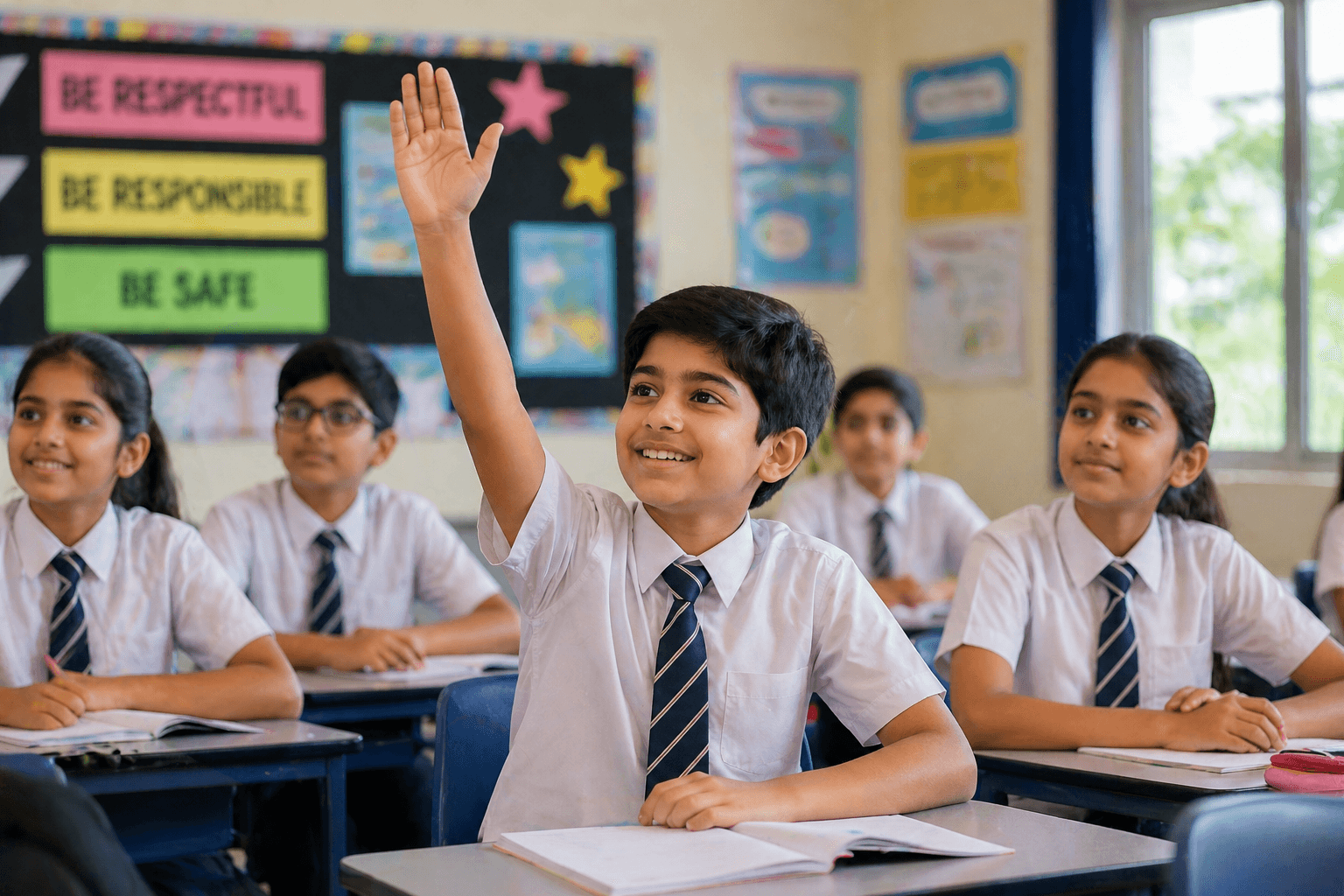
Why Calm Communication Skills Matter for Students in School and Life
Students communicate constantly every day. They answer teachers, talk to classmates, solve group project issues, make friends, participate in presentations, and interact with family members. Without calm communication habits, small misunderstandings can quickly become conflict.
When students develop calm communication skills, they learn how to speak thoughtfully instead of reacting emotionally. This allows them to solve problems faster and earn respect from others.
Key Benefits for Students
- Better friendships and healthier peer relationships – Students learn to communicate respectfully, solve misunderstandings, and build stronger bonds with classmates and friends.
- Stronger classroom participation – Calm communicators feel more confident asking questions, sharing ideas, and joining discussions in class.
- Less shouting, arguing, or emotional outbursts – Students handle frustration better and respond thoughtfully instead of reacting impulsively.
- Higher confidence during speeches and presentations – Clear and calm speaking helps students feel prepared and self-assured on stage or in front of peers.
- Improved listening and teamwork – Students become better at understanding others, collaborating smoothly, and working in groups effectively.
- Better emotional intelligence – They learn to recognize feelings, manage emotions, and respond with empathy in different situations.
- Stronger leadership qualities – Calm communication builds trust, decision-making ability, and confidence needed to lead others successfully.
Students who communicate calmly often perform better in interviews, debates, competitions, and collaborative learning settings.
Real-Life Example
A student who says, “I feel upset because I was interrupted,” communicates more effectively than one who shouts, “You never let me speak!”
That one habit can transform relationships.
Why Parents Should Prioritize This Skill
Parents often focus on grades, but communication determines how students use their intelligence in the real world. Calm speakers tend to become better leaders, stronger problem-solvers, and more confident learners.
Is your child struggling to express feelings calmly?
Book a PlanetSpark trial class today before limited slots fill this week.
Why Students Lose Control While Speaking and How to Fix It
Many children are not rude or disrespectful when they react strongly. Often, they simply do not yet have emotional regulation tools.
Common Causes of Emotional Reactions
1. Frustration
When children feel unheard, ignored, or misunderstood, they may react by shouting or becoming upset. They often struggle to explain their needs clearly in the moment. This frustration can quickly turn into emotional outbursts.
2. Limited Emotional Vocabulary
Many students know basic words like “angry” or “sad” but cannot describe deeper feelings such as disappointment, embarrassment, jealousy, or anxiety. Without the right words, they may express emotions through behavior instead of speech. Building emotional vocabulary helps children communicate better.
3. Fear of Judgment
Some children fear communication about being laughed at, criticized, or corrected when they speak. This fear can make them defensive, silent, or overly emotional during conversations. Supportive guidance helps them feel safer expressing themselves.
4. Stress and Overstimulation
Academic pressure, too much screen time, tiredness, and busy schedules can overwhelm children emotionally. When stress builds up, it becomes harder for them to stay calm and communicate thoughtfully. Rest and balance are important for emotional control.
5. Poor Communication Models
Children often copy what they see around them. If they regularly witness shouting, rude language, or unhealthy conflict, they may repeat the same habits. Positive role models teach children how to communicate calmly and respectfully.
How to Fix It
- Teach pause-and-think habits – Encourage children to take a short pause before speaking when they feel upset. This helps them respond thoughtfully instead of reacting impulsively.
- Build emotional vocabulary – Teach words like frustrated, nervous, disappointed, and excited so children can express feelings clearly. Better vocabulary reduces emotional outbursts.
- Practice calm roleplay scenarios – Use everyday situations to practice respectful responses, problem-solving, and calm speaking. Roleplay builds confidence for real-life conversations.
- Reward respectful responses – Praise children when they use polite words, listen patiently, or stay calm during conflict. Positive reinforcement encourages good habits.
- Model calm conversations at home – Children learn by watching adults. Speaking respectfully and handling disagreements calmly at home teaches them to do the same.
What Research Suggests
Experts consistently recommend emotional labeling, active listening, and slow speech patterns to improve regulation and reduce conflict. These methods are widely used in child development and communication coaching.
Does your child get angry before explaining the problem?
Book a PlanetSpark demo class now and start guided calm speaking practice.
Daily Habits That Build Peaceful Talking Habits Children Need
Communication improves through repetition. Small daily habits create lasting change.
1. Pause Before Replying
Teach students to pause for 3 seconds before responding when upset.
2. Use a Soft but Clear Voice
Volume does not create power. Calm tone creates influence.
3. Listen Fully Without Interrupting
Students should hear complete sentences before replying.
4. Think in This Order
- Is it true?
- Is it helpful?
- Is it respectful?
5. Replace Blame with Feelings
Instead of:
“You are so annoying.”
Use:
“I feel frustrated when I get interrupted.”
6. Practice Gratitude Conversations
Ask students daily:
- What went well today?
- Who helped you today?
- What made you proud?
Positive speaking habits strengthen emotional balance.
7. Use Open Body Language
Relaxed shoulders, eye contact, and calm posture support peaceful communication.
These peaceful talking habits children build now often remain valuable for life.
How to Speak Calmly When Upset Kids Feel Angry or Hurt
One of the most searched parenting questions is how to help children speak calmly when upset kids feel overwhelmed. The answer is structure.
Use the RESET Method
R – Recognize the Feeling
“I feel angry.”
E – Exhale Slowly
Take two deep breaths.
S – Say the Problem Clearly
“I did not like being laughed at.”
E – Explore Solutions
“What can we do now?”
T – Try Again Respectfully
Repeat calmly if needed.
What Parents Should Say
- I can see you are upset
- I am here to help
- Let us solve this together
- Use your calm voice so I can understand
What Parents Should Avoid
- Stop crying now
- You are overreacting
- Be quiet immediately
- Long lectures during meltdowns
Why This Works
Children cannot process complex logic during emotional overload. First regulate emotions, then teach lessons.
Want your child to stay calm under pressure? Trial bookings are open now. Reserve your PlanetSpark session today.
Anger Control Communication Children Need in Modern Life
Anger is natural. Aggressive communication is not. Students need tools to turn anger into assertiveness.
Smart Anger Control Communication Children Can Learn
Count and Breathe
Count to ten while breathing deeply.
Move the Body
Walk, stretch, or shake tension out.
Use “I Feel” Statements
- I feel ignored
- I feel disappointed
- I feel frustrated
Ask for a Solution
- Can we fix this?
- Can I explain my side?
- Can we try again?
Journal Before Speaking
Some students process feelings better through writing.
Difference Between Assertive Vs Aggressive Speech
Children who learn assertiveness become stronger communicators without becoming rude.
Emotional Speaking Skills From PlanetSpark Kids Need for Confidence
Speaking skills are not only about grammar or fluency. Emotional expression matters too. Strong emotional speaking skills kids need include naming feelings, reading social cues, and expressing needs respectfully.
Core Emotional Speaking Skills
1. Naming Emotions Precisely
Instead of just angry, teach:
- frustrated
- nervous
- embarrassed
- disappointed
- excited
2. Reading Others
Notice tone, expressions, and body language.
3. Asking Clarifying Questions
- Did I understand correctly?
- Can you explain more?
- How did that make you feel?
4. Recovering from Mistakes
Children should learn to say:
- Sorry, let me say that better
- I did not mean it that way
5. Presentation Calmness
Students who regulate emotions speak better on stage, in interviews, and in competitions.
Fun Activities
- Emotion cards
- Story discussion
- Role play
- Mirror speaking practice
- Debate with respectful rebuttals
These skills create future-ready students.
How PlanetSpark Communication Skills Classes Help Students
PlanetSpark is known for live online learning focused on communication, public speaking, confidence building, spoken English, and personality development for children. Their programs are designed to help students become confident speakers through guided practice and personalized mentoring.
How PlanetSpark Helps With Calm Communication Skills
Students often struggle because they know the answer but cannot express it clearly under pressure. PlanetSpark addresses this through structured speaking practice.
What Students Learn
- Public speaking confidence
- Emotional expression through speech
- Debate and conversation etiquette
- Storytelling with clarity
- Vocabulary for better self-expression
- Listening and response skills
- Tone, pace, and voice modulation
Format and Learning Experience
- Live 1:1 and small group online sessions
- Personalized feedback from trained educators
- Practice-based curriculum
- Regular speaking tasks and assessments
- Progress tracking for parents
Why Structured Coaching Works Better Than Random Practice
Children improve faster when guided by experts who correct habits early and build confidence gradually.
Best For Students Who:
- Get nervous while speaking
- Speak harshly during conflict
- Lack confidence in class
- Need better articulation
- Want leadership and stage confidence

PlanetSpark Vs Unstructured Learning for Calm Communication Skills
Why This Matters
Children need repetition, correction, and encouragement. That is where professional coaching creates faster results.
Calm Communication Today Creates Strong Leaders Tomorrow
Every confident student first learns how to manage emotions and express thoughts with clarity. Calm communication skills help children handle conflict, perform better in school, build stronger friendships, and grow into future leaders.
With daily habits, consistent support, and expert guidance, any student can transform from reactive speaker to thoughtful communicator.
The best time to build this skill is now.
Also Read: Resources to Improve Communication Skills –Guide for All Ages
22 Ways on How to Improve Communication Skills: Tips for All Ages
Frequently Asked Questions
Calm communication skills are the ability to express thoughts clearly and respectfully without shouting, panicking, or reacting emotionally.
Students need them for school participation, friendships, teamwork, leadership, and emotional maturity.
Yes. With guided practice, emotional vocabulary building, and response techniques, children can improve significantly.
PlanetSpark uses personalized live coaching, confidence frameworks, and safe speaking practice to help shy children open up gradually.
No. PlanetSpark also supports communication confidence, storytelling, vocabulary, conversation skills, and personality development.
Many parents notice early confidence improvements within a few weeks of regular practice.
Yes. PlanetSpark offers live online sessions for convenience and flexibility.
Absolutely. Students practice clarity, tone, confidence, and emotional control for real presentations.