
Cognitive Bias in Children: Types, Examples and Impact
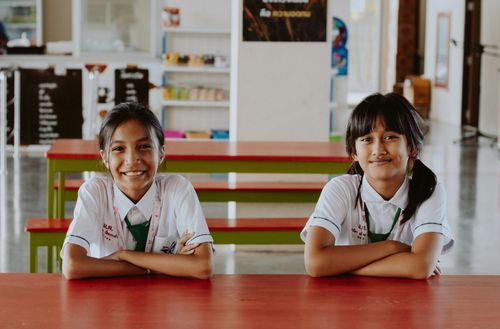

Table of Contents
- What Is Cognitive Bias in Children and Why It Matters
- Types of Cognitive Bias in Children
- Real-Life Examples of Cognitive Bias in Children
- Impact of Cognitive Bias on Child Development
- How to Help Children Overcome Cognitive Bias
- Activities That Help Reduce Cognitive Bias
- PlanetSpark Communication Skills Classes
- Build Clear Thinkers for a Strong Future
Children often make quick judgments without realizing how their thinking is influenced. Cognitive bias in children shapes how they interpret situations, make decisions, and respond emotionally. Many parents notice their child jumping to conclusions or assuming outcomes without full understanding.
This blog explains the cognitive bias meaning in simple terms, explores a list of cognitive biases, and highlights real-life examples. You will also learn how these biases impact learning, communication, and behavior. Most importantly, you will discover practical ways to help children develop clearer thinking and better decision-making skills.
What Is Cognitive Bias in Children and Why It Matters
Cognitive bias in children refers to mental shortcuts that influence how they process information and make decisions. These shortcuts help simplify complex situations, but they can also lead to inaccurate conclusions.
The cognitive bias meaning becomes clearer when we observe how children form opinions. Instead of analyzing all available information, they often rely on emotions, past experiences, or first impressions. For example, a child who once struggled with a subject may believe they will always struggle, even when they are improving.
These patterns are not harmful by default. They are part of natural cognitive development. However, if these biases are not addressed, they can affect a child’s confidence, learning ability, and relationships.
Why cognitive bias develops in children
Children’s brains are still developing, especially in areas responsible for reasoning and decision-making. As a result, they depend more on intuitive thinking rather than logical analysis.
- They rely on past experiences to make quick judgments
- They prefer familiar ideas over new ones
- They struggle to evaluate multiple perspectives at once
In addition, children often interpret situations based on emotions rather than logic. If they feel embarrassed or discouraged once, they may associate that emotion with similar situations in the future. This emotional association strengthens bias and makes it harder to think objectively.
Why it is important to address cognitive bias early
Addressing bias early helps children become more thoughtful and confident.
- It improves problem-solving abilities
- It encourages open-minded thinking
- It reduces fear of failure
- It builds stronger communication skills
When children are guided to reflect on their thoughts, they begin to understand that not every assumption is correct. Over time, this awareness helps them become more flexible thinkers who can adapt to new situations.
Types of Cognitive Bias in Children
Understanding different types of bias helps parents and educators identify patterns in children’s thinking. This list of cognitive biases highlights the most common ones seen in children.
Confirmation bias
Children tend to focus only on information that supports what they already believe.
For example, if a child thinks they are not good at drawing, they will notice every imperfect sketch and ignore improvements. This strengthens negative beliefs even when they are not accurate.
Over time, confirmation bias can limit growth because children stop exploring new possibilities. They may avoid trying new activities simply because they expect failure.

Anchoring bias
Anchoring bias occurs when children rely heavily on the first piece of information they receive.
If a task is introduced as difficult, the child may approach it with fear or hesitation, even if it is manageable. The first impression becomes their reference point for all future judgments.
This can also affect academic performance. If a child is labeled as weak in a subject early on, they may carry that belief forward even when they improve.
Availability bias
Children often judge situations based on recent or memorable experiences.
For instance, if a child recently faced criticism, they may believe that others will always judge them. This affects their confidence and willingness to participate.
This bias is especially strong in emotional situations where memories are vivid and impactful.
Overgeneralization bias
Children sometimes draw broad conclusions from a single event.
A single failure can lead them to believe they are incapable. This mindset prevents them from trying again and limits learning opportunities.
Social bias
Children may develop opinions based on what others say or do.
They may follow peer opinions without questioning them. This affects independent thinking and decision-making.
Real-Life Examples of Cognitive Bias in Children
Cognitive biases become more visible in everyday situations. Recognizing these examples helps parents understand how children interpret the world.
In academic settings
A child who performs poorly in one test may believe they are not intelligent. This belief can reduce motivation and participation in class.
Over time, this mindset may cause the child to avoid challenging subjects entirely. Instead of viewing mistakes as opportunities to learn, they begin to associate effort with failure. This reduces academic confidence and limits improvement.
In friendships
If a friend does not respond positively once, the child may assume the friendship is over. This reflects emotional interpretation rather than logical reasoning.
Children may also begin to withdraw from social interactions, fearing rejection. This makes it difficult for them to build strong and lasting relationships.
In competitions
Losing a game may lead to the belief that they lack ability, even when they have potential. This discourages effort and persistence.
Children who develop this bias often stop participating in activities they once enjoyed. They may compare themselves with others and feel discouraged instead of focusing on improvement.
In decision-making
Children often choose familiar options instead of better ones because they feel safe with what they know. This limits exploration and growth.
This behavior can prevent them from trying new activities, meeting new people, or learning new skills. As a result, their overall development may become restricted.
In communication
A child may assume someone is upset based on tone or expression without confirming it. This can lead to misunderstandings and unnecessary conflict.
Helping children verify assumptions before reacting can significantly improve their communication skills and relationships.
Build your child’s confidence through communication skills
Start engaging learning sessions with Planetspark today
Enroll for a free trial
Impact of Cognitive Bias on Child Development
Cognitive bias in children influences multiple aspects of development. While it is a natural part of growth, its effects can be significant if not addressed.
Impact on learning and academics
Biases can limit curiosity and willingness to try new things.
Children may avoid subjects they find difficult because they assume failure. This reduces learning opportunities and academic progress.
Over time, this avoidance can create learning gaps that become harder to bridge. Children may lose interest in subjects that require consistent effort.
Impact on emotional development
Biases often lead to exaggerated emotional responses.
Children may feel anxious, frustrated, or discouraged based on incorrect assumptions. This affects emotional stability and resilience.
If these emotions are not addressed, children may develop fear-based thinking patterns that influence future decisions.
Impact on communication skills
Misinterpretation of situations can lead to unclear or ineffective communication.
Children may react without understanding the full context. This creates misunderstandings in conversations.
They may also hesitate to express themselves if they believe their ideas will not be accepted.
Impact on confidence and self-esteem
Repeated negative thinking patterns reduce confidence.
Children may hesitate to participate, share ideas, or take initiative. This affects overall personality development.
Impact on social relationships
Biases can create conflicts in friendships.
Children may misunderstand others’ intentions or react impulsively. This affects their ability to build strong relationships.
When guided properly, children can learn to question these assumptions and respond more thoughtfully in social situations.
How to Help Children Overcome Cognitive Bias
Parents and educators can actively guide children toward better thinking patterns.
Encourage critical thinking
Teach children to question their assumptions.
- Is this always true
- What evidence do I have
- Could there be another explanation
This helps them move beyond automatic thinking. Over time, children begin to pause before reacting and consider different possibilities. This small habit creates a strong foundation for logical reasoning and balanced decision-making.

Promote exposure to different perspectives
Introduce children to diverse ideas through books, discussions, and activities.
This helps them understand that there are multiple ways to view a situation. Exposure to different viewpoints also reduces rigid thinking and encourages curiosity.
Use real-life discussions
Discuss everyday experiences and explain how bias may influence thinking.
For example, if a child assumes someone is upset with them, guide them to explore other possible reasons. This makes learning practical and easier to understand.
Reinforce positive learning mindset
Encourage effort rather than results.
Children should understand that mistakes are part of learning and not a reflection of ability. This mindset helps reduce fear-driven biases.
Develop reflection habits
Ask children to reflect on their decisions.
- What went well
- What could be improved
- What can be done differently next time
Reflection helps children recognize patterns and improve thinking over time. It also builds self-awareness, which is essential for reducing cognitive bias and making thoughtful decisions.
Activities That Help Reduce Cognitive Bias
Engaging children in structured activities improves their thinking skills and reduces bias.
Storytelling and narrative building
Stories help children explore different perspectives.
They learn how characters think, make decisions, and face consequences. This improves reasoning and empathy.
Storytelling also encourages children to imagine alternative outcomes. This helps them understand that situations can have multiple possibilities.
Role-playing scenarios
Role-play allows children to experience situations from different viewpoints.
This improves emotional understanding and flexible thinking. Children begin to realize that others may think differently, which reduces rigid assumptions.
Problem-solving games
Games that require logic help children evaluate options instead of relying on assumptions.
They learn to think step by step and consider outcomes. This strengthens analytical thinking skills.
Group discussions
Encouraging children to share ideas helps them understand diverse opinions.
This reduces rigid thinking and promotes open-mindedness. It also builds confidence in expressing thoughts clearly.
Reflection exercises
Journaling or discussing daily experiences helps children analyze their thoughts.
They become more aware of their thinking patterns and learn to adjust them. Over time, this builds self-awareness and better decision-making skills.
Meet Habis — once a shy speaker, now delivering every message with clarity, confidence, and strong stage presence.

PlanetSpark Communication Skills Classes
PlanetSpark communication classes are designed to help children think clearly, express confidently, and make better decisions. These classes are ideal for children who struggle with communication, confidence, or logical thinking.
Structured learning plays a key role in reducing cognitive bias in children by encouraging clarity, reasoning, and self-expression.
Key features include:
- Live interactive classes
- Expert teachers
- Real-world communication practice
- Personalized feedback
- Confidence-building framework
- Structured curriculum aligned to child development
These sessions help children organize their thoughts, communicate effectively, and approach situations with confidence.

Build Clear Thinkers for a Strong Future
Helping children understand cognitive bias in children is an important step toward their growth. When children learn to question assumptions and explore different perspectives, they become more confident and capable individuals.
Encourage consistent practice, open discussions, and guided learning. Over time, these efforts help children develop strong thinking habits that support success in school, relationships, and life.
Frequently Asked Questions
Cognitive bias can limit curiosity and make children stick to familiar ideas. It may reduce confidence when they avoid new challenges. This can also impact problem-solving and critical thinking skills.
Yes, with proper guidance, children can learn to recognize biased thinking. Activities like questioning, reflection, and discussion help them think more clearly. Consistent practice improves their decision-making over time.
Common examples include confirmation bias, anchoring bias, and overgeneralisation. These affect how children interpret information and form opinions. Recognizing these patterns helps in correcting them.
Yes, PlanetSpark helps children develop communication, confidence, and critical thinking. Structured programs encourage clear expression and logical reasoning. Expert guidance supports overall skill development.
Yes, PlanetSpark provides a supportive environment that helps shy children gradually overcome hesitation and speak confidently.