
What Is Collaborative Learning? Examples & Activities
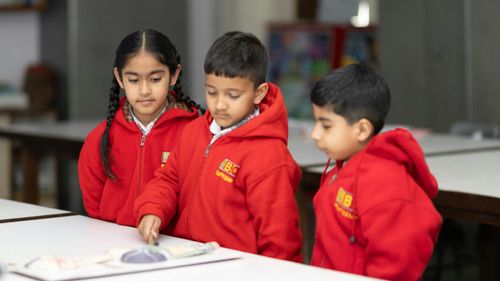

Table of Contents
- What is Collaborative Learning
- Collaborative and Cooperative Learning: Understanding the Di
- Benefits of Collaborative Learning for Kids
- Collaborative Learning Examples
- Collaborative Learning Activities for Kids
- How a Collaborative Approach Builds Real-Life Skills
- Role of Teachers in a Collaborative Approach
- Role of Parents in Encouraging Collaborative Learning
- Challenges in Collaborative Learning and How to Overcome The
- How Structured Collaborative Learning Improves Skills
- Long-Term Benefits of Collaborative Learning
- PlanetSpark Public Speaking and Communication Classes
- Build Confidence and Skills Through Collaborative Learning
Does your child hesitate to speak in groups or struggle to work with others? Collaborative learning helps children learn together, share ideas, and build confidence in communication.
In this guide, you will understand what is collaborative learning, explore collaborative learning examples, and discover engaging collaborative learning activities for kids. You will also learn how a collaborative approach improves teamwork, communication, and personality development. Let us begin by understanding the concept in depth.
What is Collaborative Learning
Collaborative learning is a teaching method where children learn by working together in small groups. Instead of studying alone, they actively engage with peers, exchange ideas, and solve problems collectively. This approach shifts learning from passive listening to active participation.
Collaborative Learning Definition
Collaborative learning refers to a process where students work together to achieve a shared learning goal. Each member contributes ideas, listens to others, and builds knowledge through interaction. It is not about competition but about cooperation and shared success.

How Collaborative Learning Works
In a collaborative learning environment, children are grouped together and given a task. This task can range from solving a problem to creating a project or discussing a topic.
For example, imagine a group working on a science topic. One child may research facts, another may explain concepts, and another may present the findings. Even though roles may not be strictly defined, each child contributes in their own way.
Through this process, children:
- Learn to express their thoughts clearly
- Understand different viewpoints
- Develop patience while listening
- Build mutual respect
Why Collaborative Learning is Important
Collaborative learning is important because it mirrors real-life situations. In school, careers, and daily life, individuals often need to work in teams.
This method also makes learning more engaging. Children feel involved and motivated when they are part of a group activity. They are more likely to retain information because they actively participate in the learning process.
Collaborative and Cooperative Learning: Understanding the Difference
Collaborative and cooperative learning are closely related, but they differ in structure and approach.
Collaborative Learning
In collaborative learning, children work together without rigid roles. The focus is on shared thinking, open discussion, and collective problem-solving. Every child has the freedom to contribute ideas and participate equally.
This method encourages creativity and independent thinking. Children are not limited by fixed roles, which allows them to explore different ways of learning.
Cooperative Learning
In cooperative learning, tasks are divided among group members. Each child is assigned a specific responsibility. For example, one child may write, another may present, and another may collect information.
This structure ensures task completion but may limit open discussion compared to collaborative learning.
Why Understanding the Difference Matters
Understanding the difference helps parents and teachers choose the right method based on learning goals.
Collaborative learning is ideal when the goal is to develop communication, creativity, and critical thinking. Cooperative learning works well when tasks need to be completed efficiently.
Both approaches are valuable, but collaborative learning provides deeper engagement and interaction.
Benefits of Collaborative Learning for Kids
Collaborative learning offers a wide range of benefits that contribute to a child’s overall development.
Improves Communication Skills
Children learn how to express their thoughts clearly and confidently. They also learn to listen actively, which is an important part of communication.
Over time, children become better at explaining ideas, asking questions, and participating in discussions.
Builds Teamwork and Social Skills
Working in groups teaches children how to cooperate, share responsibilities, and respect others’ opinions. These social skills are essential for building relationships.
Children also learn how to work with different personalities, which helps them become more adaptable.
Boosts Confidence and Self-Esteem
When children share their ideas and receive positive feedback, their confidence grows. They feel valued and encouraged to participate more.
This confidence extends beyond the classroom and helps in other areas of life.
Enhances Critical Thinking
Collaborative learning encourages children to think deeply and analyze information. Group discussions expose them to different perspectives, which enhances their thinking abilities.
Encourages Active Learning
Children are actively involved in the learning process. This makes learning more interesting and effective.
Develops Emotional Intelligence
Children learn to understand emotions, manage conflicts, and show empathy. These skills are important for personal growth.
Build your child’s communication and teamwork skills today, help them express ideas, collaborate better and grow with confidence.
Join expert-led classes.
Book a Free Trial today!
Collaborative Learning Examples
Understanding collaborative learning example scenarios helps in applying this method effectively in real-life situations.
Group Projects
Group projects are one of the most common examples of collaborative learning. Children work together to complete assignments, create models, or prepare presentations.
Through this process, they learn planning, coordination, and teamwork. They also understand how to divide responsibilities and support each other.
Peer Teaching
Peer teaching involves one child explaining a concept to others. This method benefits both the teacher and the learners.
The child who teaches gains a deeper understanding of the topic, while others receive explanations in a simple and relatable way.
Classroom Discussions
In classroom discussions, children share their thoughts and opinions on a topic. This encourages open communication and helps them develop confidence in speaking.
Problem-Solving Activities
Children work together to solve puzzles or challenges. This enhances analytical thinking and teamwork.
Role-Playing
Role-playing allows children to act out scenarios. This improves creativity, communication, and understanding of real-life situations.
These examples show how collaborative learning can be applied in different contexts to make learning more effective.
Collaborative Learning Activities for Kids
Activities play a crucial role in making collaborative learning engaging and enjoyable.
Group Story Writing
Children create a story together, with each child contributing a part. This activity improves creativity, imagination, and teamwork.
Brainstorming Sessions
Children come together to generate ideas on a topic. This encourages creative thinking and participation.
Debate Activities
Debates allow children to express their viewpoints and listen to others. This improves communication and critical thinking.
Puzzle Solving
Groups work together to solve puzzles. This enhances problem-solving skills and teamwork.
Art and Craft Projects
Children collaborate to create artwork. This encourages creativity and cooperation.
Science Experiments
Children perform experiments together. This builds curiosity and teamwork while making learning fun.
These collaborative learning activities for kids help develop essential skills in an interactive way.
How a Collaborative Approach Builds Real-Life Skills
A collaborative approach prepares children for real-life situations where teamwork and communication are essential.
Communication Skills
Children learn how to express ideas clearly and listen actively. This improves both verbal and non-verbal communication.
Leadership Skills
Some children naturally take initiative and guide others. This helps them develop leadership qualities.
Adaptability
Working with different people teaches children how to adapt to various situations and perspectives.
Conflict Resolution
Children learn how to handle disagreements and find solutions. This helps them manage conflicts effectively.
Decision-Making Skills
Group discussions require children to make decisions together. This improves their ability to evaluate options and choose the best solution.
These skills are valuable not only in school but also in future careers and personal life.
Role of Teachers in a Collaborative Approach
Teachers play a crucial role in implementing collaborative learning effectively.
Creating a Safe and Inclusive Environment
Teachers should create a classroom where every child feels comfortable sharing ideas. A safe environment encourages participation and reduces fear.
Encouraging Equal Participation
Teachers should ensure that all children are involved in activities. This helps prevent dominance by a few students.
Guiding Without Controlling
Teachers should guide discussions while allowing children to think independently. This balance is important for effective learning.
Providing Constructive Feedback
Feedback helps children understand their strengths and areas for improvement.
Role of Parents in Encouraging Collaborative Learning
Parents can support collaborative learning beyond the classroom.
Encouraging Group Activities
Parents can arrange playdates or group study sessions where children can interact and learn together.
Promoting Open Communication
Encourage children to express their thoughts and listen to others.
Teaching Respect and Empathy
Help children understand the importance of respecting others’ opinions.
Supporting Learning at Home
Provide opportunities for children to engage in collaborative tasks like games or projects.
Challenges in Collaborative Learning and How to Overcome Them
Collaborative learning can come with challenges, but they can be managed effectively.
Unequal Participation
Some children may dominate while others remain silent. Encouraging equal participation helps solve this issue.
Conflicts in Groups
Disagreements may arise. Teaching conflict resolution skills helps children handle these situations.
Lack of Focus
Children may get distracted during group activities. Keeping tasks engaging helps maintain focus.
Solutions
- Set clear expectations
- Encourage teamwork
- Provide guidance when needed
- Keep activities interactive and engaging
How Structured Collaborative Learning Improves Skills
Structured collaborative learning ensures that children gain maximum benefits from group activities.
Clear Goals and Objectives
Children understand what they need to achieve, which keeps them focused.
Better Engagement
Structured activities keep children actively involved.
Consistent Practice
Regular practice helps improve skills over time.
Expert Guidance
Guidance ensures that children learn effectively and correctly.
Long-Term Benefits of Collaborative Learning
Collaborative learning has lasting benefits that extend beyond academics.
Academic Growth
Children understand concepts better through discussion and interaction.
Social Development
They build strong relationships and develop interpersonal skills.
Confidence Building
Children become more confident in expressing their ideas.
Future Readiness
Teamwork and communication are essential skills for future success.
PlanetSpark Public Speaking and Communication Classes
Build Confidence Through Collaborative Learning
PlanetSpark Public Speaking and Communication classes are designed for kids and students who want to improve communication, confidence, and teamwork skills. These classes use collaborative learning techniques to help children express themselves effectively.
Why Choose PlanetSpark
- Live interactive classes
- Expert teachers
- Real-world communication practice
- Personalized feedback
- Confidence-building framework
- Structured curriculum aligned to kids

Build Confidence and Skills Through Collaborative Learning
Collaborative learning is a powerful approach that helps children grow academically and personally. It encourages communication, teamwork, and critical thinking.
With consistent practice, the right guidance, and structured learning through PlanetSpark, children can become confident communicators and active learners. Encourage your child to collaborate, share ideas, and learn together for a brighter future.
Frequently Asked Questions
Activities include storytelling, debates, puzzles, and group projects. These tasks encourage creativity, teamwork, and active participation. They make learning fun and engaging for kids.
Collaborative learning focuses on shared thinking and equal participation. Cooperative learning, on the other hand, divides tasks among group members. Both methods promote teamwork but differ in approach.
It improves communication, teamwork, and problem-solving skills. Students learn to listen, share ideas, and respect different perspectives. This prepares them for real-life situations.
PlanetSpark uses interactive group sessions to encourage participation. Students engage in discussions and activities that build confidence. Expert guidance helps improve communication skills.
Yes, the classes are specially designed for kids and students. They focus on building confidence, creativity, and communication. The curriculum is engaging and age-appropriate.