
How to Communicate Respectfully During Disagreements
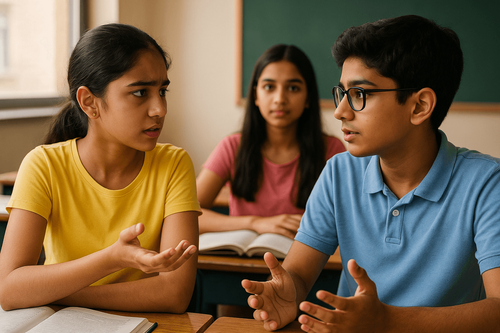

Table of Contents
- How to Communicate Respectfully During Disagreements
- Understanding the Root of Disagreement
- Choosing Words That Heal, Not Hurt
- Managing Tone and Body Language
- When to Take a Pause or Step Away
- Turning Disagreements Into Productive Conversations
- Apologizing and Repairing Communication Gaps
- Why Respect Matters More Than Being Right
- The Role of Emotional Intelligence in Handling Disagreements
- Common Mistakes People Make During Arguments
- How to Stay Calm When You Feel Attacked
- Using “Agree to Disagree” the Right Way
- The Psychology of Respectful Communication
- How to Reconnect After a Major Argument
- Respectful Communication in Professional Settings
- Teaching Children and Teens How to Handle Disagreements
- Digital Disagreements: How to Stay Respectful Online
- Cultural Sensitivity and Respectful Debates
- How Humor Can Diffuse Tension in Conflicts
- From Conflict to Collaboration: The Long-Term Benefits of Re
- The Psychology Behind Disagreements and Reactions
- The Role of Emotional Intelligence in Conflict Resolution
- How to Disagree Without Sounding Disrespectful
- Common Mistakes People Make During Arguments
- Listening: The Secret Ingredient of Respectful Dialogue
- Balancing Honesty and Tact in Conversations
- Why Choose PlanetSpark?
- Conclusion
Disagreements are an inevitable part of communication, whether at home, school, or the workplace. But how we handle them defines the strength and quality of our relationships. Communicating respectfully during disagreements doesn’t mean avoiding conflict; it means managing it with empathy, patience, and understanding.
When handled maturely, disagreements can actually bring people closer. They reveal different perspectives, encourage self-awareness, and help us grow emotionally. Respectful communication allows both sides to express their opinions without fear or hostility. It builds trust, reduces resentment, and promotes problem-solving rather than power struggles.
Learning to stay calm, listen actively, and choose words wisely during a disagreement transforms conflict into connection. Instead of arguing to win, the goal becomes understanding and that’s where genuine respect begins.
How to Communicate Respectfully During Disagreements
One of the simplest yet most effective ways to handle conflict is by listening, truly listening. When you give the other person your full attention, you signal respect, even when you disagree. Interrupting or forming counterarguments in your head often escalates tension.
Here’s how to listen better during disagreements:
Pause before responding — give space for emotions to settle.
Paraphrase what you heard to show understanding.
Use neutral affirmations like “I see your point” or “That makes sense.”
Active listening reduces defensiveness and creates an environment where both sides feel valued, turning conflict into collaboration.
Understanding the Root of Disagreement
Every disagreement begins with an emotional trigger, a difference in values, opinions, or expectations. Understanding why a conflict arises is the first step toward resolving it respectfully. Instead of reacting instantly, take a moment to identify your emotions and those of the other person. Are they feeling unheard, disrespected, or misunderstood?
Focus on intent over argument. Often, disagreements intensify because we try to prove a point rather than understand one. By looking deeper into what the other person means rather than just what they say, you’ll uncover the real issue beneath the words. This approach promotes empathy, minimizes tension, and lays the foundation for constructive dialogue.
Choosing Words That Heal, Not Hurt
Words have power, they can either calm or inflame a disagreement. Using calm, neutral, and empathetic language can prevent emotional escalation. Avoid accusatory phrases like “You always” or “You never,” which trigger defensiveness.
Instead, focus on “I” statements, such as “I feel frustrated when…” or “I’d appreciate it if…” These phrases express your emotions without attacking the other person. Also, steer clear of sarcasm, exaggeration, or harsh criticism. When words are chosen with care, they open the door to understanding rather than shutting it with anger.
Managing Tone and Body Language
Communication isn’t just about what you say, it’s also how you say it. Tone, facial expressions, and gestures often communicate more than words. A calm voice and relaxed posture can instantly de-escalate a heated exchange.
Keep these tips in mind:
Maintain gentle eye contact to show attentiveness.
Avoid crossing your arms or raising your voice.
Nod occasionally to acknowledge understanding.
Your nonverbal cues should align with your intent to resolve, not dominate. By controlling your tone and body language, you convey maturity, empathy, and respect, even when emotions run high.
When to Take a Pause or Step Away
Sometimes, the best way to maintain respect is to pause. If you feel emotionally overwhelmed, it’s okay to step away temporarily. Continuing a conversation when tempers are high rarely leads to resolution.
Recognize these signs of emotional overload, a racing heartbeat, frustration, or inability to think clearly. Politely suggest, “Can we continue this later?” and use the break to breathe, reflect, and reset. When both sides return with a calmer mindset, the conversation becomes more solution-focused and less reactive.
Ready to master respectful communication? Join PlanetSpark and learn how to express your thoughts clearly — even during disagreements!
Turning Disagreements Into Productive Conversations
Disagreements don’t have to end in distance, they can lead to deeper understanding if handled constructively. The key is to focus on solutions, not victory. Approach the discussion with curiosity: “How can we fix this?” rather than “Who’s right?”
Productive disagreements often involve:
Acknowledging valid points from both sides.
Finding common goals or shared values.
Collaborating on actionable next steps.
When you shift the purpose of the conversation from winning to resolving, you turn conflict into growth.
Apologizing and Repairing Communication Gaps
Even with the best intentions, things can go wrong. A sincere apology can mend strained relationships faster than long explanations. Admitting your mistakes doesn’t make you weak, it shows strength, accountability, and emotional intelligence.
Here’s how to rebuild trust after a disagreement:
Offer a genuine apology without justifying your actions.
Acknowledge the other person’s feelings.
Express a clear intention to improve future communication.
When you apologize with empathy, you reopen the path for respect and understanding. Over time, these small gestures create stronger, healthier connections built on mutual care and honesty
Why Respect Matters More Than Being Right
In most disagreements, the urge to “win” often overshadows the desire to connect. But being right doesn’t always lead to resolution — being respectful does. When you focus on maintaining respect, you protect the relationship rather than your ego. This shift in mindset helps both parties feel heard and valued.
Respectful communication doesn’t mean giving up your beliefs; it means expressing them with empathy and emotional control. The goal is not to dominate but to understand. Even when opinions differ, mutual respect creates a safe emotional space where both voices can coexist peacefully. Over time, this approach builds trust and prevents resentment, making your conversations healthier and more productive.
The Role of Emotional Intelligence in Handling Disagreements
Emotional intelligence (EI) is the foundation of respectful communication. It involves recognizing your emotions, managing them, and understanding the emotions of others. During disagreements, EI helps you stay calm instead of reactive, empathetic instead of defensive.
Here’s how EI supports better conversations:
Self-awareness: Helps you identify what triggers your reactions.
Self-regulation: Allows you to pause before responding.
Empathy: Encourages you to understand the other person’s point of view.
Social skills: Enable smooth, solution-oriented dialogue.
Developing emotional intelligence takes practice, but it can transform arguments into opportunities for understanding and growth.
Common Mistakes People Make During Arguments
Even well-intentioned people can unintentionally make conflicts worse. Recognizing these mistakes is the first step toward improvement.
Common pitfalls include:
Interrupting: Prevents genuine listening and escalates tension.
Blaming: Focuses on fault instead of resolution.
Dismissing feelings: Invalidates the other person’s emotions.
Raising your voice: Triggers defensiveness and reduces logic.
Bringing up past issues: Distracts from the current problem.
Avoiding these behaviors encourages a calmer, more solution-driven discussion. When both sides feel respected, understanding naturally follows.
Transform the way you handle conflicts! Enroll in PlanetSpark’s live communication and personality development sessions today.
How to Stay Calm When You Feel Attacked
It’s natural to feel defensive when criticized, but reacting emotionally can derail the conversation. Staying calm doesn’t mean suppressing your feelings; it means managing them effectively.
Use these techniques to maintain composure:
Pause and breathe deeply to reset your emotions.
Remind yourself that the disagreement isn’t personal — it’s situational.
Listen actively before assuming intent.
Lower your tone to signal calmness.
Focus on understanding instead of countering.
By staying composed, you maintain control of your words and actions, the true mark of confidence and respect.
Using “Agree to Disagree” the Right Way
“Agree to disagree” isn’t about avoiding conflict, it’s about acknowledging that mutual respect matters more than complete agreement. Sometimes, two people may never see eye to eye, and that’s okay.
To use this phrase effectively:
Make sure both sides have fully expressed their thoughts.
End the conversation politely without resentment.
Reaffirm respect for the other person’s perspective.
Avoid using the phrase dismissively or sarcastically.
Agreeing to disagree maintains dignity and allows relationships to move forward without bitterness, proving that harmony doesn’t require uniformity.
The Psychology of Respectful Communication
From a psychological standpoint, respect triggers positive emotional responses in both the speaker and listener. When people feel acknowledged, their brains release oxytocin, the “bonding hormone” that promotes trust and cooperation. In contrast, disrespect triggers cortisol and adrenaline, which activate the fight-or-flight response.
Respectful communication helps regulate these emotional responses, allowing both sides to stay rational even in conflict. Empathy activates areas of the brain linked to emotional regulation, helping individuals replace aggression with understanding. By practicing mindful communication, you’re literally training your brain to respond with calm rather than chaos.
How to Reconnect After a Major Argument
After a heated disagreement, silence or awkwardness can linger. Reconnecting doesn’t mean forgetting what happened, it means approaching the relationship with renewed understanding.
Here’s how to repair communication after conflict:
Initiate the conversation once emotions have settled.
Acknowledge your role in the disagreement honestly.
Apologize sincerely without justifying actions.
Listen again to the other person’s feelings.
Rebuild trust gradually through consistent respect and effort.
Healing after disagreement takes courage, but it strengthens emotional bonds. Each repaired conflict teaches patience, empathy, and the true power of respect in communication.
Respectful Communication in Professional Settings
In the workplace, disagreements are inevitable but how they’re handled defines the team’s success. Respectful communication doesn’t mean avoiding conflict; it means addressing issues with empathy and clarity. When you disagree with a colleague or manager, focus on the idea, not the individual. This helps maintain professionalism while still promoting constructive dialogue.
Tips for workplace disagreements:
Stay calm and factual: Avoid emotional language or personal criticism.
Listen before responding: Understanding the other person’s reasoning can reveal hidden insights.
Use “I” statements: Say “I think” or “I feel” instead of “You always…” to avoid sounding accusatory.
Seek collaboration, not victory: The goal is to find a shared solution, not to win an argument.
Respectful communication in professional spaces creates trust, enhances teamwork, and strengthens leadership credibility, qualities that drive long-term career growth.
Teaching Children and Teens How to Handle Disagreements
Developing respectful communication skills early in life helps children navigate relationships, school life, and future workplaces. Parents and teachers can play a vital role in modeling this behavior.
Show calm behavior: Kids learn by example. Demonstrate how to express disagreement without shouting or blaming.
Encourage empathy: Ask questions like “How do you think they felt?” to build perspective.
Teach the pause: Help them understand that pausing before reacting can prevent hurtful words.
Role-play conflict scenarios: This prepares them to handle real-life disagreements thoughtfully.
When children see adults using respectful dialogue, especially during tough conversations, they learn that differences are normal and manageable. Over time, this emotional intelligence becomes one of their strongest life skills.
Digital Disagreements: How to Stay Respectful Online
In the digital world, tone is easily misunderstood. Texts, comments, and emails lack vocal cues, making it crucial to communicate carefully. Online disagreements often escalate because people forget there’s a real person behind the screen.
To stay respectful online:
Avoid sarcasm or all caps, they can seem aggressive.
Don’t respond impulsively. Step away before typing a reply.
Use emojis or clarifying phrases when needed to show tone (“I see your point 😊”).
If conflict continues, move to a private conversation instead of a public thread.
Respecting others online doesn’t weaken your argument; it strengthens your credibility. It shows emotional maturity and digital etiquette, skills increasingly valued in today’s connected world.
Cultural Sensitivity and Respectful Debates
Every culture has its own communication style. What feels assertive in one culture may seem rude in another. Understanding this helps prevent unnecessary conflicts.
When engaging in multicultural discussions:
Be open-minded: Don’t assume your way of speaking is the only “right” one.
Learn basic etiquette: Even simple gestures or tones can have different meanings.
Ask, don’t assume: Clarify intentions before reacting to perceived disrespect.
Acknowledge cultural context: Recognizing someone’s background shows genuine respect.
Respectful debates thrive on curiosity, not criticism. By being culturally aware, you transform communication into a tool for connection rather than division, especially in global workplaces or online discussions.
How Humor Can Diffuse Tension in Conflicts
Humor, when used wisely, can turn heated conversations into productive ones. It lightens the mood, reduces defensiveness, and helps both sides regain perspective. However, humor must be gentle, never sarcastic, mocking, or targeted at someone’s identity.
Smart ways to use humor:
Acknowledge the tension with a light remark (“Let’s not start a war over coffee preferences”).
Use self-deprecating humor, it disarms, not disrespects.
Change the subject with a playful tone to cool things down.
Humor works because it triggers laughter, a natural stress reliever. When both parties smile, emotional walls come down, making space for resolution and understanding.
From Conflict to Collaboration: The Long-Term Benefits of Respectful Communication
When people communicate respectfully during disagreements, relationships grow stronger. Mutual respect builds a foundation for long-term collaboration, whether in personal life, school, or the workplace.
Long-term benefits include:
Increased trust and empathy
Better teamwork and cooperation
Fewer misunderstandings and grudges
A culture of open, honest dialogue
Respectful communication transforms arguments into learning opportunities. Over time, it shifts focus from “who’s right” to “what’s right,” leading to collective growth and emotional balance, qualities essential for modern leadership and personal peace
The Psychology Behind Disagreements and Reactions
When people enter a disagreement, the brain often switches to a defensive mode — triggering emotions like anger or frustration. This is a natural “fight or flight” response where individuals feel their beliefs or identity are being challenged. Psychologically, it’s less about the topic and more about the need to feel heard and respected.
To communicate respectfully, self-awareness plays a huge role. Recognizing your emotional state helps you pause before reacting. Instead of rushing to defend yourself, take a moment to breathe and understand why something feels upsetting. This prevents escalation and allows the discussion to stay focused on ideas rather than personal attacks.
By understanding human psychology during conflicts, you can approach disagreements with empathy, seeing the other person’s emotions as valid, even if you don’t agree with their point of view.
The Role of Emotional Intelligence in Conflict Resolution
Emotional Intelligence (EI) is one of the most powerful tools in maintaining respect during disagreements. It helps you recognize your own emotions, understand others’ feelings, and manage reactions calmly.
Here’s how EI supports respectful communication:
Self-Awareness: Knowing when you’re upset or defensive prevents impulsive responses.
Empathy: Understanding the emotions behind someone’s words makes it easier to respond thoughtfully.
Self-Regulation: Staying calm under pressure helps keep discussions logical, not emotional.
Social Skills: Framing your words politely ensures both sides feel heard.
When emotional intelligence guides a conversation, people focus on resolving issues instead of winning arguments. It turns conflict into collaboration, a shared effort to understand, not to overpower.
Unlock your potential to connect respectfully. Sign up for PlanetSpark classes and make every conversation count.
How to Disagree Without Sounding Disrespectful
Disagreeing respectfully is an art that requires choice of words, tone, and timing. You can stand your ground without sounding rude or dismissive.
Try these practical approaches:
Use softening phrases like “I see your point, but…” or “That’s an interesting view, may I add something?”
Replace “You’re wrong” with “I see it differently because…”
Focus on issues, not individuals — say “This idea might not work,” instead of “You’re not making sense.”
Avoid sarcasm or raised voices, which can instantly turn defensive.
Respectful disagreement shows maturity and strong communication skills. It signals that you value the relationship more than being “right,” making discussions productive instead of painful.
Common Mistakes People Make During Arguments
Most conflicts escalate not because of the topic but because of how people argue. Recognizing common mistakes can help avoid unnecessary friction.
Some typical communication errors include:
Interrupting frequently, which signals disrespect.
Making assumptions about the other person’s intent.
Blaming or generalizing, such as “You always do this!”
Using harsh tone or body language, which creates emotional distance.
Refusing to listen, focusing only on your next response.
To correct these, practice patience, active listening, and neutral phrasing. Try to restate the other person’s point before replying, it shows that you care about understanding, not dominating. When you remove ego from the equation, arguments naturally become calmer and more solution-oriented.
Listening: The Secret Ingredient of Respectful Dialogue
Listening is often underrated, yet it’s the foundation of all respectful communication. People want to feel heard and once they do, they become more open to your perspective.
Effective listening includes:
Maintaining eye contact to show engagement.
Avoiding interruptions or premature judgments.
Reflecting back key points like, “So you’re saying…” to confirm understanding.
Showing empathy with phrases like “I understand that must feel frustrating.”
Listening isn’t about staying silent, it’s about being present. When you truly listen, you disarm defensiveness and create a safe space for honest discussion. Respect doesn’t come from perfect words but from genuine attention.
Balancing Honesty and Tact in Conversations
Being honest doesn’t mean being blunt. The secret lies in combining honesty with tact, expressing your truth without hurting others.
Here’s how to strike that balance:
Be direct but kind: Say what you mean clearly, but with respect.
Use “I” statements: For example, “I feel concerned about…” instead of “You messed up.”
Avoid exaggeration: Stay factual, not emotional.
Time your response wisely: Wait for the right moment when the other person is calm and receptive.
Honest communication builds trust, but tact preserves dignity. When you can speak your truth while respecting someone else’s, you show emotional maturity, the mark of a great communicator.
Why Choose PlanetSpark?
Here’s how PlanetSpark helps you master respectful communication:
Live Communication Practice: Participate in interactive sessions where you learn to voice opinions confidently while maintaining politeness and clarity.
Conflict Management Activities: Engage in real-life discussion exercises to practice how to handle differing viewpoints calmly and professionally.
Personalized Coaching: Receive expert feedback on tone, body language, and choice of words to make your communication more respectful and empathetic.
Emotional Intelligence Training: Learn to manage your emotions during disagreements and build mutual understanding in any conversation.
Confidence-Building Environment: PlanetSpark provides a judgment-free space where learners can grow, make mistakes, and refine their communication approach.
Conclusion
Respectful communication during disagreements is one of the most powerful social skills you can develop. It turns conflicts into opportunities for understanding rather than arguments for dominance. When you stay calm, listen actively, and express your thoughts without judgment, you create space for empathy and mutual respect.
Learning to communicate respectfully doesn’t mean avoiding difficult conversations, it means handling them with maturity, patience, and self-awareness. Whether it’s a personal relationship, a classroom debate, or a workplace discussion, respectful communication builds trust and emotional intelligence.
Frequently Asked Questions
Respectful communication helps prevent conflicts from turning hostile. It allows both parties to share their perspectives calmly, promotes understanding, and maintains trust even when opinions differ.
Take slow breaths, listen actively, and focus on understanding rather than winning. If emotions rise, pause for a moment before responding. This helps maintain composure and clarity.
Using phrases like “I understand your point,” “Let’s find a middle ground,” or “Can you help me understand your view?” shows respect and encourages open dialogue.
Your posture, eye contact, and tone play a big role. Open, calm body language signals that you’re listening and approachable, even if you disagree.
Yes! When handled with respect, disagreements encourage growth, innovation, and deeper understanding between people. They can strengthen relationships and improve collaboration.
PlanetSpark offers personalized one-on-one coaching by expert trainers. Learners build confidence through speech structuring, storytelling, and real-time practice. The sessions focus on speaking with clarity, emotion, and impact.