
What Causes Communication Breakdown? 12 Smart Fixes with PlanetSpark!!
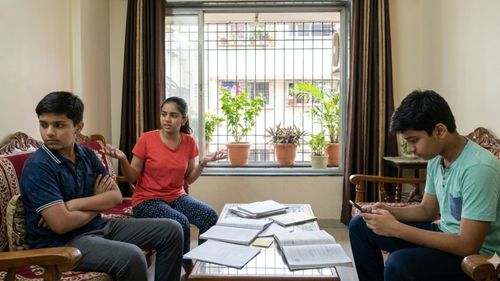

Table of Contents
- What Is a Communication Breakdown? Explained
- Causes of Communication Breakdown: Why Messages Go Wrong
- Why Communication Breakdown Is a Universal Problem
- Common Communication Breakdown Examples
- 12 Smart Techniques to Fix Communication Breakdown
- From Classroom Confidence to Center Stage Success
- How PlanetSpark Helps Fix Communication Breakdown
- Ways to Avoid Communication Breakdown in Daily Life
- PlanetSpark: The Leading Hub for Powerful Communication Skil
- Find Your Voice & Shape Your Future at PlanetSpark
Tired of being misunderstood even when you feel you explained everything clearly?
Communication breakdown occurs when messages are misunderstood, ignored, or poorly delivered, leading to confusion, conflict, and missed opportunities in daily interactions. This guide explains why communication gaps occur and offers practical techniques to fix them effectively. With PlanetSpark’s expert-led programs, learners build strong speaking, listening, and thinking skills, enabling clear expression, confident conversations, and meaningful connections across personal, academic, and professional settings.
What Is a Communication Breakdown? Explained
A communication breakdown happens when a message sent is not received, understood, or interpreted as intended. It can occur in verbal communication (speaking), non-verbal cues (body language, tone), written communication, or even digital interactions.
A communication breakdown doesn’t always mean people stop talking. Often, it means they continue talking but stop understanding each other.
This breakdown can lead to:
Confusion and misunderstandings.
Emotional distance and frustration.
Conflict at home, school, or work.
Loss of trust and confidence.
Understanding communication breakdown is the first step toward fixing it.
Causes of Communication Breakdown: Why Messages Go Wrong
The causes of communication breakdown often stem from poor listening, emotional barriers, unclear expression, and assumptions. When messages are not sent or received clearly, misunderstandings arise, affecting relationships, learning, and professional success.
Causes of Communication Breakdown:
1. Poor Listening Habits: When people listen to respond instead of understand, key details are missed, and messages lose meaning.
Examples:
A student hears instructions but misses deadlines.
An employee ignores feedback during meetings.
2. Emotional Barriers: Strong emotions like anger, fear, or anxiety block understanding and distort how messages are expressed or received.
Examples:
A child shuts down after criticism.
A colleague reacts defensively to suggestions.
3. Lack of Clarity in Expression: Unclear language, poor structure, or limited vocabulary make messages confusing and difficult for others to interpret correctly.
Examples:
A teacher gives vague homework instructions.
A parent uses complex words with children.
4. Assumptions and Misinterpretation: Assuming intent without clarification leads to misunderstanding, conflict, and emotional distance between communicators.
Examples:
Misreading a short text message.
Assuming silence means agreement.
5. Cultural or Language Differences: Differences in language, tone, or cultural norms can change meanings and cause confusion during interactions.
Examples:
Misunderstanding gestures.
Using unfamiliar expressions.
7. Digital Communication Gaps: Online messages lack tone and body language, increasing the chances of misinterpretation and emotional misunderstanding.
Examples:
Emails sound rude unintentionally.
Misread emojis in chats.
Support Your Child in Developing Confident Everyday Communication Skills!
Why Communication Breakdown Is a Universal Problem
Communication breakdown affects people of all ages and backgrounds, creating misunderstandings that impact emotions, learning, relationships, and professional growth. Modern lifestyles, digital overload, and reduced listening skills make clear communication increasingly difficult.
Kids struggling to express emotions
Young children often lack the vocabulary and confidence to express feelings clearly, leading to frustration, emotional outbursts, and frequent misunderstandings with parents and teachers.Students are unable to articulate ideas clearly
Many students understand concepts internally but struggle to explain them verbally, causing poor classroom participation, low confidence, and missed academic opportunities.Adults facing workplace misunderstandings
Unclear emails, weak presentation skills, and poor listening habits lead to miscommunication, reduced productivity, conflicts, and career setbacks in professional environments.Families dealing with unresolved conflicts
When family members fail to listen empathetically or express emotions calmly, small issues escalate into long-term conflicts and emotional distance.
Common Communication Breakdown Examples
These communication breakdown examples highlight how everyday conversations fail due to unclear expression, poor listening, or emotional barriers. Understanding these situations helps identify gaps in clarity, confidence, and connection across personal, academic, and professional communication.
A child says, “I’m bored,” but actually means they need attention or emotional connection from parents.
A teacher explains instructions verbally, but students misunderstand expectations due to unclear wording or distractions.
A manager sends a vague email, resulting in employees completing tasks incorrectly or missing deadlines.
Parents scold children without listening, causing emotional shutdown and reluctance to communicate openly.
Friends argue after misinterpreting tone or intent in text messages or social media chats.
An online message sounds rude unintentionally because tone and body language are missing.
These communication breakdown examples prove that misunderstandings arise from a lack of clarity and confidence and can be fixed with better communication skills.
Encourage Your Child to Speak Effectively in Every Situation!
12 Smart Techniques to Fix Communication Breakdown
Here are 12 practical, proven techniques that work for kids, teens, and adults alike.
1. Practice Active Listening
Active listening means fully focusing on the speaker without interrupting or planning your response.
Tip:
Repeat what you heard in your own words to confirm understanding.
This is one of the most effective ways to avoid communication breakdown.
2. Encourage Clear Expression of Thoughts
Many people struggle because they don’t know how to structure their thoughts.
PlanetSpark helps learners organise ideas through:
Structured speaking frameworks
Storytelling techniques
Logical sequencing
Clear expression reduces communication breakdown instantly.
3. Improve Emotional Awareness
Emotions influence how messages are sent and received.
Teach kids and adults to:
Identify emotions
Name feelings clearly
Express emotions respectfully
Emotional clarity prevents misunderstandings.
4. Ask Questions Instead of Assuming
Assumptions are silent killers of communication.
How to avoid communication breakdown: Ask clarifying questions like:
“Can you explain that further?”
“What do you mean by this?”
This habit works in classrooms, offices, and homes.
Give Your Child Access to Engaging Communication Skill-Building Activities!
5. Strengthen Vocabulary and Language Skills
Limited vocabulary leads to unclear communication.
PlanetSpark focuses on:
Age-appropriate vocabulary building.
Real-life speaking scenarios.
Context-based language learning.
Strong language skills reduce communication breakdown significantly.
6. Master Non-Verbal Communication
Body language, eye contact, and tone often matter more than words.
Teach learners to:
Maintain eye contact.
Use a confident posture.
Match tone with message.
Non-verbal cues are powerful tips to avoid communication breakdown.
7. Use Simple and Direct Language
Complex language confuses listeners.
Tip:
Speak simply, especially with kids or diverse audiences.
This is one of the smartest ways to avoid communication breakdown in everyday life.
8. Build Confidence Through Practice
Fear of speaking causes silence—and silence causes misunderstanding.
PlanetSpark builds confidence using:
Live 1:1 classes.
Real-time feedback.
Safe, supportive speaking environments.
Confidence turns thoughts into clear communication.
9. Adapt Communication to the Listener
One-size-fits-all communication doesn’t work.
Effective communicators:
Adjust tone for kids vs adults.
Simplify for beginners.
Elaborate for advanced learners
Adaptability helps avoid communication breakdown.
10. Improve Digital Communication Skills
Texts and emails are common sources of misunderstanding.
Teach learners to:
Write clearly.
Use proper structure.
Avoid vague language.
PlanetSpark integrates written and verbal communication training.
11. Learn Conflict Resolution Skills
Disagreements don’t cause communication breakdown, whereas poor handling does.
Healthy communication includes:
Calm responses.
Respectful language.
Willingness to listen.
12. Practice Regular Communication Exercises
Like any skill, communication improves with practice.
PlanetSpark uses:
Role-plays
Debates
Storytelling
Presentations
Regular practice strengthens clarity, confidence, and connection.
From Classroom Confidence to Center Stage Success
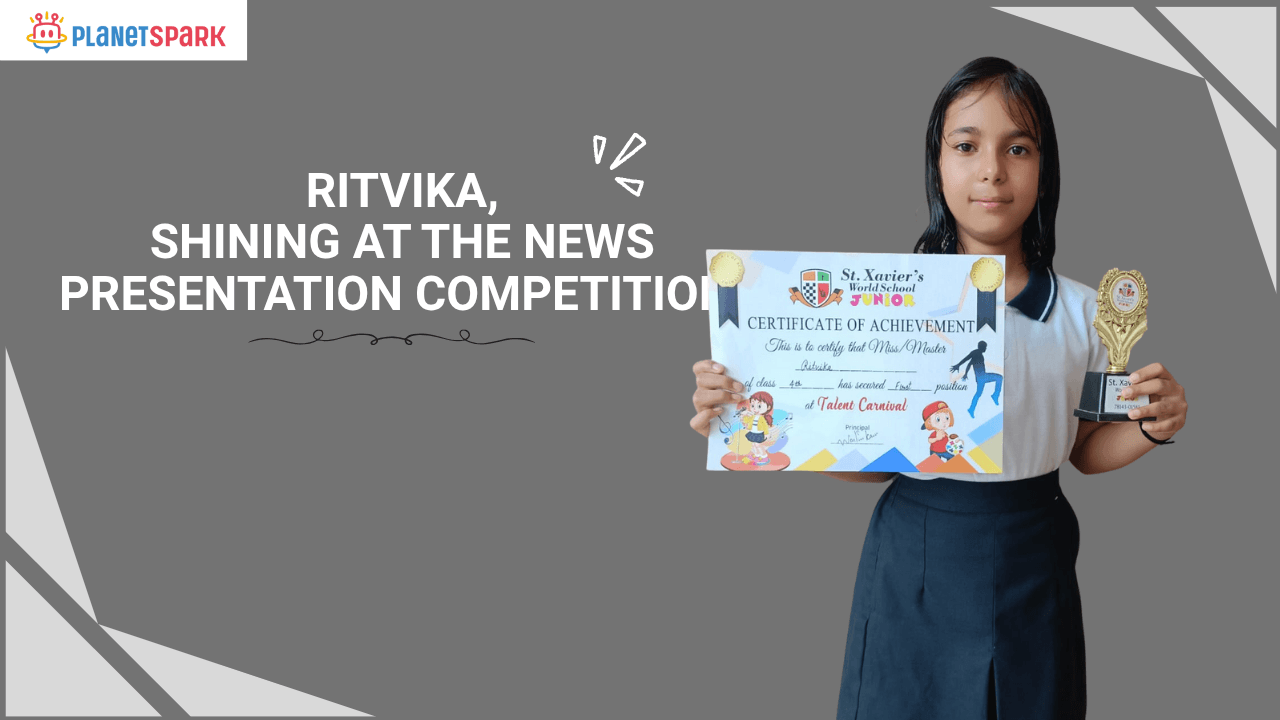
Ritvika has achieved a milestone in News Presentation! From the PlanetSpark classroom to the spotlight at the News Presentation Competition.
Ready to build your own success story? Join PlanetSpark today and turn your voice into confidence that shines everywhere.
How PlanetSpark Helps Fix Communication Breakdown
PlanetSpark is designed to address communication breakdown at its root for both kids and adults.
For Kids
Builds speaking confidence early.
Improves emotional expression.
Enhances classroom participation.
For Teens
Sharpens public speaking skills.
Prepares for leadership roles.
Boosts academic performance.
For Adults
Improves professional communication.
Enhances presentation skills.
Strengthens interpersonal relationships.
PlanetSpark’s personalized learning model focuses on real-life communication, not rote learning.
Ways to Avoid Communication Breakdown in Daily Life
These practical ways to avoid communication breakdown help people communicate clearly, reduce misunderstandings, and build stronger relationships at home, school, and work through consistent, mindful communication habits.
Listen with intent
Focus fully on the speaker, understand their message, and respond thoughtfully instead of interrupting or assuming meaning.Speak with clarity
Use simple, structured language to express thoughts clearly and avoid confusion in conversations.Ask questions
Seek clarification whenever unsure to prevent assumptions and misunderstandings during communication.Control emotions
Manage emotional reactions to communicate calmly, respectfully, and effectively in challenging situations.Build vocabulary
Strong vocabulary improves expression, confidence, and accurate communication across different situations.Practice regularly
Regular speaking and listening practice strengthens communication skills and reduces breakdowns over time.
PlanetSpark: The Leading Hub for Powerful Communication Skills
PlanetSpark empowers children to become clear, confident, and effective communicators through personalised training and interactive learning methods. With expert mentors and engaging practice modules, students develop articulation, fluency, active listening, and expressive skills that shape their communication for life.
Why PlanetSpark Is the Best Choice for Communication Skills Training
1:1 personalised communication coaching focused on improving clarity, tone, expression, and confident interaction.
Certified communication coaches guide children through structured, engaging, and practical learning sessions.
Conversation-building and expression modules that help students communicate ideas confidently in both formal and informal settings.
Live discussions, dialogues, and group interactions that enhance listening skills, quick thinking, and respectful communication habits.
SparkX AI video-based feedback offering detailed insights on voice, tone, pace, and clarity for continuous improvement.
Gamified communication learning with SparkBee to strengthen vocabulary, sentence formation, and linguistic accuracy.
AI-led speaking and conversation practice sessions to help students improve articulation and expression independently anytime.
Creative clubs, storytelling events, and communication showcases give children real platforms to practise interaction and express ideas effortlessly.
Find Your Voice & Shape Your Future at PlanetSpark
Clear communication has the power to transform relationships, learning, and self-belief at every age. When individuals learn to express thoughts calmly, listen actively, and understand emotions, conversations become meaningful, purposeful, and empowering in daily life.
PlanetSpark nurtures confident speakers by developing clarity, creativity, and communication courage through expert-guided practice. With the right support, every voice can be heard, understood, and celebrated, turning everyday conversations into lifelong strengths.
Also Read
Neologism in English: Learn New-Age Words with PlanetSpark
Elaborative Rehearsal: Meaning, Example, Techniques to Remember
Frequently Asked Questions
Communication breakdown occurs when messages are misunderstood or unclear, leading to confusion, conflict, or a lack of connection between people in personal, academic, or professional situations.
Poor listening, emotional barriers, unclear expression, assumptions, low confidence, and digital communication gaps commonly cause misunderstandings in everyday conversations.
Regular conversations, active listening, emotional awareness, encouraging expression, and positive feedback help strengthen communication skills at home for both children and adults.
Strong communication helps children express emotions, build confidence, perform better academically, develop relationships, and grow into confident speakers and leaders.
PlanetSpark provides 1:1 public speaking training, TED-style modules, and real-time practice sessions to strengthen both interpersonal and intrapersonal communication.
PlanetSpark programs support kids, teens, and adults by enhancing clarity, confidence, and expression, helping learners succeed academically, socially, and professionally.