

Why Communication During Interviews Matters
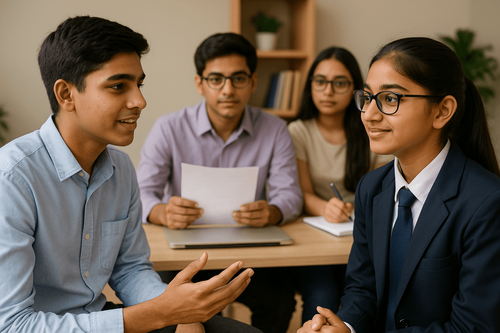
Communication is more than just answering questions, it’s about how you present yourself from the moment you enter the interview room.
First impressions and body language:
Your communication begins before you even speak. A confident handshake, a warm smile, and good posture immediately set a positive tone. These non-verbal cues show confidence and professionalism, helping interviewers form a strong first impression.
The role of tone, clarity, and confidence:
Speaking clearly and maintaining a calm, steady tone reflect self-assurance and respect. Avoid rushing your words or using filler phrases like “um” or “you know.” Clear communication demonstrates that you can organize your thoughts and express them effectively.
How good communication builds rapport with interviewers:
When you communicate genuinely and attentively, you create a connection with the interviewer. Active listening, polite responses, and relevant examples make your conversation engaging. This rapport increases your chances of being remembered positively and shows that you’d fit well in the company culture.
Types of Communication in an Interview
Successful interviews depend on mastering different forms of communication. Each type plays a unique role in how you express yourself and connect with the interviewer.
1. Verbal communication:
This includes the words you choose, your tone, and how clearly you speak. Use simple and professional language, avoid slang, and keep your responses concise yet complete. The goal is to express your thoughts clearly while sounding confident and polite.
2. Non-verbal communication:
Your body language, facial expressions, and gestures often speak louder than words. Maintaining eye contact, sitting upright, and using natural hand movements show confidence and engagement. Avoid crossing your arms or fidgeting, as these can signal nervousness or disinterest.
3. Active listening:
Good communication isn’t just about talking, it’s also about listening carefully. Pay attention to the interviewer’s tone, choice of words, and questions. This helps you respond thoughtfully and build a meaningful conversation rather than giving rehearsed answers.
4. Written communication (for virtual or follow-up interviews):
Emails and chat messages also reflect your professionalism. Use polite, clear, and grammatically correct language when responding or following up after an interview.
Pre-Interview Preparation for Better Communication
Good communication starts before the interview begins. Preparing in advance helps you stay confident, clear, and focused during your conversation with the interviewer.
1. Research the company and role:
Learn about the company’s mission, values, and recent projects. Understanding the job requirements allows you to tailor your answers and show genuine interest. This preparation makes your communication more relevant and impactful.
2. Practice common interview questions:
Rehearse how you’ll answer typical questions like “Tell me about yourself” or “What are your strengths and weaknesses?” Practicing helps you speak smoothly and avoid long pauses or filler words during the actual interview.
3. Use the STAR method:
When answering experience-based questions, structure your answers using the STAR method Situation, Task, Action, Result. This approach helps you share clear, focused, and result-oriented stories that highlight your achievements.
4. Rehearse speaking clearly and confidently:
Practice your tone, pace, and pronunciation. Record yourself or rehearse with a friend to identify areas for improvement. The more you practice, the more natural and confident your communication will sound.
5. Prepare questions for the interviewer:
Asking thoughtful questions shows that you’re engaged and serious about the role. It also helps you build a two-way conversation, making your communication more interactive and memorable.
Join PlanetSpark’s free demo class and see how our expert mentors transform learning into fun and effective communication.
Effective Verbal Communication Tips
The way you speak during an interview can greatly influence how the interviewer perceives you. Verbal communication reflects your confidence, clarity, and professionalism. Here are some tips to help you express yourself effectively:
1. Speak clearly and at a moderate pace:
Avoid speaking too quickly or too softly. A steady, clear voice makes your words easy to understand and projects confidence.
2. Avoid filler words and jargon:
Phrases like “uh,” “like,” or “you know” can make you sound unsure. Also, avoid using technical terms unless they’re relevant to the role.
3. Maintain a positive and professional tone:
Your tone should convey enthusiasm without sounding rehearsed. Stay polite and friendly, even if you feel nervous.
4. Be concise and structured:
Answer questions directly and avoid unnecessary details. Stick to the main points and ensure your message is easy to follow.
5. Use examples to support your answers:
Whenever possible, illustrate your points with real experiences. This adds credibility and helps interviewers understand your practical skills.
6. Show enthusiasm:
Express genuine excitement about the opportunity and the company. Positive energy often leaves a lasting impression and shows that you’re motivated to contribute.
Non-Verbal Communication Tips
Non-verbal communication often speaks louder than words in an interview. Your body language, facial expressions, and overall presence can strongly influence how confident and professional you appear.
1. Maintain natural eye contact:
Eye contact shows confidence and engagement. Avoid staring too intensely or looking away frequently—find a natural balance that conveys attentiveness.
2. Smile genuinely:
A friendly smile can help you appear approachable and positive. It also helps build rapport and ease tension for both you and the interviewer.
3. Watch your posture:
Sit upright with your shoulders relaxed. Leaning slightly forward shows interest, while slouching may signal nervousness or lack of enthusiasm.
4. Use gestures wisely:
Hand movements can help you emphasize points, but overdoing them can be distracting. Keep gestures controlled and natural.
5. Dress appropriately:
Your appearance is part of non-verbal communication. Choose an outfit that aligns with the company’s culture—formal for corporate roles, smart casual for creative or startup environments.
6. Mirror the interviewer subtly:
Matching their body language and tone subtly can help build a sense of connection. However, it should feel natural, not forced.
7. Stay calm and composed:
Even if you’re nervous, control your breathing and avoid fidgeting. Calm behavior communicates confidence and professionalism.
Active Listening During Interviews
Active listening is one of the most underrated yet powerful communication skills in an interview. It helps you understand questions accurately, respond thoughtfully, and build a strong connection with the interviewer.
1. Focus on the interviewer’s words:
Pay close attention to what the interviewer is saying instead of preparing your response while they’re still talking. This ensures your answers are relevant and on point.
2. Avoid interrupting:
Let the interviewer finish their question or comment before you speak. Interrupting can seem impatient or disrespectful, even if unintentional.
3. Show engagement through gestures:
Nodding occasionally or maintaining attentive eye contact signals that you’re actively listening. Small verbal acknowledgments like “I see” or “That’s a good point” can also demonstrate attentiveness.
4. Clarify when needed:
If you’re unsure about a question, politely ask for clarification rather than guessing. It shows professionalism and that you value accuracy in communication.
5. Respond thoughtfully:
Take a brief pause before answering to organize your thoughts. This shows that you’re reflective and composed, not rushing to reply.
6. Ask relevant follow-up questions:
Engaging with what the interviewer says by asking related questions demonstrates curiosity and genuine interest in the role or company.
PlanetSpark’s free demo class helps your child speak fluently, think creatively, and communicate effectively — anytime, anywhere.
Handling Difficult Questions with Confidence
Difficult questions are a common part of interviews, but how you handle them can leave a lasting impression. Communicating effectively under pressure demonstrates your problem-solving skills and composure.
Stay Calm and Composed
Take a deep breath before responding. Remaining calm helps you think clearly and articulate your answers confidently.
Take a Moment to Think
It’s okay to pause briefly to gather your thoughts rather than rushing. A well-considered answer is better than a quick, unclear one.
Reframe Negative Situations Positively
If asked about a weakness or failure, focus on what you learned and how you improved. This shows self-awareness and a growth mindset.
Be Honest and Authentic
Avoid giving rehearsed or exaggerated answers. Interviewers appreciate genuine responses that reflect your real experiences.
Use Examples
Support your answers with real-life examples or accomplishments. Concrete illustrations make your responses more credible and memorable.
Maintain Professional Body Language
Even when faced with a tough question, maintain eye contact, sit upright, and keep a confident tone. Non-verbal cues reinforce your verbal communication.
Virtual Interview Communication Tips
With remote interviews becoming increasingly common, mastering communication over video calls is essential. Virtual interviews require extra attention to both verbal and non-verbal cues to make a strong impression.
Maintain Eye Contact Through the Camera
Look directly at the camera when speaking instead of the screen. This gives the impression of eye contact, helping you appear confident and engaged.
Ensure Clear Audio and Video
Use a good-quality microphone and camera. Clear audio and video prevent misunderstandings and show professionalism.
Choose a Neutral Background
A tidy, distraction-free background keeps the focus on you. Avoid clutter or busy spaces that can divert the interviewer’s attention.
Avoid Distractions
Close unnecessary apps, mute notifications, and ensure no interruptions during the interview. Staying focused demonstrates respect and professionalism.
Show Attentiveness and Professionalism
Nod, smile, and react appropriately to the interviewer’s cues. Even on a screen, active engagement communicates interest and confidence.
Dress Appropriately
Dress professionally, just as you would for an in-person interview. Proper attire reinforces a positive first impression.
Let your child discover confidence, clarity, and creativity through a free demo session designed to boost communication skills for life.
Common Mistakes to Avoid in Interview Communication
Even small errors in communication can affect how interviewers perceive you. Being aware of common mistakes helps you present yourself more confidently and professionally.
Over-Talking or Interrupting
Speaking too much or cutting off the interviewer can come across as rude or impatient. Keep your answers concise and wait for the interviewer to finish before responding.
Speaking Too Softly or Too Fast
Mumbling or rushing through answers can make it hard for the interviewer to understand you. Speak at a moderate pace with a clear, audible voice.
Using Slang or Informal Language
Professional language is key. Avoid casual phrases, slang, or filler words like “um” and “like,” which may reduce your credibility.
Ignoring Body Language Cues
Poor posture, lack of eye contact, or excessive fidgeting can signal nervousness or disinterest. Be mindful of your gestures and facial expressions.
Not Preparing Answers in Advance
Going into an interview without preparation can make your communication unclear and unstructured. Practice common questions and examples beforehand.
Failing to Listen Actively
Not paying attention to the interviewer’s questions can lead to irrelevant or incomplete answers. Focus fully on what is being asked before responding.
Post-Interview Communication
How you communicate after an interview can reinforce a positive impression and keep you top of mind for the interviewer. Effective post-interview communication demonstrates professionalism and gratitude.
Send a Thank-You Email
Within 24 hours, send a polite email thanking the interviewer for their time. Express appreciation for the opportunity and briefly reiterate your interest in the role.
Reiterate Key Strengths
Use the email to highlight one or two strengths or experiences you discussed during the interview. This reinforces your value and leaves a lasting impression.
Maintain Professional Tone
Keep your message concise, polite, and professional. Avoid overly casual language or unnecessary details.
Follow Up Appropriately
If you haven’t received a response within the timeline mentioned, send a polite follow-up email. This shows your continued interest without being pushy.
Reflect on Your Performance
After the interview, take notes on what went well and areas for improvement. This helps you refine your communication for future interviews.
Why Choose PlanetSpark?
Clear and confident communication can shape a child’s future — not just in interviews, but in every conversation. At PlanetSpark, we empower young learners to develop strong speaking and presentation skills that help them express ideas with clarity and confidence.
Personalized Learning: PlanetSpark designs customized lessons to build each child’s communication, grammar, and vocabulary skills.
Interactive Sessions: Fun and engaging online classes encourage kids to speak, listen, and express confidently through role plays, storytelling, and real-life conversations.
Focus on English Fluency for Kids: Courses are structured to improve pronunciation, sentence formation, and overall spoken English fluency.
Practical Communication Activities: Students practice through debates, interviews, and presentations to strengthen real-world communication.
Expert Mentors: Certified mentors guide children in developing confidence, body language, and articulation for academic and personal growth.
Flexible Online Learning: With convenient online classes, children can learn at their own pace from the comfort of home, making skill-building fun and effective.
Conclusion
Effective communication during interviews is the key to standing out from other candidates. From your body language to the tone of your voice, every aspect of how you present yourself influences the interviewer’s perception. Preparing well, listening actively, and maintaining clarity and confidence can help you express your true potential.
Remember, communication isn’t just about speaking, it’s about connecting. The more you practice and refine your skills, the more natural and impactful your conversations will become. With the right communication approach, you can leave a lasting impression and move one step closer to landing your dream job.