
Conflict Resolution Through Communication Techniques That Work
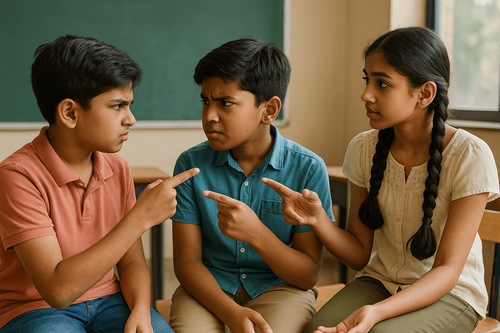

Table of Contents
- How to Resolves Conflict Resolution through Communication
- Key Communication Techniques for Conflict Resolution
- Steps to Apply Communication Techniques in Conflicts
- Real-Life Examples of Conflict Resolution Through Communicat
- Benefits of Using Communication for Conflict Resolution
- Common Mistakes That Hinder Conflict Resolution
- Conflict Resolution Strategies for Teams
- Tips to Improve Communication Skills for Conflict Resolution
- Conflict Resolution in Personal Relationships
- Tools and Resources to Improve Communication Skills
- Why Build Communication Skills with PlanetSpark
- Conclusion
Conflicts are a natural part of life, arising in personal relationships, workplaces, and even casual interactions. They occur when individuals have differing opinions, needs, or expectations. While some conflicts are minor, others can escalate and cause stress, misunderstandings, or damaged relationships.
Effective communication is the key to resolving these conflicts. By expressing thoughts clearly, listening actively, and understanding the emotions behind words, conflicts can be addressed constructively rather than escalating into arguments.
This blog will guide you through actionable communication techniques that work, helping you resolve disputes, improve relationships, and foster understanding in both personal and professional settings.
How to Resolves Conflict Resolution through Communication
Conflicts often escalate because of miscommunication, misunderstandings, or assumptions. When people fail to express their thoughts clearly or listen actively, small disagreements can turn into major disputes. Effective communication breaks this cycle by fostering understanding, empathy, and collaboration.
- Active Listening: Paying full attention to what the other person is saying prevents misinterpretation and shows respect. It helps uncover the real issues behind a conflict.
- Empathy and Understanding: Acknowledging the other person’s feelings can diffuse tension and build trust. When people feel heard, they are more open to finding a solution.
- Clarity in Expression: Clearly stating your needs, concerns, and expectations reduces ambiguity and prevents further misunderstandings.
- Example: In a workplace disagreement about project responsibilities, a team member calmly explains their perspective while actively listening to their colleague. By empathizing with each other’s challenges, they collaboratively find a solution without escalating the conflict.
In essence, communication transforms conflicts from confrontations into opportunities for mutual understanding and resolution.
Key Communication Techniques for Conflict Resolution
Using the right communication techniques can turn conflicts into productive conversations. Here are the most effective strategies:
- Active Listening – Focus fully on the speaker, avoid interrupting, and reflect on what they are saying to ensure understanding.
- Empathy and Understanding – Acknowledge the other person’s feelings and perspective without judgment, showing that you care about their viewpoint.
- Using “I” Statements – Express your concerns without blaming others. For example, say “I feel frustrated when deadlines are missed” instead of “You never meet deadlines.”
- Clarifying and Paraphrasing – Repeat or paraphrase what the other person said to confirm mutual understanding and avoid misunderstandings.
- Maintaining Calm and Composure – Keep your emotions in check to prevent escalation. Deep breathing or pausing before responding can help.
- Non-Verbal Communication Awareness – Pay attention to body language, facial expressions, and tone, as these convey emotions and impact how your message is received.
Steps to Apply Communication Techniques in Conflicts
Effectively resolving conflicts requires more than knowing techniques—it involves applying them thoughtfully. Here’s a step-by-step approach:
- Identify the Source of the Conflict – Understand the root cause before responding. Focus on the issue, not personalities.
- Choose the Right Time and Place – Discuss conflicts in a calm environment without distractions to ensure both parties can communicate openly.
- Listen Before Responding – Practice active listening to fully understand the other person’s perspective. Avoid interrupting or formulating your reply while they speak.
- Express Your Perspective Respectfully – Use “I” statements and stay focused on your feelings and needs rather than blaming or accusing.
- Find Common Ground – Collaborate to identify solutions that address both parties’ concerns. Compromise when necessary.
- Negotiate and Agree on a Solution – Work together to create actionable steps and ensure mutual agreement.
- Follow Up – Check in after the discussion to confirm that the conflict has been resolved and that both sides are satisfied.
By following these steps, communication becomes a tool for resolution rather than a source of further tension.
Real-Life Examples of Conflict Resolution Through Communication
Seeing conflict resolution in action helps illustrate how effective communication works:
Workplace Scenario
Two colleagues disagree on project responsibilities. Instead of arguing, they schedule a calm discussion, listen actively to each other’s concerns, and agree on a clear division of tasks. This prevents tension and promotes teamwork.
Personal Relationships
Siblings argue over household chores. By expressing feelings using “I” statements and acknowledging each other’s perspectives, they find a fair solution that satisfies both parties.
Customer Service
A client is upset about a delayed order. The representative listens empathetically, acknowledges the frustration, and offers a prompt solution. The client feels heard and valued, turning a negative situation into a positive experience.
Team Sports
Two teammates clash over game strategies. By holding a team meeting, expressing concerns respectfully, and listening to each other’s viewpoints, they develop a unified plan that strengthens team performance.
Classroom Setting
Students disagree during a group project. The teacher encourages each student to voice their ideas, practice active listening, and collaboratively decide on a course of action. The group completes the project successfully while learning to resolve conflicts respectfully.
Neighbor Dispute
Neighbors argue about noise levels. By calmly discussing the issue, understanding each other’s concerns, and agreeing on mutually acceptable quiet hours, they maintain a peaceful relationship.
These examples show that communication not confrontation is the key to resolving conflicts constructively and maintaining healthy relationships in every area of life.
Book a Free Demo Class Today and Master Conflict Resolution Skills.
Benefits of Using Communication for Conflict Resolution
Resolving conflicts through effective communication offers numerous advantages in both personal and professional settings:
- Builds Trust and Stronger Relationships – Open and honest communication fosters respect and reliability between individuals.
- Reduces Stress and Tension – Addressing issues calmly prevents lingering resentment and emotional strain.
- Promotes Collaboration and Teamwork – Clear communication encourages cooperative problem-solving and shared responsibility.
- Encourages Personal Growth and Emotional Intelligence – Handling conflicts thoughtfully develops empathy, patience, and self-awareness.
- Improves Decision-Making – Constructive discussions lead to better solutions by considering multiple perspectives.
By focusing on communication, conflicts become opportunities for understanding, growth, and stronger connections rather than sources of tension.
Common Mistakes That Hinder Conflict Resolution
Even with good intentions, certain habits can prevent conflicts from being resolved effectively. Being aware of these mistakes helps you avoid them:
- Interrupting or Talking Over Others – Cutting someone off can escalate tension and make them feel unheard.
- Being Defensive or Aggressive – Reacting emotionally can shift the focus from solving the problem to defending yourself.
- Ignoring Emotions or Non-Verbal Cues – Failing to notice feelings or body language can lead to misunderstandings.
- Focusing on Winning Rather Than Understanding – Treating conflict as a competition prevents collaboration and resolution.
- Assuming Intentions – Making assumptions about why someone acted a certain way can worsen the conflict.
Avoiding these pitfalls ensures that communication stays constructive, fostering mutual understanding and a positive outcome.
Book a Demo and Discover How PlanetSpark Transforms Communication Skills.
Conflict Resolution Strategies for Teams
Conflicts within teams are common due to differing opinions, work styles, and priorities. Addressing these conflicts effectively is essential for maintaining productivity and a positive work environment. Open and clear communication allows team members to express concerns, share ideas, and understand each other’s perspectives. Encouraging active listening and empathy helps prevent misunderstandings from escalating.
Implementing structured approaches such as regular check-ins, collaborative problem-solving sessions, and clearly defined roles can help resolve disputes efficiently. Using “I” statements, focusing on the issue rather than individuals, and seeking consensus promotes mutual respect and cooperation. By fostering a culture of open dialogue and constructive feedback, teams can resolve conflicts effectively, strengthen relationships, and enhance overall performance.
Tips to Improve Communication Skills for Conflict Resolution
Developing strong communication skills is essential for resolving conflicts effectively. Here are practical tips to enhance your ability to handle disputes:
Practice Mindfulness and Emotional Regulation
Stay aware of your emotions during conflicts. Deep breathing, pausing before responding, or taking a short break can prevent emotional escalation.
Develop Active Listening Habits
Focus entirely on the speaker, avoid interrupting, and reflect on their message. This ensures you fully understand the other person’s perspective.
Learn to Ask Open-Ended Questions
Encourage dialogue by asking questions that require more than yes or no answers, such as “How do you feel about this situation?” or “What solution would work best for you?”
Observe and Adjust Non-Verbal Cues
Pay attention to body language, facial expressions, and tone. Ensure your non-verbal communication aligns with your words.
Seek Feedback to Improve
Ask trusted friends, colleagues, or mentors for feedback on your communication style and conflict-handling approach. Continuous improvement strengthens your skills over time.
Try a Free PlanetSpark Class and Build Stronger Relationships.
Conflict Resolution in Personal Relationships
Conflicts in personal relationships whether with family, friends, or romantic partners are inevitable, but how you handle them determines whether the bond strengthens or strains. Effective communication is the key. Practicing active listening, using “I” statements, and acknowledging the other person’s emotions can help clarify misunderstandings and reduce defensiveness. Reflecting back what you hear and validating feelings fosters trust and encourages open dialogue.
Staying calm and composed during disagreements is essential. If emotions run high, take a short break before continuing the conversation. Collaborating on solutions and focusing on resolving the issue rather than winning the argument ensures compromises are reached and mutual understanding is maintained. Applying these strategies can turn conflicts into opportunities for deeper connection and stronger, healthier relationships.
Tools and Resources to Improve Communication Skills
Improving communication skills can make conflict resolution easier and more effective. Here are some practical tools and resources you can use:
Online Courses and Workshops
Platforms like Coursera, Udemy, and LinkedIn Learning offer courses on effective communication, conflict resolution, and emotional intelligence. These structured lessons provide strategies and exercises to practice real-life scenarios.
Communication and EQ Apps
Apps such as EQ Coach, Mood Meter, and MindTools help track emotions, reflect on responses, and develop empathy and active listening skills.
Books and Guides
Books like Crucial Conversations by Kerry Patterson and Nonviolent Communication by Marshall Rosenberg provide step-by-step techniques to manage conflicts constructively.
Role-Playing and Practice Exercises
Simulated scenarios with friends, mentors, or colleagues allow you to practice communication strategies in a safe environment before applying them in real situations.
Mindfulness and Meditation Tools
Apps like Headspace and Calm help regulate emotions, improve focus, and maintain composure during challenging conversations.
By leveraging these tools and resources, you can strengthen your communication skills, respond thoughtfully during conflicts, and build stronger, more collaborative relationships.
Why Build Communication Skills with PlanetSpark
At PlanetSpark, we believe conflict resolution and effective communication are essential life skills. Our programs are designed to help learners develop emotional intelligence, express themselves clearly, and handle disagreements constructively.
- Personalized Learning: Every lesson is tailored to improve listening, empathy, and problem-solving skills, helping children and teens communicate confidently in personal and group settings.
- Interactive Activities: Through role-plays, discussions, and guided exercises, learners practice real-life communication and conflict resolution strategies in a safe and supportive environment.
- Confidence and Emotional Growth: By mastering communication techniques, learners gain the confidence to express their thoughts respectfully, manage emotions, and build stronger relationships.
- Real-World Application: Skills learned at PlanetSpark are not just for the classroom—they equip learners to resolve conflicts, collaborate effectively, and thrive in everyday interactions.
Conclusion
Conflict resolution through communication is a vital skill for personal and professional growth. By practicing active listening, empathy, and clear expression, conflicts can be transformed from sources of tension into opportunities for understanding and collaboration.
Applying these techniques consistently, whether in personal relationships, team settings, or customer interactions helps build trust, reduce stress, and foster stronger, healthier connections. With mindful communication and the right strategies, conflicts become manageable, and relationships become more resilient and fulfilling.
Frequently Asked Questions
Effective communication helps clarify misunderstandings, express emotions respectfully, and find mutually acceptable solutions.
Practice mindfulness, take deep breaths, pause before responding, and focus on the issue rather than the person.
Techniques include active listening, using “I” statements, showing empathy, clarifying misunderstandings, and managing non-verbal cues.
Yes. Resolving conflicts constructively strengthens trust, fosters understanding, and enhances personal and professional relationships.
Encourage open dialogue, practice empathy, define roles clearly, focus on solutions rather than blame, and collaborate to reach consensus.
Absolutely. Children can develop these skills through role-playing, guided discussions, empathy exercises, and learning to express emotions respectfully.