
Understand Contextual Communication Through PlanetSpark Learning


Table of Contents
- What Is Contextual Communication?
- Contextual Factors in Communication Parents Should Know
- Signs Your Child Struggles With Contextual Communication
- Why Contextual Communication Is Critical for Academic and Li
- How Parents Can Support Contextual Communication at Home
- How PlanetSpark Builds Contextual Communication Skills
- When Should Parents Seek Expert Guidance?
- Conclusion
Many parents notice that their child speaks confidently at home but becomes quiet, unclear, or hesitant in school or social settings. The child knows the words but struggles to use them in the right way at the right time. This gap is often linked to contextual communication, which means understanding how language, tone, and expression change based on the situation.
Understanding contextual factors in communication helps parents support their child more effectively. In this blog, we will break down contextual communication in simple terms, share real-life examples, and explain how structured guidance from PlanetSpark helps children express themselves clearly, confidently, and appropriately in every situation.
What Is Contextual Communication?
Contextual communication is the ability to adjust how we speak based on the situation. It helps children decide what to say, how to say it, and when to say it. This skill goes beyond knowing words or forming correct sentences. It focuses on using language appropriately depending on who the listener is and what the situation demands.
Many children speak fluently but still struggle to communicate effectively. This usually happens when they do not understand context. For example, a child may use casual language while answering a teacher or speak too softly during a presentation. These gaps are not about intelligence or vocabulary. They are about missing contextual cues.
When children learn contextual communication early, they become better listeners, clearer speakers, and more confident communicators. This skill supports classroom participation, social interaction, and public speaking as children grow.
Simple Meaning for Parents
In simple terms, contextual communication means changing the way we talk based on the situation.
Children often do this naturally at home but struggle in formal or unfamiliar settings. They may not realise that the same words can sound different depending on who they are speaking to.
For example:
A child may joke freely with friends but struggle to explain ideas to a teacher
They may speak confidently at home but hesitate during school presentations
They may answer correctly but sound unclear or inappropriate in tone
These changes happen because children are still learning how context works. With guidance and practice, they can learn to recognise situations and respond confidently.

Why Context Matters More Than Just Vocabulary
Knowing many words does not automatically mean a child can communicate well. Communication depends on how words are used, not just which words are chosen.
Context affects:
Clarity: Are ideas organised and easy to understand?
Tone: Is the child speaking respectfully, confidently, or casually as required?
Confidence: Does the child feel comfortable expressing thoughts in that situation?
A child may know the correct answer but still struggle to explain it clearly because they do not understand how formal or structured the response should be. Learning contextual communication bridges this gap and helps children express themselves effectively in every situation.
Contextual Factors in Communication Parents Should Know
Understanding contextual factors in communication helps parents identify why a child may struggle in certain situations even if they speak well otherwise. These factors influence how children choose words, tone, and body language.
Audience Awareness
Audience awareness means understanding who the listener is and adjusting speech accordingly.
Children need to learn the difference between:
Speaking to teachers versus friends
Talking to elders versus peers
Addressing a group versus one person
For example:
With teachers, children should speak clearly and respectfully
With friends, language may be relaxed and informal
With family, tone is often emotional and expressive
When children lack audience awareness, they may sound too casual, too quiet, or unsure. Teaching them to recognise the listener helps improve clarity and confidence.
Setting and Environment
The environment plays a major role in how children communicate. Many children behave differently based on where they are speaking.
Common settings include:
Classroom discussions
Stage or presentation environments
Online classes
Casual conversations at home
Each setting requires different levels of volume, clarity, and confidence. A child may speak well at home but freeze on stage because the environment feels unfamiliar. Structured practice helps children adapt their communication to each setting comfortably.
Book a demo class to help your child communicate clearly and confidently.
Purpose of Communication
Every conversation has a purpose. Helping children recognise this purpose improves how they structure their speech.
Common purposes include:
Informing or explaining
Persuading or sharing opinions
Asking questions
Storytelling or presenting ideas
For example, explaining an answer in class requires clarity, while storytelling needs expression and flow. When children understand the purpose, they naturally adjust sentence structure, tone, and pace.
Emotional Context
Emotions strongly affect communication. Nervousness, excitement, fear, or confidence can change how a child speaks.
Emotional context impacts:
Fluency and pauses
Voice clarity
Body language and eye contact
A confident child speaks clearly, while a nervous child may rush or go quiet. Teaching children to manage emotions and practise speaking in different situations helps them stay calm and expressive.
Signs Your Child Struggles With Contextual Communication
Many children appear confident speakers but still struggle to communicate effectively in certain situations. These challenges are often subtle and easy to miss, especially when a child speaks well at home. Understanding the signs early helps parents provide the right support before confidence starts to drop.
One common sign is when a child uses the same tone everywhere. They may speak casually with teachers or sound overly formal with friends. This shows that the child has not yet learned how tone changes based on the listener and setting.
Another frequent concern is when a child speaks confidently at home but freezes in public. At home, the environment feels safe and familiar. In classrooms, on stage, or during group discussions, the child may hesitate, speak softly, or avoid speaking altogether. This usually happens because the child is unsure how to adjust their communication to a formal or unfamiliar context.
Children who misunderstand social cues may interrupt others, miss conversational turns, or respond in ways that feel out of place. They may not realise when to listen, when to elaborate, or when to stop.
Some children also give correct answers but sound unclear or inappropriate. They know the content but struggle with structure, tone, or delivery. This can affect how teachers and peers perceive their communication, even when the child understands the topic well.
Why Contextual Communication Is Critical for Academic and Life Success
Contextual communication is not just a speaking skill. It plays a vital role in a child’s academic performance, social confidence, and future readiness. Children who understand how context works can express ideas clearly and adapt to different situations with ease.
Classroom Participation and Presentations
In school, children are expected to communicate in structured and respectful ways. Contextual communication helps them meet these expectations confidently.
It supports children in:
Answering questions clearly and to the point
Explaining their thinking step by step
Adjusting tone when speaking to teachers
Presenting ideas confidently in front of the class
When children understand classroom context, they participate more actively, feel less anxious, and are better able to demonstrate what they know during discussions and presentations.
Social Confidence and Peer Interaction
Strong contextual communication also improves how children interact socially. Friendships and group interactions rely heavily on understanding tone, emotions, and social cues.
Children with this skill can:
Make friends more easily
Join conversations without hesitation
Express opinions respectfully
Handle disagreements calmly
They learn when to listen, when to speak, and how to express thoughts without sounding rude or unsure. This builds emotional intelligence and long-term confidence in social settings.
Future Skills
As children grow, contextual communication becomes even more important. It forms the foundation for essential life skills.
These include:
Leadership and teamwork
Public speaking and storytelling
Interview readiness
Expressing ideas clearly in formal settings
Children who develop this skill early are better prepared to speak confidently in high-pressure situations. They learn how to adapt their communication based on audience, purpose, and setting, which is critical for success beyond the classroom.
Success Story: Nirvaan, Age 9
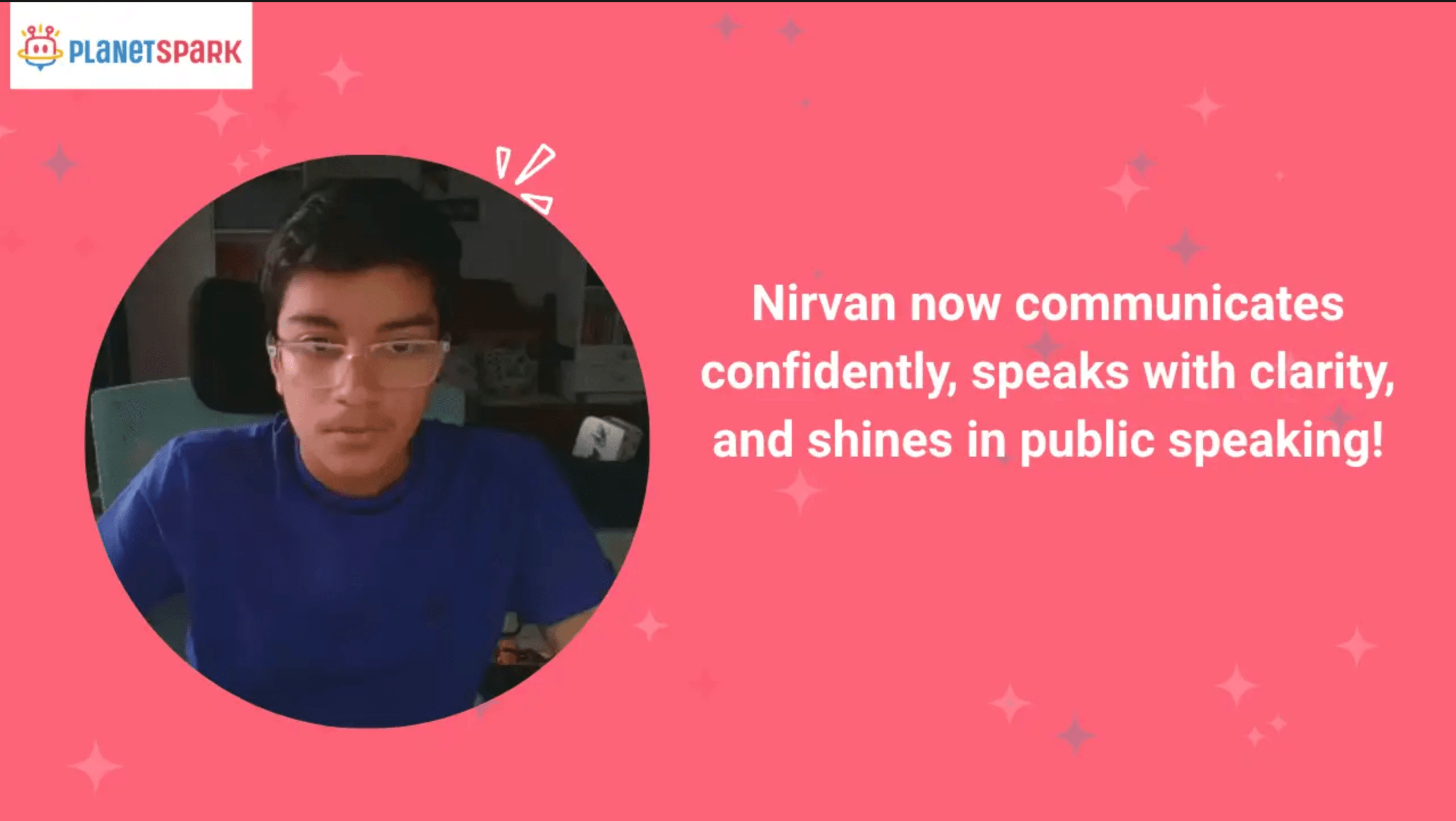
Nirvaan once struggled to express his thoughts clearly in front of others. While he understood ideas well, speaking confidently in group settings and public forums felt challenging. This often affected how comfortably he participated in discussions and presentations.
With structured speaking practice and personalised guidance at PlanetSpark, Nirvaan learned how to organise his thoughts, adjust his tone, and speak with clarity based on the situation. Over time, his confidence grew across classrooms and stage settings.
Today, Nirvaan communicates confidently, speaks with clarity, and shines in public speaking. His progress reflects how focused contextual communication training can help children find their voice and express ideas with confidence.
How Parents Can Support Contextual Communication at Home
Parents play a powerful role in helping children understand contextual communication. Everyday conversations at home offer natural opportunities to guide children without pressure or correction-heavy teaching. Small, consistent efforts can make a big difference in how confidently a child communicates outside the home.
One effective way is to encourage role-play conversations. Role-play helps children practise speaking in different situations before they face them in real life. For example, parents can pretend to be a teacher asking a question, a friend starting a conversation, or an audience listening to a short presentation. This helps children understand how tone, structure, and confidence change with context.
Another helpful approach is to ask open-ended questions. Instead of questions with yes or no answers, ask questions that encourage explanation.
“Can you explain why you think that?”
“How would you tell this story to your teacher?”
“What would you say if you were speaking to a group?”
These questions push children to organise thoughts and adjust language naturally.
Parents can also discuss real-life scenarios. Talking through situations like school assemblies, group discussions, or meeting new people helps children mentally prepare for them. When children know what to expect, they feel more confident.
Finally, parents should gently guide tone and word choice. Instead of correcting harshly, model better responses. This keeps communication supportive and builds confidence rather than fear of mistakes.
How PlanetSpark Builds Contextual Communication Skills
PlanetSpark focuses on helping children not just speak well, but speak appropriately and confidently across different situations. The learning approach is structured, personalised, and practical, ensuring children understand how context shapes communication.
Structured Speaking Framework
PlanetSpark uses a structured framework that introduces children to different speaking situations step by step. Children practise speaking in guided environments before moving to real-world scenarios.
This includes:
Classroom-style answers
Group discussions
Presentation-style speaking
Everyday conversational situations
By practising in a safe and supportive environment, children learn how to adapt their language, tone, and structure based on context.
Book a demo class for personalised communication training for your child.
Personalised Feedback
Every child communicates differently, which is why personalised feedback is essential. PlanetSpark trainers carefully observe where a child misses context and provide guidance without discouragement.
Feedback focuses on:
Identifying tone mismatches
Improving clarity and structure
Adjusting formality based on audience
Encouraging confidence and expression
This approach helps children improve steadily without feeling judged or overwhelmed.
Practice Across Multiple Contexts
Children practise communication across a wide range of contexts to build flexibility and confidence.
This includes:
Classroom-style speaking
Storytelling with expression
Public speaking and presentations
Repeated exposure helps children internalise contextual communication and apply it naturally in real life.
When Should Parents Seek Expert Guidance?
While home support is helpful, some children need structured guidance to overcome deeper communication challenges. Knowing when to seek expert help ensures children receive timely support.
Parents should consider expert guidance if:
The child avoids speaking in formal settings
Communication breaks down despite strong vocabulary
The child feels anxious during presentations or discussions
Progress remains slow despite regular practice at home
Professional training provides consistency, structure, and expert feedback that accelerates improvement and builds lasting confidence.
Conclusion
Contextual communication is a critical skill that shapes how children express ideas, build confidence, and connect with others. It helps them navigate classrooms, social interactions, and future speaking situations with ease.
The good news for parents is that contextual communication is a learnable skill. With the right guidance, practice, and encouragement, children can improve steadily and confidently.
Early support makes a lasting difference. By combining home practice with expert-led learning through PlanetSpark, parents can help their children become clear, confident communicators in every context.
Frequently Asked Questions
Contextual communication means adjusting how we speak based on who we are talking to, where we are, and why we are speaking. It helps children choose the right tone, words, and structure for each situation.
Many children understand vocabulary but find it hard to adapt their speech to different settings. Nervousness, lack of practice, and unfamiliar situations often make it difficult to recognise contextual factors in communication.
Children can start learning contextual communication from early primary years. With the right guidance, children between 6 and 14 years can build strong awareness and confidence across different speaking situations.
Contextual communication helps children understand their audience and purpose. This improves clarity, confidence, and delivery during presentations and public speaking activities.
Yes. Structured online programs with guided practice, real scenarios, and personalised feedback help children practise contextual communication in a safe and supportive environment.
PlanetSpark uses structured speaking frameworks, personalised feedback, and practice across multiple contexts to help children communicate clearly and confidently in every situation.