
Learn Conversational Intelligence for Better Workplace Communication


Table of Contents
- What is Conversational and Why It Matters
- What is Conversational Artificial Intelligence
- Conversational AI Examples for Real-Life Communication
- How Conversational Intelligence Builds Confidence
- Practical Strategies to Improve Conversational Skills
- Common Challenges and Advanced Techniques
- PlanetSpark Communication and Public Speaking Classes
Struggling to express thoughts clearly or speak with confidence can limit both personal and professional growth. Conversational intelligence for children builds the foundation for strong communication skills that later translate into workplace success. Many individuals understand ideas but struggle to express them effectively due to lack of structure, clarity, or confidence.
This blog explains what is conversational, explores conversational artificial intelligence, and shares practical conversational AI examples. You will also learn structured techniques, real-life strategies, and daily exercises that can improve communication skills. By the end, you will have a clear roadmap to build confidence, improve clarity, and communicate effectively in real-life situations.
What is Conversational and Why It Matters
Understanding What is Conversational
To understand what is conversational, it is important to recognize that communication is more than just speaking. It involves listening actively, understanding context, processing information, and responding thoughtfully. A conversational individual is someone who can maintain a natural flow of communication without confusion, hesitation, or misinterpretation.
In real-life situations, conversations are rarely planned. They require quick thinking, adaptability, and emotional awareness. For example, during a team meeting, you may need to respond instantly to a question or share your opinion clearly. Without conversational intelligence, responses can become unclear, disorganized, or ineffective.
Conversational intelligence for children trains individuals to handle such situations confidently. It helps them structure their thoughts, choose the right words, and respond logically. Over time, this builds fluency and improves the overall quality of communication.
Additionally, being conversational means understanding tone, context, and audience. The way you speak in a professional setting differs from casual conversations. Developing this awareness ensures that communication remains appropriate and impactful in every situation.
Why Conversational Skills Are Important
Conversational skills play a critical role in shaping how individuals interact with others. They directly impact relationships, career growth, and personal development. Strong conversational skills help individuals express ideas clearly, understand others better, and engage in meaningful discussions.
In professional environments, communication is often the key differentiator. Employees who communicate effectively are more likely to be noticed, trusted, and promoted. They can present ideas clearly, participate actively in meetings, and collaborate efficiently with teams.
For students and young learners, conversational intelligence for children supports academic success. It enables them to participate confidently in classroom discussions, ask questions, and share ideas without hesitation.
Key benefits include:
- Clear expression of thoughts and ideas
- Strong listening and comprehension skills
- Improved collaboration and teamwork
- Better problem-solving and decision-making
These skills create a strong foundation for lifelong success. With consistent practice and guidance, individuals can develop the ability to communicate confidently in any situation.
What is Conversational Artificial Intelligence
Understanding Conversational Artificial Intelligence
Conversational artificial intelligence refers to systems that interact with humans using natural language. These systems are designed to understand input, process meaning, and generate logical responses. While this concept belongs to technology, it offers valuable insights into how effective communication works.
These systems follow a structured process. They listen carefully, analyze intent, and respond clearly. This mirrors how human conversations should ideally function. By observing conversational artificial intelligence, individuals can learn how to structure their responses and communicate more effectively.
For example, when a system receives a question, it does not respond randomly. It identifies the key intent and provides a clear and relevant answer. This teaches individuals the importance of understanding context before responding.
Another important aspect is clarity. Conversational artificial intelligence avoids unnecessary complexity. It delivers responses that are easy to understand. This highlights the importance of simplicity and clarity in communication.
How It Improves Communication Skills
The principles of conversational artificial intelligence can significantly improve human communication skills. These principles focus on clarity, structure, and relevance, which are essential for effective conversations.
When individuals apply these principles, they develop habits such as:
- Listening carefully before responding
- Structuring answers logically
- Staying focused on the topic
- Providing clear and concise responses
For example, instead of giving long and confusing answers, individuals learn to present their thoughts in a structured manner. This makes communication more effective and easier to understand.
Over time, these habits improve conversational intelligence and help individuals communicate confidently in various situations. Whether it is a classroom discussion or a professional meeting, structured communication ensures clarity and impact.
Conversational AI Examples for Real-Life Communication
Practical Conversational AI Examples
Learning through conversational AI examples helps individuals understand how effective communication works in real-life situations. These examples demonstrate how to respond clearly, stay relevant, and maintain a logical flow of conversation.
Example 1
Person A: Can you explain the project update
Person B: Yes, we have completed the initial phase and are now moving to the next stage
Example 2
Person A: I am facing a challenge with this task
Person B: Let us break it down and find a solution step by step
Example 3
Person A: What do you think about this idea
Person B: It is effective because it addresses the main problem clearly
These examples show how responses should be direct, structured, and meaningful. They avoid unnecessary details and focus on clarity.
Learning Outcomes from These Examples
These conversational AI examples provide practical learning opportunities. They help individuals understand how to structure responses, maintain clarity, and engage in meaningful conversations.
By practicing similar examples regularly, learners can:
- Improve clarity in communication
- Build confidence in speaking
- Develop logical thinking skills
- Enhance listening abilities
For instance, when individuals practice answering different types of questions, they become more comfortable with speaking. This reduces hesitation and improves fluency.
Over time, consistent practice leads to stronger conversational intelligence and better communication skills. These improvements are visible in both academic and professional settings.
How Conversational Intelligence Builds Confidence
Developing Clarity and Confidence
Confidence in communication is closely linked to clarity of thought. When individuals understand how to organize their ideas, they feel more confident expressing them. Conversational intelligence for children focuses on building this clarity from an early stage.
When learners practice speaking regularly, they become more comfortable with expressing their thoughts. They learn how to structure their responses and communicate effectively. This reduces fear and hesitation.
For example, a student who regularly practices answering questions becomes more confident in classroom discussions. Similarly, a professional who practices communication skills performs better in meetings and presentations.
Confidence is built through repetition and experience. The more individuals engage in conversations, the more comfortable they become. Over time, this leads to improved fluency and stronger communication skills.
Build Communication confidence with expert guidance
Start your journey with PlanetSpark.
Book a Free Trial today!
Real-Life Impact on Communication
The impact of conversational intelligence extends beyond practice sessions. It influences real-life interactions and outcomes. Individuals who communicate effectively are more likely to succeed in both personal and professional environments.
In workplaces, strong communication skills help individuals present ideas clearly, participate in discussions, and build professional relationships. In personal life, these skills improve interactions and strengthen connections.
Examples include:
- Speaking confidently in meetings
- Presenting ideas clearly
- Building strong relationships through communication
These abilities create a positive impression and open new opportunities. With consistent practice, individuals can develop confidence and become effective communicators.
Practical Strategies to Improve Conversational Skills
Daily Practice Techniques
Improving conversational skills requires consistent effort and practice. Simple daily activities can significantly enhance communication abilities over time.
Effective techniques include:
- Practicing role play conversations
- Participating in group discussions
- Asking and answering questions regularly
- Explaining ideas clearly to others
These activities help individuals become more comfortable with speaking and improve fluency. For example, role play exercises simulate real-life situations, allowing learners to practice responses in a safe environment.
Regular practice also reduces anxiety and builds confidence. Over time, individuals become more comfortable with expressing their thoughts and engaging in conversations.
Structured Learning Approach
A structured learning approach ensures steady and measurable progress. It combines guided practice, feedback, and real-world application.
Key steps include:
- Learning communication fundamentals
- Practicing real-life scenarios
- Receiving feedback for improvement
- Tracking progress over time
This method helps individuals build strong communication skills systematically. It ensures that learning is consistent and effective, leading to long-term improvement.
Common Challenges and Advanced Techniques
Common Challenges in Communication
Many individuals struggle with communication due to common challenges such as fear, lack of clarity, and hesitation. These challenges can affect confidence and limit participation in conversations.
Common issues include:
- Fear of speaking in public
- Difficulty organizing thoughts
- Limited vocabulary
- Hesitation during conversations
These challenges often arise due to lack of practice or structured learning. Identifying these issues is the first step toward improvement.
Advanced Techniques for Improvement
Advanced techniques help individuals overcome communication challenges and refine their skills.
Effective techniques include:
- Active listening to understand context
- Structured speaking to organize ideas
- Emotional awareness to respond appropriately
- Vocabulary building to enhance expression
For example, active listening ensures that responses are relevant and meaningful. Structured speaking helps individuals present ideas clearly and confidently.
By applying these techniques regularly, individuals can improve their conversational intelligence and become effective communicators.
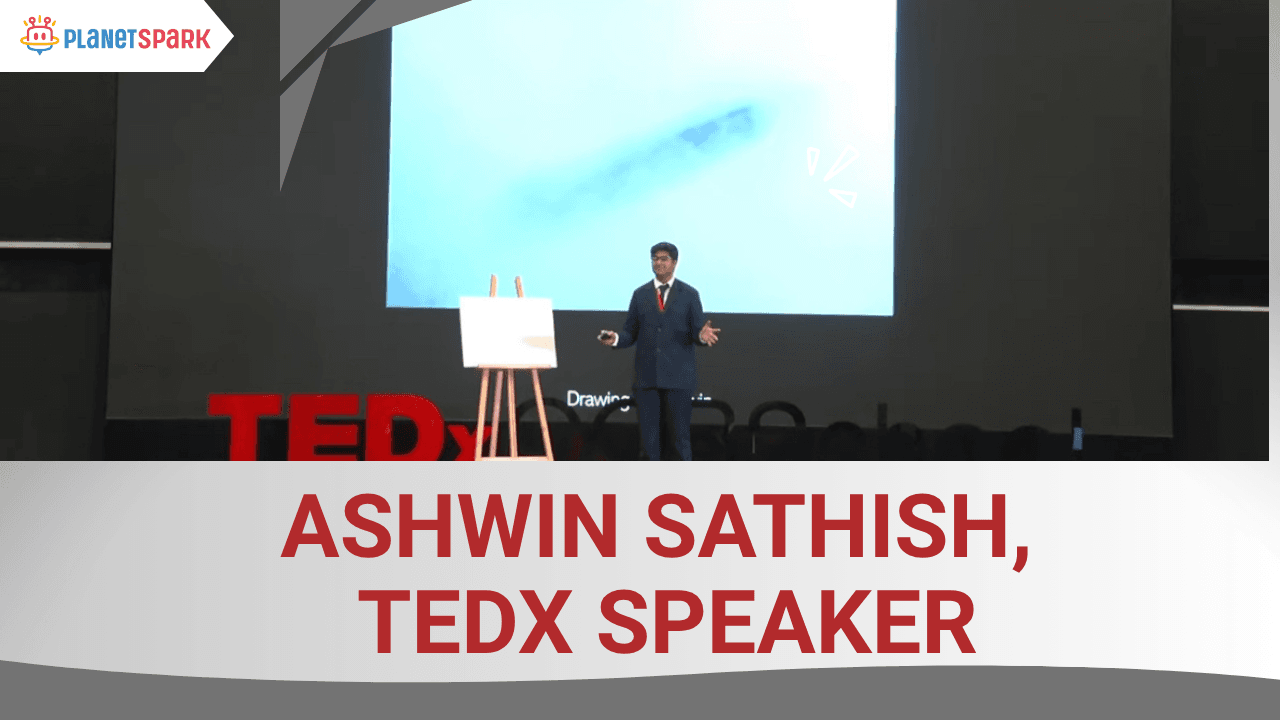
Ashwin Sathish, Grade 8 from New Delhi, stood tall as a TEDx Speaker, sparking conversations that truly matter. From classroom confidence to commanding a global stage, his journey reflects the power of voice, vision, and courage.
PlanetSpark Communication and Public Speaking Classes
Build Confidence with Structured Learning
PlanetSpark Communication and Public Speaking classes are designed to help learners build conversational intelligence for children and adults. These classes focus on improving clarity, confidence, and real-world communication skills through structured learning and guided practice.
Why Structured Learning Matters
Without proper guidance, communication skills may develop slowly. Structured learning ensures consistent improvement and builds strong foundations for effective communication.
Key Features
- Live interactive classes
- Expert teachers
- Real-world communication practice
- Personalized feedback
- Confidence-building framework
- Structured curriculum

Build Strong Communication for Lifelong Success
Strong communication skills are essential for success in every stage of life. Conversational intelligence helps individuals express ideas clearly, listen effectively, and build meaningful relationships.
With consistent practice and structured learning, anyone can improve their communication skills. Over time, these abilities lead to greater confidence, stronger connections, and long-term personal and professional growth.
Frequently Asked Questions
It refers to technology that enables natural communication between humans and machines. These systems can understand, process, and respond to language. They are used in chatbots, voice assistants, and learning tools.
They provide structured patterns that show how conversations flow. Learners can observe and practice better responses. This helps improve clarity and communication skills.
They improve confidence and help in building strong relationships. Good communication is essential for academic and professional success. It also helps in expressing ideas clearly.
Yes, professionals can improve workplace communication and confidence. At Planetspark, we help with presentations, meetings, and networking. Strong conversational skills lead to better career growth.
Download Free Worksheets
Personalized Communication Roadmaps
Record a video to get a AI generated personalized communication reports