
Creative Writing Exercises for Thinking Skills in Kids
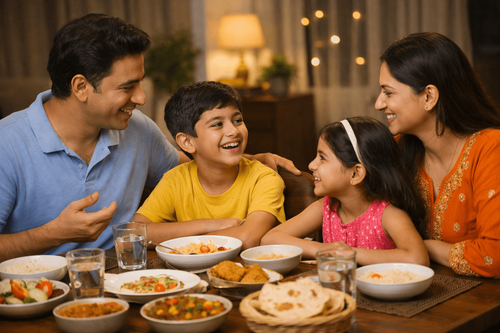

Table of Contents
- Why are dinner conversation starters for kids important?
- What are the best questions to ask kids at dinner time?
- Fun talking topics for kids at the table that spark exciteme
- How to encourage kids to talk during meals naturally?
- Family dinner conversation ideas for children that build thi
- How creative writing improves problem solving in kids throug
- 50 dinner conversation starters for kids you can try today
- What mistakes should parents avoid during dinner conversatio
- How to build a consistent dinner conversation routine?
- How PlanetSpark communication skills classes help kids speak
- Small conversations today create confident speakers tomorrow
What if dinner time could become the most exciting part of your child’s day instead of a quiet routine? Many parents struggle to get their children to open up during meals. This is where conversation starters for kids at dinner can make a powerful difference.
In this blog, you will explore fun and effective dinner conversation starters for kids, practical tips to encourage kids to talk during meals, and creative ways to build communication skills naturally. We will also connect how these simple habits support thinking skills and confidence.
Let’s begin by understanding why dinner conversations matter so much for your child’s growth.
Why are dinner conversation starters for kids important?
Dinner time is one of the few moments when families sit together without distractions. It is the perfect opportunity to build communication habits in children.
Using dinner conversation starters for kids helps create a safe and engaging space where children feel heard and valued. This daily practice builds confidence over time.
Benefits of meaningful dinner conversations
- Improves speaking and listening skills
- Builds emotional bonding within the family
- Encourages critical thinking and storytelling
- Helps children express thoughts clearly
- Strengthens vocabulary naturally
Children who regularly participate in family discussions tend to perform better in social and academic environments.
Why kids hesitate to talk during meals?
Many children stay quiet at the table because:
- They are unsure what to say
- They fear being judged or corrected
- Conversations feel boring or repetitive
- Adults dominate the discussion
This is where structured family dinner conversation ideas for children can help.
Instead of asking generic questions, use creative prompts that spark curiosity and imagination.
Want your child to speak confidently every day?
What are the best questions to ask kids at dinner time?
Asking the right questions can turn a silent dinner into a lively discussion. The key is to ask open ended and fun questions.
Simple and engaging questions
- What was the best part of your day?
- What made you laugh today?
- If today was a movie, what would its title be?
- Who did you help today?
- What is one thing you learned today?
These questions help children reflect on their day and express themselves.
Creative thinking questions
- If you could invent something, what would it be?
- What would you do if you were invisible for a day?
- If animals could talk, which one would you talk to first?
- What would your dream school look like?
Such questions improve imagination and problem solving skills.
Emotional awareness questions
- What made you feel proud today?
- Did anything upset you today?
- How did you solve a problem today?
These help children understand and express emotions better.
By mixing fun, reflective, and imaginative questions, you create balanced dinner conversations.
Fun talking topics for kids at the table that spark excitement
Children love variety. Repeating the same questions every day can become boring. Introducing fun talking topics for kids at the table keeps conversations fresh.
Weekly themed conversations
You can assign themes to each day:
- Monday: School stories
- Tuesday: Funny moments
- Wednesday: Dream and imagination
- Thursday: Gratitude
- Friday: Family memories
This structure makes dinner more engaging and predictable.
Story building activities
Turn dinner into a storytelling game:
- One person starts a story
- Each family member adds one sentence
- Build a funny or adventurous story together
This improves creativity and listening skills.
Rapid fire round
Ask quick and fun questions:
- Chocolate or ice cream?
- Beach or mountains?
- Superpower or invisibility?
This keeps energy high and encourages participation.
Guessing games
- Guess the animal based on clues
- Guess the movie or character
- Describe an object without naming it
These activities make learning fun while improving vocabulary.
How to encourage kids to talk during meals naturally?
Even with great questions, some children may still hesitate. The environment plays a crucial role in encouraging communication.
Create a safe space
- Avoid correcting grammar immediately
- Do not interrupt while the child is speaking
- Appreciate their effort to communicate
Children open up when they feel safe and respected.
Lead by example
Parents should model good conversation habits:
- Share your own stories
- Ask follow up questions
- Show active listening
When children see adults engaging, they feel motivated to join.
Keep distractions away
- No mobile phones at the table
- Turn off the television
- Focus on face to face interaction
This improves attention and connection.
Celebrate small wins
If your child speaks even a little more than usual, acknowledge it.
- “I loved how you shared your idea today”
- “That was a great story”
Positive reinforcement builds confidence.
Family dinner conversation ideas for children that build thinking skills
Dinner conversations are not just about talking. They also improve thinking and reasoning abilities.
Problem solving discussions
Ask questions like:
- What would you do if your friend is upset?
- How would you solve a disagreement?
- What is the best way to help someone?
These questions encourage decision making.
Opinion based questions
- Which is better, online learning or classroom learning?
- Should homework be reduced?
- What makes a good friend?
Children learn to form and express opinions clearly.
Reflection activities
- What is one thing you want to improve tomorrow?
- What did you learn from a mistake today?
Reflection builds self awareness and growth mindset.
Linking to creative writing
Dinner discussions can lead to writing activities:
- Write a short story based on your conversation
- Describe your favorite moment of the day
- Create a diary entry
This connects directly to how creative writing improves problem solving in kids.
How creative writing improves problem solving in kids through conversations
When children express ideas verbally, they also develop structured thinking. This naturally connects to creative writing.
How conversations support writing
- Improves vocabulary
- Enhances sentence formation
- Builds storytelling ability
- Encourages logical thinking
Children who talk more tend to write better.
Turning dinner talks into writing tasks
You can extend conversations into simple activities:
- Ask your child to write a story discussed at dinner
- Create a “thought of the day” journal
- Turn imaginary questions into short essays
Real life example
If a child discusses “What would you do if you could fly?”
They can later write:
- A story about flying
- A problem solving scenario
- A creative adventure
This strengthens both communication and cognitive skills.
Over time, this habit improves academic performance and confidence.
Build strong communication habits at home with guided activities and expert support at Planetspark.
50 dinner conversation starters for kids you can try today
Here is a ready to use list of dinner conversation starters for kids:
Daily reflection questions
- What made you happy today?
- What was the most interesting thing you learned?
- Who did you talk to the most?
- What challenged you today?
- What are you grateful for?
Fun imagination questions
- If you were a superhero, what would your power be?
- If you could travel anywhere, where would you go?
- What would you do if you had a robot?
- If you could change one rule at school, what would it be?
- What would your dream house look like?
Creative thinking questions
- How would you solve world hunger?
- What invention would make life easier?
- How can we reduce waste at home?
- What makes a good leader?
- How can you help your community?
Funny questions
- Would you rather eat only sweets or only vegetables?
- If you were an animal, which one would you be?
- What is the funniest thing you saw today?
- If your pet could talk, what would it say?
- What would happen if gravity stopped working?
Emotional and social questions
- What made you proud today?
- Did you help someone today?
- How did you handle a difficult situation?
- What makes you feel confident?
- What does kindness mean to you?
🌟 Daily Reflection Questions
- What is one thing you wish you did differently today?
- What made you smile the most today?
- What is something new you noticed today?
- What is one goal for tomorrow?
- What was your favorite moment with a friend today?
🎨 Fun Imagination Questions
- If you could live in any cartoon world, which one would you choose?
- If you had a magic wand, what would you change first?
- What would you name your own planet?
- If you could be invisible or fly, which would you pick and why?
- What kind of adventure would you go on if you had a time machine?
🧠 Creative Thinking Questions
- How would you make school more fun?
- What rules would you create if you were the principal?
- How can we make our home more eco-friendly?
- What would you do to help animals in need?
- How can you make someone’s day better?
😂 Funny Questions
- What would you do if you woke up as a giant tomorrow?
- If your teacher became your student, what would you teach them?
- What is the weirdest food combination you can think of?
- If your shoes could talk, what would they say?
- What would happen if you could talk to your reflection?
❤️ Emotional and Social Questions
- What is something kind someone did for you recently?
- How do you feel when someone listens to you carefully?
- What does being a good friend mean to you?
- When do you feel the most confident?
- What is one way you can help your family tomorrow?
Continue rotating these questions to keep dinner engaging and meaningful.
What mistakes should parents avoid during dinner conversations?
While using conversation starters for kids at dinner is helpful, certain mistakes can reduce their effectiveness. Being mindful of these can make your efforts more impactful.
Avoid turning conversations into lectures
Children disengage when dinner becomes a one sided discussion. Instead of giving long explanations, keep it interactive.
- Ask instead of telling
- Encourage responses
- Let children lead sometimes
Do not correct every small mistake
Constant correction can make children feel judged.
- Focus on communication, not perfection
- Correct gently later if needed
- Appreciate effort first
Avoid yes or no questions
Closed questions limit conversation.
Instead of asking:
- Did you enjoy school?
Try asking:
- What was the most exciting part of your school day?
Open ended questions encourage longer responses and deeper thinking.
Do not rush the conversation
If dinner feels hurried, children may not open up.
- Slow down the pace
- Give children time to think
- Avoid multitasking during meals
By avoiding these common mistakes, you create a positive and encouraging environment where children feel comfortable sharing their thoughts.
How to build a consistent dinner conversation routine?
Consistency is the key to turning dinner conversations into a powerful habit. A structured routine ensures that children look forward to speaking every day.
Set a fixed conversation time
Even 10 to 15 minutes of focused conversation can make a difference.
- Start with one question daily
- Gradually increase interaction
- Keep it light and enjoyable
Rotate conversation leaders
Give children a chance to ask questions too.
- Let them choose the topic
- Encourage them to lead discussions
- Appreciate their creativity
This builds leadership and confidence.
Use conversation jars
Create a jar with fun questions.
- Write prompts on paper slips
- Pick one randomly each day
- Make it a fun ritual
This removes pressure and adds excitement.
Track progress
Notice how your child improves over time.
- Are they speaking more?
- Are their answers more detailed?
- Are they asking questions back?
Recognizing progress motivates both parents and children to continue.
With consistency, dinner conversations become a natural part of your child’s communication development journey.
How PlanetSpark communication skills classes help kids speak confidently?
PlanetSpark communication skills classes are designed for children who want to express themselves confidently and clearly. Many kids struggle with speaking because they lack structured guidance and practice opportunities.
These classes solve that problem by combining expert teaching with interactive learning. Children get a safe space to speak, practice, and improve regularly.
Key features include:
- Live Interactive Classes
Learners participate in real-time sessions that encourage active engagement, discussions, and immediate doubt resolution for better understanding. - Expert Teachers with Real-World Experience
Trainers bring practical industry insights, helping learners apply communication skills in professional situations like meetings and presentations. - Practice-Based Learning Approach
Sessions focus on hands-on activities, role plays, and exercises to ensure learners actively use and improve their communication skills. - Personalized Feedback on Communication
Each learner receives specific feedback, allowing them to identify gaps and continuously improve their speaking and expression. - Confidence-Building Framework
Structured activities help learners overcome hesitation, speak clearly, and develop a strong professional presence. - Structured Curriculum for Career Growth
The curriculum is designed to support long-term skill development, ensuring consistent progress aligned with professional goals.
With consistent practice and expert guidance, children become confident communicators both at home and beyond.
Small conversations today create confident speakers tomorrow
A simple dinner conversation can shape your child’s future. When children are encouraged to speak, they develop confidence, clarity, and creativity.
Start small. Ask meaningful questions. Listen patiently. Celebrate their voice.
Over time, these daily habits will help your child become a strong communicator, critical thinker, and confident individual ready to express ideas in any situation.

Also read: Communication Habits for Kids: Daily Practices to Build Skills
Frequently Asked Questions
Good starters include open ended questions about their day, imagination, and feelings. They should be simple, fun, and engaging.
Create a safe environment, ask interesting questions, and actively listen without interrupting or correcting immediately.
PlanetSpark provides structured communication programs with expert teachers, helping children build confidence through speaking practice and feedback.
Yes! PlanetSpark makes learning enjoyable through interactive quizzes, storytelling, word games, and challenges, so kids stay engaged while mastering grammar and sentence formation.
With regular practice and expert guidance, many learners notice improvements in confidence and stakeholder management skills within a few weeks, making it easier to apply these skills at work immediately.