

Critical Thinking and Problem-Solving Skills for Professional Success
Build the mindset and strategies that help professionals analyze, decide, and lead effectively
 4.8/5
4.8/5from 20,000+ Reviews
 1 Lakh+
Learners Transformed
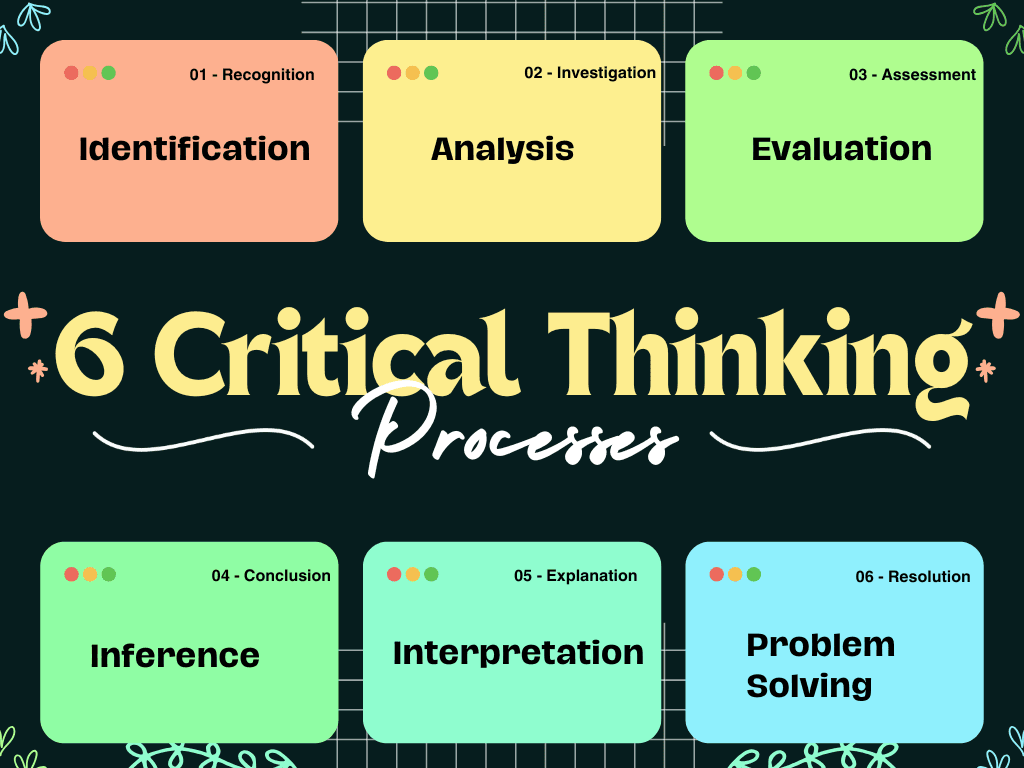
Core Stages of Problem-Solving
In any professional setting, effective problem-solving is both a logical and creative process. It’s not only about analyzing issues but also about finding innovative ways to address them. Here’s how professionals can apply each stage practically in the workplace.
1. Identifying the Problem
The first and most crucial step is to clearly define what’s wrong. Often, teams spend time fixing the wrong issue because they haven’t identified it accurately.
For instance, if a client complains about delayed project delivery, the real problem might not be the delivery itself but unclear timelines or misaligned expectations. Recognizing the root of the issue ensures all efforts are directed at the right target.
2. Analyzing Root Causes
Once the problem is identified, dig deeper to uncover why it’s happening. Professionals can use methods like the “5 Whys” or root cause analysis to pinpoint the underlying factors.
For example, a manager noticing frequent team burnout might analyze workload distribution, unrealistic deadlines, or lack of delegation to find the main triggers.
3. Generating Possible Solutions
At this stage, creativity plays a key role. Brainstorming multiple approaches allows professionals to explore both conventional and out-of-the-box ideas.
In a situation like internal communication breakdown, solutions could include adopting a project management tool, setting clear communication protocols, or introducing weekly team syncs.
4. Selecting the Best Approach
After listing potential solutions, it’s time to weigh the pros and cons of each. Professionals evaluate which solution is most feasible, cost-effective, and impactful.
For instance, when handling a client complaint, choosing to schedule a transparent discussion and offer a timeline revision might be more effective than sending multiple apology emails.
5. Implementing and Evaluating Results
A plan only works when it’s executed and measured. Implementation requires coordination, while evaluation helps determine if the solution worked.
Suppose a manager introduces flexible work hours to reduce burnout, success can be tracked through feedback, productivity data, and team morale over time.
Connection Between Critical Thinking and Problem-Solving
Critical thinking and problem-solving are two sides of the same coin. While critical thinking focuses on analyzing, evaluating, and interpreting information, problem-solving uses that reasoning to create and implement real-world solutions.
Critical thinking feeds into effective problem-solving by improving judgment, reducing emotional bias, and promoting evidence-backed decisions. Professionals who think critically are less likely to jump to conclusion, they explore multiple perspectives before deciding the best path forward.
Example: Critical thinking helps professionals look beyond assumptions, leading to smarter, evidence-backed solutions. For instance, a project lead might realize a missed deadline isn’t due to inefficiency but unclear communication, a conclusion reached through critical analysis rather than blame.
| Aspect | Critical Thinking | Problem-Solving |
|---|---|---|
| Focus | Understanding and analyzing situations | Finding and implementing solutions |
| Approach | Logical, reflective, evidence-based | Practical, action-oriented |
| Outcome | Better judgment and decision-making | Tangible results and improved performance |
| Mindset | Questioning, objective | Creative, proactive |
Common Barriers Faced by Professionals
Even skilled professionals struggle to apply critical thinking and problem-solving consistently. Here are a few common barriers, and simple strategies to overcome them.
1. Cognitive Biases (Confirmation, Anchoring Bias)
Bias clouds judgment and limits open-minded analysis.
Strategy: Use frameworks like the “5 Whys” to challenge assumptions, or invite colleagues to provide alternative perspectives.
2. Emotional Barriers (Fear of Failure, Ego, Stress)
Emotions can block logical thinking or discourage risk-taking.
Strategy: Practice mindfulness and emotional regulation before decision-making; pause, breathe, and reassess the situation objectively.
3. Time Pressure and Lack of Reflection
Quick decisions often overlook deeper insights.
Strategy: Build short reflection moments into your schedule, even five minutes after a meeting can help you think more critically next time.
4. Groupthink and Workplace Hierarchies
Agreeing with authority or majority views can suppress innovation.
Strategy: Encourage open dialogue, ask “What if?” questions, and assign a “Devil’s Advocate” role during discussions.
How to Improve Critical Thinking Skills
In today’s workplace, developing critical thinking skills helps professionals make thoughtful, data-driven decisions and adapt to complex challenges.
Here’s how to improve and develop critical thinking skills effectively:
Question assumptions before reacting. Don’t accept things at face value, always ask why something is being done a certain way.
Evaluate information sources. Check for credibility, bias, and supporting evidence before trusting data or opinions.
Engage in reflective journaling. After major meetings or decisions, jot down what influenced your choices and what you might change next time.
Participate in debates or discussions. Constructive conversations sharpen reasoning and expose you to diverse viewpoints.
Play “Devil’s Advocate.” Challenge your own conclusions to ensure they’re logical and evidence-based.
Manage emotions while evaluating situations. Emotional balance allows clearer, more rational thinking.
Over time, these small actions build stronger analytical habits, helping professionals approach every problem with clarity and confidence.
How to Improve Problem-Solving Skills at Work
Strong problem-solving skills empower professionals to handle challenges proactively, not reactively. The key is to combine structure with creativity.
Practical ways to enhance and improve problem-solving skills:
Break problems into smaller parts. This prevents overwhelm and helps tackle one cause at a time.
Use structured models like the 5 Whys, Root Cause Analysis, or Fishbone Diagram to understand the “why” behind every issue.
Brainstorm creatively. Involve your team to generate multiple ideas before deciding on one.
Test small-scale pilots before large implementations to minimize risks.
Reflect on past outcomes. Analyze both successes and failures to identify what worked and what didn’t.
Seek feedback from mentors or peers. Outside perspectives often reveal blind spots.

Mini Self-Assessment:
Rate your current problem-solving approach:
Reactive – I respond after issues arise.
Analytical – I identify causes before acting.
Proactive – I anticipate problems and plan ahead.
Frameworks and Tools for Professionals
Professionals can strengthen both critical thinking and problem-solving using proven frameworks. Here are some practical tools to apply at work:
SWOT Analysis: Evaluate Strengths, Weaknesses, Opportunities, and Threats before making major decisions.
Pareto Principle (80/20 Rule): Focus on the 20% of efforts that yield 80% of results.
Six Thinking Hats (Edward de Bono): Look at problems from different perspectives, logical, emotional, creative, and factual.
PDCA (Plan-Do-Check-Act): Apply this continuous improvement model to refine processes and strategies.
Decision Matrix: Compare multiple solutions based on weighted criteria like cost, time, and impact.
Using these frameworks ensures that workplace decisions are strategic, data-driven, and balanced.
Real-World Scenarios and Case Studies
Real-world applications make these skills tangible:
Workflow Efficiency: A product team used critical thinking to analyze workflow delays and discovered redundant approval steps, improving delivery speed by 30%.
Conflict Resolution in a Remote Team: A project manager applied structured problem-solving to resolve miscommunication by setting weekly syncs and transparent reporting tools.
Strategic Redesign: A marketing lead critically analyzed campaign data and realized creative content wasn’t the issue, timing was. Adjusting the schedule increased engagement significantly.
These examples show how critical thinking and problem-solving skills drive measurable results across professional settings.
Techniques to Practice Daily
Busy professionals can still develop these skills with small, consistent habits:
Analyze one decision you make each day, what facts influenced it?
List three assumptions before starting a major task.
After every meeting, reflect: What went well? What could improve?
Ask a colleague to challenge your next idea to test its logic.
These micro-practices compound over time, building stronger critical thinking and problem-solving reflexes.
Long-Term Development Tips
True growth happens with deliberate effort and mindset shifts.
Adopt a growth mindset: View challenges as learning opportunities, not setbacks.
Embrace feedback: Use constructive criticism to refine your reasoning.
Take structured learning courses: Develop critical thinking and problem-solving through guided programs like PlanetSpark’s Professional Skills Courses, which focus on communication, reasoning, and leadership for adults.
Stay curious: Read case studies, attend webinars, and analyze business decisions to expand your perspective.
By combining self-reflection with continuous learning, professionals can transform the way they think, decide, and lead.
Get Acquainted with Our Top Educators
Top 1% certified experts who make learning engaging and impactful.

 Aanchal Soni
Public Speaking
 10+ Years
 Anisha Gupta
Spoken English
16+ Years Ankita Singh8+ Years
 Ankur Bhardwaj
Maths
10+ Years Anshul Gupta
Public Speaking
5+ Years Banani Garai
TESOL-certified educator
30+ Years Deepa Kaushal
Spoken English
2+ Years Dhakshayani Kannan
 Divya Khangarot
Public Speaking & Creative Writing
4+ Years Divya Solanki
Maths
11+ Years Fahira Khan
 Kajal Mishra
 Maria Antony
English for Non Native Speakers
8+ Years Mariya Ali
 Mariyam Farhana B
 Priya Badotiya
Public Speaking
7+ Years Roohi Kalra
 Ranjana Pathania
Our Impact!

Sharpen Your Mind, Strengthen Your Impact
Critical thinking and problem-solving are no longer optional, they are essential tools for professional success. In today’s fast-paced and unpredictable work environment, the ability to analyze information objectively, question assumptions, and design effective solutions sets high-performing professionals apart. By integrating these skills into daily decision-making, you not only solve immediate challenges but also build the capacity to innovate, lead, and adapt.
Continuous practice, reflection, and learning are the keys to mastery. Whether it’s analyzing a project setback, managing a team conflict, or designing a new strategy, every situation offers an opportunity to think deeper and act smarter. Strengthen these skills, and you’ll see your professional impact, and confidence, grow exponentially.

Ranjit Nahak (TEDx VGS Youth)
From confident conversations to captivating crowds, Ranjit Nahak has made his mark as a TEDx Youth Speaker at TEDx VGS Youth. His powerful thought-provoking ideas reflect the clarity & communication skills he’s honed through his journey at PlanetSpark.

Ashwin Sathish (TEDx Speaker)
Ashwin Sathish, Grade 8 from New Delhi, stood tall as a TEDx Speaker, sparking conversations that truly matter. From classroom confidence to commanding a global stage, his journey reflects the power of voice, vision, and courage.

Dr. Ram Behin (Forbes Conference Speaker)
Dr. Ram's journey from mastering public speaking to making his mark at the Forbes Conference showcases how PlanetSpark transforms passion into impactful communication.
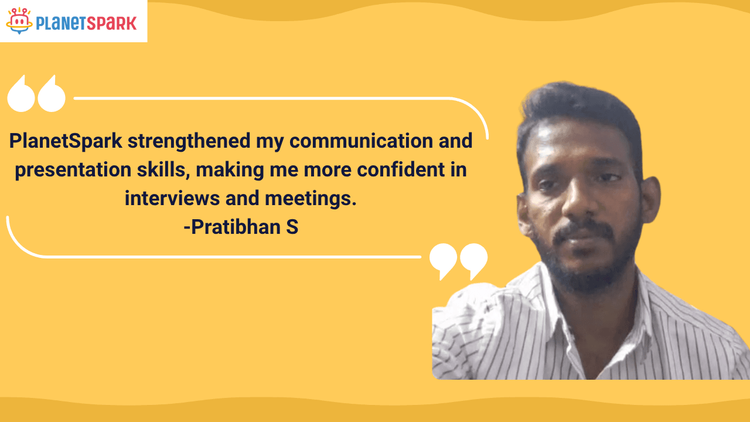
Pratibhan S
PlanetSpark helped me communicate confidently in meetings and interviews, driving real career growth.
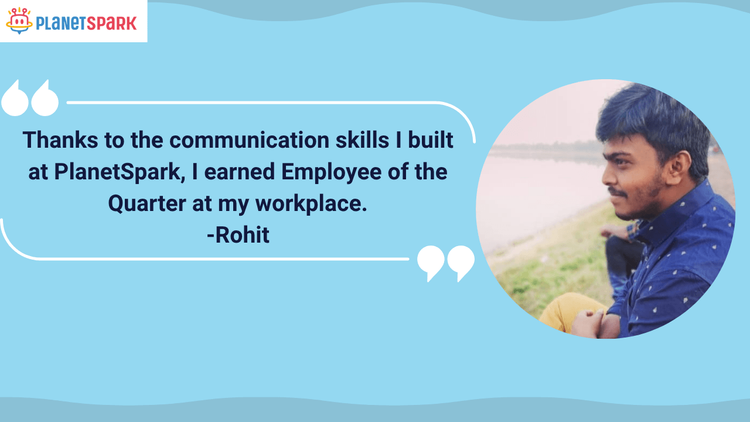
Rohit (Employee of the Quarter)
PlanetSpark helped me communicate more confidently at work, and I was proud to be named Employee of the Quarter.
Making Headlines Nationwide
Featured in leading media for transforming individuals into confident, expressive, and stage-ready public speakers.

How Binny Bansal-Backed PlanetSpark Reached Break-Even And Beat The Edtech Blues

PlanetSpark keeps sailing in the edtech downturn
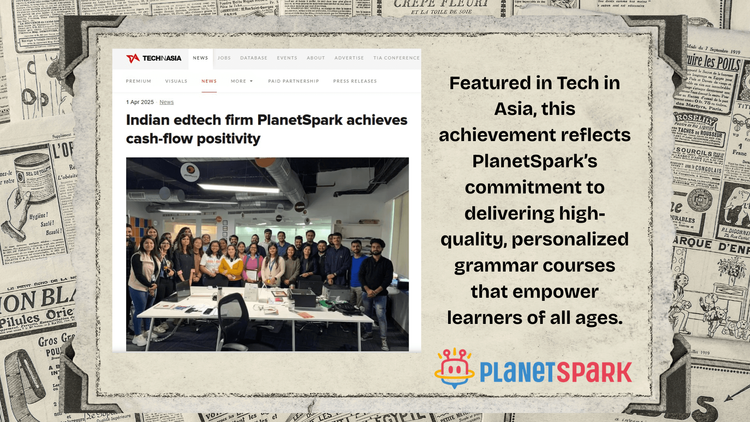
Featured in Tech Asia
Frequently Asked Questions
Critical thinking means the ability to think clearly, logically, and independently. It involves evaluating information, identifying biases, and making reasoned decisions based on evidence rather than assumptions. For professionals, developing critical thinking skills leads to stronger decision-making and improved problem-solving at work.
Critical thinking skills include observation, analysis, interpretation, evaluation, and reflection. In the workplace, they help professionals assess complex situations, make data-driven decisions, and avoid emotional or biased judgments. Strong critical thinkers can understand problems from multiple perspectives and choose the most effective solutions.
Problem-solving skills refer to the ability to identify, analyze, and resolve challenges efficiently. These skills are essential in professional environments where quick, practical, and creative solutions are needed. Effective problem solvers improve productivity, teamwork, and organizational success by turning obstacles into opportunities.
To improve problem-solving skills, start by breaking down problems into smaller parts, identifying root causes, and brainstorming multiple solutions. Use structured models like the 5 Whys, Fishbone Diagram, or SWOT Analysis. Test ideas on a small scale, gather feedback, and refine your approach. Over time, this structured yet creative method enhances both confidence and competence.
You can develop critical thinking skills by questioning assumptions, evaluating data sources carefully, engaging in discussions, and reflecting on decisions after meetings. Practicing “Devil’s Advocate” exercises, reading diverse viewpoints, and journaling your reasoning process are effective ways to improve critical thinking daily.
Critical thinking and problem-solving skills are closely linked. Critical thinking helps professionals assess situations objectively and identify the real issue, while problem-solving uses that analysis to design and implement effective solutions. In simple terms, critical thinking shapes how you approach a problem, and problem-solving defines how you act on it.
Examples include conflict resolution, project management, risk assessment, and workflow optimization. For instance, handling a client complaint, improving internal communication, or reducing team burnout all require strong problem-solving skills that combine logic, empathy, and creativity.
To enhance problem-solving skills, focus on continuous learning and reflection. Apply tools like Root Cause Analysis or Pareto Principle (80/20 Rule), involve your team in brainstorming sessions, and review what worked or failed in past decisions. Learning from experience and feedback helps professionals become more proactive and strategic problem solvers.
Common barriers include cognitive biases like confirmation bias, emotional stress, time pressure, and groupthink. Overcome these by practicing mindfulness, using structured thinking frameworks, encouraging open dialogue, and asking “why” multiple times to uncover deeper causes.
Employers highly value professionals who can think critically and solve problems effectively. These skills improve judgment, innovation, and adaptability, qualities that lead to stronger leadership and career advancement. Developing critical thinking and problem-solving skills empowers you to make smarter decisions and add long-term value to your organization.
Loading available times...