
Etiquette in Communication: Meaning, Rules, Types and Skills
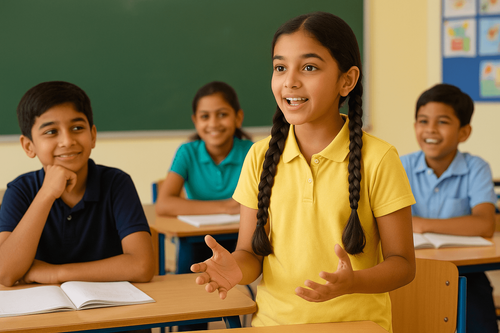

Etiquette in communication means using polite, respectful and clear behavior while interacting with others. Good etiquette in communication helps people understand your message without confusion. It also builds trust, maintains relationships and creates a positive impression.
The focus keyword etiquette in communication is essential for anyone who wants better personal and professional relationships. Whether you speak, write or communicate digitally, following the right etiquette will help you express ideas correctly.
Importance of Etiquette in Communication
Etiquette in communication is important because it strengthens relationships and improves clarity. It helps you express ideas in a polite and respectful manner. When people follow proper communication etiquette, misunderstandings reduce and teamwork improves.
Key reasons why it matters:
Builds trust between individuals
Makes conversations smooth
Improves professional image
Reduces conflicts
Helps conversations stay respectful
Types of Etiquette in Communication
1. Verbal Communication Etiquette
This involves spoken communication. The way you speak, tone, clarity and politeness play a major role.
Important elements:
Speaking clearly
Using polite language
Maintaining a calm tone
Avoiding interrupting others
Respectful word choice
2. Non Verbal Communication Etiquette
It includes body language, facial expressions and gestures. Your body often speaks louder than your words.
Important elements:
Maintaining eye contact
Smiling politely
Sitting confidently
Avoiding negative gestures
Understanding others body language
3. Written Communication Etiquette
This applies to emails, WhatsApp messages, reports and letters.
Important elements:
Clear and correct language
Proper formatting
Respectful tone
Avoiding unnecessary abbreviations
Proofreading before sending
4. Digital Communication Etiquette
With online communication increasing, digital etiquette is very important.
Important elements:
Respecting others privacy
Avoiding all caps while typing
Not spamming
Responding on time
Using appropriate language
Key Principles of Etiquette in Communication
Respect is the foundation of communication
Listen actively
Speak only when required
Be honest and clear
Avoid distractions
Be open minded
Do not assume
Maintain professionalism
Stay patient and calm
Etiquette in Professional Communication
Professional etiquette helps maintain a positive environment in the workplace.
Best practices:
Use formal greetings
Respond on time
Do not talk too loudly
Maintain eye contact
Be concise
Avoid gossip
Appreciate others politely
“Clear communication builds confidence and better connections.”
Enroll in PlanetSpark’s live communication classes for rapid growth.
Etiquette in Personal Communication
Good etiquette improves relationships with friends, family and loved ones.
Key points:
Listen without interrupting
Do not criticize harshly
Speak calmly
Express gratitude
Be supportive
Avoid judging others
Etiquette in Group Communication
When speaking in a group, etiquette plays a major role in maintaining harmony.
Follow these rules:
Wait for your turn
Value diverse opinions
Do not dominate the conversation
Keep the discussion relevant
Respect time limits
Etiquette in Communication for Students
Students must practice good behavior while talking to teachers, classmates or during group projects.
Tips for students:
Maintain politeness
Ask questions respectfully
Stay focused
Submit written work neatly
Use respectful language
Etiquette in Communication for Teachers
Teachers with good communication etiquette become better leaders and role models.
Key practices:
Listen to students
Use encouraging words
Maintain clarity
Offer feedback gently
Stay patient
Etiquette in Communication in the Workplace
Points to remember:
Attend meetings on time
Keep messages short
Appreciate coworkers
Address people with their proper titles
Use professional language
Etiquette in Online Meetings
With remote work growing, these rules are essential.
Keep the camera on
Mute when not speaking
Avoid background noise
Dress properly
Speak confidently
Join on time
Etiquette in Telephone Communication
Telephone conversations require clarity.
Introduce yourself
Speak clearly
Avoid multitasking
Listen carefully
Confirm important details
Etiquette in Communication for Leaders
Leaders must communicate with respect and authority.
Key rules:
Use motivating words
Accept constructive feedback
Give clear instructions
Treat everyone equally
Stay approachable
Benefits of Practicing Etiquette in Communication
Better relationships
Improved workplace productivity
Increased clarity
Stronger leadership
Fewer conflicts
Positive personality development
Better reputation
“Good communication skills open doors to new opportunities.”
Boost your child’s communication with PlanetSpark expert trainers.
Common Mistakes to Avoid in Communication Etiquette
Interrupting others
Speaking too loudly
Using disrespectful language
Lack of clarity
Not listening properly
Using negative body language
Examples of Etiquette in Communication
Simple examples:
Saying please and thank you
Listening without interrupting
Using polite words
Apologizing when needed
Keeping eye contact
How to Improve Etiquette in Communication
Step by step:
Practice listening
Choose words carefully
Observe others
Control your tone
Maintain good posture
Be mindful of time
Ask questions respectfully
Communication Etiquette in Customer Service
Customer service requires patience and politeness.
Greet every customer politely
Listen carefully
Offer clear solutions
Use positive words
Follow up professionally
Communication Etiquette in Emails
Follow these steps:
Start with a greeting
Write clear subject lines
Keep paragraphs short
Maintain a respectful tone
End with a polite closing
Etiquette in Communication for Interviews
Important tips:
Dress professionally
Maintain eye contact
Answer clearly
Speak confidently
Avoid negative comments
Etiquette in Written Assignments and Reports
Use proper formatting
Maintain structure
Keep content relevant
Avoid spelling errors
Follow instructions clearly
“Respectful communication strengthens every relationship.”
Help your child learn polite speaking with PlanetSpark classes.
How Etiquette in Communication Builds Confidence
Good etiquette enhances confidence because you express yourself clearly and respectfully. People listen more attentively when you speak politely. It also helps you form stronger connections, which boosts your self confidence.
Role of Etiquette in Communication for Building Trust
Trust grows when communication is clear, respectful and consistent. Etiquette in communication ensures that you express your ideas without offending or confusing the other person. When you speak with kindness and patience, people feel more comfortable opening up to you. This comfort becomes the base of trust.
Good communication etiquette also shows that you value the other person’s feelings and time. People are more likely to trust someone who listens sincerely and responds thoughtfully. Whether you are at work, school or home, trust develops faster when conversations are polite and meaningful.
Key trust building etiquettes:
Speak honestly and avoid exaggerations
Maintain natural eye contact to show sincerity
Keep your promises and follow through
Apologize genuinely when you make a mistake
Use respectful and positive language
Essential Do’s of Etiquette in Communication
Good communication is a skill that becomes better with practice. When you follow the right etiquette, people understand your message easily and respond with the same respect. Practicing these do’s helps you become more confident, professional and emotionally mature.
Do’s:
Listen carefully before responding because listening is the foundation of effective communication.
Use simple and clear words to avoid confusion.
Maintain a friendly and calm tone to make the conversation comfortable.
Think before you speak so that your words do not hurt or offend.
Respect everyone’s time by staying on topic and avoiding unnecessary delays.
Important Don’ts of Etiquette in Communication
Just as there are good practices to follow, there are also habits to avoid. These don’ts can damage your image and create barriers between you and the other person. Understanding what not to do helps you communicate more responsibly.
Don’ts:
Do not interrupt someone, as it shows impatience and disrespect.
Do not talk too fast, because it makes your message unclear.
Do not make assumptions about what the other person feels.
Do not use harsh or rude words even if you disagree.
Do not ignore messages or calls without a valid reason, especially in professional communication.
Etiquette in Communication for Conflict Resolution
Conflicts are a natural part of life. What matters is how you handle them. Etiquette in communication plays a crucial role in resolving conflicts peacefully. When you stay calm and respectful, the other person becomes more willing to understand your perspective. This reduces tension and encourages cooperation.
Conflict resolution requires patience and empathy. You must focus on understanding the root cause instead of winning the argument. Using polite communication helps both sides feel valued.
Tips to handle conflicts politely:
Stay calm and patient even when the situation is stressful
Allow the other person to speak without interruption
Use neutral and non emotional language
Focus on facts instead of personal attacks
Look for solutions that benefit both sides
“Confident speaking begins with consistent practice.”
Start PlanetSpark communication training for daily improvement.
How Etiquette in Communication Improves Teamwork
Teamwork improves when everyone communicates with respect. Etiquette in communication helps team members express ideas openly while maintaining harmony. When communication is positive, the team becomes more productive and creative.
Good communication etiquette ensures that every member feels heard and valued. It also prevents misunderstandings by keeping discussions clear and structured. Teams that follow proper etiquette build stronger, long lasting relationships.
Etiquette rules for teamwork:
Share ideas clearly and confidently
Appreciate the contributions of teammates
Avoid negative comments or sarcasm
Communicate expectations early to avoid confusion
Keep the entire group informed about progress
Etiquette in Communication for Public Speaking
Public speaking requires both confidence and clarity. When you use proper etiquette in communication, your message becomes more impactful. A polite speaker naturally gains the attention and respect of the audience.
Practicing proper communication etiquette helps you avoid nervous habits, makes you sound more confident and ensures that your message is easy to follow. Whether you speak at school, workplace or community events, etiquette enhances your stage presence.
Tips for speakers:
Greet the audience politely before starting
Speak slowly so that everyone can understand
Use simple examples to make your message relatable
Maintain eye contact to connect with the audience
Appreciate the audience for listening at the end
Etiquette in Communication for Social Media
Social media communication must be polite and responsible because your words reach a large number of people. Etiquette in communication is extremely important in the digital world to avoid misunderstandings and maintain a positive online presence.
Responsible online behavior shows maturity and respect. Whether you are posting, commenting or messaging, your tone and words reflect your personality. Practicing digital etiquette also helps you build a positive reputation online.
Follow these rules:
Think carefully before posting anything
Avoid negative or hurtful comments
Do not share personal information publicly
Use polite words even during disagreements
Always credit original creators for their content
How Children Can Learn Etiquette in Communication
Children observe and learn from the people around them. Teaching them etiquette in communication at a young age helps them grow into confident and respectful individuals. Good communication skills improve their social behavior, academic performance and emotional intelligence.
Parents and teachers play a major role in shaping these habits. With regular guidance and practice, children can become excellent communicators.
Ways to teach children:
Encourage polite greetings in daily life
Teach them to wait patiently for their turn
Help them express their feelings respectfully
Correct rude behavior gently without shouting
Praise them when they communicate politely
“Effective communication turns ideas into impact.”
Sign up for PlanetSpark’s structured communication skills program.
Why Tone Matters in Etiquette in Communication
Tone is an essential part of communication. It conveys emotions and intentions even more strongly than words. Using a respectful tone is a major part of etiquette in communication because it ensures that your message is received positively.
A harsh tone can make even a simple message sound rude. A calm tone, on the other hand, creates comfort and helps people listen better. Paying attention to your tone makes your communication more effective and respectful.
Consider these points:
Maintain a steady pitch without shouting
Avoid sounding irritated or frustrated
Match your tone with the meaning of your message
Use a friendly tone in casual conversations
Use a professional tone during formal discussions
Cultural Etiquette in Communication
Every culture has its own unique communication style. Understanding cultural etiquette in communication helps you interact respectfully with people from different backgrounds. This is especially important in workplaces, travel, multicultural communities and online communication.
Being culturally aware shows that you respect differences and are willing to learn. It also prevents unintentional disrespect and strengthens relationships.
Cultural etiquette includes:
Greeting styles that vary from culture to culture
Comfort levels with personal space
Meaning of hand gestures
Rules about eye contact
Attitudes toward time and punctuality
Build Strong Communication Etiquette with Expert Guidance
If you want to develop strong etiquette in communication, PlanetSpark is one of the best platforms to learn from. Their communication skills and personality development programs focus on helping children speak confidently, think clearly and express ideas politely in every situation.
PlanetSpark trains students through live classes, real conversations, speaking activities and interactive sessions. This helps them practice correct tone, body language, listening skills and polite communication on a daily basis. The platform ensures that children understand how to communicate respectfully at school, home, and social environments.
Why PlanetSpark is a great choice:
Live classes with expert communication trainers
Activities that build confidence and clarity
Focus on polite speaking, listening and conversation etiquette
Practical exercises for public speaking and group communication
Continuous feedback for improvement
Supportive environment that encourages positive behavior
PlanetSpark not only improves communication etiquette in children but also shapes their personality, confidence and leadership skills for the future.
The Power of Good Etiquette in Communication
Etiquette in communication is more than just using polite words. It is a complete skill that shapes how others see you and how effectively you deliver your message. When you communicate with clarity, respect and patience, people understand you better and respond more positively. Good communication etiquette strengthens personal relationships, improves professional growth and boosts confidence in every interaction.
By practicing the right behaviors such as listening actively, choosing the right tone, respecting differences and speaking thoughtfully, anyone can enhance their communication style. Whether at home, school, work or online, etiquette in communication plays a key role in creating trust and reducing misunderstandings. It is a lifelong skill that adds value to every conversation and helps you grow both personally and professionally.
“Strong communication skills start with choosing the right words.”
Join PlanetSpark’s communication skills classes and start improving today.
Frequently Asked Questions
Etiquette in communication refers to using respectful words, a polite tone, active listening and appropriate body language while talking to others. It helps make conversations smooth and meaningful.
It builds trust, prevents misunderstandings, improves relationships and helps you express ideas confidently. Good etiquette makes you appear mature and responsible.
You can improve by practicing active listening, thinking before you speak, maintaining a positive tone, and using polite words like please, thank you and sorry.
Some examples include not interrupting others, maintaining eye contact, respecting personal space, replying on time and being clear in your message.
It makes teamwork smoother, creates a respectful environment, reduces conflicts and helps you present ideas confidently during meetings or discussions.
Yes. Children can learn through daily practice, polite greetings, waiting for their turn and observing adults. Early learning builds strong confidence and behavior.