
Extensive Reading:How PlanetSpark Helps Children Read Learn Faster


Table of Contents
- What Is Extensive Reading?
- Key Features of Extensive Reading
- Extensive Reading vs Intensive Reading
- Benefits of Extensive Reading With Real Examples
- How to Practise Extensive Reading Effectively?
- Types of Materials Used in Extensive Reading
- Examples of Extensive Reading Activities
- How Extensive Reading Improves Vocabulary and Fluency?
- Sample Extensive Reading Plan Simple and Practical
- Aaryman Found Joy in Reading and Speaking Confidently!
- Why Choose PlanetSpark for Communication Skills?
- Small Daily Reading Builds Lifelong Confidence!
Are you Struggling to read long passages? or feeling hesitant while speaking in English?
Many students hesitate while reading long passages or shy away from English books, which slows down their learning progress. The right reading approach can change this completely. Extensive reading allows learners to enjoy reading simple, interesting content without pressure, helping them gain fluency, confidence, and comprehension naturally.
This blog covers the meaning of extensive reading, key features, comparisons with intensive reading, benefits, practical strategies, and examples. It also includes a ready-to-use reading plan and explores how PlanetSpark’s communication skills course enhances reading fluency and vocabulary, making learning more effective and enjoyable for students of all ages.
What Is Extensive Reading?
Extensive reading means reading large amounts of easy, enjoyable texts to build fluency and comprehension. Extensive reading improves vocabulary through repeated exposure, increases reading speed, and strengthens overall language proficiency. Learners read for meaning instead of analyzing grammar, which supports faster progress in language learning.
Key Features of Extensive Reading
Extensive reading is unique because it focuses on comfort, enjoyment, and fluency. Its main features include:
Student Choice: Readers select materials based on interest, which keeps motivation high.
Easy to Understand Content: Texts are simple, allowing learners to read smoothly without frequent interruptions.
Independent Reading: Learners read at their own pace, promoting self-confidence.
Focus on Comprehension: The goal is to understand the story or article, not every single word.
Regular Practice: Reading consistently, even for short periods, produces long-term results.
These features make extensive reading ideal for students struggling with confidence and help them enjoy English without stress.
Extensive Reading vs Intensive Reading
Extensive reading and intensive reading serve different purposes.
Extensive Reading: Students read longer, easier texts for pleasure. Focus is on overall meaning, fluency, and exposure.
Intensive Reading: Short, complex passages are studied for detailed understanding. Teachers often focus on grammar, vocabulary, and sentence structure.

Why Extensive Reading Is Important for Students?
Students often struggle with slow reading speed, comprehension gaps, and low confidence, which can make learning a stressful task. Extensive reading addresses these challenges naturally and effectively.
Here’s why it matters:
1. Improves Reading Fluency
Fluency is the ability to read smoothly, accurately, and with understanding. When students practise extensive reading regularly, they encounter more words in context, which allows them to recognise patterns, sentence structures, and punctuation intuitively. This repeated exposure helps students read faster without constantly pausing to decode words. For example, a Class 7 student reading a short story daily may notice that within a few weeks, sentences that once felt long and confusing become easy to comprehend.
2. Boosts Confidence in Reading
Many students feel anxious when faced with long passages or complex vocabulary. Extensive reading builds confidence because learners start with simple, engaging material they can understand easily. Each completed book or article provides a sense of achievement, encouraging students to take on slightly more challenging content over time. Confidence grows as reading becomes enjoyable rather than a task to dread.
3. Strengthens Comprehension Skills
Extensive reading improves comprehension by exposing students to different ideas, contexts, and writing styles. Unlike intensive reading, where focus is on dissecting sentences, extensive reading allows learners to focus on the main ideas and overall meaning. This develops a “big picture” understanding and helps students grasp context, infer meanings, and follow narratives without getting stuck on individual words.
4. Expands Vocabulary Naturally
Encountering words repeatedly in context helps students learn their meanings and usage without rote memorisation. Extensive reading introduces new words in real sentences, making vocabulary learning more organic and lasting. Over time, students can use these words confidently in writing and conversation.
Start your child’s reading journey today with PlanetSpark Communication Skills course
5. Develops Critical Thinking and Analytical Skills
While the primary focus is fluency and comprehension, extensive reading also indirectly enhances analytical skills. Students learn to connect ideas, predict outcomes, and reflect on the narrative. These skills translate to better problem-solving abilities in academics and personal projects.
6. Supports Overall Academic Success
Fluency, comprehension, and vocabulary collectively strengthen performance across subjects. Students who practise extensive reading can understand textbooks faster, write essays more coherently, and participate confidently in discussions. Reading regularly reduces the cognitive load during exams, allowing learners to focus on understanding rather than decoding words.
7. Encourages Lifelong Reading Habits
One of the most significant long-term benefits of extensive reading is habit formation. Students who enjoy reading for pleasure develop curiosity, creativity, and a love for learning that lasts beyond school. This habit contributes to personal growth, career readiness, and effective communication.extensive reading
Benefits of Extensive Reading With Real Examples
Extensive reading is not just a classroom exercise; it provides long-term benefits that transform reading habits, comprehension, and confidence.
Here’s how it works:
1. Builds Fluency Naturally
When learners read large volumes of text regularly, their reading speed increases naturally. For example, a Class 6 student reading one short story every day can go from reading 50 words per minute to 90 words per minute in just a few weeks. Fluency allows students to enjoy reading without constantly pausing or re-reading.
2. Expands Vocabulary in Context
Extensive reading exposes learners to new words repeatedly. A teenager reading online articles about topics they enjoy learns new words effortlessly, understanding meanings through context rather than memorising lists. This approach strengthens both comprehension and retention.
3. Improves Comprehension
Reading more texts helps students recognise sentence patterns, story structures, and logical flow. For instance, a college student reading a novel regularly begins to understand complex sentences and infer meanings naturally, which boosts comprehension in exams and daily reading tasks.
4. Builds Confidence
Consistently finishing books or articles gives learners a sense of achievement. This confidence carries over to speaking, writing, and classroom participation.
5. Encourages Enjoyment and Motivation
Unlike intensive reading, which can feel like a task, extensive reading is fun and interest-driven. When students choose materials they like, they read voluntarily, creating a positive reading habit.
Example in Real Life: A student who once struggled to read English articles now reads 2–3 short articles daily and actively participates in class discussions. This transformation is exactly what PlanetSpark aims to achieve through its communication skills course.
Explore guided reading, storytelling, and real-world examples at PlanetSpark.
How to Practise Extensive Reading Effectively?
Practising extensive reading effectively is about creating a sustainable, enjoyable reading habit rather than forcing memorisation. Here’s a step-by-step approach:
Step 1: Select the Right Material
Start with easy, interesting books or articles. Beginners should pick graded readers, comic books, or short stories that match their reading level.
Step 2: Set a Consistent Routine
Dedicate 15–30 minutes daily to reading. Consistency is more important than duration. Even short, focused sessions every day yield significant improvements over time.
Step 3: Focus on Meaning, Not Words
Instead of stopping for every unfamiliar word, encourage learners to understand the overall meaning. This builds fluency and reduces reading stress.
Step 4: Gradually Increase Difficulty
Once learners are comfortable, introduce slightly longer articles, novels, or non-fiction texts. This ensures continuous growth without overwhelming them.
Step 5: Make it Interactive
Discuss what has been read, summarise stories, or answer comprehension questions. Interactive engagement reinforces understanding and retention.
Step 6: Track Progress
Maintain a reading log with the number of pages or books read. Tracking progress motivates learners and shows tangible improvement.
Types of Materials Used in Extensive Reading
The success of extensive reading largely depends on the type of materials chosen. The right material makes reading enjoyable, motivating, and effective, while the wrong one can make learners feel overwhelmed or bored. Here’s a detailed guide on the materials most suitable for extensive reading:
1. Storybooks and Novels
Storybooks and novels are classic choices for extensive reading. They are engaging, full of narratives, and often written in simple language suitable for learners of all ages.
Benefits:
Help learners understand story structure and plot development.
Introduce new vocabulary naturally in context.
Build comprehension skills as readers follow characters and events.
Examples:
Short story collections for younger learners.
Age-appropriate novels for teens, such as adventure or mystery stories.
Tip for learners: Start with stories of personal interest. PlanetSpark encourages children to choose books they enjoy, which increases motivation and consistency.
Give your child the gift of confidence and strong communication skills.
2. Graded Readers
Graded readers are books specifically designed for learners at different proficiency levels. Vocabulary, sentence structures, and content complexity are carefully controlled.
Benefits:
Gradual progression from simple to complex texts.
Builds confidence as learners successfully finish each level.
Reinforces repeated exposure to words and phrases for better retention.
Examples:
Oxford Bookworms, Penguin Readers, or other leveled reading series.
PlanetSpark Advantage: The platform uses similar graded materials to ensure learners gradually increase their fluency without feeling stressed.
3. Articles and Blogs
Reading short, informative articles or blogs exposes learners to real-world language usage. These materials are often relevant to current events, hobbies, or educational topics.
Benefits:
Introduces students to practical vocabulary and sentence structures.
Improves comprehension of everyday English beyond textbooks.
Helps learners make connections between reading and real-world knowledge.
Examples:
Science blogs for teenagers.
Lifestyle articles for school learners.
Educational blogs on topics like history, geography, or technology.
Tip: Students should start with articles of interest and gradually explore a wider variety of topics. PlanetSpark integrates short articles into their communication skills course to make reading engaging.
4. Magazines and Comics
Magazines and comics are visual and interactive, which makes them particularly appealing to young learners. They combine images with simple text, making comprehension easier.
Benefits:
Visual cues aid understanding and retention.
Keeps learners motivated through fun and colorful content.
Encourages regular reading habits without pressure.
Examples:
Children’s magazines like National Geographic Kids.
Comics with simple storylines for younger learners.
Tip: Use comics and magazines as supplementary materials alongside storybooks for a fun mix of reading.
5. Non-Fiction Materials
Non-fiction materials include educational books, biographies, manuals, or travel guides. These are ideal for learners who enjoy factual content and want to improve both vocabulary and general knowledge.
Benefits:
Introduces academic and subject-specific vocabulary.
Enhances comprehension of informational texts.
Encourages curiosity and lifelong learning.
Examples:
Biography of a famous scientist.
Short guides on environmental topics.
Simple history or science books for school students.
PlanetSpark Tip: Students practicing extensive reading through non-fiction develop both language skills and analytical thinking. PlanetSpark’s communication skills course includes a mix of fiction and non-fiction for balanced learning.
Make reading and speaking enjoyable for your child.
6. Digital Resources
With technology, students can also explore e-books, online articles, educational apps, and audiobooks.
Benefits:
Accessibility anywhere, anytime.
Interactive features such as vocabulary highlights, pronunciation guides, and comprehension quizzes.
Encourages tech-savvy learners to integrate reading into daily life.
Examples:
E-books on tablets or Kindle.
Educational websites with short articles.
Audiobooks for listening and reading simultaneously.
Tip: Digital reading complements physical books and supports different learning styles. PlanetSpark combines online reading resources in its course to create a seamless, engaging learning experience.
Key Takeaways:
Materials should match the learner’s level and interest.
Mix fiction, non-fiction, visual, and digital resources for variety.
Gradually increase difficulty to challenge learners without causing frustration.
Consistent reading across multiple materials ensures vocabulary growth, fluency, and comprehension.
Examples of Extensive Reading Activities
Extensive reading activities help learners enjoy reading while naturally building fluency and comprehension. These activities can be used in classrooms, study groups, or at home. Here are some structured examples:
| Activity | Description | Ideal Age/Level |
|---|---|---|
| Independent Reading | Students choose their favourite book or article and read silently for 20–30 minutes daily. | Grade 4+ |
| Book Circles | Small groups discuss a book they are reading together, sharing favourite parts and summarising stories. | Grade 6+ |
| Reading Logs | Students maintain a journal recording pages read, new words learned, and thoughts about the story. | Grade 5+ |
| Silent Reading Marathon | A classroom or library session dedicated to uninterrupted reading of chosen books. | All ages |
| Weekly Reading Challenge | Learners aim to complete a chapter, short story, or article weekly and reflect on it in a short summary. | Grade 5+ |
These activities transform reading into a fun, interactive process, motivating learners to continue consistently.
Prepare for academic success with PlanetSpark’s reading and speaking program.
How Extensive Reading Improves Vocabulary and Fluency?
Extensive reading strengthens both vocabulary and fluency, which are essential skills for academic success and effective communication. Unlike rote learning, it exposes learners to language naturally, helping them internalise words and sentence structures.
1. Vocabulary Growth
When students read extensively, they encounter words repeatedly in different contexts. For example, the word “astonished” may appear in a story about a surprise party and then again in an adventure tale. Contextual repetition ensures deeper understanding than memorising word lists.
| Reading Exposure | Vocabulary Impact |
|---|---|
| Simple storybooks | Common words, expressions, basic sentence patterns |
| Articles and blogs | Medium-level vocabulary, everyday expressions |
| Novels and graded readers | Advanced words, idioms, context-based understanding |
2. Fluency Improvement
Fluency is about reading smoothly with natural speed and rhythm. Extensive reading allows learners to read longer passages without stopping, developing:
Natural phrasing
Reading speed
Understanding without constant translation
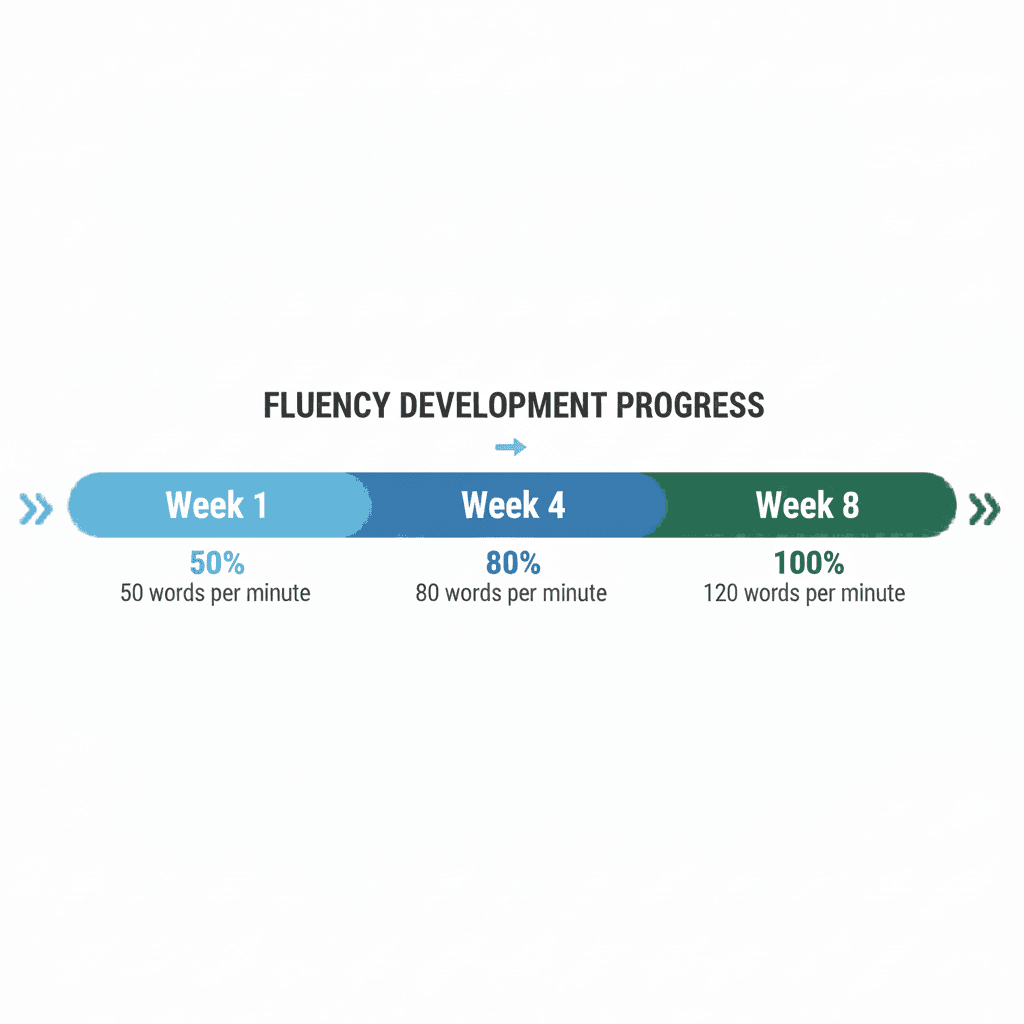
Example:
A Class 7 student reading 20 minutes daily notices they recognise new words without dictionaries, and sentences start to “flow” naturally. Their comprehension improves because the brain focuses on overall meaning instead of word-for-word translation.
Sample Extensive Reading Plan Simple and Practical
A structured reading plan helps learners integrate reading into daily routines without stress. Here’s a simple weekly plan using bullet pointers:
Monday: Read a short story for 15 minutes to build comprehension and vocabulary.
Tuesday: Read a blog or article for 15 minutes to practise contextual understanding.
Wednesday: Silent reading session for 20 minutes with a book of choice to improve fluency.
Thursday: Write a reading log entry for 10 minutes recording new words, pages read, and reflections.
Friday: Read a chapter from a graded novel for 20 minutes to work on longer passages.
Saturday: Participate in a book circle or discussion for 30 minutes, summarising the week’s reading.
Sunday: Review and reflect on favourite parts of the week’s reading for 15 minutes to reinforce comprehension and retention.
Aaryman Found Joy in Reading and Speaking Confidently!

Aaryaman became a published author, reflecting his creativity, communication skills, and confidence nurtured at PlanetSpark.
See how PlanetSpark transformed Aaryman’s reading and communication skills
Give your child the same confidence by enrolling them in a free trial class today.
Why Choose PlanetSpark for Communication Skills?
PlanetSpark’s Communication Skills course is designed to make reading, speaking, and comprehension enjoyable, structured, and effective for students. The course goes beyond just reading practice by focusing on building confidence, vocabulary, and fluency through interactive and personalised learning. Key highlights include:
Guided Reading Sessions: Expert trainers help students read confidently, improving comprehension and natural sentence flow.
Vocabulary Development: Context-based activities and repeated exposure to new words enhance understanding and retention.
Storytelling and Interactive Exercises: Learners practise reading aloud, summarising stories, and sharing ideas to strengthen speaking skills.
Personalised Learning Paths: Each student receives a customised learning plan aligned with their level, interests, and pace.
Fluency and Rhythm Practice: Structured exercises help students read smoothly and confidently, preparing them for academic and real-world communication.
Regular Feedback and Progress Tracking: Detailed feedback ensures learners know their strengths and areas for improvement.
Fun and Engaging Learning Materials: Storybooks, graded readers, articles, and interactive exercises make learning enjoyable and motivating.
Small Daily Reading Builds Lifelong Confidence!
Extensive reading transforms the way students approach English. By focusing on enjoyable, meaningful content, learners develop fluency, comprehension, and confidence. Regular practice strengthens vocabulary, reading speed, and communication skills naturally. PlanetSpark’s communication skills course supports this journey through structured guidance, interactive exercises, and expert mentorship, making reading a joyful and effective learning experience.
For more tips and strategies to strengthen reading, speaking, and overall communication,
Explore our detailed guides on-
How to Improve Communication Skills
8 Essential Reading Skills for Children
Intensive Reading Guide for Students
Frequently Asked Questions
Extensive reading is reading large amounts of easy, enjoyable material to improve fluency and comprehension. Focus is on understanding the overall story rather than memorising rules. PlanetSpark integrates extensive reading to enhance learning naturally.
Extensive reading builds fluency and enjoyment, while intensive reading focuses on detailed understanding and accuracy. Both complement each other for balanced language development.
Storybooks, graded readers, novels, magazines, comics, and simple articles are common examples. PlanetSpark provides similar guided materials in its course.
Start with easy books and short sessions. Gradually increase difficulty and duration. PlanetSpark’s course guides students step by step for maximum fluency gains.
Yes. PlanetSpark offers guided reading sessions, vocabulary exercises, and interactive activities to make reading comfortable and effective.
PlanetSpark’s Communication Skills course tailors lessons to every student’s reading and speaking level. Through customised learning paths, interactive exercises, and expert guidance, children progress at their own pace. This personalised approach ensures they build confidence, vocabulary, and comprehension effectively.
Yes. PlanetSpark makes learning engaging with storytelling, graded readers, interactive activities, and guided practice. Students not only improve fluency and comprehension but also develop a love for reading and speaking, making learning enjoyable and stress-free.