
How Kids Can Improve Their Tone for Better Communication
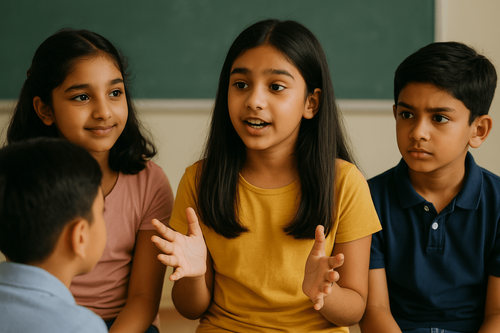

Table of Contents
- How Kids Can Improve Their Tone
- What Does Tone Mean in Communication?
- Why Tone Matters for Kids
- Signs Your Child Needs Tone Improvement
- Techniques to Understand Emotion in Tone
- Activities That Help Kids Practice Better Tone
- Tone Mistakes Kids Commonly Make
- How Parents and Teachers Can Help Kids Improve Their Tone
- Digital Communication: Tone in Texts and Voice Messages
- How Tone Affects Classroom Participation
- The Difference Between Tone and Volume
- Teaching Kids Tone Through Everyday Conversations
- How Tone Impacts Friendships and Social Skills
- Fun Games to Teach Tone Recognition
- How Tone Builds Confidence in Public Speaking
- Understanding Tone in Different Situations (home, school, pl
- How to Teach Kids Respectful Tone During Conflicts
- Positive Reinforcement Techniques for Better Tone
- How Reading and Storytelling Improve Tone Expression
- How Children with Shyness Can Improve Tone Gradually
- The Link Between Tone and Emotional Intelligence
- How Teachers Can Encourage Better Tone in Class
- Tone Mistakes Kids Make During Digital Learning
- Why Kids Copy Adults’ Tone Without Realising
- The Role of Listening Skills in Improving Tone
- How to Set Tone Rules at Home
- How to Help Kids Fix Tone Issues Without Hurting Their Confi
- Tone Exercises for Daily Practice
- How to Monitor Tone Improvements Over Time
- Why Choose PlanetSpark?
- Conclusion
Tone is the way kids sound when they speak not just the words they choose, but how they say them. A friendly tone can make conversations smoother, while a harsh or confused tone can lead to misunderstandings, even when the child’s intentions are good. As kids grow, learning to use the right tone becomes an important part of communicating confidently at home, in school, and with friends.
By understanding emotions, practicing expression, and becoming more aware of how their voice affects others, children can develop stronger relationships and express themselves clearly. This guide will help parents and kids explore easy strategies to improve tone and build better communication habits.
How Kids Can Improve Their Tone
Here are simple and effective ways kids can develop a better tone:
1. Practice mindful speaking
Teach kids to pause before they speak. This helps them adjust their emotions and tone.
2. Use “emotion check-ins”
Ask children how they feel and how that emotion might sound in their voice.
3. Model good tone at home
Kids learn tone by listening to adults. Using calm, respectful tone helps them copy it.
4. Read aloud with expression
Reading stories using happy, sad, excited, and calm voices improves tone awareness.
5. Practice volume control
Teach kids the difference between “indoor voice,” “outdoor voice,” and “classroom voice.”
6. Encourage slow and clear talking
Speaking slowly helps kids control loudness, emotion, and clarity.
With consistent practice, kids learn how to adjust their voice naturally, making their communication smoother and more confident.
What Does Tone Mean in Communication?
Tone is the way your voice sounds when you speak, happy, sad, excited, bored, angry, soft, or loud. It is not about what you say but how you say it. Kids often don’t realise that their tone can completely change the meaning of their words. For example, saying “Okay” in a cheerful voice sounds helpful, but saying “Okay” in a rude or annoyed tone can make someone feel bad. Tone helps others understand your feelings and intentions. When kids learn to control their tone, they can express themselves more clearly and avoid misunderstandings.
Teaching tone is about awareness: how your voice rises, falls, slows down, gets louder, or becomes softer. Once kids understand that tone is like adding “emotion” to their voice, they begin paying attention to how they sound. This builds confidence, empathy, and better communication skills that help them in everyday interactions.
Why Tone Matters for Kids
Tone plays a big role in how kids connect with others. Even if a child uses polite words, the wrong tone can make them sound rude or uninterested. This affects friendships, teamwork at school, and communication at home. Kids who learn good tone habits are better able to show respect, express emotions safely, and avoid unnecessary conflicts. Tone also affects how teachers, parents, and classmates respond to them.
A positive tone encourages cooperation and builds trust. A harsh or careless tone can lead to arguments, hurt feelings, or misunderstandings. Kids who understand tone become better listeners, better speakers, and more emotionally aware. It also helps them express their needs clearly like asking for help, sharing ideas, or making new friends. Tone matters because it builds stronger relationships and helps kids’ confidence grow in conversations.
Signs Your Child Needs Tone Improvement
Parents and teachers can often spot tone issues in everyday conversations. Some signs include:
Speaking too loudly or yelling without meaning to
Speaking too softly, making it hard for others to hear
Sounding rude even when the child didn’t intend to
Talking in a flat, emotionless voice
Using a harsh or irritated tone during simple conversations
Interrupting others or talking over them
Speaking too fast, making their words unclear
Using a whining tone when upset
Sounding sarcastic or dismissive without knowing it
These signs don’t mean the child is intentionally misbehaving, they simply show that the child needs guidance in understanding how their voice affects others. When kids learn to adjust their tone, their confidence, relationships, and communication skills improve naturally.
Techniques to Understand Emotion in Tone
Kids often feel emotions strongly but struggle to express them correctly. These techniques help:
Emotion-to-voice matching: Ask kids how “happy,” “sad,” or “angry” sounds. Let them try speaking in different emotional tones.
Mirror technique: Kids look in the mirror while speaking. They notice facial expressions and adjust their tone accordingly.
Emotion cards: Show emotion flashcards and ask them to say a sentence in the matching tone.
Voice recordings: Record the child saying a sentence in different tones. Listening back helps them understand how they sound.
Breathing exercises: Deep breathing calms their voice and prevents harsh tone.
Pause-and-think method: Teach kids to pause for two seconds before responding, especially when emotional.
These techniques make tone awareness fun and help kids gain emotional control while speaking.
Activities That Help Kids Practice Better Tone
Kids learn tone best through fun activities. Try these:
Role-play conversations (teacher-student, friends, shopkeeper-customer)
The “Tone Game”, where the child says the same sentence in different tones
Storytelling with expressions
Acting out emotions using simple scripts
Singing or rhythmic speaking to improve pitch and voice control
Reading dialogues aloud from comics or children’s books
Daily tone challenges like “today speak in a calm voice,” or “use friendly tone during meals”
These activities make learning tone playful and engaging, helping kids improve gradually without pressure.
Help your child speak confidently and respectfully, book a free PlanetSpark demo class today!
Tone Mistakes Kids Commonly Make
Kids often make tone errors without realising it. Common mistakes include:
Sounding irritated even when asking simple questions
Speaking too loudly when excited
Using a whining voice when frustrated
Talking too fast and becoming unclear
Interrupting conversations
Using a bossy tone with friends
Sounding disinterested or bored
Showing anger or impatience through their voice
Understanding these mistakes helps adults guide kids in correcting them gently. When children recognise their tone habits, they learn to adjust their voice depending on the situation.
How Parents and Teachers Can Help Kids Improve Their Tone
Adults play an important role in shaping tone habits. They can help by:
Modelling calm and polite tone
Praising good tone instead of just correcting mistakes
Helping kids identify emotions before responding
Giving examples of “better tone” without scolding
Using role-play to teach respectful speaking
Setting clear expectations like “Speak softly indoors”
Encouraging kids to express feelings in words, not tone
Creating a safe environment to talk openly
A supportive approach helps kids feel confident while learning healthier communication habits.
Digital Communication: Tone in Texts and Voice Messages
Kids often struggle with tone in digital communication because others can’t see their expressions. Teach kids to:
Use polite words like “please” and “thank you”
Add friendly phrases like “Sure!” or “No problem”
Avoid typing in ALL CAPS, which can look rude
Use emojis wisely to express emotions
Speak clearly and calmly in voice messages
Listen to their recordings before sending
Avoid sending messages when angry or upset
Learning digital tone helps kids stay respectful, friendly, and confident, whether in school chats, class groups, or messaging friends.
How Tone Affects Classroom Participation
Tone plays a major role in how kids express themselves during class discussions, presentations, and group activities. When children use a polite, confident tone, teachers are more likely to notice their contributions, and classmates respond more positively. A harsh, timid, or unsure tone can make kids sound uninterested or unprepared, even when they know the answer. This can hold them back from raising their hands or speaking up.
A well-balanced tone helps kids:
Ask questions confidently
Answer without sounding rude or scared
Participate positively in group tasks
Build trust with teachers
Improving tone also reduces misunderstandings, helping kids feel more comfortable and engaged in the classroom environment.
The Difference Between Tone and Volume
Kids often confuse tone with volume, but they’re not the same. Volume is how loud or soft a child speaks, while tone is the emotion or attitude behind the words. A child might speak loudly but still sound cheerful, or speak softly yet sound upset.
Understanding the difference helps kids adjust the way they speak depending on the situation.
Tone = feeling in the voice (happy, irritated, excited, bored)
Volume = loudness (high, medium, low)
Teaching kids to manage both makes them better communicators. For example, speaking softly with a kind tone works well in quiet places, while a confident tone with moderate volume is useful in class or group discussions.
Build your child’s communication skills from home, enroll in a PlanetSpark trial session now.
Teaching Kids Tone Through Everyday Conversations
Everyday interactions are the best way to teach tone naturally. Simple reminders during daily routines help kids understand how their voice affects others. Parents can demonstrate tone during greetings, requests, or problem-solving moments.
Useful strategies include:
Modeling polite tone during conversations
Asking kids how certain words sound, not just what they mean
Practicing rephrasing sentences in different tones
Encouraging kids to role-play common situations
When tone is taught in regular conversations not just during mistakes—kids learn faster and feel less corrected.
How Tone Impacts Friendships and Social Skills
A positive tone helps kids build strong friendships and avoid conflicts. Children who speak kindly are more approachable and easier to understand. On the other hand, an irritated or dismissive tone can make friends feel hurt, even when the words are harmless.
Good tone supports key social skills like:
Cooperative play
Sharing and turn-taking
Handling disagreements politely
Making new friends
Expressing feelings without causing misunderstandings
By learning better tone, kids improve their social presence and emotional intelligence.
Fun Games to Teach Tone Recognition
Tone becomes easier for kids to understand through playful activities. Games help them listen closely, act out emotions, and recognize how tone changes meaning.
Great tone-building games include:
Emotion Echo: Parent says a sentence in a tone; child repeats the same emotion.
Tone Detective: Child guesses the tone of a short sentence.
Act and Guess: Kids act out moods while speaking simple lines.
Tell It Differently: Kids say the same sentence in multiple tones, happy, sad, angry, excited.
These fun exercises make tone practice enjoyable instead of strict.
How Tone Builds Confidence in Public Speaking
Tone is one of the most powerful tools in public speaking. When kids learn to adjust tone—enthusiastic for storytelling, calm for instructions, confident for presentations, they feel more in control of their voice.
Benefits include:
Better stage presence
Clearer message delivery
Stronger connection with the audience
Reduced nervousness
More expressive storytelling
Mastering tone early helps kids speak confidently in competitions, school assemblies, and class presentations.
Understanding Tone in Different Situations (home, school, playtime)
Kids need different tones for different environments. A tone that works during playtime may not be appropriate during homework or class discussions.
Examples include:
Home: Friendly and cooperative tone during family conversations
School: Polite, calm tone with teachers and classmates
Playtime: Cheerful tone that encourages teamwork and inclusion
Conflict moments: Neutral tone to avoid escalation
Teaching kids situational tone prepares them for real-life interactions.
How to Teach Kids Respectful Tone During Conflicts
Conflicts are when tone matters most. Kids often raise their voices or sound irritated when frustrated. Teaching them respectful tone helps them express feelings without hurting others.
Useful techniques:
Pause before speaking
Use “I feel…” statements
Speak in a calm, steady voice
Practice slow breathing
Understand the other person’s perspective
With practice, kids learn to communicate respectfully even when upset.
Give your child the tools to express themselves clearly, join a PlanetSpark demo class today!
Positive Reinforcement Techniques for Better Tone
Encouragement works far better than criticism when improving tone. Positive reinforcement helps kids recognize good tone and use it more often.
Effective approaches include:
Praising polite tone immediately
Using reward charts for consistent effort
Setting small, daily tone goals
Acknowledging improvements rather than perfection
Giving specific feedback (“I loved how calm your tone was”)
Positive reinforcement builds long-term tone awareness.
How Reading and Storytelling Improve Tone Expression
Reading aloud and storytelling naturally improve tone by helping kids explore emotions through voice. When children read dialogue or narrate stories, they practice changing tone to match characters and situations.
Benefits include:
Better emotional expression
Enhanced listening skills
More vocal confidence
Stronger imagination
Improved understanding of how tone changes meaning
Encouraging kids to read with expression or tell animated stories is one of the easiest ways to build strong tone skills.
How Children with Shyness Can Improve Tone Gradually
Shy children often struggle with tone because they speak softly, hesitantly, or with uncertainty. Improving tone for shy kids requires patience and gradual exposure. Pressuring them can increase nervousness, while small, supportive steps build confidence naturally.
Strategies to help shy kids include:
Start in comfortable spaces: Practice tone at home before school or public settings.
Use positive reinforcement: Praise any attempt at clear, polite speech.
Role-play scenarios: Simulate simple conversations to practice tone without pressure.
Voice exercises: Encourage reading aloud or storytelling to build volume and expression.
Gradual social exposure: Begin with family, then friends, then small group activities.
Over time, shy kids learn to speak clearly, project confidence, and use tone appropriately. The key is gentle encouragement and consistent, low-pressure practice to help them feel safe experimenting with their voice.
The Link Between Tone and Emotional Intelligence
Tone and emotional intelligence (EQ) are closely connected. Emotional intelligence helps children recognize their own feelings and the feelings of others. Tone is the voice’s expression of these emotions. A child with strong EQ uses tone to communicate empathy, respect, and clarity.
How tone reflects emotional intelligence:
Polite and calm tone shows self-regulation.
Friendly tone indicates empathy and social awareness.
Adjusting tone to match the situation shows situational understanding.
Tone can prevent conflicts by conveying understanding, not frustration.
Teaching children to recognize emotions in themselves and others strengthens tone awareness. Storytelling, role-play, and guided conversations help kids link emotions to voice expression. This combination of tone practice and emotional learning improves both social interactions and confidence.
How Teachers Can Encourage Better Tone in Class
Teachers play a vital role in helping students develop a positive tone. Classroom communication affects learning, social interactions, and peer relationships.
Teacher strategies include:
Modeling polite, calm tone consistently.
Giving immediate praise for clear, respectful speech.
Encouraging paired or group discussions to practice tone.
Using reading aloud or presentations to help children practice expressive tone.
Correcting tone mistakes gently, focusing on improvement, not punishment.
By integrating tone awareness into daily classroom activities, teachers help children practice expressive communication. Over time, students become more conscious of how their tone affects others and gain confidence speaking in front of peers.
Tone Mistakes Kids Make During Digital Learning
Digital communication introduces new challenges for kids. Without visual cues, tone can easily be misinterpreted. Common mistakes include:
Using all caps, which can seem like shouting.
Short, blunt messages that seem rude.
Voice notes delivered too quickly or with irritation.
Overusing emojis without context, creating confusion.
Parents and teachers can guide children by teaching digital etiquette: encouraging polite phrasing, reviewing voice messages before sending, and explaining how tone impacts online communication. These lessons help kids maintain respectful and clear tone in digital learning spaces.
Why Kids Copy Adults’ Tone Without Realising
Children naturally imitate adults. They pick up tone from parents, teachers, and caregivers, often subconsciously. If adults use harsh, sarcastic, or hurried tones, children may adopt the same patterns.
How to guide children:
Be mindful of your own tone around kids.
Model calm, respectful communication.
Explain why certain tones are more appropriate.
Encourage children to mirror positive tone habits in role-play scenarios.
By understanding that tone is learned through observation, adults can actively model positive vocal habits, helping children develop respectful, confident communication naturally.
The Role of Listening Skills in Improving Tone
Listening carefully is essential for tone development. Kids who listen to others understand how tone affects meaning and can adjust their own voice accordingly.
Ways to improve listening skills for tone:
Ask children to repeat what they heard, noticing the speaker’s tone.
Practice identifying emotions in others’ speech.
Use audio books or recorded conversations to analyze tone.
Encourage reflective responses rather than impulsive replies.
Strong listening skills allow children to respond appropriately, manage their emotions, and use tone that matches the situation. It also improves empathy and social communication.
How to Set Tone Rules at Home
Home is the first place kids learn tone. Simple family rules create clear expectations and practice opportunities.
Sample guidelines:
Speak politely to everyone in the household.
Avoid yelling or interrupting during conversations.
Use calm tone when expressing feelings.
Take turns speaking without rushing.
Praise good tone and model it consistently.
Consistent reinforcement and modeling help children internalize positive tone habits. These rules set the foundation for respectful communication in school and social settings.
How to Help Kids Fix Tone Issues Without Hurting Their Confidence
Correcting tone should never harm a child’s self-esteem. Constructive guidance works best.
Tips for parents and teachers:
Focus on improvement, not mistakes.
Use examples: “Try saying that in a calm voice.”
Encourage practice through games, reading, or role-play.
Praise progress frequently.
Avoid harsh criticism, which can make children fearful of speaking.
This supportive approach ensures children learn tone gradually while feeling confident to express themselves.
Tone Exercises for Daily Practice
Regular exercises build awareness and mastery over tone. Simple daily routines make a big difference.
Daily exercises include:
Reading aloud with emotion and volume control.
Recording short stories or sentences and listening back.
Practicing polite greetings or responses with varied tone.
Role-playing conversations for school, home, or friends.
Using breathing exercises before speaking to stay calm.
Consistency is key. Daily practice trains children to naturally adjust tone depending on the situation.
How to Monitor Tone Improvements Over Time
Tracking progress helps children and adults see results and stay motivated.
Ways to monitor tone improvements:
Record conversations or reading sessions weekly.
Keep a journal noting situations and tone used.
Use checklists for polite and respectful tone behaviors.
Encourage children to self-reflect: “How did I sound?”
Celebrate milestones to reinforce positive habits.
Monitoring provides feedback, ensures consistent growth, and helps children internalize good tone habits effectively.
Why Choose PlanetSpark?
Here’s how PlanetSpark supports children in improving their tone:
Personalized Learning: Tailored lessons focus on each child’s strengths and areas for improvement, ensuring they progress at their own pace.
Interactive Online Classes: Fun activities, storytelling, and role-plays help kids practice tone in real-life scenarios.
Focus on Communication Skills: Lessons cover voice modulation, pitch, pace, clarity, and emotion, helping children speak confidently.
Practical Exercises: Daily drills, read-aloud sessions, and conversation practice reinforce good tone habits.
Expert Mentors: Experienced teachers provide guidance, feedback, and encouragement to help children express themselves clearly and politely.
Flexible Learning: Online sessions allow kids to learn from home comfortably while maintaining consistency.
Conclusion
Improving tone is an essential skill that helps children communicate clearly, confidently, and respectfully. A child’s tone affects how their words are received, influencing friendships, classroom interactions, and family relationships. While filler words, volume, and emotion can impact tone, consistent practice and awareness help children express themselves effectively.
By teaching kids to pause before speaking, match their tone to emotions, listen actively, and adjust based on the situation, parents and teachers can guide them toward better communication. Incorporating fun exercises, storytelling, role-plays, and positive reinforcement makes learning enjoyable while building long-term skills.
Developing tone is not about perfection, it’s about helping children convey their thoughts and feelings in a way that others understand and respond to positively. With practice, encouragement, and the right guidance, kids can speak confidently, build stronger connections, and navigate social situations with ease.
Frequently Asked Questions
Tone is the way children say words, including the emotion, pitch, and attitude behind their speech. It affects how others understand their message.
Tone helps kids express feelings clearly, build positive relationships, participate confidently in class, and avoid misunderstandings with friends and adults.
Parents can model polite tone, practice conversations at home, use role-play, and give positive feedback to reinforce good speaking habits.
Yes. With gradual practice, supportive guidance, and low-pressure exercises, shy children can speak confidently with an appropriate tone.
Kids should use polite language, friendly phrases, appropriate emojis, clear voice messages, and avoid all-caps typing to convey tone correctly online.
Improvements can be seen in a few weeks with consistent practice, positive reinforcement, and regular exercises.