
How Modern Slang Words Make It Into the Dictionary

Table of Contents
- How New Slang Words Enter the Dictionary
- What Is Slang?
- How Slang Words Are Born
- Examples of Slang That Made It to the Dictionary
- The Role of Technology and Social Media
- Why Some Slang Words Don’t Last
- How Slang Reflects Culture and Identity
- The Science Behind Lexicography
- From Niche to Mainstream: Tracking Word Popularity
- The Role of Youth Culture in Language Evolution
- Slang in Literature and Pop Culture
- Impact of Globalization on Slang Words
- The Psychology of Slang Adoption
- Slang vs. Formal Language: Why Dictionaries Include Both
- Short-Lived Slang: Words That Didn’t Make the Cut
- Predicting the Next Dictionary-Worthy Slang
- How Teachers and Parents Can Help Children Understand Slang
- Regional Slang Variations Around the World
- The Future of Slang in a Digital World
- Learn Language Trends and Slang with PlanetSpark
- Conclusion
Language is constantly evolving, and one of the most fascinating parts of this evolution is the rise of slang, the informal, creative, and ever-changing expressions that reflect how people actually speak. From “selfie” to “yeet,” slang words often start in small groups or online communities before spreading across the world. What begins as a joke, trend, or inside phrase can quickly become a part of everyday vocabulary.
In this article, we’ll explore how slang words are born, how they gain recognition, and what it takes for them to move from viral internet buzz to legitimate dictionary entries, proving that language is truly shaped by the people who use it.
How New Slang Words Enter the Dictionary
A slang word’s path to official dictionary status is surprisingly rigorous. Lexicographers, experts who study words don’t simply add popular terms based on trends. They monitor real-life usage over time through books, social media posts, movies, and conversations.
For a slang word to qualify, it must meet key criteria:
Widespread Usage – It must be used by a broad range of people beyond its original group.
Consistency – The meaning should remain stable, not change every few months.
Longevity – The term needs to stay relevant long enough to prove it’s not just a passing fad.
Only when these conditions are met do dictionaries officially recognize the word, ensuring it’s more than just internet hype.
What Is Slang?
Slang is the creative, informal side of language that reflects how people truly communicate in everyday life. Unlike formal English, slang is flexible, emotional, and often used to express identity or belonging. It helps people connect, show humor, or sound relatable within their social circles. For example, phrases like “lit,” “no cap,” or “spill the tea” originated in specific communities but are now widely recognized.
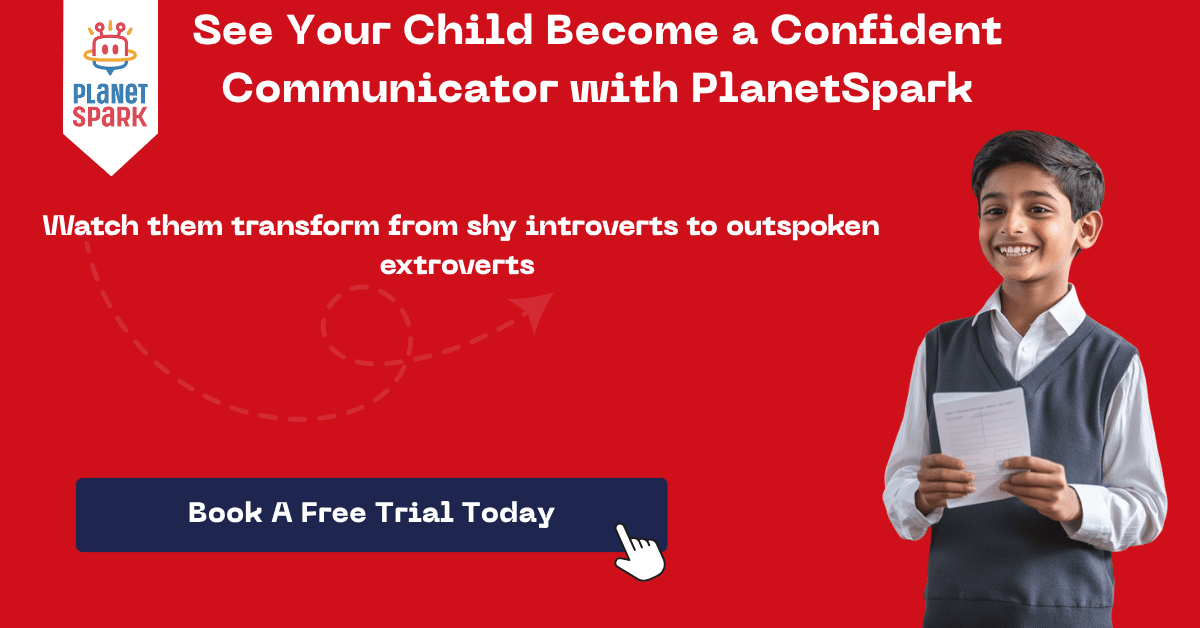
Slang words usually emerge from pop culture, music, or the internet, and they evolve faster than standard language. Their purpose isn’t just to simplify communication, it’s to create shared understanding and social connection. In short, slang keeps language alive, modern, and in touch with how people actually think and feel.
How Slang Words Are Born
New slang words don’t just appear, they’re created by people expressing new ideas in fun, relatable ways. Pop culture plays a major role: movies, songs, memes, and influencers often introduce fresh words that catch on quickly. Social media platforms like TikTok, Instagram, and Twitter spread them faster than ever, turning local phrases into global trends overnight.
Different age groups, subcultures, and online communities also contribute. Teenagers, for example, invent new slang to set themselves apart from older generations, while gamers or fandoms develop their own internal vocabulary. As these words gain traction, they cross boundaries and become part of mainstream conversation, the first step toward being recognized by dictionaries.
Examples of Slang That Made It to the Dictionary
Many slang words that once seemed temporary now have a permanent place in dictionaries. For instance:
Selfie – Originated from social media culture to describe a self-taken photo.
Hangry – Combines “hungry” and “angry,” reflecting real emotions.
Stan – From the Eminem song, meaning an obsessive fan.
Yeet – Initially a funny exclamation, now a recognized term for excitement or throwing something.
These words became mainstream because they were used consistently and understood globally. They show how modern culture shapes language, blending humor, technology, and emotion into expressions that feel uniquely of our time.
The Role of Technology and Social Media
Technology has completely changed how new words spread. In the past, slang evolved slowly through speech and print. Today, a single viral video or meme can make a phrase global within hours. Platforms like TikTok, Twitter (X), Reddit, and YouTube act as language accelerators, allowing slang to gain visibility and reach across generations and countries.
Social media also gives users creative control, people remix, redefine, and adapt slang to fit their personalities or cultures. This constant interaction makes language more democratic than ever before. The internet doesn’t just spread slang; it fuels its creation and evolution at lightning speed.
Book a FREE PlanetSpark demo class today and help your child master both formal and informal English, including modern slang and digital expressions!
Why Some Slang Words Don’t Last
Not all slang words survive long enough to reach dictionaries. Many fade as quickly as they appear because they’re tied to short-lived trends or memes. Words like “on fleek” or “YOLO” were once everywhere but quickly lost relevance once overused or replaced.
Some slang remains limited to specific groups and never gains mainstream traction, while others are too context-specific to endure. The key to a word’s survival lies in repeated use, clear meaning, and cultural adaptability. Slang that connects emotionally or humorously tends to last longer, while words created just for shock value or trendiness often disappear within months.
How Slang Reflects Culture and Identity
Slang is more than just language, it’s a cultural mirror. It reveals what a generation values, how it communicates, and even how it rebels. Every slang word carries a trace of its origin, whether it’s internet humor, music genres, or social movements.
Young people often use slang to assert identity and independence, while cultural groups use it to preserve shared experiences or express belonging. In this way, slang tells the story of our times, capturing the creativity and diversity of modern life. It’s language in motion — playful, adaptive, and deeply human.
The Science Behind Lexicography
Lexicography is the scientific study and compilation of words for dictionaries, and it plays a key role in determining which slang terms earn official recognition. Lexicographers are language experts who meticulously track how words are used in spoken and written communication. They analyze frequency, context, and longevity, ensuring that a term isn’t just a fleeting trend. For slang, this process involves scouring social media posts, news articles, literature, and online forums to determine whether a word has widespread usage.
Criteria such as clarity of meaning, consistent usage, and cultural relevance are critical. For example, “selfie” appeared in casual conversation long before it was formally documented, but sustained usage eventually justified its inclusion. Lexicographers also consider whether the term fills a gap in language, does it express something new or unique? Through this scientific approach, dictionaries maintain credibility while staying adaptive to linguistic evolution, capturing both formal and informal language dynamics.
From Niche to Mainstream: Tracking Word Popularity
Slang words often start in small communities or niche subcultures. They gain traction when a broader audience begins to adopt them. Linguists track this journey using multiple methods:
Digital Monitoring: Social media posts, forums, and viral content are analyzed to see which words are trending.
Print Media: Usage in newspapers, magazines, and books is tracked to evaluate mainstream acceptance.
Frequency of Use: A word must appear repeatedly across different sources to indicate stability and relevance.
For example, “stan” originated from an Eminem song, but it quickly spread through online fan communities and eventually reached mainstream conversation. This systematic observation helps lexicographers distinguish between words that are just momentary fads and those that have staying power. By understanding the trajectory from niche to mainstream, experts can predict which words are likely to enter dictionaries in the near future.
Explore the evolving world of language with PlanetSpark, interactive lessons, real-life examples, and fun activities make learning English exciting and practical.
The Role of Youth Culture in Language Evolution
Younger generations are often at the forefront of slang creation, reflecting social identity, rebellion, and creativity. Teenagers and young adults invent expressions that resonate with their experiences, interests, or humor. For example, terms like “lit,” “GOAT,” and “clout” originated within youth culture before spreading broadly.
Social media amplifies their influence: platforms like TikTok and Instagram allow trends to go viral instantly, reaching audiences far beyond the original creators. Youth-driven slang often challenges conventional language rules, introducing new grammatical structures or blending words to express nuanced emotions. This generational contribution ensures that language remains adaptive, culturally relevant, and expressive. Observing these patterns gives linguists valuable insight into societal change and evolving communication norms.
Slang in Literature and Pop Culture
Movies, music, TV shows, and literature have historically been catalysts for slang adoption. Writers and artists create expressions that resonate with audiences, who then incorporate these words into everyday speech.
Music: Hip-hop and pop culture have popularized phrases like “bae” or “turnt.”
TV & Film: Iconic lines from shows like Friends or Mean Girls introduced slang such as “friendzone” or “regina george.”
Books: Youth-oriented novels often feature contemporary slang, reflecting the language of the target audience.
Pop culture validates slang by giving it social credibility. When a term is repeated in multiple media outlets, it gains legitimacy and enters mainstream conversation, eventually catching the attention of lexicographers.
Impact of Globalization on Slang Words
Globalization has accelerated the spread of slang across countries and languages. Words coined in one culture can quickly appear in others through media, music, movies, and online communities.
For example, English slang like “bae” or “flex” is now used globally, while foreign slang like Japan’s “kawaii” or Korea’s “oppa” has also entered English conversations. Global communication ensures that popular words travel faster and become cross-cultural phenomena. Dictionaries increasingly consider international usage when evaluating a term’s relevance, reflecting a more interconnected world where slang is no longer confined to a single region.
The Psychology of Slang Adoption
Slang is not just linguistic, it’s psychological. People enjoy using slang because it:
Creates Social Bonding: Shared expressions signal membership in a group.
Expresses Identity: Individuals show personality and creativity through language.
Adds Humor and Emotion: Slang often conveys feelings more vividly than formal language.
Understanding these psychological drivers helps explain why certain words catch on while others fail. Words that resonate emotionally, are easy to remember, and foster connection are more likely to become mainstream and eventually enter dictionaries.
Slang vs. Formal Language: Why Dictionaries Include Both
Dictionaries aim to document language as it is actually used. This means including both formal and informal expressions. Formal English provides structure, clarity, and standards for professional or academic communication. Slang captures creativity, culture, and social trends.
Including both types ensures that dictionaries reflect the living nature of language. For learners, this dual approach is invaluable: they can understand the rules of grammar and professionalism while appreciating evolving, expressive forms of communication.
Short-Lived Slang: Words That Didn’t Make the Cut
Not every slang word survives long enough to enter dictionaries, no matter how viral it becomes. Many terms are tied to fads, memes, or pop culture references that fade as trends shift. For instance, expressions like “on fleek”, which once described perfection in fashion or makeup, and “YOLO”, which encouraged living in the moment, enjoyed brief periods of intense popularity but gradually disappeared from everyday speech. These words often lose relevance when overused or replaced by newer, catchier expressions.
Lexicographers carefully avoid adding such transient words because dictionary entries are intended to reflect sustained usage and widespread understanding. By monitoring the rise and fall of these short-lived slang terms, linguists gain valuable insight into social behavior, cultural trends, and the lifecycle of language. Even when slang disappears, it leaves a footprint that helps experts predict how language evolves and which expressions are likely to endure over time, shaping future dictionary updates.
Prepare children for modern communication challenges by teaching them both formal and informal English, including trending slang, reserve your free demo now!
Predicting the Next Dictionary-Worthy Slang
Lexicographers and language experts often attempt to forecast which new slang words might eventually become official dictionary entries. This process involves tracking online trends, social media activity, and cultural shifts to identify terms gaining traction. Words tied to emerging technologies, youth culture, and social movements are prime candidates for recognition.
For example, terms like “meta”, which has taken on multiple meanings in digital and gaming culture, or “ghosting”, originally from dating culture but now widely used in everyday communication, show the type of slang that has staying power. Experts look for consistent usage across multiple platforms, emotional resonance with users, and adaptability across different contexts.
By predicting these trends, linguists can study how language evolves in real time, preparing dictionaries to reflect the living, dynamic nature of English. This foresight ensures that dictionaries remain both relevant and reflective of actual human communication in a rapidly changing world.
How Teachers and Parents Can Help Children Understand Slang
Guiding children in understanding slang is essential for helping them navigate modern communication effectively while remaining socially aware. Slang can be playful, creative, and expressive, but it also carries cultural nuance that children may not always grasp intuitively.
Practical ways to help include:
Teach Context: Explain which words are appropriate for casual conversation versus formal settings like school, exams, or professional interactions.
Encourage Reading and Media Exposure: Children absorb slang naturally when exposed to books, movies, online content, and interactive media that reflect real-world usage.
Discuss Language Evolution: Help children understand why slang exists, how it reflects culture, and how it changes over time.
By combining guidance with exposure, children learn to use slang intelligently, avoiding miscommunication while expressing themselves confidently. This approach balances fluency, creativity, and cultural awareness, equipping them to adapt to various communication environments.
Regional Slang Variations Around the World
Slang is not universal; it varies significantly across regions, even among speakers of the same language. These regional differences reflect local culture, humor, and social norms, and they influence whether a term might gain broader recognition.
Examples include:
United States: “Bae,” “lit,” “savage” – widely used among teens and young adults.
United Kingdom: “Cheeky,” “knackered,” “gutted” – everyday expressions with very different meanings from their literal translations.
Australia: “Arvo,” “bogan,” “fair dinkum” – slang embedded deeply in local culture.
Lexicographers consider regional popularity, frequency of use, and cross-cultural adoption when evaluating new slang. Some words remain local, while others transcend borders, eventually appearing in international dictionaries. Understanding regional slang helps learners appreciate cultural nuances and communicate appropriately across different English-speaking communities.
The Future of Slang in a Digital World
Technology continues to shape how slang evolves and spreads, making language more dynamic than ever. Platforms like TikTok, Twitter (X), Instagram, Reddit, and online gaming communities create rapid feedback loops for new expressions. Words can gain global attention within hours, accelerating the pace of adoption and testing their longevity in real time.
Additionally, AI, chatbots, and predictive text contribute to shaping language patterns. Abbreviations, emojis, and creative spellings often emerge from digital communication, and some eventually influence spoken language. The digital environment encourages experimentation, allowing slang to evolve in ways previously impossible.
Dictionaries now face the challenge of balancing traditional, formal language with these rapid, informal innovations. Capturing words born in the digital era ensures that English reflects contemporary society while remaining a living, adaptable language that mirrors human creativity, culture, and technological progress.
Learn Language Trends and Slang with PlanetSpark
At PlanetSpark, we believe that mastering language isn’t just about grammar and vocabulary, it’s also about understanding how words evolve and how communication reflects culture. Slang, memes, and digital expressions are a huge part of modern English, and children who are exposed to these in a guided environment develop better fluency, creativity, and contextual understanding.
Interactive Learning: PlanetSpark’s live online sessions engage children with real-life examples, roleplays, and games to teach both formal and informal English in a fun, practical way.
Personalized Mentorship: Experienced teachers provide individualized feedback to help kids use words appropriately, whether in casual conversations, academic settings, or digital communication.
Cultural Awareness: Lessons on slang and evolving expressions help children understand social trends and communicate naturally with peers across generations.
Confidence in Expression: From learning the meaning of viral words to applying them correctly, PlanetSpark ensures that students are prepared to express themselves fluently in every situation.
Conclusion
Language is a living, evolving entity, and slang is one of its most exciting expressions. Words that start in niche communities, online platforms, or pop culture can travel across the globe, gradually gaining recognition and even earning a place in dictionaries. Slang reflects our culture, creativity, and identity, showing how humans adapt language to express emotion, humor, and belonging.
Understanding slang is not just about staying current, it’s about appreciating the dynamic nature of communication. It complements formal English, allowing people to communicate effectively in different contexts. By observing how words evolve, children and learners can enhance their language skills, social awareness, and adaptability.
With guided learning from platforms like PlanetSpark, students gain the tools to navigate both formal and informal English, understand modern expressions, and communicate confidently in a digital world where language is constantly changing.
Frequently Asked Questions
Slang is informal, creative language used by groups to express ideas, humor, or identity. It adds personality to communication and often reflects cultural trends, age groups, or communities, making speech more relatable and lively.
Words become slang when they are invented or popularized in communities, pop culture, or social media. If a word resonates with people and spreads widely, it can become part of everyday informal conversation.
Yes, slang can be officially recognized if it is widely used, understood, and shows staying power over time. Lexicographers monitor usage across media, literature, and online platforms before including a word.
Slang makes language playful, expressive, and socially engaging. People use it to convey emotions, build connections, show belonging, or make communication feel casual and friendly.
No, slang varies across regions, cultures, and generations. A word popular in one country or age group may be unknown or have a completely different meaning elsewhere.
Yes, but with guidance. Understanding slang helps children communicate naturally, interpret modern expressions, and know when it’s appropriate to use informal versus formal language.