
How to Help Kids Build Healthy Friendships and Social Skills
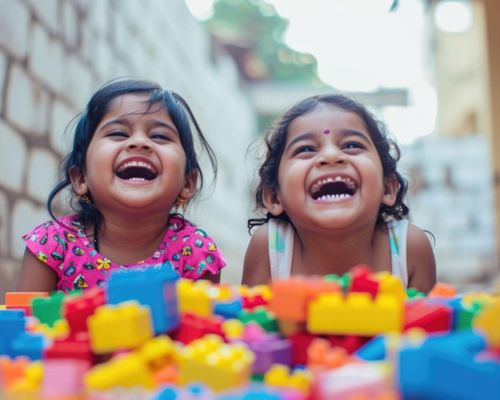

If you are reading this, you are probably one of those who spend a significant amount of time thinking about your kids' friendship skills and providing instruction. Your child's world expands when they start attending school. And kids start making friends at school first, then through playdates and extracurricular classes.
Friendships play a vital role in your school-age child's life. Friendship and opening up to friends, such as talking to them and playing with them, helps them develop their self-esteem. When your child has some close friends, they feel much more confident and happier about it.
So, if you want to know how to help kids build healthy friendships, enrolling them in PlanetSpark's public speaking classes teaches them important life skills, in addition to learning how to resolve conflicts and address their problems. These skills let them face social and emotional difficulties later in life.

How to Help Kids Build Healthy Friendships - Why is It Important?
Healthy friendships are more than just playmates; they also influence mental well-being, academic performance, a strong communication style, and a greater sense of self. Children who learn to form some positive social connections naturally grow into emotionally secure, confident, and empathetic individuals. Friendship skills for kids teach them a lot of things, and those are:
1. Empathy and Emotional Awareness
Through friendships, children learn to understand and connect with others’ feelings. For example, when a friend is upset, they can recognize the emotion and offer comfort. This emotional awareness helps kids manage their own feelings and respond with kindness, nurturing their emotional intelligence and forming deeper, more meaningful relationships. Friendship skills for kids foster emotional awareness, which enhances social-emotional learning for children.
2. Confidence in Social Situations
Positive friendships create a sense of belonging and acceptance, which boosts a child’s confidence. For instance, if a child feels supported by a friend group, they are more likely to speak up in class or participate in group activities without fear of rejection. This reduces social anxiety and helps them develop strong self-esteem, improving peer relationships and encouraging kids to interact in various social settings confidently.
3. Communication and Conflict-Resolution Skills
Friendships teach kids to navigate both positive and challenging interactions. Whether they are sharing toys, apologizing after an argument, or collaborating on a project, children learn how to express themselves effectively. For example, when a disagreement arises over a game, children learn how to discuss their concerns and find a fair solution. These interactions help children's social development and teach kids essential communication skills.
Want your kids to make friends confidently? Book a free demo class today!
4. Teamwork and Cooperation
Through group activities like play or classroom projects, kids learn how to work together toward a common goal. For example, during a team game, a child learns to respect other players’ ideas and adapt to the group’s dynamic. These experiences help children build strong teamwork skills and understand the value of cooperation, which is crucial for social-emotional learning for children and their overall development.
5. Independence and Resilience
Healthy friendships encourage kids to handle conflicts independently and learn from their experiences. For instance, if two friends have a disagreement, they will work through the issue, learning how to negotiate and compromise. This resilience not only strengthens their friendships but also prepares them to handle challenges in other areas of life, making them more emotionally mature and self-sufficient, which is key for a child's social development.
Signs Your Child Needs Help Building Healthy Friendships
Parents often think about how to improve peer relationships. The answer is that some children naturally bond with their peers, while others take a much longer time to feel comfortable socially. When a child consistently struggles to make friends, they may be signalling that they need support. Identifying these signs early helps parents guide their kids to face social difficulties.
1. Consistent hesitation or anxiety in social settings
If your child feels nervous before going to playdates, avoids meeting new kids, or becomes clingy to you during social events, it may indicate their fear of rejection or even their low confidence. This hesitation prevents them from initiating any conversation or joining social groups.
2. Difficulty sharing, cooperating, or even understanding social cues
Misreading facial expressions and turn-taking can make peer interactions challenging. In such cases, these children often appear rude or uninterested. So, when they face reality, they are still learning the basics of social behavior. So, applying these tips can help you find the answer to how to improve peer relationships.
3. Frequent misunderstandings or conflicts with peers
Arguments, hurt feelings, or being "left out" repeatedly may indicate gaps in communication and empathy. It is also true that kids who can not express themselves clearly in front of other kids often get frustrated, resulting in friction with friends.
4. Dependence on adults to handle social situations
If your child always needs you or a teacher to speak on their behalf, initiate conversations, or resolve disagreements. In that case, it may indicate that they are unsure how to navigate genuine interactions independently.
5. Avoidance of group activities or school events
Kids who shy away from team games, avoid participating in class discussions, or avoid friends' birthday parties; these are signs that they feel overwhelmed or are afraid of feeling embarrassed. These are signs that it's time to teach your kids social-emotional learning for children.
How to Talk About Friendship Issues with Your Child?
Talking with your child about different friendship issues gives you a chance to hear more about what is going on in their mind. When you speak to them openly, you will easily understand and manage their feelings and apply the friendship skills for kids. Here are tips for talking:
Ask your child about what happened and how they felt. For example, 'How did you feel when your friend Rohan wouldn't let you play?'
Encourage your child to speak openly by sharing a personal experience of a friendship issue you had as a child or by reading a good story about friendship issues.
If the issue involves a proper safety concern, encourage the child to make their own decisions, rather than just following their friends. For example, 'Is it a good idea to throw away the food? It would be a waste.
If your child isn't ready to talk, let them know that they can always come to you for support.
Listen to or hug your child. Sometimes this can be enough.
If you feel like there's something your child is not telling you, you could ask the teacher whether they've noticed anything different in class or in the playground.
Want your child to deal with hesitation or anxiety? Book a free demo class at PlanetSpark today!
How to Help Kids Build Healthy Friendships - Strategies to Follow As a Parent?
How to help kids build healthy friendships? As a parent, it could be a prime concern when your kids don't participate in social events and feel shy about making friends. This is why we at PlanetSpark have developed some effective strategies that can help.
1. Teach Them What a "Healthy Friendship" Looks Like
Children first need to recognise what a genuine and balanced friendship feels like. A healthy bond, when built on kindness, respect, honesty, empathy, and support, values that help them form relationships that feel safe and joyful.
2. Encourage Open Communication
Good friendships are built on honest communication, but children often struggle to express their feelings about making friends. Please encourage them to talk about their day, share stories, and express both happy and uncomfortable emotions. Teach them to speak politely to their friends. These are a part of child social development skills.
3. Support Them in Understanding Social Cues
Many children need help in properly recognising body language, tone, and even facial expressions. These are essential cues for kids to understand that smiling shows friendliness, or how looking away means they might need some space. So, help your kids understand how a gentle tone promotes kindness.
4. Encourage Playdates and Social Exposure
Friendship grows through more exposure. Offering children opportunities to engage socially through playdates, group outings, or informal playground interactions. Such social-emotional learning for children helps them to practice social skills in real situations.
5. Teach Sharing, Cooperation & Turn-Taking
Fairness and cooperation are also a part of friendship. Daily routines and playdates offer excellent opportunities to teach children how to share, wait for their turn, and work together collaboratively. Activities such as board games, group crafts, building projects, or even some shared household tasks help them practise patience and teamwork.
6. Help Them Handle Conflicts Calmly
Disagreements among children are also very natural, but learning to resolve them respectfully is also very crucial. If you want to learn how to improve peer relationships, consider teaching kids how to apologize sincerely when needed. Thus, they can maintain friendships even when conflicts arise.
How PlanetSpark Helps Kids Build Healthy Friendships?
PlanetSpark's Public Speaking Programs play a powerful role in helping children become confident, expressive communicators capable of forming strong, positive friendships.
PlanetSpark combines communication training, emotional intelligence development, leadership activities, and real-world practice to build social confidence naturally. Children learn how to introduce themselves, share their opinions politely, participate in group discussions, and resolve conflicts with ease. The SEL-based curriculum helps children understand emotions, manage anxiety, and respond with empathy—critical components of healthy relationships.
Through role-plays, conversation games, mock social scenarios, and group interactions, children practise friendship-building skills like turn-taking, active listening, and respectful disagreement. They also develop leadership and teamwork abilities that help them stand out positively in social groups.
Regular PTMs and confidence assessments ensure that parents stay informed about a child's social growth. At the same time, etiquette and body language sessions teach kids how to use posture, eye contact, and tone to communicate kindness and confidence. This holistic structure makes PlanetSpark an excellent support system for raising socially strong, emotionally intelligent, and friendship-ready children.
Healthy friendships enable a child to develop their emotional strength, confidence, and effective communication skills. With the right environment, consistent guidance, and structured learning, every child can grow into a kind and confident friend who builds strong and meaningful relationships.
Want to grow friendship skills among your kids? Join a free demo class at PlanetSpark today!
So, suppose you are looking for how to help kids build healthy friendships. In that case, PlanetSpark's public speaking classes support this journey by nurturing communication, empathy, and leadership so that any kid can thrive socially and personally.
Frequently Asked Questions
Children begin forming friendships as early as age 3 or 4. Teaching social skills early helps children communicate more effectively and form healthy connections throughout school.
Start with small playdates, social skills practice, confidence-building activities, and structured group sessions, such as PlanetSpark, to encourage natural interaction.
Use role-plays, gradual exposure, conversation starters, and confidence-building exercises. Encourage low-pressure social activities.
Show them how to stay calm, express their feelings, listen actively, and work together to find solutions. Role-play different scenarios at home.
Yes. PlanetSpark builds communication, confidence, emotional intelligence, and etiquette; all essential for making and maintaining healthy friendships.