
How to Hold a Conversation at Any Age with PlanetSpark Guidance


Table of Contents
- What Does It Mean to Hold a Conversation?
- How to Hold a Conversation: Simple, Practical Techniques
- How to Hold a Conversation: Step-by-Step Guide
- How to Hold a Conversation at Different Ages
- From Classroom Speaker to Confident TEDx Voice
- How PlanetSpark Helps You Improve Communication Skills
- How to Get Better at Talking to People: Practical Exercises
- Why PlanetSpark Is the Perfect Learning Partner for Your Chi
- Conversation Is a Skill You Can Master at PlanetSpark
Ever felt stuck, not knowing what to say next?
How to hold a conversation is a life skill that shapes confidence, relationships, and success at every age. This guide explains simple techniques to start, continue, and end conversations smoothly, even in unfamiliar situations. You’ll learn practical strategies, real-life examples, and easy exercises to improve everyday communication. With PlanetSpark’s expert-led sessions, interactive practice, and personalized feedback, learners develop clarity, confidence, and conversational fluency that extends beyond classrooms into real-world interactions.
What Does It Mean to Hold a Conversation?
At its core, a conversation is an exchange of ideas, emotions, and information between two or more people. Knowing how to hold a conversation means being able to:
- Start a discussion naturally.
- Listen actively and respond thoughtfully.
- Maintain flow without awkward pauses.
- Adapt your tone and language to the listener.
- End the conversation gracefully.
It’s not about speaking nonstop but about connecting.
How Do We Talk in Conversations?
Many people ask, “How do we talk effectively with others?” The answer lies in balance. Good conversations involve:
- Speaking clearly, not excessively.
- Listening with attention, not distraction.
- Responding with relevance, not rehearsed lines.
Conversation is a two-way street. The best communicators know when to speak, when to pause, and when to let others lead.
How to Hold a Conversation: Simple, Practical Techniques
Holding a conversation is about creating comfort, showing interest, and maintaining balance. When you actively listen, ask thoughtful questions, and respond with relevance, conversations feel natural rather than forced. Strong conversation skills help you connect better in social, academic, and professional settings. By being present, positive, and curious, you can keep discussions flowing smoothly, even when interacting with new people or exploring unfamiliar topics.
Key Strategies
To hold a conversation, actively listen, ask open-ended questions, find common ground, and share relevant ideas. Maintain eye contact, avoid interrupting, and aim for a balanced, positive exchange that feels engaging and natural.
- Listen Actively: Focus on understanding their words instead of planning your next response.
- Ask Open-Ended Questions: Use questions that encourage explanation, opinions, and storytelling.
- Find Common Ground: Identify shared interests to make the conversation feel comfortable and relatable.
- Be Present & Engaged: Show interest through eye contact, posture, and attentive body language.
- Share & Relate: Add short personal experiences that connect directly to their point.
- Use Follow-Ups: Say “Tell me more” to deepen and extend the discussion.
- Keep It Positive & Light: Start with friendly topics to build ease and trust.
What to Avoid
- Yes/No Questions: They limit responses and stop conversation flow quickly.
- Interrupting: Cutting in breaks the connection and makes others feel unheard.
- Monopolizing the Conversation: Talking too much prevents balanced interaction.
- Distractions: Phone use or wandering attention signals disinterest.
When You Get Stuck
- Change Topics: Shift focus or explore a related detail to restart flow.
- Give a Compliment: Genuine appreciation creates warmth and engagement.
- Ask for Advice: People enjoy sharing suggestions and experiences.
Let Your Child Shine with Strong Communication and Life Skills!
How to Hold a Conversation: Step-by-Step Guide
Learning how to hold a conversation is about confidence, listening, and connection. These simple, practical steps help you communicate naturally, avoid awkward moments, and leave positive impressions in everyday interactions.
1. Start with Confidence, Not Perfection
You don’t need a perfect opening line. Simple starters work best:
- “Hi, how are you?”
- “What do you think about…?”
- “That sounds interesting—tell me more.”
Confidence grows through practice, not silence.
2. Master the Art of Active Listening
One of the biggest secrets of how to hold a conversation is listening. People love talking to those who truly listen.
Active listening includes:
- Maintaining eye contact.
- Nodding or giving verbal cues.
- Asking follow-up questions.
Listening makes conversations flow naturally.
3. Ask Open-Ended Questions
Closed questions end conversations. Open-ended ones expand them.
Instead of:
- “Did you like the movie?”
Try:
- “What did you enjoy most about the movie?”
This is a key technique in learning how to talk better.
4. Share, Don’t Overshare
A good conversation involves sharing relevant thoughts and experiences, but in moderation.
- Relate your experience briefly.
- Connect it back to the other person.
- Avoid turning the conversation into a monologue.
Balance is essential.
Support Your Child in Becoming a Leader of Tomorrow!
5. Read the Room
Understanding body language, tone, and interest levels helps you adapt. If someone seems distracted, change the topic or keep responses concise.
This adaptability is crucial when learning how to talk to anyone.
6. Handle Awkward Silences Gracefully
Silence isn’t failure but a pause. Use it to:
- Introduce a new topic.
- Ask a thoughtful question.
- Reflect before responding.
Confidence during silence shows maturity.
7. End Conversations Positively
Knowing how to end a conversation is as important as starting one.
Examples:
- “I really enjoyed talking with you.”
- “Let’s continue this another time.”
A positive ending leaves a lasting impression.
How to Hold a Conversation at Different Ages
Conversation skills evolve with age, but learning how to adapt communication styles helps children, teens, adults, and seniors connect confidently, express ideas clearly, and build meaningful relationships everywhere in life.
How Children Can Learn Conversation Skills
Children often struggle with expressing their thoughts clearly. Teaching them how to talk better early helps build lifelong confidence.
Effective methods include:
- Storytelling
- Role-playing conversations
- Group discussions
- Guided speaking activities
Platforms like PlanetSpark use interactive, age-appropriate methods to help children learn how to hold a conversation naturally.
How Teenagers Can Improve Their Talking Skills
Teenagers face social pressure, self-doubt, and fear of judgment. Learning how to get better at talking to people helps them:
- Participate confidently in class
- Express opinions clearly
- Prepare for interviews and presentations
Structured speaking programs, debates, and peer discussions are especially effective.
How Adults Can Learn to Talk to Anyone
Adults often ask, “How to talk to anyone confidently?” The key lies in adaptability.
Tips for adults:
- Adjust tone for professional vs personal settings.
- Practice empathy and clarity.
- Avoid jargon when unnecessary
- Stay curious about others
Professional communication training, like that offered by PlanetSpark, helps adults refine both personal and workplace conversations.
How Seniors Can Strengthen Conversation Skills
For seniors, conversations are vital for emotional and mental well-being.
Helpful practices include:
- Group discussions
- Story-sharing sessions
- Learning new communication techniques
Confidence doesn’t have an age limit.
From Classroom Speaker to Confident TEDx Voice
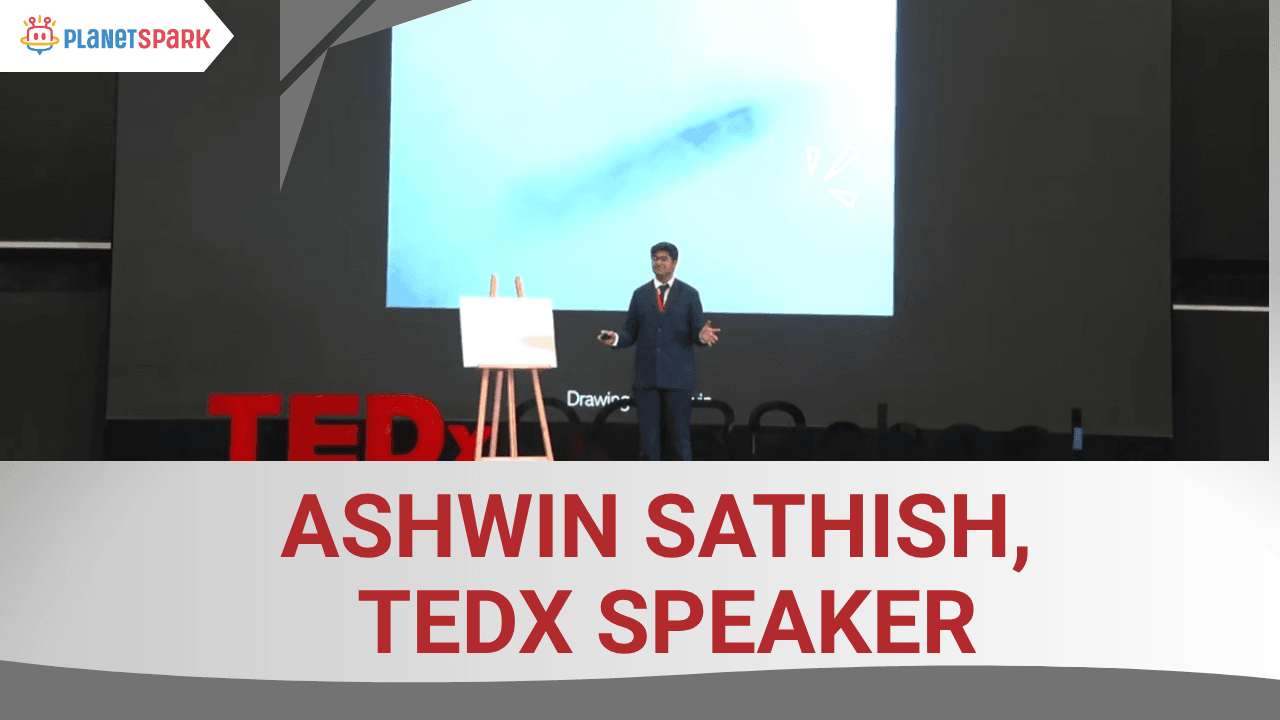
“Ashwin Sathish, Grade 8 from New Delhi, stood tall as a TEDx Speaker, sparking conversations that truly matter. From classroom confidence to commanding a global stage, his journey reflects the power of voice, vision, and courage.”
Ashwin’s journey shows how learning how to hold a conversation and express ideas confidently can open extraordinary opportunities at any age. If you want your child to speak clearly, connect confidently, and communicate with impact, join PlanetSpark and begin a powerful communication journey today.
How PlanetSpark Helps You Improve Communication Skills
PlanetSpark builds strong communication foundations through structured practice, real-life speaking situations, and expert mentoring, helping learners of all ages speak clearly, confidently, and effectively in everyday conversations.
- Age-Specific Learning Modules: Tailored programs help children, teens, adults, and professionals develop communication skills suited to their real-life needs.
- Live Interactive Classes: Real-time discussions and activities build confidence, fluency, and spontaneous speaking ability across all age groups.
- Practical Conversation Practice: Learners practice real-life conversations, presentations, and discussions instead of memorizing theory.
- Personalized Feedback: Expert trainers provide clear, actionable feedback to improve clarity, tone, body language, and expression.
- Confidence-Building Activities: Debates, storytelling, and role-plays reduce hesitation and help learners express ideas confidently.
- Focus on Everyday Communication: Lessons cover conversations at school, workplace meetings, interviews, and social interactions.
- Holistic Skill Development: Enhances listening, thinking, articulation, and emotional intelligence alongside speaking skills.
PlanetSpark turns communication into a life skill through guided practice and continuous improvement. It empowers learners to express ideas confidently across academic, social, and professional settings.
How to Get Better at Talking to People: Practical Exercises
Improving conversation skills requires regular practice and reflection. Simple daily habits and focused exercises help build confidence, clarity, and ease while talking to different people in real-life situations.
Daily Practice Habits
- Initiate one conversation daily.
- Practice summarizing what others say.
- Reflect on what went well.
Conversation-Building Exercises
- Topic-switching practice.
- Opinion-sharing drills.
- Listening and paraphrasing tasks.
These exercises strengthen real-world communication.
Why PlanetSpark Is the Perfect Learning Partner for Your Child
PlanetSpark creates confident, well-spoken, and future-ready children through personalised training, engaging digital tools, and activity-based learning. With expert coaching and structured practice, kids develop communication strength, emotional intelligence, and strong personality traits that help them thrive in school and beyond.
Personality Development Services at PlanetSpark:
- Builds confidence through guided speaking and real-time practice.
- Strengthens leadership and teamwork with interactive tasks.
- Enhances emotional intelligence using SEL-based modules.
- Improves social etiquette and polite communication skills.
- Teaches body language, eye contact, and effective posture.
- Encourages clarity of thought through journaling and reflections.
- Boosts decision-making and problem-solving abilities.
- Develops assertiveness and respectful expression.
- Supports goal setting and personal growth habits.
- Offers regular parent consultations for steady progress.
Conversation Is a Skill You Can Master at PlanetSpark
Learning how to hold a conversation is not about changing who you are but about expressing yourself clearly, confidently, and respectfully. No matter your age or background, you can learn how to talk better, how to get better at talking to people, and how to talk to anyone with the right mindset and guidance.
With expert-led communication programs like PlanetSpark, conversation skills become practical, enjoyable, and transformative by helping learners connect, express, and succeed in every area of life.
Start your journey toward confident communication today because great conversations open great doors.
Also Read:
How to Speak More Eloquently at Work? Learn With PlanetSpark
Live Classes vs Recorded Classes: Which is Better? | PlanetSpark
Frequently Asked Questions
Communication skills help individuals express thoughts clearly, build relationships, boost confidence, and succeed academically and professionally. Strong communication also improves listening, empathy, and problem-solving in daily interactions across all life stages.
You can improve by practicing active listening, asking open-ended questions, observing body language, and speaking regularly. Consistent practice in real-life situations helps conversations feel natural, confident, and engaging over time.
An engaging conversation includes active listening, balanced speaking, relevant responses, and genuine curiosity. When both participants feel heard and respected, conversations naturally flow and create stronger personal or professional connections.
Yes, children and teenagers can develop strong communication skills through guided speaking activities, storytelling, and discussions. Early practice builds confidence, clarity, and emotional expression that support academic performance and social interactions.
PlanetSpark builds communication through creative writing, speech training, AI-based feedback, personalized support, and publishing opportunities.
Absolutely. PlanetSpark supports adults and professionals by improving workplace communication, interview skills, and everyday conversations through structured practice, expert mentoring, and confidence-building speaking activities designed for real-world use.