
Fun Icebreaker Activities for Kids to Boost Confidence
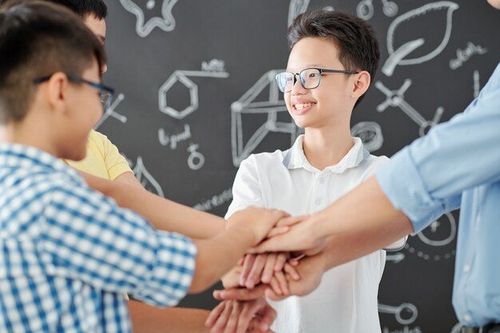

Table of Contents
- Why Icebreaker Activities Are Important for Kids
- Icebreaker Activities for First Day at School Kids
- 30 Icebreaker Activities for Kids
- How Icebreaker Activities Build Confidence in Kids
- Tips for Running Successful Icebreaker Activities
- How Parents Can Use Icebreakers at Home
- Why Confidence Matters for Kids
- How PlanetSpark Helps Kids Build Confidence Through Fun Acti
- Confidence Starts with Fun
Have you ever noticed how quiet and shy kids can become when they walk into a new classroom or group for the first time? That awkward silence can feel overwhelming. This is where icebreaker activities for kids come in. These fun, engaging games help children relax, make new friends, and build confidence while encouraging communication, creativity, and teamwork.
In this blog, we’ll explore 30 fun icebreaker activities for kids, their benefits, and how parents and educators can use them to build confidence, especially on the first day of school or in new group settings. Programs like PlanetSpark also use interactive activities to strengthen children’s communication and speaking skills.
Why Icebreaker Activities Are Important for Kids
Children often struggle with anxiety when meeting new classmates or joining unfamiliar environments. Icebreaker games break down these social barriers. Here’s why icebreaker activities for kids are so effective:
1. Builds Confidence
When kids share ideas, answer fun questions, or participate in group games, they practice speaking in front of others. This helps them become more confident communicators.
2. Encourages Social Interaction
Icebreakers help children introduce themselves, learn each other's names, and form friendships quickly.
3. Improves Communication Skills
Games that involve storytelling, describing objects, or sharing opinions help kids develop clear expression.
4. Creates a Positive Environment
Fun activities reduce nervousness and create an atmosphere where children feel comfortable participating.
5. Boosts Creativity
Many icebreaker games encourage imagination, problem-solving, and creative thinking.
Platforms like PlanetSpark incorporate interactive activities to nurture these skills while making learning enjoyable.
Icebreaker Activities for First Day at School Kids
The first day of school can be exciting but also intimidating for children. Icebreaker games help teachers introduce students to each other while making the classroom feel welcoming. Here are some fun icebreaker activities for first day at school kids:
1. Name and Action Game
Each child says their name and performs a simple action (clap, jump, spin). The class repeats both the name and action.
Benefits:
- Helps kids remember names
- Builds confidence in speaking
2. Two Truths and One Lie
Each student says three statements about themselves—two true and one false. Others guess which is the lie.
Benefits:
- Encourages conversation
- Helps kids learn about classmates
3. Classroom Treasure Hunt
Students search for objects or clues around the classroom.
Benefits:
- Encourages teamwork
- Helps kids explore their new environment
4. Favorite Things Circle
Students sit in a circle and share their favorite food, hobby, or game.
Benefits:
- Builds communication skills
- Encourages self-expression
5. Find Someone Who
Create a worksheet with prompts like “Find someone who likes pizza” or “Find someone who has a pet.”
Benefits:
- Encourages interaction
- Helps kids meet multiple classmates
30 Icebreaker Activities for Kids
Here is a complete list of 30 icebreaker activities for kids that teachers and parents can use in classrooms, camps, or workshops.
1. Human Bingo
Create bingo cards with fun facts like “likes ice cream” or “has a sibling.” Kids find classmates who match the descriptions.
2. Show and Tell
Children bring a favorite object and explain why it is special.
3. Emoji Introductions
Kids introduce themselves using three emojis that describe their personality.
4. Would You Rather
Ask funny questions like “Would you rather fly or be invisible?”
5. Guess the Sound
Play different sounds and let kids guess what they are.
6. Story Building Game
Each child adds one sentence to build a silly story.
7. Balloon Questions
Place questions inside balloons. Kids pop a balloon and answer the question.
8. Pass the Ball
Kids pass a ball while music plays. When the music stops, the child holding the ball answers a question.
9. Compliment Circle
Students give compliments to the person sitting next to them.
10. Drawing Introductions
Kids draw pictures about themselves and explain them.
Help your child become a confident speaker and communicator with engaging learning programs at PlanetSpark
11. Mystery Object
Place an object in a bag. Kids feel it and guess what it is.
12. Desert Island Game
Ask kids what three things they would bring to a desert island.
13. Talent Show Mini Round
Children share a small talent like singing, drawing, or storytelling.
14. Memory Name Game
Each student repeats previous names before saying their own.
15. Animal Imitation Game
Kids imitate animals while others guess which one it is.
16. Color Corners
Assign each corner of the room a color representing a question (favorite food, hobby, etc.). Kids move to the corner that matches their answer.
17. Question Ball
Write questions on a ball. Kids answer whichever question their thumb touches.
18. The Friendship Web
Use a ball of yarn. Each child holds a piece while introducing themselves, creating a web.
19. Guess Who
Students write fun facts about themselves anonymously, and others guess who it is.
20. Freeze Dance Introductions
Kids dance until music stops and introduce themselves to the nearest student.
21. Paper Airplane Messages
Kids write fun facts about themselves on paper airplanes and throw them across the room.
22. Build a Tower
Teams build towers using paper cups or blocks.
23. The Question Train
Students form a train and ask questions to the person ahead.
24. Alphabet Game
Each child says a word about themselves starting with the next alphabet letter.
25. Guess the Drawing
Kids draw something about themselves, and others guess what it represents.
26. Musical Chairs Questions
Each chair has a question under it.
27. Name Rhythm Game
Students clap rhythms while saying names.
28. Group Puzzle
Teams solve puzzles together.
29. Memory Match Game
Kids match cards that describe classmates.
30. Dream Job Circle
Children share what they want to become when they grow up.
How Icebreaker Activities Build Confidence in Kids
Icebreaker games are more than just fun—they play a crucial role in child development.
1. Encourages Public Speaking
When kids answer questions or introduce themselves, they practice speaking clearly.
2. Develops Listening Skills
Children learn to listen carefully to others’ stories and responses.
3. Reduces Social Anxiety
Participating in playful activities reduces fear and hesitation.
4. Promotes Teamwork
Many icebreakers involve collaboration, helping kids learn cooperation.
5. Improves Emotional Intelligence
Kids understand others’ feelings, interests, and perspectives.
Programs offered by PlanetSpark are designed to strengthen these essential communication and confidence-building skills through creative engagement.
Tips for Running Successful Icebreaker Activities
To make icebreaker activities effective and enjoyable, consider these tips:
1. Keep Activities Simple
Games should be easy to understand so kids can participate without confusion.
2. Encourage Participation
Ensure every child has a chance to speak or contribute.
3. Keep It Fun
Focus on laughter and enjoyment rather than competition.
4. Adapt for Age Groups
Choose activities suitable for younger kids or older children.
5. Create a Safe Environment
Encourage respect and positive feedback among students.
How Parents Can Use Icebreakers at Home
Icebreaker games aren’t just for classrooms—they can also be used at home or during family gatherings.
Parents can use these activities to:
- Help children build confidence in communication
- Encourage creativity and storytelling
- Improve bonding between siblings and friends
For example, parents can play Would You Rather, storytelling games, or drawing introductions during family time.
Learning platforms like PlanetSpark often recommend interactive activities that parents can use to strengthen their child’s speaking skills in everyday situations.
Turn your child’s ideas into confident expressions, explore interactive communication classes with PlanetSpark today.
Why Confidence Matters for Kids
Confidence plays a key role in a child’s success. Confident children are more likely to:
- Participate in classroom discussions
- Express their ideas clearly
- Make friends easily
- Take leadership roles
- Handle challenges effectively
Icebreaker activities help children practice these skills in a relaxed and supportive environment.
How PlanetSpark Helps Kids Build Confidence Through Fun Activities
Interactive activities are one of the best ways to help children develop confidence and communication skills. Platforms like PlanetSpark focus on activity-based learning where kids participate in storytelling, role-play, group discussions, and creative speaking tasks. These engaging exercises work much like icebreaker activities by encouraging children to express their ideas, interact with others, and overcome stage fear. Through structured programs and supportive mentors, PlanetSpark helps kids become confident speakers and effective communicators.
- Confidence-Building Through Interactive Activities: PlanetSpark uses fun activities similar to icebreakers—like storytelling, debates, and role-play—to help kids overcome shyness and speak confidently.
- Structured Communication Practice: The platform provides guided speaking exercises that encourage kids to introduce themselves, share ideas, and express opinions—just like effective icebreaker activities.
- Safe Environment for Self-Expression: PlanetSpark creates a supportive learning space where children feel comfortable sharing their thoughts and participating in group discussions.
- Engaging First-Class Experiences: The initial sessions often include interactive icebreaker-style activities that help children feel relaxed and excited about learning.
- Focus on Social and Communication Skills: Through group discussions and collaborative tasks, kids learn to interact with peers, similar to classroom icebreaker games.
- Public Speaking Opportunities: PlanetSpark regularly conducts speaking events and presentations where kids practice the confidence gained through interactive activities.
- Activity-Based Curriculum: The learning approach includes games, storytelling, and creative exercises that mirror the benefits of icebreaker activities in building confidence.
- Encouragement of Creativity and Expression: Kids are encouraged to share their ideas, stories, and opinions, helping them become confident communicators.

Confidence Starts with Fun
Icebreaker games are powerful tools that help children overcome shyness, connect with classmates, and build strong communication skills in a fun and supportive way. Whether used on the first day of school or during group activities, these engaging games create a welcoming environment where kids feel comfortable expressing themselves. The 30 icebreaker activities for kids shared in this blog can help teachers, parents, and organizers make learning more interactive and enjoyable. Organizations like PlanetSpark highlight the value of such confidence-building activities in developing communication and leadership skills. By including creative icebreakers in classrooms and at home, children can grow into confident speakers, active learners, and collaborative team members.
Frequently Asked Questions
Icebreaker activities for kids are fun games or exercises designed to help children introduce themselves, interact with others, and feel comfortable in a group. These activities encourage communication, teamwork, and confidence while helping kids make friends easily.
Icebreaker activities help children overcome shyness, improve social skills, and build confidence. They create a friendly environment where kids feel safe to express themselves and participate in conversations or group activities.
Some simple icebreaker activities include Two Truths and a Lie, Name and Action Game, Show and Tell, Would You Rather, and Story Building. These activities are easy to organize and encourage kids to speak, listen, and interact with others.
PlanetSpark helps children build confidence through interactive programs that focus on storytelling, public speaking, debates, and creative communication activities designed to improve self-expression.
Yes, PlanetSpark uses activity-based learning methods such as games, role-plays, discussions, and creative tasks to make learning engaging while strengthening communication and confidence.
Through PlanetSpark, kids can develop skills like public speaking, storytelling, creative writing, critical thinking, leadership, and effective communication.
Yes, PlanetSpark is especially helpful for shy children because its supportive environment and guided speaking activities help them gradually overcome stage fear and express themselves confidently.