
Learn Key Interpersonal Skills to Communicate Confidently
Mastering People Skills to Communicate Effectively and Build Stronger Connections
 4.8/5
4.8/5 1 Lakh+
What Is Interpersonal Skills?
Interpersonal skills refer to the abilities that help individuals interact and communicate effectively with others. They include verbal and non-verbal communication, empathy, active listening, and teamwork.
In spoken English, interpersonal skills are what transform plain language into meaningful conversation. They help you choose the right tone, express ideas confidently, and understand others’ emotions crucial for becoming a fluent, effective communicator.
Importance of Interpersonal Skills Communication
The importance of interpersonal skills lies in how they enhance both personal and professional communication. Whether you’re speaking in meetings, participating in group discussions, or having casual talks, these skills determine how well your message is received.
Strong interpersonal skills lead to:
Better clarity and confidence in speech
Improved listening and response accuracy
Enhanced ability to persuade or collaborate
Greater emotional intelligence while speaking
7 Types of Interpersonal Skills You Should Master
Here are the 7 types of interpersonal skills every English learner should focus on:
Verbal Communication \: Using the right words, tone, and pace while speaking.
Non-Verbal Communication – Understanding body language, facial expressions, and gestures.
Active Listening – Paying attention to others and responding meaningfully.
Empathy – Understanding others’ perspectives and emotions.
Teamwork – Collaborating effectively in discussions or group activities.
Conflict Resolution – Handling disagreements with calm and confidence.
Adaptability – Adjusting your communication style for different people or situations.
Each of these skills directly supports your spoken English development, helping you not just speak English but connect through it.
Interpersonal Skills Examples
Here are a few interpersonal skills examples that show how these work in daily life:
Greeting someone warmly to start a conversation
Listening carefully before responding in English
Asking clarifying questions instead of interrupting
Giving constructive feedback during discussions
Using polite phrases like “Could you please…” or “Thank you for sharing”
These simple actions make your English communication sound natural, respectful, and impactful.
How to Improve Interpersonal Skills
Improving interpersonal skills takes consistent practice, self-awareness, and feedback. Here are practical ways to enhance them:
Practice Active Listening
Focus fully on the speaker, avoid interrupting, and respond thoughtfully.
Improves understanding and reduces miscommunication in both work and personal conversations.
Enhance Verbal Communication
Expand your vocabulary, use clear sentences, and practice tone modulation.
Helps convey ideas clearly in meetings, presentations, and casual chats.
Develop Non-Verbal Awareness
Pay attention to your body language, eye contact, and facial expressions.
Builds trust, confidence, and relatability with colleagues, friends, and family.
Show Empathy and Understanding
Acknowledge others’ emotions, validate their perspectives, and respond kindly.
Strengthens relationships, encourages collaboration, and creates a supportive environment.
Practice Conflict Resolution
Learn to stay calm, listen, and find win-win solutions during disagreements.
Ensures smooth teamwork and reduces tension in personal relationships.
Engage in Teamwork and Collaboration
Participate in group activities, share responsibilities, and support others.
Promotes cooperation at work and strengthens social bonds.
Seek Feedback and Self-Reflection
Ask trusted peers or mentors for constructive feedback and evaluate your own interactions.
Continuous improvement leads to more confident, effective communication in all areas of life.
Role-Play and Real-Life Practice
Simulate conversations, presentations, or interviews in English to practice skills.
Prepares you for professional situations like client calls, interviews, and networking.
Why Interpersonal Skills Matter in Professional & Personal Life
Professional Life
Career Growth: Good interpersonal skills help you communicate ideas, influence decisions, and work effectively in teams.
Leadership Opportunities: Leaders are often those who can listen, empathize, and motivate others.
Conflict Management: Resolving disagreements constructively improves workplace harmony and productivity.
Personal Life
Stronger Relationships: Understanding and communicating well helps maintain friendships and family bonds.
Social Confidence: Good interpersonal skills make social interactions smoother and more enjoyable.
Problem-Solving: Collaborating and negotiating effectively helps overcome personal challenges.
Activities to Improve Interpersonal Skills
Improving interpersonal skills becomes easier when you practice them through engaging, real-world activities. Here are some effective exercises:
1. Role-Playing Conversations
Simulate common scenarios like job interviews, client calls, or casual chats with a friend.
Helps practice spoken English, tone, and empathy in a safe environment.
2. Group Discussions and Debates
Join online or offline discussion groups. Share ideas, listen actively, and respond politely.
Improves verbal communication, active listening, and confidence.
3. Storytelling Practice
Tell short stories or personal experiences in English to a small group.
Boosts confidence, fluency, and the ability to connect emotionally with listeners.
4. Empathy Exercises
Try imagining situations from another person’s perspective and responding appropriately.
Strengthens emotional intelligence and collaborative skills.
5. Feedback Sessions
Record yourself speaking, or ask peers to give constructive feedback on communication style.
Helps identify areas for improvement in tone, clarity, and engagement.
6. Active Listening Games
Play exercises where participants must repeat or summarize what others said.
Enhances focus, memory, and understanding in conversations.
7. Networking Activities
Attend social or professional meetups, and aim to start conversations with new people.
Builds confidence, adaptability, and real-life interpersonal skills.
8. Team Projects
Collaborate on group tasks, either at work, school, or online communities.
Develops teamwork, leadership, and problem-solving skills while practicing spoken English in real scenarios.
Get Acquainted with Our Top Educators
Top 1% certified experts who make learning engaging and impactful.

 Aanchal Soni
 10+ Years
 Banani Garai30+ Years
 Fahira Khan
 Neelima Singh
 Maria Antony8+ Years
 Ankita Singh8+ Years
 Divya Khangarot4+ Years
Our Impact!
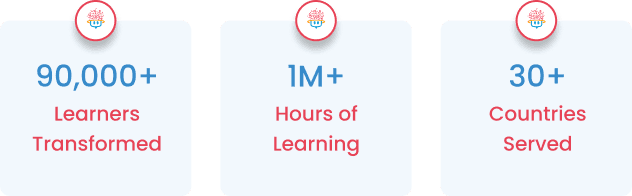
Empowering individuals with the confidence and communication skills to speak clearly, influence others, and lead with impact.


Parent Testimonials That Speak Volumes
Real stories of learners becoming confident English speakers through our master courses.
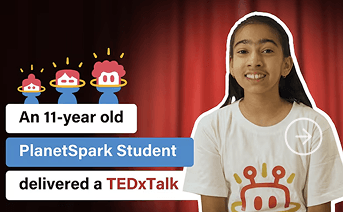
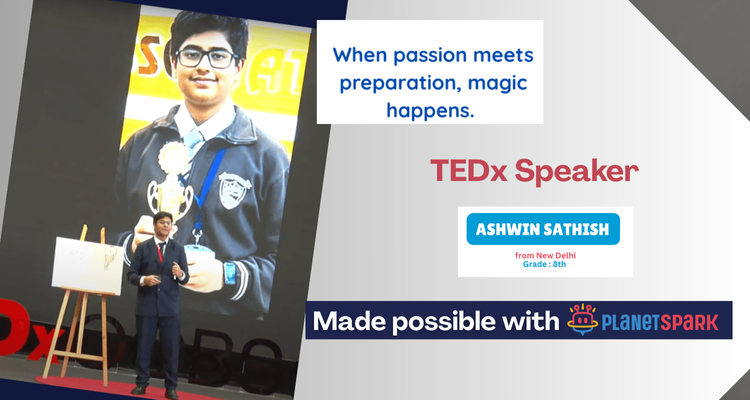
Oviya Singh, a PlanetSpark student, spoke about ‘Soil Conservation’ in her TEDxTalk by addressing the status quo and questioning, ‘Is the world running out of food?’

Thanks to PlanetSpark and his teacher’s guidance, Ayan now speaks confidently, participates actively, and has published his first storybook.

PlanetSpark helped my son Ahan find his voice and confidence. From stage speaking to being published in Pearls of Poetry, his growth has been remarkable.
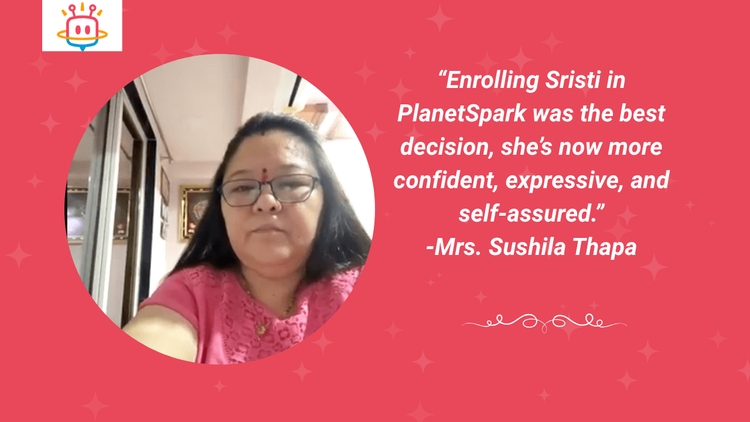
PlanetSpark’s Public Speaking program has boosted Sristi’s confidence and clarity, her school performance speaks for itself.
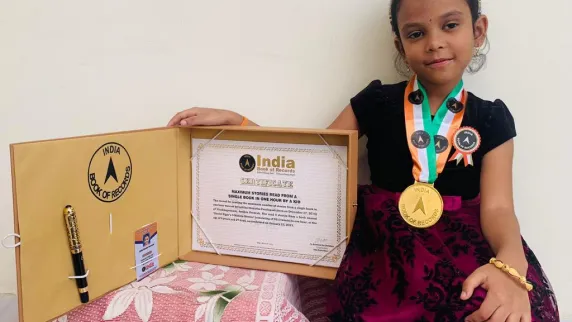
My daughter has transformed from a shy kid to a confident speaker in just 6 months. The personalized attention and structured curriculum made all the difference.
Making Headlines Nationwide
Featured in leading media for transforming individuals into confident, expressive, and stage-ready public speakers.