

Leadership Skills and Qualities That Define Great Leaders
Discover the key leadership skills, core qualities, and practical ways to develop them for long-term professional growth.
 4.8/5
4.8/5 1 Lakh+
Every great achievement begins with someone who dares to lead. But what truly defines leadership, and what skills make it effective?
What Are Leadership Skills?
Leadership skills are the specific qualities, abilities, and behaviors that enable an individual to lead successfully. These skills include communication, decision-making, empathy, integrity, problem-solving, and the ability to delegate and motivate others. Strong leadership skills help professionals influence their teams positively, resolve conflicts efficiently, and adapt to changing situations with confidence.
In the workplace, leadership skills are essential for managing people, driving performance, and creating a culture of accountability. They help professionals transition from individual contributors to strategic thinkers capable of guiding others toward shared success.
Why Are Leadership Skills Important?
Leadership skills are the foundation on which effective organizations and successful teams are built. They shape how individuals inspire others, guide performance, and make critical decisions that drive progress. In today’s dynamic workplaces, leadership soft skills, such as communication, empathy, adaptability, and problem-solving, are just as vital as technical expertise.
Strong leadership promotes trust and accountability across teams. It helps professionals manage challenges with confidence, communicate clearly, and maintain morale even during uncertainty. In management roles, leadership skills become the glue that holds teams together, ensuring that every member feels valued, supported, and motivated to contribute.
In essence, leadership skills form the backbone of organizational growth by:
Building trust and accountability across teams and departments.
Improving communication to align people with shared goals.
Driving collaboration that encourages innovation and creative problem-solving.
Enhancing performance and adaptability in an ever-changing business environment.
Leaders who invest in these soft skills not only elevate team results but also nurture a culture of growth, respect, and long-term success.
Key Leadership Skills and Qualities
Leadership blends personal integrity, emotional understanding, and strategic action. These qualities determine how effectively someone can guide a team, make decisions, and build trust across an organization. Recognizing and developing these core leadership qualities is essential for anyone aiming to lead with influence and authenticity.
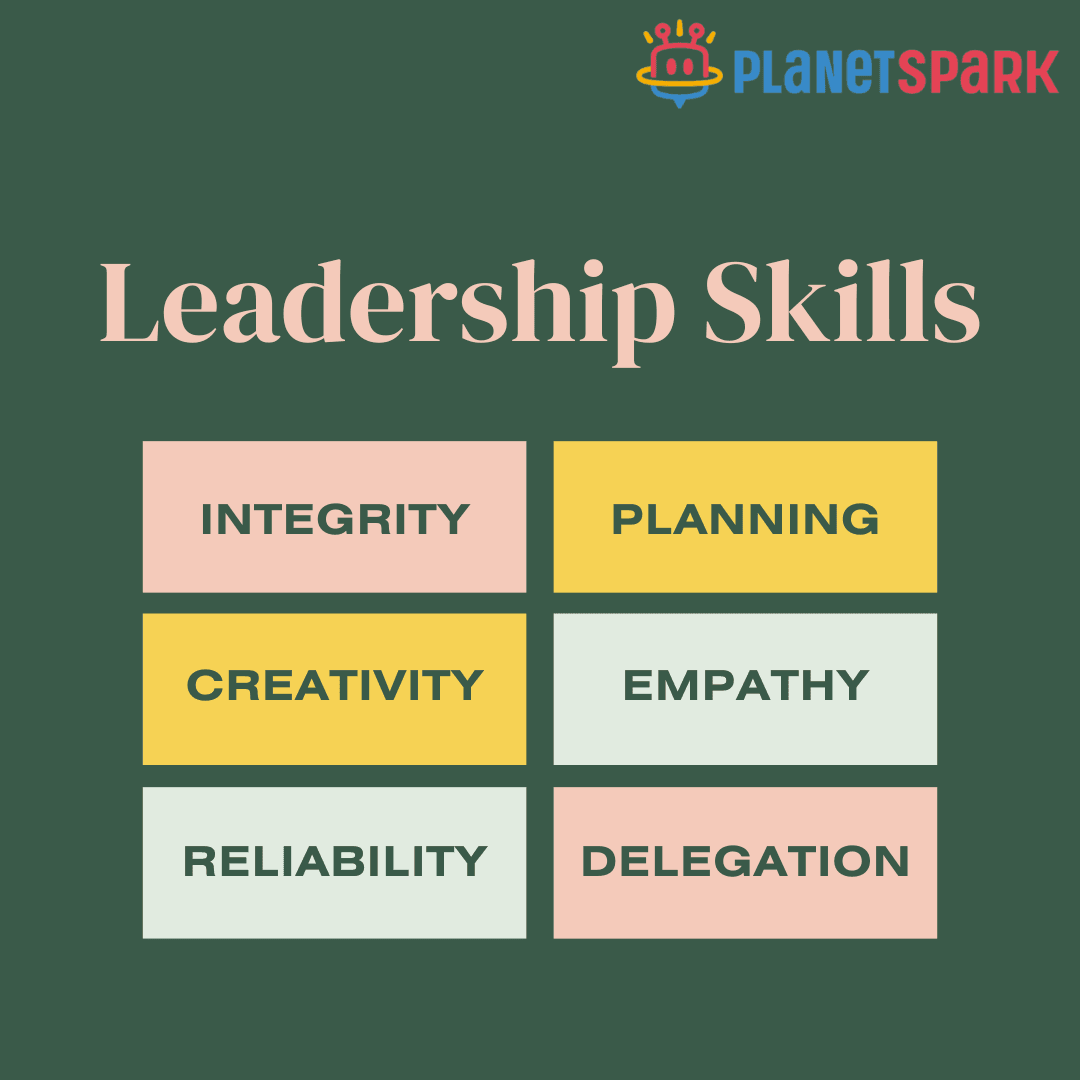
Core Leadership Qualities
Integrity: The cornerstone of leadership, integrity means doing what’s right even when no one is watching. Leaders with integrity earn respect, foster transparency, and create a culture of trust within their teams.
Planning: Strong leaders are proactive planners. They set clear goals, anticipate challenges, and design structured strategies that keep teams aligned and focused on priorities.
Creativity: Effective leadership involves thinking beyond conventions. Creative leaders encourage innovation, welcome fresh perspectives, and find new solutions to evolving workplace challenges.
Empathy: Understanding others’ emotions, challenges, and motivations helps leaders connect deeply with their teams. Empathy nurtures loyalty, collaboration, and a positive work culture.
Reliability: Dependable leaders follow through on commitments and set consistent examples for others. Reliability builds confidence and stability, especially during periods of change.
Delegation: Knowing how to assign tasks wisely is a critical leadership skill. Great leaders trust their teams, empower others to take ownership, and balance workloads to maximize productivity and growth.
These qualities, when practiced together, create leaders who not only inspire but also enable others to perform at their best.
Examples of Leadership Skills in Action
Leading a meeting effectively: Balancing structure (planning) with openness (creativity) to achieve clear outcomes while encouraging participation.
Managing a conflict with empathy: Listening to differing viewpoints, mediating calmly, and maintaining fairness while protecting team morale.
Motivating underperforming employees: Using empathy and reliability to provide constructive support and regain commitment.
Delegating tasks strategically: Assigning responsibilities based on team strengths and trusting others to deliver quality outcomes.
Driving innovation in projects: Combining creativity and planning to turn new ideas into practical solutions that benefit the organization.
These examples show how leadership is a daily practice of action, consistency, and emotional intelligence, turning qualities into results that inspire trust and progress.
How to Develop Leadership Skills
Leadership isn’t built overnight, it evolves through awareness, communication, decision-making, empathy, and vision. These five pillars form the foundation for effective leadership growth.
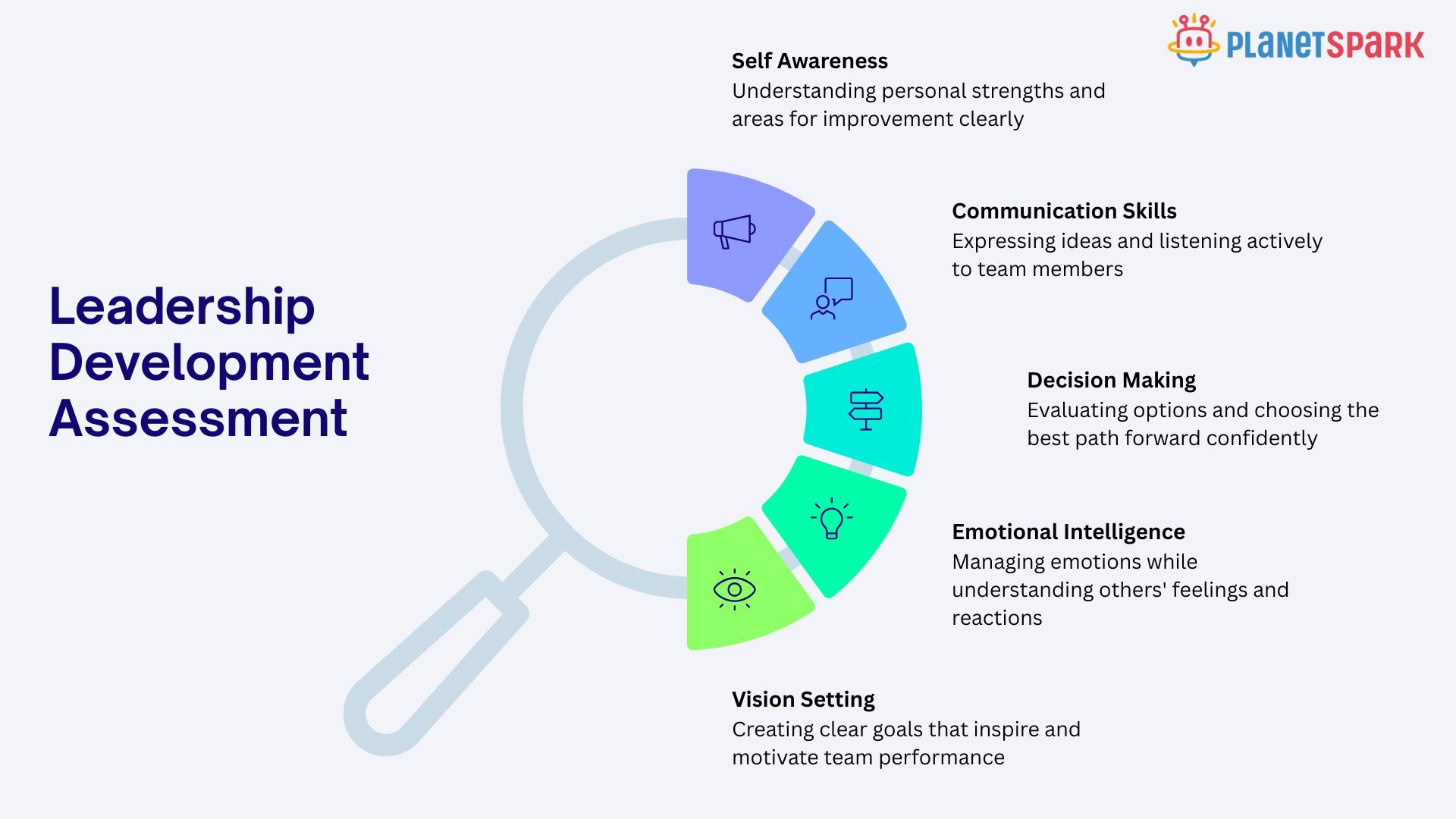
1. Self-Awareness
Understand your strengths, weaknesses, and values. Reflect regularly on your leadership style and how it impacts others.
Maintain a self-assessment journal.
Identify areas for growth using feedback from peers and mentors.
Recognize emotional triggers that affect your decisions.
2. Communication Skills
Leadership begins with clarity and connection. Learn to express ideas confidently and listen actively.
Practice two-way communication, encourage feedback and questions.
Strengthen public speaking, writing, and interpersonal communication.
Lead meetings with structure and empathy to ensure every voice is heard.
3. Decision-Making
Effective leaders balance logic with intuition. Build confidence in evaluating options and taking action.
Analyze problems systematically but stay flexible.
Learn to make timely decisions even with limited data.
Reflect on outcomes to refine your judgment for future choices.
4. Emotional Intelligence
Great leaders manage emotions, their own and others’.
Develop empathy to understand team members’ perspectives.
Stay calm under pressure to set a stable tone.
Use emotional insight to resolve conflicts and build trust.
5. Vision Setting
Strong leadership demands a clear sense of direction.
Define a long-term vision that aligns with organizational goals.
Break big ideas into achievable steps.
Inspire your team by connecting everyday tasks to the bigger picture.
Leadership Skills in Management
In management roles, leadership skills translate into how you set direction, enable people, and drive results. Management often focuses on processes, budgets, and schedules. Leadership focuses on motivating people, creating clarity, and enabling teams to perform. The best managers combine both.
How leadership applies to managerial roles
Goal setting: Leaders define a clear vision and measurable objectives so teams understand purpose and priority.
Delegation: Leaders assign ownership based on strengths, provide context, and empower direct reports to make decisions.
Performance reviews: Leaders use reviews to coach, set growth plans, and align individual goals with team outcomes.
Examples of how leadership differs from administrative management
An administrative manager might create the meeting agenda and track tasks; a leader uses the meeting to align team purpose, encourage input, and inspire ownership.
An administrative manager enforces processes; a leader explains why processes matter, solicits improvement ideas, and adapts approaches when needed.
An administrative manager monitors KPI compliance; a leader focuses on developing people so KPIs improve sustainably.
Real-World Leadership
Satya Nadella — Empathetic leadership
When Nadella refocused Microsoft on empathy and learning, he emphasized listening to customers and employees. This leadership approach prioritized psychological safety and curiosity, enabling teams to innovate and collaborate across silos.
Indra Nooyi — Vision-driven leadership
Nooyi combined a clear strategic vision with long-term thinking. She articulated purpose beyond short-term metrics and aligned product and people strategies to pursue sustained growth, demonstrating how vision shapes priorities and culture.
Ratan Tata — Ethical leadership
Ratan Tata’s decisions have often reflected principled stewardship rather than short-term gain. His example shows how integrity and ethical clarity build trust, protect reputation, and guide organizations through complex decisions.
Each mini case study shows one core leadership skill in action: empathy, vision, and integrity. Use these examples to identify behaviors you can emulate in your own context.
Future of Leadership
Leadership is evolving with new workplace realities and societal expectations. The next-generation leader needs a blend of human skills and an ability to leverage technology wisely.
Key trends shaping leadership
Hybrid and distributed teams: Leaders must build inclusion and cohesion across physical and virtual spaces, focusing on asynchronous communication, trust, and clear norms.
Emotional intelligence as a baseline: EQ moves from a “nice to have” to a core requirement; leaders must regulate emotions, read teams, and respond with empathy.
Diversity, equity, and inclusion: Leaders will be judged on their ability to create fair systems, amplify diverse voices, and remove bias from decisions.
Tech-enabled decision-making: Leaders should combine human judgment with data and AI insights, using tools to augment—not replace—strategic thinking.
Continuous learning and agility: Rapid change demands leaders who are learners: they upskill, adapt strategies fast, and foster a growth mindset in teams.
Focus your leadership development on these emerging areas to stay relevant and effective as work models and expectations continue to shift.
Get Acquainted with Our Top Educators
Top 1% certified experts who make learning engaging and impactful.

 Aanchal Soni
 10+ Years
 Abshar Afroz
 Anisha Gupta16+ Years
 Ankita Singh8+ Years
 Ankur Bhardwaj10+ Years
 Banani Garai30+ Years
 Deepa Kaushal2+ Years
 Dhakshayani Kannan
 Divya Khangarot4+ Years
 Divya Solanki11+ Years
Our Impact!
The Path Forward: Building Leadership That Lasts
True leadership isn’t about authority, it’s about influence, clarity, and purpose. The most effective leaders are self-aware, emotionally intelligent, and able to communicate a clear vision while empowering others to achieve it. Developing these skills takes time, reflection, and consistent practice.
As workplaces evolve, leaders who can adapt, inspire, and make thoughtful decisions will continue to stand out. By nurturing your leadership soft skills and applying them in real scenarios, you lay the foundation for sustainable success, both for yourself and your team.
If you’re ready to take the next step in your growth journey, PlanetSpark’s experiential leadership and communication courses can help you master these core abilities and lead with confidence in every professional setting.


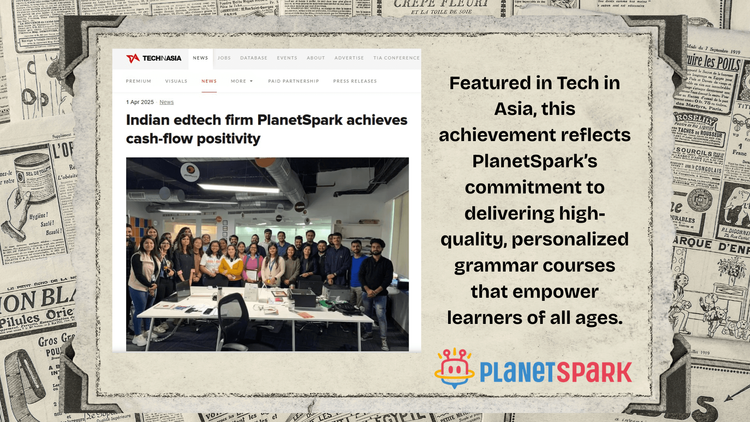
Making Headlines Nationwide
Featured in leading media for transforming individuals into confident, expressive, and stage-ready public speakers.

Frequently Asked Questions
Leadership skills are the abilities that help individuals guide, motivate, and influence others to achieve shared goals. They include communication, decision-making, empathy, planning, reliability, and the ability to delegate effectively.
Leadership skills drive team performance, build trust, improve communication, and help employees navigate challenges with clarity. Strong leadership also boosts engagement, morale, and long-term organizational growth.
A good leader demonstrates integrity, empathy, clear communication, creativity, sound judgment, and the ability to plan and delegate. They support their team, make thoughtful decisions, and inspire people to work toward a common vision.
Start by practicing self-awareness, seeking feedback, improving communication, taking initiative in projects, and enhancing your decision-making abilities. Leadership courses and mentorship programs also accelerate growth.
In management, leadership skills involve setting expectations, delegating tasks, resolving conflicts, conducting performance reviews, and guiding teams toward strategic goals. Leadership helps managers move beyond administration to true influence.
Not exactly. Management focuses on processes, systems, and task execution. Leadership focuses on vision, influence, and people. Effective managers blend both — they manage operations while leading people.
Leadership skills can be developed through practice, experience, and feedback. While some traits may come naturally, anyone can strengthen their leadership foundation with consistent effort and the right training.
Examples include leading meetings, resolving conflicts empathetically, motivating underperforming team members, delegating responsibilities based on strengths, and setting clear goals.
Emotional intelligence helps leaders understand and manage emotions, respond calmly to pressure, and build stronger team relationships. It improves trust, collaboration, and conflict resolution.
Adaptability, empathy, digital literacy, cross-cultural awareness, vision, and the ability to lead hybrid or remote teams will be essential as workplaces continue to evolve.