
Types of Linguistic Communication in Daily Life


Table of Contents
- What Is Linguistic Communication?
- Types of Linguistic Communication
- Linguistic Barriers to Communication
- Linguistic Communication in Daily Professional Life
- How This Helps in Communication Skills
- How PlanetSpark Helps You Build Stronger Linguistic Communic
- Common Mistakes That Weaken Linguistic Communication
- Quick Recap Before You Go
Every conversation you have at work, every email you send, and every meeting you lead depends on one foundational skill: linguistic communication.
Yet most working professionals never stop to examine how language actually works, why misunderstandings happen so frequently, and what practical steps they can take to communicate with far more clarity and impact every single day.
This blog breaks down what linguistic communication is, the major types you use daily, the most common linguistic barriers to communication that hold professionals back, and how building stronger language skills directly improves your career and confidence.
What Is Linguistic Communication?
Linguistic communication is the use of language, spoken, written, or signed, to convey meaning between people. It is the most structured and deliberate form of human communication, relying on shared vocabulary, grammar, syntax, and context to transmit information from one person to another.

Unlike non-verbal communication, which involves body language and tone, linguistic communication depends specifically on words and the rules that govern how those words are arranged and understood.
At its core, linguistic communication serves three purposes. It allows you to share information clearly. It enables you to build and maintain relationships through conversation. And it gives you the ability to influence, persuade, and collaborate effectively in both personal and professional settings.
For working professionals, linguistic communication is not just a soft skill. It is the primary tool through which ideas, decisions, and leadership are expressed every single day.
Types of Linguistic Communication
Understanding the different types of linguistic communication helps you become more intentional about how you express yourself and how you interpret what others say. Each type plays a distinct role in daily professional life.
Oral Communication
Oral communication is the spoken exchange of words in real time. This includes one-on-one conversations, team meetings, presentations, phone calls, and client discussions. It is the most immediate form of linguistic communication and the one where tone, pace, and word choice combine to shape how your message is received.
Strong oral communication skills allow professionals to think on their feet, explain complex ideas simply, and hold the attention of any audience.
Written Communication
Written communication covers every form of language put into text, including emails, reports, proposals, messages, and documentation. Unlike oral communication, written language allows you to carefully choose and organise your words before they reach the reader.
In most professional environments, written communication creates a permanent record that influences decisions, builds credibility, and defines how others perceive your professionalism over time.
Formal Linguistic Communication
Formal communication follows a defined structure, tone, and protocol. It includes official business correspondence, legal documents, performance reviews, and boardroom presentations. It is precise, structured, and deliberately free of ambiguity.
Professionals who master formal linguistic communication are taken more seriously, trusted with higher responsibilities, and seen as credible leaders in their organisations.
Informal Linguistic Communication
Informal communication is the casual, conversational language you use with colleagues, friends, and familiar peers. It is flexible, spontaneous, and relationship-building in nature.
While informal communication feels effortless, it still requires skill. Knowing when to use informal language and when to shift to a formal register is one of the most important professional communication judgements a person can make.
Interpersonal Communication
Interpersonal linguistic communication refers to the direct exchange between two or more individuals in a personal context. It includes active listening, empathetic responses, conflict resolution conversations, and collaborative dialogue.
For working professionals, strong interpersonal communication is what builds trust, resolves tension, and creates the kind of workplace relationships that support long-term career growth.
Digital and Written-Verbal Communication
With the rise of remote work and digital collaboration, a new layer of linguistic communication has become central to professional life. Emails, Slack messages, video call scripts, and content creation all require a distinct language register that blends written precision with conversational accessibility.
Professionals who adapt their linguistic communication effectively to digital platforms communicate faster, reduce miscommunication, and build stronger working relationships across geographies.
Linguistic Barriers to Communication
Even the most skilled communicators face obstacles. Linguistic barriers to communication are the specific language-based challenges that prevent messages from being understood clearly and accurately. Recognising these barriers is the first step toward overcoming them.
Language Differences
When two people do not share a common native language, every conversation carries the risk of misinterpretation. Word choices that feel natural in one language may not carry the same meaning or nuance when translated, even informally, into another.
In multicultural professional environments, this is one of the most frequently encountered linguistic barriers to communication. Developing clear, simple, and universally understood language habits reduces this barrier significantly.
Jargon and Technical Language
Every industry has its own vocabulary. When professionals use highly specialised language with people outside their field, they create a wall between themselves and their audience. Jargon-heavy communication feels exclusive, confusing, and often comes across as arrogance rather than expertise.
Effective communicators know how to translate technical knowledge into plain language without losing accuracy.
Ambiguous Language
Vague language is one of the most damaging linguistic barriers to communication in professional settings. When instructions, feedback, or expectations are expressed ambiguously, the listener fills in the gaps with their own assumptions, which often leads to errors, conflict, and wasted effort.
Precise, specific language is always more effective than language that leaves room for multiple interpretations.
Cultural and Contextual Differences
Words do not exist in a vacuum. The meaning of language is shaped by the cultural, social, and professional context in which it is used. A phrase that signals confidence in one culture may sound aggressive in another. A communication style that feels collaborative in one context may seem indirect and unclear in another.
Cultural and contextual differences are among the most subtle but significant linguistic barriers to communication in global and diverse workplaces.
Limited Vocabulary
When a person's vocabulary is limited, their ability to express nuance, precision, and complexity is constrained. They may communicate the general idea but lose the detail, emotion, or clarity that makes the message truly effective.
Investing in vocabulary development is one of the most direct ways to reduce this barrier and immediately improve communication quality.
Accent and Pronunciation Differences
Accents and pronunciation variations can create difficulties in oral communication, particularly in cross-regional or international professional environments. Listeners may struggle to follow a speaker, and the speaker may feel self-conscious, which further reduces the clarity and confidence of their communication.
Awareness, patience, and deliberate articulation on both sides of the conversation go a long way in addressing this barrier.
Linguistic Communication in Daily Professional Life
Linguistic communication is not an abstract academic concept. It shows up in the most ordinary moments of your professional day, often in ways you do not consciously notice until something goes wrong.
The email you send to a client is a piece of written linguistic communication. Every word signals your professionalism, attention to detail, and respect for the reader's time. The briefing you give your team before a project launches is oral linguistic communication in action. Your clarity in that moment determines whether the team executes with confidence or proceeds with confusion.
The negotiation you lead in a vendor meeting relies on formal linguistic communication to establish credibility and close terms effectively. The supportive conversation you have with a colleague who is struggling is interpersonal linguistic communication at its most impactful.
In each of these moments, the quality of your linguistic communication shapes the outcome. Improving it is not about becoming a different person. It is about becoming more intentional with the language tools you already have.

How This Helps in Communication Skills
Communication skills are not built by accident. They are the direct result of understanding how language works and deliberately practising the habits that make language more effective.
Developing your linguistic communication strengthens several interconnected areas of professional communication:
Clarity and Precision become your default. When you understand the types of linguistic communication and the barriers that block it, you naturally begin choosing words that are specific, direct, and easy to act on. Your messages stop being misread.
Active Listening improves alongside your speaking. Understanding how language creates meaning makes you a more careful listener who catches the intent behind words, not just the words themselves.
Confidence in Speaking grows when you have a stronger vocabulary and a clearer sense of how to structure spoken communication. You enter meetings, presentations, and difficult conversations with greater ease.
Professional Relationships deepen when you can adapt your language to different people, contexts, and cultures without losing authenticity. This adaptability is the mark of a truly skilled communicator.
Conflict Resolution becomes more effective when you can identify linguistic barriers to communication in real time and adjust your approach before misunderstandings escalate.
Written Impact increases as you develop the habit of reviewing your language for ambiguity, tone, and structure before sending. Your emails, proposals, and reports begin to reflect your best thinking rather than rushed expression.
Structured communication skill building, such as the programs offered by PlanetSpark, accelerates this development by giving you personalised feedback, practical exercises, and expert guidance that translates immediately into your daily professional life.
How PlanetSpark Helps You Build Stronger Linguistic Communication
PlanetSpark's communication skills program is designed specifically for working professionals who want to communicate with greater clarity, confidence, and impact in every professional context.
Here is how PlanetSpark directly supports your linguistic communication development:
1:1 Live Expert Coaching provides personalised guidance that identifies the specific linguistic barriers holding you back and builds targeted habits to overcome them. Every session is focused on your communication context, your professional goals, and your actual language challenges.
Spoken Communication Practice builds your oral communication skills through structured conversation exercises, presentation practice, and real-time feedback from expert trainers who help you hear what your communication sounds like to others.
Written Communication Development helps you craft emails, reports, and professional content that is clear, precise, and influential without requiring hours of revision.
Vocabulary and Language Fluency Building expands your range of expression so you can communicate at the level your role, ambitions, and relationships require.
Cultural and Contextual Communication Training prepares you to navigate the linguistic barriers to communication that arise in diverse, multicultural, and international professional environments.
AI-Powered Progress Tracking gives you measurable insight into your communication improvement over time so you can see exactly how your linguistic communication is developing and where to focus next.
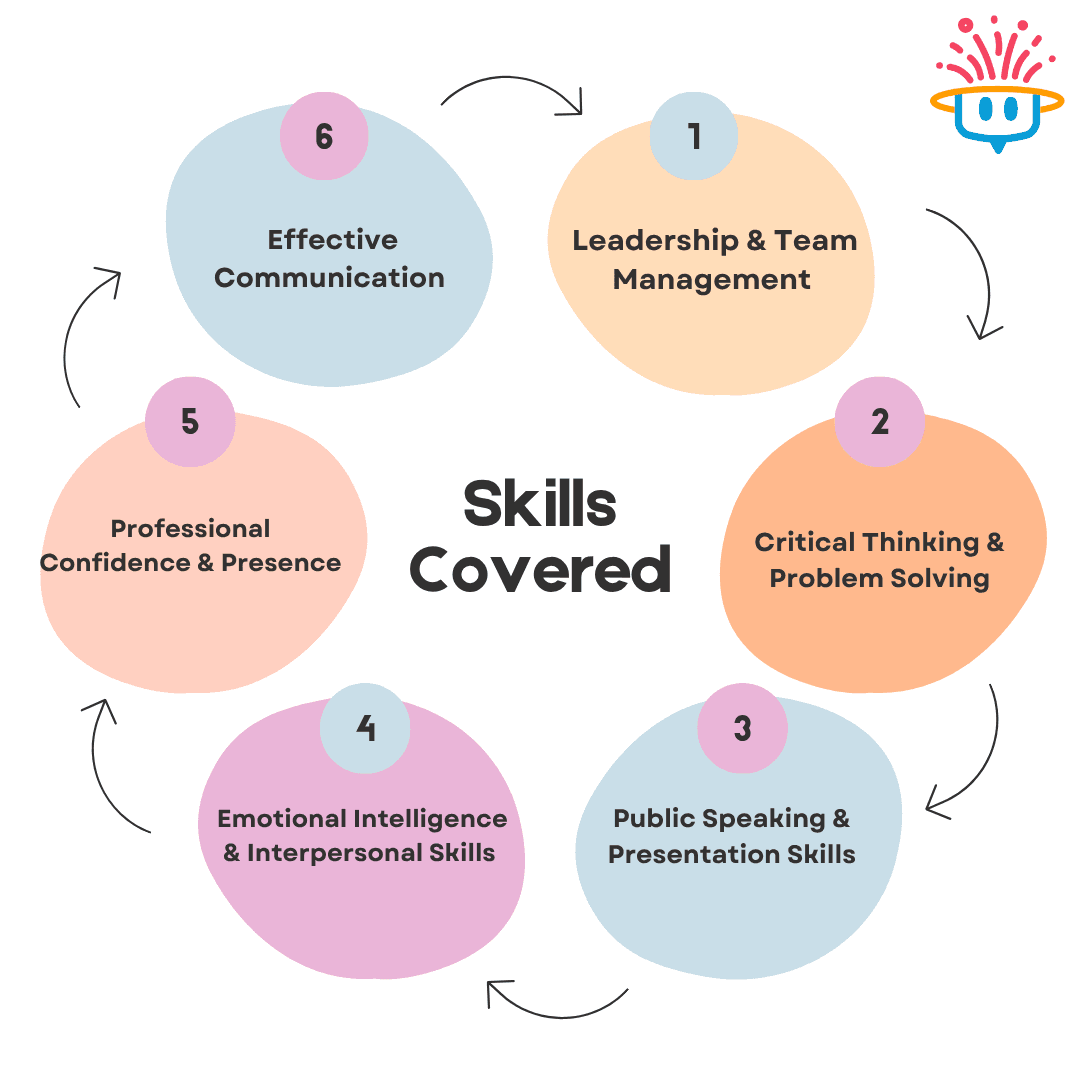
PlanetSpark's program is built for busy professionals. Every session delivers practical, immediately applicable skills that show up in how you communicate the very next day.
Common Mistakes That Weaken Linguistic Communication
Even experienced professionals make language habits that quietly undermine their communication effectiveness. Recognising these habits is the first step to changing them.
Using too much jargon with mixed audiences creates confusion and distances you from the people you most need to reach. Defaulting to vague language when you are unsure leads to costly misunderstandings that require rework and repair. Ignoring cultural and contextual differences in your language creates unnecessary friction in professional relationships that would otherwise be smooth.
Speaking too quickly without pausing for comprehension prevents your listener from processing your message accurately, even when your words are well chosen. Skipping review in written communication before sending allows ambiguity and errors to represent you in ways that do not reflect your actual capability.
Avoiding these habits, and replacing them with deliberate, clear, and context-aware language, is what separates professionals who are merely understood from those who are genuinely influential.
Quick Recap Before You Go
Linguistic communication is the foundation of every professional interaction. Understanding its types, recognising the barriers, and building deliberate language habits transforms how you are perceived, how your ideas land, and how your career advances.
The most important things to remember are that linguistic communication includes oral, written, formal, informal, interpersonal, and digital forms. Linguistic barriers to communication include language differences, jargon, ambiguity, cultural differences, limited vocabulary, and pronunciation challenges. Overcoming these barriers requires self-awareness, vocabulary development, and structured practice. Building strong linguistic communication skills directly improves your professional relationships, clarity, confidence, and career growth.
Every meeting, message, and conversation is an opportunity to communicate more clearly and leave a stronger impression. PlanetSpark gives working professionals the structured support, expert coaching, and personalised practice they need to communicate at the level their ambitions require.
Frequently Asked Questions
Linguistic communication is the use of structured language, whether spoken, written, or signed, to convey meaning between individuals. It relies on shared vocabulary, grammar, and context and is the most deliberate form of human communication used in both personal and professional settings.
The main types of linguistic communication include oral communication, written communication, formal communication, informal communication, interpersonal communication, and digital communication. Each type serves a different purpose in daily professional and personal interactions.
Linguistic barriers are difficulties in expressing or understanding ideas due to language-related issues such as limited vocabulary, grammar mistakes, pronunciation problems, or difficulty understanding context. These barriers exist even when the learner knows the language.
In the workplace, linguistic barriers to communication lead to misunderstandings, errors, conflict, and reduced collaboration. When professionals cannot clearly express or accurately interpret language, it affects decision-making, team performance, and professional relationships over time.
Working professionals can overcome linguistic barriers by using clear and precise language, avoiding unnecessary jargon, building vocabulary, developing cultural awareness, practising active listening, and investing in structured communication skill development programs such as those offered by PlanetSpark.
Strong linguistic communication makes professionals more credible, persuasive, and effective in leadership, collaboration, and client-facing roles. It directly improves how ideas are received, how relationships are built, and how confidently professionals navigate high-stakes professional situations.
Download Free Worksheets
Personalized Communication Roadmaps
Record a video to get a AI generated personalized communication reports