
Daily Mindful Activities with Kids for Summer Vacation
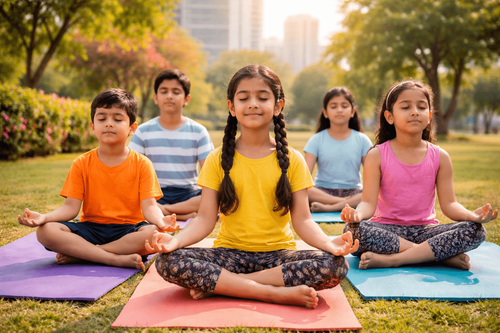

Table of Contents
Is your child’s summer filled with creativity, or just screen time? Summer vacation is a great chance for kids to relax, explore, and bond with family, but excessive screen use can affect their focus and emotional well-being. That’s where mindfulness activities come in. By adding simple, fun mindfulness activities to your child’s daily routine, you can help them stay present, manage emotions, and build essential life skills. In this guide, discover engaging mindfulness activities for students and teens, along with practical examples of mindfulness and learn how PlanetSpark supports confident, mindful growth in children.
What Are Mindfulness Activities?
Mindfulness activities are exercises that help children focus on the present moment. Instead of worrying about the past or future, kids learn to pay attention to what they are doing, feeling, and experiencing right now. For children, mindfulness doesn’t need to be complex. It can be playful, creative, and deeply engaging.
Examples of mindfulness include:
- Taking slow, deep breaths
- Observing nature quietly
- Paying attention while eating
- Listening carefully to sounds
- Expressing thoughts through drawing or storytelling
These simple examples of mindfulness help children become more aware of their thoughts and emotions, improving their ability to respond calmly to situations.
Why Mindfulness Matters for Kids During Summer
Summer is the perfect time to introduce mindfulness because children are free from academic pressure and more open to new experiences.
Key Benefits of Mindfulness Activities
1. Better Focus and Attention
Mindfulness strengthens concentration, which helps children in both academics and daily tasks.
2. Emotional Balance
Kids learn how to manage feelings like anger, frustration, or anxiety.
3. Improved Communication Skills
Being mindful helps children listen better and express themselves clearly.
4. Increased Creativity
When children are present in the moment, their imagination expands naturally.
5. Stronger Parent-Child Bonding
Practicing mindfulness together creates meaningful shared experiences.
Daily Mindfulness Activities for Kids
Creating a daily routine with mindfulness activities doesn’t have to be complicated. Here are simple practices you can incorporate into your child’s day:
1. Mindful Breathing
Mindful breathing is one of the most basic and effective mindfulness activities for kids. It teaches children how to calm their minds and bodies by focusing on their breath.
Ask your child to sit or lie down in a comfortable position. Encourage them to take slow, deep breaths, breathing in through the nose and out through the mouth. To make this activity engaging, you can turn it into a game. For example, ask them to imagine blowing up a big balloon as they inhale and slowly releasing the air as they exhale. Another fun technique is the “smell the flower, blow out the candle” method, which makes breathing feel playful and natural.
Practicing mindful breathing for just 3–5 minutes a day can help children reduce anxiety, improve focus, and feel more relaxed, especially during moments of stress or frustration.
2. Gratitude Practice
Gratitude is a powerful way to shift a child’s mindset toward positivity. This mindfulness activity encourages kids to focus on the good things in their lives, no matter how small. Set aside a few minutes each day, perhaps before bedtime, to ask your child to share three things they are thankful for. These can be simple things like playing with a friend, enjoying their favorite meal, or spending time with family. Younger children can draw pictures instead of writing, while older kids can maintain a gratitude journal.
Over time, this practice helps children develop emotional awareness, boosts their mood, and teaches them to appreciate everyday moments. It also strengthens family bonding when shared together.
3. Mindful Observation
Mindful observation helps children become more aware of their surroundings by engaging their senses. This activity encourages curiosity and presence in the moment. Take your child on a short walk outdoors or even sit by a window at home. Ask them to notice things they might usually overlook, such as the color of the sky, the sound of birds, the movement of leaves, or the texture of objects around them. You can turn this into a fun challenge by asking questions like, “How many different sounds can you hear?” or “Can you spot five different colors?”
This activity not only improves concentration but also nurtures creativity and appreciation for nature. It’s a great way to disconnect from screens and reconnect with the real world.
Turn summer into a skill-building adventure with PlanetSpark’s expert-led programs.
Book your free demo today
4. Body Awareness Exercise
Body awareness, also known as a body scan, helps children connect with their physical sensations and understand how their body feels at any given moment. Ask your child to lie down comfortably and close their eyes. Then gently guide them to focus on different parts of their body, starting from their toes and moving up to their head. Encourage them to notice any sensations, such as warmth, tension, or relaxation without trying to change anything.
This practice is especially helpful for calming the mind before bedtime or after a busy day. It teaches children to recognize physical signs of stress and helps them relax their bodies naturally.
5. Mindful Eating
Mindful eating turns everyday meals into an opportunity for awareness and enjoyment. It encourages children to slow down and truly experience their food. During meals, ask your child to take small bites and pay attention to the taste, texture, smell, and even the appearance of their food. You can ask questions like, “Is it sweet or salty?” or “How does it feel when you chew?” This makes eating more interactive and engaging. Mindful eating not only improves digestion but also helps children develop a healthier relationship with food. It teaches them to listen to their hunger cues and appreciate what they are eating instead of rushing through meals.
By incorporating these small practices can create a big impact, helping your child grow into a more calm, confident, and mindful individual and with PlanetSpark, you can further nurture these skills by building your child’s communication, creativity, and confidence through expert-led programs.
Fun Mindfulness Activities to Keep Kids Engaged
To keep children interested, mindfulness should feel like play rather than a task. Here are some fun mindfulness activities:
1. Bubble Breathing
Blowing bubbles encourages slow, controlled breathing and makes mindfulness enjoyable.
2. Mindful Coloring
Coloring helps children focus on patterns, shapes, and colors while calming their minds.
3. Sensory Play
Playing with sand, clay, or water helps kids explore textures and stay present.
4. Listening Challenge
Ask kids to close their eyes and identify as many sounds as they can hear.
5. Storytelling Time
Encourage kids to create and narrate stories. This builds both mindfulness and communication skills.

Mindfulness Activities for Students
Students benefit greatly from structured mindfulness activities that improve focus and learning abilities.
1. One-Minute Breathing Breaks
Short breathing exercises between study sessions can reset attention.
2. Visualization
Ask students to imagine peaceful scenes or successful outcomes before starting tasks.
3. Thought Journaling
Writing down thoughts helps children process emotions and reduce stress.
4. Mindful Listening
Encourage children to listen carefully during conversations without interrupting.
5. Single-Task Focus
Teach students to focus on one task at a time instead of multitasking.
These mindfulness activities for students improve both academic performance and emotional well-being.
Mindfulness Activities for Teens
Teenagers face increasing academic and social pressures. Mindfulness activities for teens can help them stay balanced and confident.
1. Guided Meditation
Teens can use guided sessions to relax and build self-awareness.
2. Digital Detox
Encourage screen-free time to reduce stress and improve focus.
3. Reflective Writing
Journaling helps teens understand their thoughts and emotions better.
4. Mindful Movement
Activities like yoga, running, or dancing can become mindful when done with full attention.
5. Goal Reflection
Teens can set goals and reflect on their progress mindfully.
Help your child grow confident and mindful, start their journey with PlanetSpark today!
Book your free demo today.
Tips for Parents to Encourage Mindfulness
- Keep activities simple and fun
- Practice mindfulness together as a family
- Avoid forcing participation
- Appreciate small efforts
- Combine learning with play
Most importantly, create an environment where children feel safe to express themselves—this is where platforms like PlanetSpark can make a significant difference.
Creating a Mindful Summer Routine with PlanetSpark
To make the most of summer vacation, parents can combine daily mindfulness activities with structured programs like PlanetSpark.
Sample Daily Routine
- Morning: 5 minutes of mindful breathing
- Afternoon: Creative learning session with PlanetSpark
- Evening: Outdoor mindful activity or family time
- Night: Gratitude journaling
This balanced routine ensures children develop both emotional awareness and communication skills.
How PlanetSpark Enhances Mindfulness in Kids
While traditional mindfulness activities are highly effective, combining them with structured learning can amplify results. This is where PlanetSpark stands out. PlanetSpark is designed to help children build essential life skills such as communication, creativity, and confidence, skills that naturally align with mindfulness.
1. Encouraging Self-Expression
Mindfulness is about awareness, and awareness grows when children express themselves. PlanetSpark’s storytelling and public speaking programs give kids a platform to share their thoughts confidently.
2. Building Focus Through Structured Learning
PlanetSpark sessions are interactive and engaging, helping children stay attentive and present, key aspects of mindfulness.
3. Boosting Emotional Intelligence
Through guided activities, kids learn how to understand and express emotions effectively.
4. Enhancing Creativity
Creative writing and storytelling encourage children to stay immersed in the moment, a core principle of mindfulness.
5. Developing Confidence
Mindful children are more self-aware, and PlanetSpark helps turn that awareness into confidence through consistent practice and feedback.

Mindful Summer, Confident Future Ahead
Summer vacation is more than just a school break, it’s a chance to nurture your child’s emotional, mental, and creative growth. By adding mindfulness activities to daily routines, kids become calmer, more focused, and confident. From fun mindfulness activities to structured mindfulness activities for students and teens, these practices build lifelong skills. When paired with PlanetSpark, children not only stay present but also learn to express themselves clearly and confidently. Start small, stay consistent, and make mindfulness a joyful habit, because a mindful summer today can shape a happier, smarter, and more confident future for your child.
Learn More:-
Frequently Asked Questions
Mindfulness activities for kids are simple exercises like breathing, observation, and journaling that help children stay present, improve focus, and manage their emotions effectively.
During summer, kids have more free time, making it the perfect opportunity to build healthy habits. Mindfulness activities help reduce screen time, improve emotional balance, and encourage creativity.
Fun mindfulness activities include mindful coloring, bubble breathing, nature walks, sensory play, and listening games that keep children engaged while building awareness.
Mindfulness activities for students and teens improve concentration, reduce stress, enhance emotional intelligence, and support better academic performance.
PlanetSpark helps children build mindfulness by encouraging self-expression through storytelling, public speaking, and creative writing, which improves awareness and confidence.
Yes, PlanetSpark focuses on enhancing communication skills through interactive sessions, helping children express their thoughts clearly and confidently.
PlanetSpark offers programs designed for different age groups, including kids and teens, ensuring age-appropriate learning and skill development.