
Prepare For A One-On-One Interview And Answer Confidently
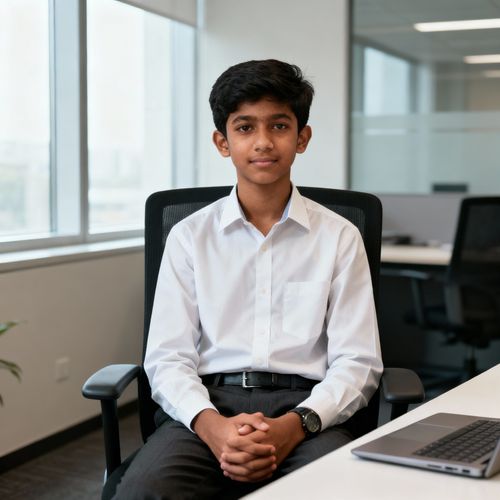

Table of Contents
- Key Aspects of a One-on-One Interview
- Understanding Individual Interview vs Group Formats
- How to Prepare for a One-on-One Interview
- Building Rapport with Interviewer
- Common Questions in a One-on-One Interview
- Body Language and First Impressions
- Mistakes to Avoid in a One-on-One Interview
- Advanced Tips to Answer Confidently
- Why One-on-One Interviews Matter in Career Growth
- Transform Your Interview Confidence with PlanetSpark
- Conclusion
A one-on-one interview is one of the most critical stages in the hiring process because it allows direct and focused interaction between you and the interviewer. Unlike other formats, this setting gives you the opportunity to present your skills, experiences, and personality without distractions. However, it also means that every response, expression, and interaction is closely observed.
Many working professionals struggle not due to lack of experience, but because they are unsure how to communicate their value effectively. This blog will help you understand the structure of a one-on-one interview, explore individual interview vs group differences, and learn strategies for building rapport with the interviewer to create a strong and lasting impression.
Key Aspects of a One-on-One Interview
A one-on-one interview is a personalized interaction where the interviewer evaluates your professional abilities, communication skills, and overall suitability for the role. Since the focus is entirely on you, the depth of conversation is significantly higher compared to other formats.
Key aspects include:
- Direct communication that allows detailed discussion
- Opportunity to showcase your thought process clearly
- Strong focus on your personality and interpersonal skills
- More room to explain your achievements and experiences
This format requires a balance of clarity, confidence, and authenticity. Since there are no other candidates to share attention, your responses should be well-structured and meaningful.
Understanding these aspects helps you approach the interview with a focused and confident mindset.
Understanding Individual Interview vs Group Formats
Knowing the difference between individual interview vs group formats helps you adapt your strategy effectively.
In a one-on-one interview, the conversation is more personal and detailed. You have the time and space to elaborate on your experiences and build a connection with the interviewer.
In contrast, group interviews involve multiple candidates being assessed together. The focus shifts toward how you interact with others, contribute to discussions, and stand out in a competitive environment.
Here is how they differ:
- One-on-one interviews emphasize depth and clarity
- Group interviews emphasize teamwork and visibility
- Individual interviews allow personalized interaction
- Group formats require quick thinking and active participation
Understanding these differences allows you to tailor your preparation and communication style for each format.
How to Prepare for a One-on-One Interview
Preparation is the most important step in succeeding in a one-on-one interview. When you are well-prepared, your confidence naturally increases.
Start with research. Understand the company, its values, and the role you are applying for. This helps you align your answers with what the organization is looking for.
Next, focus on your responses:
- Review your professional experiences and achievements
- Prepare examples that demonstrate your skills
- Practice answering common interview questions
- Structure your answers for clarity and impact
It is also important to prepare questions for the interviewer. This shows your interest and engagement.
Practicing aloud or through mock interviews can significantly improve your confidence and delivery.
Also Read: Answering Tricky and Unexpected Interview Questions
Building Rapport with Interviewer
Building rapport with interviewer is one of the most powerful ways to stand out in a one-on-one interview. A strong connection can make the interaction more engaging and positive.
Rapport is not about impressing the interviewer artificially. It is about creating a genuine and comfortable conversation.
You can build rapport by:
- Greeting confidently and maintaining eye contact
- Listening actively and responding thoughtfully
- Showing enthusiasm for the role and company
- Adapting your tone to match the flow of conversation
Small actions like acknowledging the interviewer’s points or asking thoughtful questions can make a big difference.
When rapport is established, the interview becomes more conversational, allowing you to express yourself more naturally and confidently.
Learn to build strong professional connections. Book a free trial at PlanetSpark.
Common Questions in a One-on-One Interview
A one-on-one interview typically includes a variety of questions that assess your skills, experience, and mindset. Being prepared for these questions helps you respond confidently.
Some commonly asked questions include:
- Tell me about yourself
- Why do you want this role
- What are your strengths and weaknesses
- Describe a challenging situation and how you handled it
- Where do you see yourself in the future
To answer effectively, focus on:
- Keeping your answers structured and relevant
- Highlighting your achievements and learnings
- Avoiding overly long or vague responses
- Connecting your experience to the role
Preparation and practice ensure that your answers are clear, concise, and impactful.
Body Language and First Impressions
In a one-on-one interview, your body language plays a crucial role in shaping the interviewer’s perception. First impressions are formed quickly, and non-verbal cues can influence how your responses are received.
Positive body language includes:
- Maintaining steady eye contact
- Sitting with a confident posture
- Using natural hand gestures
- Smiling appropriately
Negative body language such as fidgeting, slouching, or avoiding eye contact can create a poor impression.
Your body language should reflect confidence, openness, and professionalism. When combined with strong communication, it enhances your overall impact.
Mistakes to Avoid in a One-on-One Interview
Lack of Preparation
Entering an interview without preparation often leads to unclear answers and reduced confidence. Preparation ensures you can present your experience effectively.
Poor Communication
Unclear or rushed answers can reduce your impact. Speaking clearly and maintaining a steady pace improves understanding.
Not Building Rapport
Ignoring the importance of building rapport with interviewer can make the interaction feel formal and disconnected. A conversational approach creates a stronger impression.
Overconfidence or Underconfidence
Being overly confident may appear arrogant, while lack of confidence may raise doubts. A balanced approach is key.
Ignoring Body Language
Negative body language can weaken your overall impression. Maintaining confident posture and eye contact is essential.
Advanced Tips to Answer Confidently
To truly excel in a one-on-one interview, you need to go beyond basic preparation and focus on refining your approach.
- One effective strategy is to structure your answers clearly. This ensures your responses are easy to understand and impactful.
- Another important tip is to stay calm and composed. Taking a brief pause before answering helps you organize your thoughts.
- You should also focus on storytelling. Sharing real examples makes your answers more engaging and credible.
- Finally, practice regularly. Mock interviews help you identify areas for improvement and build confidence.
Master advanced communication skills. Book a free trial with PlanetSpark.
Why One-on-One Interviews Matter in Career Growth
A one-on-one interview is more than just an evaluation. It is an opportunity to showcase your potential and build a professional connection.
Strong performance in such interviews can:
- Increase your chances of selection
- Help you build confidence in professional communication
- Strengthen your ability to express ideas clearly
- Create positive impressions that impact long-term career growth
Understanding the importance of this format helps you take it seriously and prepare effectively.
Also Read: Crack A Behavioral Interview With Structured And Confident Answers
Transform Your Interview Confidence with PlanetSpark
A one-on-one interview is your chance to present your true potential and create a strong professional impression. When you understand the format, prepare effectively, and focus on building rapport with interviewer, you naturally stand out as a confident candidate.
With the right guidance and consistent practice through PlanetSpark Public Speaking programs, you can improve your communication, build confidence, and turn every one-on-one interview into a successful opportunity.
PlanetSpark Public Speaking classes are designed to help working professionals build confidence, clarity, and structured communication skills required for interviews and career growth.
These classes focus on improving articulation, confidence, and the ability to perform effectively in one-on-one interviews.
Key features include:
- Live, interactive sessions with expert trainers
- 1:1 personalized coaching tailored to individual needs
- Real-world practice through mock interviews and presentations
- AI-powered tools like SparkX for performance feedback
- AI-led practice sessions for continuous improvement
- Spark Diary for structured thinking and expression
- Gamified learning tools like SparkBee for engagement
- Regular progress reports with actionable insights
- Access to communication and speaking communities
- Safe sharing platform through Sparkline
With consistent practice and expert guidance, you can transform your communication skills and perform confidently in any one-on-one interview.
Conclusion
A one-on-one interview is your opportunity to communicate your value with clarity, confidence, and authenticity. When you understand the format, prepare strategically, and focus on building rapport with interviewer, you create a strong and lasting impression. Every answer you give and every interaction you have contributes to how you are perceived as a professional.
Success in a one-on-one interview is not about giving perfect answers. It is about presenting your experiences clearly, staying composed, and connecting effectively with the interviewer. With consistent practice and the right guidance through PlanetSpark, you can strengthen your communication skills and approach every interview with confidence.
Frequently Asked Questions
A one-on-one interview usually lasts between 30 to 60 minutes depending on the role and organization. Some interviews may extend if deeper discussion or additional evaluation is required.
Prepare by researching the company, practicing answers, reviewing your experience, and improving communication skills. Structured preparation helps you answer confidently and perform better in a one-on-one interview.
A one-on-one interview allows focused interaction between candidate and interviewer. It helps in building rapport with interviewer, explaining experiences clearly, and showcasing communication skills effectively without distractions from other candidates.
PlanetSpark helps professionals improve communication, confidence, and structured speaking. Through expert training and practice, learners excel in building rapport with interviewers and performing effectively in one-on-one interviews.
Common types include one-on-one, panel, group, behavioral, situational, technical, and stress interviews. Each format evaluates different skills and requires a slightly different preparation approach.
Personalized Communication Roadmaps
Record a video to get a AI generated personalized communication reports