
Polyphonic Skills: Elevate Your Voice With PlanetSpark Coaching

Table of Contents
- Understanding the Word “Polyphonic”
- Polyphonic in Music: The Origin of a Powerful Concept
- Polyphonic Skills in Communication: A Modern Superpower
- Why Students Need Polyphonic Skills Today
- How PlanetSpark Builds Polyphonic Skills in Children and Tee
- Polyphonic Skills Taught at PlanetSpark
- Benefits of Developing Polyphonic Skills Early in Life
- Real Examples: How Students Use Polyphonic Skills
- Pranav’s Journey to Confident Communication Excellence
- How Parents Can Encourage Polyphonic Skills at Home
- PlanetSpark: The Leading Hub for Powerful Communication Skil
- Give Your Child a Polyphonic Voice for a Confident Future wi
Polyphonic expression is the art of letting your voice carry many tones, emotions, and layers like a story sung instead of spoken. This guidance opens the door to mastering that richness, showing how multi-layered speaking can transform simple words into powerful moments. With PlanetSpark’s dynamic coaching, students learn to shape their voice with confidence, colour, and clarity, turning everyday communication into a vibrant, polyphonic performance.
Understanding the Word “Polyphonic”
Before diving into skills training, it’s important to understand the term at its core.
Polyphonic Meaning
The word polyphonic comes from the Greek words poly (many) and phōnē (voice or sound).
So, polyphonic meaning literally translates to “many sounds or voices.”
What Does Polyphonic Mean?
Polyphonic refers to something that involves multiple independent voices, tones, or layers working together.
It can be:
Multiple musical notes blended harmoniously
Different voices contributing to a story or performance
Several perspectives coexisting in communication
Layers of tones in speaking or singing
In other words, polyphonic communication is when a speaker uses varied expressions, emotions, pacing, tone, body language, and styles which are all woven together to create impact.
Polyphonic in Music: The Origin of a Powerful Concept
To understand polyphonic speaking, it helps to understand polyphonic in music, where the concept originated.
Polyphonic in Music Explained
In musical terms, polyphonic music refers to a composition where two or more independent melodies are played or sung at the same time.
It is a style used in:
Classical compositions
Choir arrangements
Folk music
Jazz harmonies
Instrumental layering
Examples include:
Beethoven’s symphonies
Church choir hymns
Traditional African tribal music
Baroque compositions by Bach
Each voice holds its own melody, yet blends seamlessly to form a rich and complex sound.
Why This Matters in Public Speaking
The same idea applies to communication.
A great speaker doesn’t sound the same throughout. They bring:
Emotion
Emphasis
Variation
Storytelling layers
Logical and emotional tones
Shifts in pitch, pace, and pauses
This multi-layered speaking style is what we call polyphonic skills.
Help Your Child Communicate Clearly with Expert-Led Training at PlanetSpark!
Polyphonic Skills in Communication: A Modern Superpower
In 2025, communication is no longer about simply speaking clearly.
It’s about:
Engaging
Influencing
Persuading
Storytelling
Performing
Connecting emotionally
This is where polyphonic skills come in.
A polyphonic speaker can:
1. Shift tonality smoothly
From humorous to serious
From calm to energetic
From empathetic to confident
2. Add layers of expression
Tone
Emotion
Pauses
Intensity
Rhythm
Pacing
3. Adapt to different audiences
Teachers
Peers
Interviewers
Judges
Online viewers
Debate opponents
4. Make communication richer and more memorable
A monotone speaker informs.
A polyphonic speaker inspires.
Support Your Child in Developing Confident Everyday Communication Skills!
Why Students Need Polyphonic Skills Today
Children and teens today communicate more than any generation before through videos, classrooms, competitions, and social platforms.
Polyphonic skills help them shine in:
Debates
Storytelling
Presentations
Vlogging & content creation
Drama & theatre
Interviews
Social conversations
Group discussions
Leadership roles
Schools focus on academics, but the world rewards communicators. PlanetSpark fills this gap.
How PlanetSpark Builds Polyphonic Skills in Children and Teens
PlanetSpark’s coaching is rooted in the belief that every child has a unique voice and the right training can make it polyphonic, expressive, and powerful.
Here is how PlanetSpark helps students elevate their voice:
1. Tonal Variation Training
Students learn to:
Change pitch
Control volume
Add emotion
Use pauses for impact
Build dramatic expression
This mirrors the way polyphonic music layers sound.
2. Storytelling With Layered Expression
PlanetSpark teaches young learners:
Character differentiation
Voice modulation
Emotional layering
Scene setting
Dialogue delivery
Expressive narration
Their stories feel alive just like multi-melody polyphonic compositions.
Encourage Your Child to Speak Effectively in Every Situation!
3. Public Speaking Practice With Vocal Dynamics
Students don’t simply “give speeches” however they perform them.
They learn:
Dynamic openings
Engaging hooks
Rising and falling crescendos of speech
Expressive endings
This gives their voice musicality and flow.
4. Debate Training With Multi-Voiced Thinking
Debating is naturally polyphonic because it involves:
Logic
Emotion
Rebuttal
Evidence
Persuasion
PlanetSpark teaches how to blend these “voices” into well-structured arguments.
5. Creative Writing and Out-Loud Reading
Students develop:
Narrative tone
Dramatic voice
Imaginative expression
Vocabulary richness
When they read aloud, their voice becomes layered, expressive, and compelling.
6. Performance-Based Communication
Through:
Roleplay
Dramatic presentations
Story enactment
Creative assignments
PlanetSpark ensures that students not only speak but perform like confident communicators. Students can click this link to improve visual communication skills with the help of PlanetSpark's professionals.
Give Your Child Access to Engaging Communication Skill-Building Activities!
Polyphonic Skills Taught at PlanetSpark
Below are examples of skills that students master as part of their development:
1. Vocal Warm-Ups and Resonance
Students learn exercises used by singers and stage performers to improve:
Breath control
Vocal strength
Range and clarity
2. Multi-Tone Speaking
Kids practice delivering the same sentence in:
A happy tone
A sad tone
A persuasive tone
A dramatic tone
A confident tone
This builds vocal versatility.
3. Layered Storytelling
Students learn to separate voices for:
Narrators
Characters
Background emotions
Sound effects
This is pure polyphony in storytelling.
4. Emotional Expression & Performance
PlanetSpark coaches teach children how to convey:
Excitement
Anger
Surprise
Curiosity
Sincerity
Humor
Their voice becomes expressive and textured.
5. Pitch, Pace & Pause Control
Polyphonic communication requires managing:
High and low tones
Fast and slow segments
Short and long pauses
PlanetSpark trains students to master this flow.
Let Your Child Grow as a Confident, Fluent, and Expressive Communicator!
6. Persuasive Communication With Tonal Shifts
For interviews, debates, essays, and presentations:
Tone for confidence
Tone for logic
Tone for empathy
Tone for credibility
PlanetSpark helps students combine these for a powerful impact. If you are someone who wants to master communication skills in the workplace can click this link for the guidance.
Benefits of Developing Polyphonic Skills Early in Life
Developing polyphonic skills early helps children strengthen their voice control, confidence, and expression. These abilities support communication, creativity, academics, and real-world opportunities that shape long-term success.
1. Better Public Speaking Skills
Children learn to express ideas with clarity, confidence, and the right emotions. Polyphonic skills help them adjust tone, pitch, and pace to sound more engaging and powerful.
2. Improved Academic Performance
Polyphonic training boosts performance in presentations, debates, and oral exams. Students communicate answers more effectively, helping them score better and participate actively in classroom discussions.
3. Higher Creativity
Voice modulation enhances storytelling, drama, and creative expression. Kids become more imaginative as they experiment with tones, moods, and character voices, enriching their creative communication skills.
4. Stronger Social Skills
Polyphonic skills make children better conversationalists. They interact with empathy, express emotions appropriately, lead group activities confidently, and build healthier friendships through expressive communication.
5. Better Opportunities
Students excel in competitions, interviews, and stage events. A strong expressive voice helps them stand out, opening doors to leadership roles and global opportunities in the future.
Real Examples: How Students Use Polyphonic Skills
Polyphonic skills help students use their voice creatively and effectively across real situations. By adjusting tone, emotion, and expression, they perform better, engage listeners, and leave lasting impact.
During Debates
Students shift between logical, calm tones and persuasive, energetic tones. This vocal flexibility helps them highlight arguments powerfully and capture judges’ attention effectively.
In Storytelling Competitions
They use different voices for characters like happy, angry, scared, or funny. This expressive variety keeps the audience hooked and makes their storytelling lively and memorable.
In Content Creation
Their videos become engaging as they use tone changes, expressive delivery, and emotions. This helps them build better connections with viewers and boosts their creative confidence.
In Drama Performances
Students skillfully switch voices to portray multiple characters. Tone, pitch, and expression help them perform naturally, making scenes more believable and emotionally rich.
In Class Presentations
They speak confidently with clear modulation and strong expression. This helps them maintain attention, present information effectively, and leave a lasting impression on teachers and classmates.
Pranav’s Journey to Confident Communication Excellence
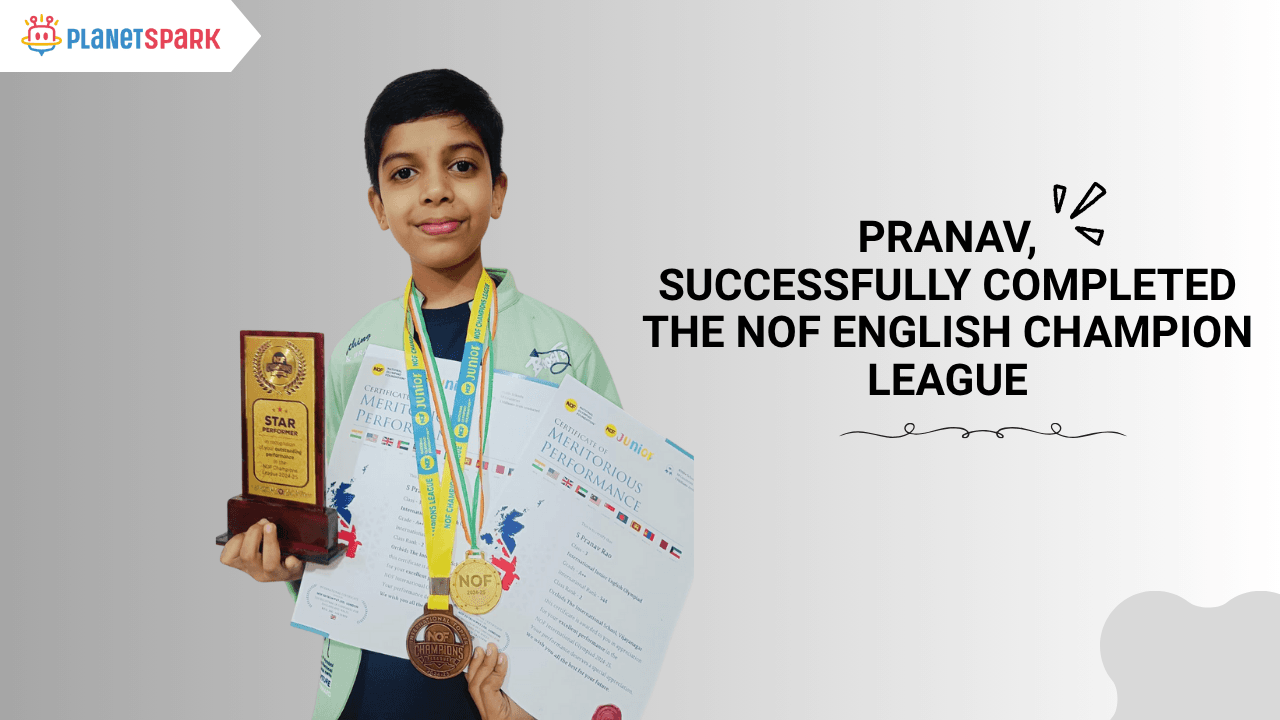
Pranav, a Grade 3 star, - successfully completed the NOF English Champion League, showcasing his brilliance in Public Speaking and Creative Writing.
If you want your child to achieve the same confidence, creativity, and communication mastery, encourage them to join PlanetSpark and unlock their fullest potential.
How Parents Can Encourage Polyphonic Skills at Home
Parents can easily nurture polyphonic skills through fun, daily activities. Simple reading, playful conversations, expressive games, and exposure to music can help children develop strong voice control and confidence.
1. Read-Aloud Sessions
Kids read stories using different tones, helping them experiment with expression. This builds confidence, improves articulation, and strengthens emotional understanding through engaging, playful storytelling.
2. Dialogue Practice
Roleplaying conversations or acting out scenes helps children switch tones naturally. It boosts creativity, enhances communication, and strengthens their ability to express emotions effectively in conversations.
3. Voice Modulation Games
Children say the same sentence in various moods such as happy, sad, excited, angry. This playful exercise improves vocal flexibility, emotional awareness, and overall communication skills in a fun way.
4. Encourage Storytelling
Let kids narrate their day with expressive voices and creative details. This improves imagination, boosts confidence, and enhances their ability to communicate emotions clearly and engagingly.
5. Music Exposure
Listening to polyphonic music helps children understand rhythm, harmony, and tonal variation. It sharpens auditory skills, strengthens vocal awareness, and enhances their ability to adjust tones naturally.
PlanetSpark: The Leading Hub for Powerful Communication Skills
PlanetSpark empowers children to become clear, confident, and effective communicators through personalised training and interactive learning methods. With expert mentors and engaging practice modules, students develop articulation, fluency, active listening, and expressive skills that shape their communication for life.
Why PlanetSpark Is the Best Choice for Communication Skills Training
1:1 personalised communication coaching focused on improving clarity, tone, expression, and confident interaction.
Certified communication coaches guiding children through structured, engaging, and practical learning sessions.
Conversation-building and expression modules that help students communicate ideas confidently in both formal and informal settings.
Live discussions, dialogues, and group interactions that enhance listening skills, quick thinking, and respectful communication habits.
SparkX AI video-based feedback offering detailed insights on voice, tone, pace, and clarity for continuous improvement.
Gamified communication learning with SparkBee to strengthen vocabulary, sentence formation, and linguistic accuracy.
AI-led speaking and conversation practice sessions to help students improve articulation and expression independently anytime.
Creative clubs, storytelling events, and communication showcases giving children real platforms to practise interaction and express ideas effortlessly.
Give Your Child a Polyphonic Voice for a Confident Future with PlanetSpark
To sum it up, developing polyphonic skills helps children communicate with confidence, clarity, and creativity. When students understand the true polyphonic meaning, they learn how to express ideas with layered emotions, varied tones, and stronger impact just like polyphonic in music, where multiple harmonious sounds create a richer experience.
In communication, this translates into better storytelling, improved public speaking, stronger debates, and expressive performances. Knowing what does polyphonic mean empowers children to use their voice more effectively in every situation.
With PlanetSpark’s expert coaching, young learners refine their voice, unlock polyphonic expression, and build a future-ready communication style that makes them stand out everywhere they go.
Frequently Asked Questions
Polyphonic communication refers to speaking with multiple tones, emotions, and expressive layers. It helps make speech richer, clearer, and more engaging by combining vocal modulation, pacing, and emotional expression to create a powerful impact.
Polyphonic skills enhance a speaker’s ability to influence audiences through tone shifts, emotional depth, storytelling layers, and dynamic delivery. They make speeches more memorable, persuasive, and expressive, helping speakers stand out confidently in any setting.
Yes, children naturally adapt to expressive communication. With structured guidance, fun activities, storytelling, and practice, they quickly learn how to use tone, pace, and emotion to speak more confidently and creatively.
PlanetSpark uses interactive 1:1 sessions, voice modulation exercises, storytelling activities, and debate training to help children build rich, expressive speaking styles. Their structured curriculum ensures students develop strong polyphonic skills with confidence.
PlanetSpark offers expert coaches, globally recognized programs, and personalized learning paths. Children learn expressive speaking, storytelling, and tonal control through engaging, practical sessions that build lifelong confidence and advanced communication skills.
Absolutely. Polyphonic skills strengthen interviews, presentations, content creation, leadership roles, and everyday communication. They help young learners express ideas clearly, influence others confidently, and connect more effectively in real-life situations.