
Public Speaking and Presentation Skills – Speak with Confidence and Influence
Inspire, engage, and express your ideas with confidence on every stage.
 4.8/5
4.8/5 1 Lakh+
What Are Public Speaking and Presentation Skills?
Public speaking and presentation skills are the ability to express ideas clearly and confidently in front of an audience. They involve organizing thoughts, using the right words, controlling body language, and engaging listeners effectively.
Strong public speaking skills are not just for formal events, they are useful in classrooms, team meetings, interviews, and everyday conversations. The goal is not to deliver a perfect speech but to communicate your message in a clear, confident, and impactful way.
Why Are Public Speaking and Presentation Skills Important?
Public speaking is one of the most valuable communication abilities in both academic and professional life. Here’s why it matters:
Builds Confidence: Speaking before others boosts self-assurance and reduces stage fear.
Enhances Leadership Skills: Great speakers can motivate, guide, and inspire others.
Improves Academic Performance: Presentations and debates strengthen learning and critical thinking.
Supports Career Growth: From meetings to interviews, clear communication opens new opportunities.
Strengthens Personal Expression: Helps you articulate ideas thoughtfully and persuasively.
When you learn to speak confidently, your words carry power, purpose, and presence.
Components of Effective Public Speaking
Successful public speaking depends on several key elements that work together to create impact:
Content: The message should be clear, structured, and meaningful.
Organization: A strong introduction, logical flow, and powerful conclusion keep the audience engaged.
Voice and Tone: The right pitch, pace, and pauses create rhythm and emotional connection.
Body Language: Eye contact, gestures, and posture support verbal delivery.
Audience Connection: Adjusting your message and style to suit listeners makes it more relatable.
Confidence: Calmness and control make your delivery credible and authentic.
A good presentation combines clarity of thought with confident delivery.
Common Fears and Challenges in Public Speaking
Many learners feel anxious about speaking in front of others. Common challenges include:
Stage Fear: Nervousness or racing thoughts before speaking.
Lack of Preparation: Unclear structure or limited knowledge of the topic.
Monotone Delivery: Speaking without variation in tone or emotion.
Weak Body Language: Slouching, poor eye contact, or distracting movements.
Overuse of Notes: Reading directly from slides or papers reduces connection.
Understanding these challenges helps you plan, practice, and present with confidence.
How to Improve Public Speaking Skills
Improving your public speaking ability involves both mental preparation and practical exercises. Here’s how to strengthen it:
Plan Your Speech: Organize your ideas with a clear introduction, main points, and conclusion.
Practice Regularly: Rehearse aloud multiple times before delivering it to others.
Record and Review: Watching yourself helps spot tone issues, pacing, and gestures.
Work on Voice Modulation: Use pauses, emphasis, and variation to sound engaging.
Make Eye Contact: It builds trust and shows confidence.
Use Visual Aids Wisely: Keep slides simple and supportive, not overloaded with text.
Engage Your Audience: Ask questions, use examples, or tell stories to keep attention.
Every time you speak publicly, you become more comfortable and persuasive.
Effective Presentation Skills
Presentation skills combine speaking ability with visual and structural clarity. They help you deliver information in an organized and professional way.
Here’s what to focus on:
Structure: Begin with a hook, explain your points clearly, and end with a memorable closing.
Design: Use visuals, charts, and images to support your message.
Timing: Keep your presentation within the given time frame.
Interaction: Maintain eye contact and encourage questions or participation.
Confidence: Stand tall, breathe deeply, and smile, your presence matters as much as your slides.
Good presentation skills make your ideas not only heard but remembered.
Exercises and Activities to Build Public Speaking Confidence
Practice transforms nervous speakers into confident communicators. Here are activities that help:
Impromptu Speaking: Choose random topics and speak for one minute without preparation.
Storytelling Practice: Narrate personal experiences with expression and structure.
Mirror Speaking: Observe your gestures and expressions as you talk.
Speech Recordings: Record short talks and analyze tone, speed, and clarity.
Debates and Group Discussions: Help you think and respond quickly under pressure.
These activities train your mind and body to remain calm and expressive in front of audiences.
Tips for Overcoming Stage Fear
Even the best speakers feel nervous before going on stage. The key is managing that energy positively:
Prepare thoroughly, knowing your content builds confidence.
Practice deep breathing before stepping up.
Visualize a successful speech and positive audience response.
Start with a smile; it relaxes both you and your listeners.
Accept small mistakes; focus on your overall message, not perfection.
Remember, confidence grows each time you face your fear and speak again.
Key Takeaways
Public speaking is a learnable skill, practice and structure build confidence.
Focus on both verbal and non-verbal delivery to connect effectively.
Preparation, body language, and tone define successful presentations.
Consistent practice and feedback lead to long-term improvement.
Get Acquainted with Our Top Educators
Top 1% certified experts who make learning engaging and impactful

 Aanchal Soni
 10+ Years
 Anisha Gupta16+ Years
 Ankita Singh8+ Years
 Banani Garai30+ Years
 Deepa Kaushal2+ Years
 Divya Khangarot4+ Years
 Fahira Khan
 Maria Antony8+ Years
 Priya Badotiya7+ Years
 Roohi Kalra
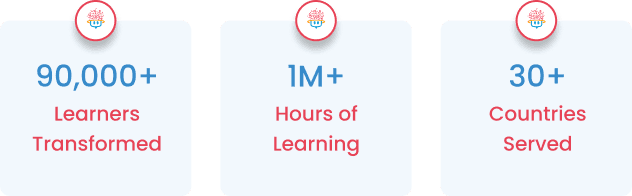
Our Impact!
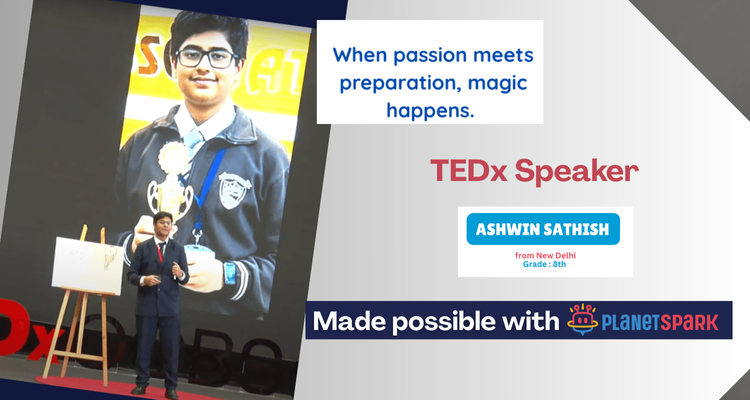
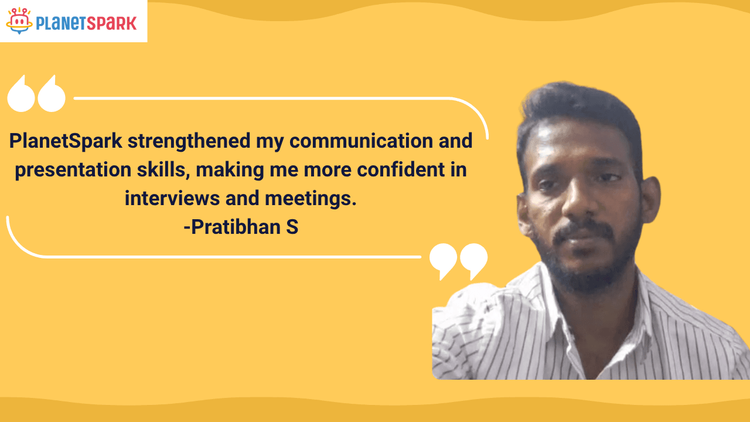
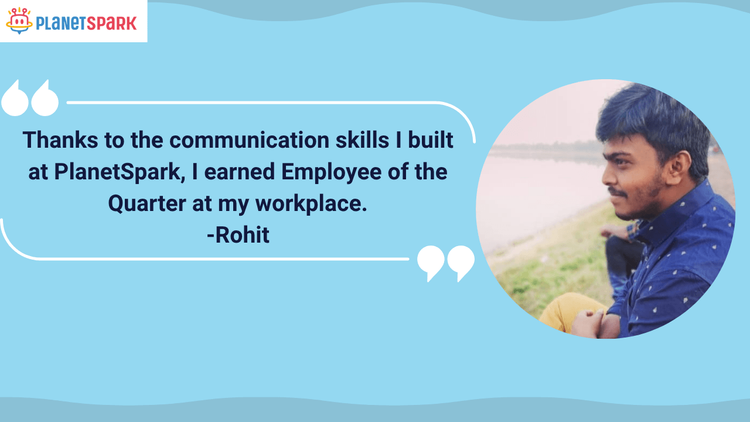
Empowering individuals with the confidence and communication skills to speak clearly, influence others, and lead with impact.


Parent Testimonials That Speak Volumes
Real stories of learners becoming confident English speakers through our master courses.
Making Headlines Nationwide
Featured in leading media for transforming individuals into confident, expressive, and stage-ready public speakers.