
Puppet Story with Moral Lesson | The Emperor and the Shadow Puppets
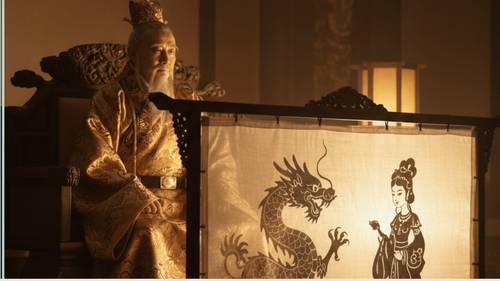

Long ago, in a peaceful kingdom by the sea, there lived a wise and gentle ruler named Emperor Chang. His palace shone with gold and marble, but his heart carried sadness. Years ago, his beloved queen, Lin, had passed away. Her laughter had once filled the palace, and her presence had made even the simplest flower bloom brighter.
After her death, silence ruled the palace. The emperor still governed with fairness and love, but inside, he felt empty. He spent his days signing scrolls, listening to ministers, and attending meetings, yet no joy reached him. Even music and poetry no longer lifted his spirit.
The people loved their emperor. They saw his kindness and wanted to make him happy again. But none dared to speak about the queen, for they feared to deepen his sorrow. The emperor often stood by the palace window at night, watching the moon rise over the gardens, whispering, “If only I could see her face once more.”
The Visit of the Priest
One evening, a travelling priest visited the palace. He came from a distant land known for its ancient art of storytelling through shadow puppets. The priest bowed deeply before the emperor and said, “Your Majesty, I have come to offer you comfort through an art older than kings ; the art of shadows and light.”
The emperor looked at him with curiosity. “How can shadows bring comfort?” he asked.
The priest smiled. “Sometimes shadows show what the eyes have forgotten but the heart remembers.”
The emperor allowed the priest to perform. The priest asked for a dark hall, a small oil lamp, and a white silk screen. He cut figures out of leather; delicate shapes of people, birds, and trees. As the lamp shone behind them, the shadows danced on the screen.
When the show began, the emperor saw a story unfold. The priest’s puppets told of a kind and brave queen who loved her people dearly. She taught them to plant trees, to share food, and to live with honesty. The queen’s shadow moved with grace and lightness.
The emperor leaned forward, mesmerized. That shadow reminded him of Queen Lin ; her smile, her hands, her gentle way of teaching the children. For the first time in years, his eyes filled with tears, not of pain but of love.
When the show ended, the emperor stood silent. The priest bowed again. “Majesty, these shadows are made by simple hands, but they hold great truth. The people who leave us never vanish. Their goodness stays as light behind the curtain of time.”
The emperor whispered, “I saw her again tonight.”
The Birth of the Puppet Theatre
The emperor asked the priest to stay and teach his artists the art of shadow puppetry. Soon, the palace’s storytellers began to craft puppets of heroes, queens, and villagers. Each night, they performed stories that spread wisdom and joy.
The emperor often invited children and old people from the kingdom to watch. The hall echoed with laughter and awe as the screen glowed with moving figures.
Over time, this art spread through the land. The people called it the Dance of Shadows, and it became a tradition. Every village built its own puppet theatre. Farmers made puppets from goat hide; painters colored them with herbs and ash. The light of the lamp brought these figures to life.
Through the stories, people learned about courage, kindness, honesty, and love. The art of shadow puppetry connected hearts across villages and generations.
Unleash your child’s voice with PlanetSpark Communication Skills. Book a Free Trial Class today!
The Emperor’s Discovery
One night, after a festival, the emperor sat alone in the puppet hall. The lamp still flickered. On the white silk screen lay the shadows of the puppets; still figures now, waiting for another show. The emperor smiled.
He realised that his sadness had not vanished but had transformed. He understood now that love never ends; it changes form, just like shadows change with light.
He said softly to the empty hall, “Lin, your light still shines, only through other hands.”
The next day, he issued a decree: every child in the kingdom would learn to tell stories using shadow puppets. He said, “When children tell stories, they learn truth. When they play with light and shadow, they learn life.”
The Kingdom of Light
As years passed, the kingdom became known far and wide as the Kingdom of Light. Travellerss came to learn the art. The puppet shows became not just entertainment but education.
Children learned lessons from each story: lessons of sharing, helping, truthfulness, and respect. Adult to,o found peace in those gentle shadows. The emperor often joined the crowds, sitting quietly among his people, watching the shows.
One evening, during a festival, a young girl performed a story about a little bird thatt lost its nest but built another with the help of friends. When the show ended, the girl approached the emperor and said, “Your Majesty, do you like stories?”
He smiled and replied, “I love stories because they make hearts shine brighter than jewels.”
The girl said, “My grandmother told me this story. She said it came from a priest long ago who brought light into the palace.”
The emperor’s eyes glistened. “Yes,” he said softly. “I remember that light.”
The Return of the Priest
Many years later, the same priest returned. He had grown older, his hair now white as snow. The emperor welcomed him warmly and said, “Your art healed a nation.”
The priest looked around at the bustling city filled with laughter, music, and learning. He said, “Majesty, the shadows have done their duty. They have shown people the power of remembrance and goodness.”
The emperor asked, “How can I ever thank you?”
The priest replied, “Continue to tell stories. Each story is a lamp. As long as the lamp burns, darkness stays away.”
Then he bowed and left, his figure fading into the twilight like a shadow itself.
Lessons from the Puppets
The emperor’s life changed after that. He taught his ministers to use stories to solve problems. Whenever disputes arose, he asked them to watch a puppet play together before making decisions.
One famous story told of two farmers who fought over land. The emperor ordered a puppet show about two brothers who shared their harvest and grew rich in harmony. After watching, the farmers hugged and decided to share the land.
Another story told of a greedy merchant who lost all because he cheated others. That show taught traders to keep honesty in business.
Through these simple plays, the emperor spread wisdom more effectively than through orders. People obeyed laws not from fear but from understanding.
The Emperor’s Final Days
When the emperor grew old, he spent more time in the puppet hall. The children still performed, and he always watched with calm eyes. One evening, as the lamp flickered and the shadows danced, the emperor closed his eyes.
He dreamt of Queen Lin, smiling on the other side of the silk screen. She reached out her hand. The emperor whispered, “Your story lives on.”
The next morning, the people found him at peace. The lamp had burned down, but its smoke curled gently upward, as if carrying his soul to the light.
In honour of his love for the art, the people built a great theatre in the palace garden. They called it “The Hall of Shadows.” Every year, on the emperor’s birthday, children performed puppet shows to remember him and the queen.
How the Art Spread
Centuries passed, but the story of Emperor Chang and the Shadow Puppets continued. The art travelled from kingdom to kingdom, to temples, markets, and schools. It became part of festivals and ceremonies.
In India, this art found new form: Tholu Bommalata in Andhra Pradesh, Togalu Gombeyaata in Karnataka, and Ravanachhaya in Odisha. Each used leather puppets and oil lamps, carrying stories from the Ramayana, Mahabharata, and folktales.
Though names changed, the heart remained the same: using light and shadow to tell stories that teach and heal.
Teachers often use puppet plays to make children understand moral values easily. They learned that even simple shadows can express deep truths.
The Puppet’s Voice
Imagine one puppet speaking, now a puppet shaped like the old emperor. It might say:
“I was made of leather and string, yet I taught kings and children alike. My body may be small, but my voice reaches hearts. Do not think only great people change the world. Even a puppet can do so, if it carries a story worth telling.”
That line became a famous saying in the kingdom. Parents reminded children of it whenever they faced fear or doubt.
The Moral Reflection
The story of The Emperor and the Shadow Puppets teaches us that art, memory, and kindness outlive sorrow. The emperor lost his queen, but he found meaning again through creativity and compassion. The priest taught him that grief can turn into light when shared with others.
Each puppet show carried a message:
- When you lose someone, keep their goodness alive by doing good.
- When you face sadness, create something beautiful from it.
- When you feel alone, remember that stories connect hearts.
The emperor’s sadness became the seed of a new tradition that brought joy to thousands. His personal pain gave birth to an art form that shaped culture, education, and morality.
The Connection to Education
CBSE includes this story in its curriculum not only for language practice but also to develop empathy and creativity among children. By reading or performing the story, students learn how emotions can transform into positive action.
Teachers often encourage students to create their own short puppet plays after studying this chapter. Through that, they learn public speaking, teamwork, imagination, and moral reasoning. It aligns with the National Education Policy’s focus on learning through art and storytelling.
Puppetry also teaches communication; how to express through tone, body language, and imagination rather than memorisation.
So when a child studies The Emperor and the Shadow Puppets, they don’t just learn a tale; they learn how empathy, art, and storytelling shape society.
Moral of the Story
- Creativity heals pain: Just as the emperor found peace through puppet shows, we too can find healing through creativity.
- Memories live through goodness: People we love never leave us when we keep their values alive.
- Stories teach better than speeches: A puppet play can teach honesty, kindness, and cooperation better than rules can.
- True leadership inspires joy: The emperor didn’t command people to change; he inspired them through stories and example.
- Light and shadow coexist: Life has sorrow and joy, just as every puppet show has both darkness and light. One cannot exist without the other.
Final Thought
“The Emperor and the Shadow Puppets” is not just a story about grief or art. It is a timeless lesson about the power of storytelling. It reminds us that every voice, whether of a king, a child, or even a puppet,, can spread wisdom. The emperor learned that happiness doesn’t lie in wealth or palaces but in connecting with others through kindness and creativity.
So when the lamp glows behind the screen, and the puppets begin to dance, remember the emperor’s words:
“Each story is a lamp. As long as the lamp burns, darkness stays away.”

Why Choose PlanetSpark for Communication Skills Development
Just like the emperor in “The Emperor and the Shadow Puppets” found wisdom through storytelling, PlanetSpark helps children discover their voice and confidence through structured communication training. Here’s what makes PlanetSpark stand out:
- Live Interactive Learning, Not Recorded Videos: Every PlanetSpark class is 100% live, ensuring real-time conversations, guidance, and instant feedback to help children speak with clarity and confidence.
- Expert-Designed Curriculum with Practical Focus: Created by communication experts and educators, PlanetSpark’s curriculum uses storytelling, debates, role-plays, and presentations to turn theory into practice.
- Personalised Growth Tracking and Mentorship: Each learner receives individual feedback, performance tracking, and dedicated mentorship that nurtures long-term confidence and leadership in speaking.
Frequently Asked Questions
The emperor felt sad because his beloved queen had passed away. Her loss left him lonely and joyless. Even though he ruled wisely, his heart remained empty until he found comfort through the puppet show.
The priest performed a shadow puppet show that reminded the emperor of the queen’s kindness and love. Through the light and shadows, the emperor understood that people never truly disappear; their goodness lives on.
The story teaches that creativity, art, and kindness can heal sorrow. It shows that sharing love and goodness keeps memories alive and that light and shadow together make life meaningful.
PlanetSpark offers live interactive classes where kids learn speaking, storytelling, and listening through fun activities that build real confidence and clear expression.
Yes! PlanetSpark’s communication and storytelling programs teach kids to express emotions, speak clearly, and build engaging stories; just like the puppet storytellers in the lesson.
PlanetSpark blends live 1:1 sessions, expert mentors, structured lessons, and practical storytelling activities to build lifelong confidence and fluency in children.