
Simple Mindfulness Exercises Every Child Can Practice Daily
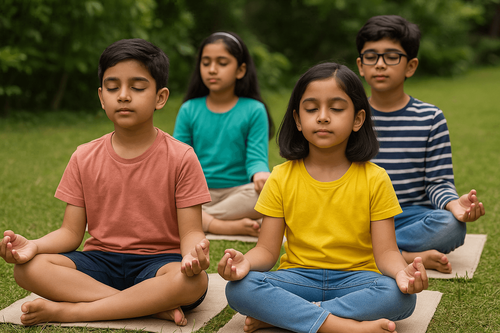

Table of Contents
- Benefits of Mindfulness for Children
- Breathing Exercises Kids Can Practice
- Mindful Listening Activities
- Body Scan for Relaxation
- Mindful Observation Exercises
- Mindfulness Through Movement
- Mindfulness With Gratitude Practice
- Quick Mindfulness Exercises for Busy Days
- How Mindfulness Supports Emotional Intelligence in Kids
- Simple Classroom Mindfulness Activities Teachers Can Use
- How Parents Can Model Mindfulness at Home
- Mindfulness Apps for Kids (Safe and Beginner-Friendly)
- How to Turn Daily Routines Into Mindful Moments
- Mindfulness for Kids with Anxiety or Hyperactivity
- How to Create a Calm Corner at Home for Mindful Practice
- How Long Should Kids Practice Mindfulness Each Day?
- Common Mistakes Parents Make When Teaching Mindfulness
- Signs Your Child Is Becoming More Mindful
- Mindfulness Journaling Prompts for Kids
- Mindful Eating Activities to Build Presence and Awareness
- How to Make Mindfulness Fun for Younger Children
- Mindfulness Through Art and Creativity
- How Mindfulness Helps with Better Sleep in Kids
- Mindfulness for Siblings to Reduce Fights and Arguments
- How Teachers Can Integrate Mindfulness Into Daily Lessons
- Why Choose PlanetSpark?
- Conclusion
Mindfulness is the practice of paying attention to the present moment with calmness, curiosity, and awareness. For kids, mindfulness helps them slow down, focus on what they feel, and understand what’s happening around them without stress or distraction. It teaches children to notice their breath, thoughts, emotions, and surroundings in a gentle, non-judgmental way.
In today’s fast-paced world, children often experience pressure from studies, screens, and daily routines. Mindfulness gives them a simple way to relax their mind, manage emotions, and build confidence. Even a few minutes of mindful breathing or observing can help kids feel more centered and peaceful. When practiced regularly, mindfulness improves focus, reduces anxiety, and strengthens emotional intelligence. With simple, child-friendly exercises, parents can make mindfulness a natural and enjoyable part of everyday life.
Benefits of Mindfulness for Children
Mindfulness offers powerful emotional and behavioural benefits for children, especially in today’s world where distractions are constant. When kids learn to slow down and pay attention, they develop inner calm and better control over their reactions. Mindfulness also helps them understand their feelings instead of acting impulsively, which improves behaviour at home and school.
Key benefits include:
Improved Focus: Mindfulness teaches kids to bring their attention back when their mind wanders. This helps with homework, reading, listening, and learning new skills.
Better Emotional Control: Children learn to pause, breathe, and understand their emotions before reacting, which reduces outbursts and frustration.
Reduced Stress and Anxiety: Simple breathing and observation exercises help kids relax their body and mind, lowering everyday stress.
Stronger Self-Awareness: Mindfulness helps children understand what they are feeling and why, making them more confident and emotionally balanced.
With regular practice, mindfulness helps children feel calmer, happier, and more in control of their thoughts and emotions.
Breathing Exercises Kids Can Practice
Breathing exercises are one of the simplest ways to introduce mindfulness to children. These exercises help kids feel grounded, relax their bodies, and calm overwhelming emotions. They work well at home, in school, before bed, or whenever a child feels worried or restless.

Useful breathing exercises:
Balloon Breathing: Ask the child to place hands on their belly, inhale deeply to “fill the balloon,” and exhale slowly as the balloon “deflates.” This helps them focus on slow, deep breathing.
Square Breathing: Children trace an imaginary square in the air—inhale for 4 seconds, hold for 4, exhale for 4, and hold again for 4.
Starfish Breathing: Kids spread their hand like a starfish. As they trace each finger with their other hand, they breathe in going up and breathe out going down.
These playful breathing techniques make mindfulness engaging, fun, and easy to follow for young learners.
Mindful Listening Activities
Mindful listening teaches kids to pay attention to sounds around them with curiosity. It helps improve focus, calmness, and sensory awareness while reducing internal chatter. When kids practice mindful listening, they become more attentive and patient.
Mindful listening activities:
Sound Hunt: Ask the child to close their eyes and listen carefully for 30–60 seconds. They identify sounds like birds, cars, wind, or footsteps.
Bell Listening: Ring a bell and ask the child to listen until the sound fades completely. This helps them focus deeply on one sound.
Nature Sound Awareness: During a walk, ask kids to listen to natural sounds—rustling leaves, flowing water, insects, or distant birds.
These exercises help children develop sharper attention, better concentration, and a more peaceful mind. Listening mindfully allows kids to slow down and appreciate moments they would otherwise miss.
Body Scan for Relaxation
A body scan is a simple mindfulness exercise that helps children understand how their body feels—tense, relaxed, warm, or tired. It teaches self-awareness and helps kids recognise signs of stress before it builds up.
Steps for a child-friendly body scan:
Ask the child to lie down or sit comfortably.
Guide them to close their eyes and take slow breaths.
Begin with their toes—ask what they feel: warm, cold, relaxed, or tight.
Move slowly up the body: feet, legs, stomach, shoulders, and head.
Encourage them to relax each part as they observe it.
This exercise helps kids calm their bodies, reduces restlessness, and prepares them for sleep or study. Over time, body scans make children more aware of tension and teach them how to release it naturally.
Mindful Observation Exercises
Mindful observation teaches kids to slow down and notice details they usually overlook. It builds patience, attention to detail, and appreciation of the environment.
Effective observation exercises:
Cloud Watching: Kids look at the sky and observe shapes, movement, and colours of clouds. It boosts creativity and calmness.
Object Observation: Give them a leaf, rock, or toy and ask what they see—colours, textures, shapes, patterns.
Nature-Walk Mindfulness: During a walk, kids observe trees, flowers, insects, or shadows without rushing.
These activities help children connect with the present moment through their senses. Observation builds awareness, curiosity, and emotional calm.
Mindfulness Through Movement
Mindfulness doesn’t always require sitting still, children can practice it through gentle movement. Movement-based mindfulness is great for active kids who struggle with seated exercises.
Movement mindfulness ideas:
Slow Walking: Kids walk slowly and notice how their feet touch the ground, how their body shifts, and how the air feels.
Stretching: Simple stretches help kids become aware of their muscles and breathing while releasing tension.
Simple Yoga Sequences: Child-friendly poses like tree pose, cat-cow, and butterfly help kids focus on balance and breath.
Movement mindfulness teaches body awareness, improves focus, and helps children relax through physical expression.
Mindfulness With Gratitude Practice
Gratitude helps children recognise positive moments in their day, which shifts their mindset toward kindness and emotional strength. When combined with mindfulness, gratitude becomes a powerful tool for emotional well-being.
Gratitude activities for kids:
Gratitude Jar: Kids write one thing they’re thankful for each day and drop it in a jar.
3-Things Ritual: Before bed, they name three things that made them smile.
Gratitude Drawings: Younger kids can draw something they appreciate—a friend, toy, or moment.
Practicing gratitude helps kids focus on joy rather than stress, making them more positive and emotionally resilient.
Help your child build focus and calmness — Book a free PlanetSpark demo class today!
Quick Mindfulness Exercises for Busy Days
Even on hectic days, kids can practice short mindfulness techniques to reset their mind and emotions. These quick exercises require no setup and take just a few seconds.
Fast mindfulness practices:
1-Minute Breathing: A slow inhale, exhale cycle to calm the mind.
Mindful Sipping: During a drink, kids notice the taste, temperature, and texture.
Emotional Check-In: Ask, “What are you feeling right now?” and let them express in one sentence.
These simple practices help children pause, reset, and continue their day with clarity and calm.
How Mindfulness Supports Emotional Intelligence in Kids
Mindfulness and emotional intelligence go hand in hand. When kids practice mindfulness, they learn to observe their thoughts and emotions instead of reacting instantly. This helps them understand why they feel a certain way and what they can do about it. Over time, this awareness forms the foundation of emotional intelligence.
How mindfulness improves EI:
Better Emotional Awareness: Kids learn to pause, notice their feelings, and name them accurately.
Improved Self-Regulation: Mindfulness teaches children to breathe, stay calm, and make thoughtful choices instead of acting impulsively.
More Empathy: As kids understand their own emotions, they become better at understanding others’ feelings too.
Stronger Social Skills: Mindful kids listen better, communicate clearly, and handle conflicts more gently.
By practicing mindfulness regularly, children become more resilient, patient, and emotionally balanced. It builds the emotional strength they need for real-world challenges.
Simple Classroom Mindfulness Activities Teachers Can Use
Teachers can easily incorporate mindfulness into classroom routines without disrupting regular lessons. These short activities help students settle down, focus better, and maintain a calmer learning environment.
Teacher-friendly mindfulness practices:
One-Minute Breathing: Start or end a lesson with 60 seconds of slow breathing.
Silent Listening: Students close their eyes and listen to classroom sounds for 30 seconds.
Mindful Stretching: Gentle stretches help reduce restlessness between lessons.
Emotion Cards: Kids pick a card that matches how they feel, encouraging quick emotional check-ins.
Focus Object: Teachers show an object and ask students to observe it quietly for a minute.
These practices help reduce classroom stress, improve attention, and create a peaceful atmosphere. Even children with high energy feel more settled when mindfulness becomes a regular routine.
How Parents Can Model Mindfulness at Home
Kids learn mindfulness best by watching adults practice it. When parents model calmness, deep breathing, and mindful communication, children naturally pick up these habits.
Ways parents can model mindfulness:
Practice slow breathing together during stressful moments.
Describe your emotions openly (“I’m feeling stressed, so I’ll take a mindful breath”).
Use gentle responses during conflicts instead of reacting quickly.
Take mindful breaks—pausing to observe nature, drink water slowly, or stretch.
Show gratitude through small daily reflections.
When children regularly see mindfulness in action, they feel safe, understood, and supported. It teaches them that emotions are normal and that calmness is a skill. Daily modelling makes mindfulness a natural, effortless part of family life.
Mindfulness Apps for Kids (Safe and Beginner-Friendly)
Technology can support mindfulness when used wisely. Several apps offer guided breathing, stories, and calming exercises designed for children. These tools help kids practice independently and make mindfulness fun and engaging.
Popular child-safe mindfulness apps:
Headspace for Kids: Guided breathing, stories, and sleep meditations.
Smiling Mind: Free, child-friendly mindfulness programs for different age groups.
Moshi: Calming music, stories, and relaxation exercises for younger kids.
Breathe, Think, Do with Sesame: Helps kids manage emotions with simple activities.
Calm Kids: Soft music, guided relaxation, and bedtime meditations.
These apps make mindfulness accessible anytime, before sleep, after school, or during stressful moments. They offer structured guidance that helps children stay consistent and enjoy their practice.
Experience interactive learning that builds emotional strength — Try a free session!
How to Turn Daily Routines Into Mindful Moments
Mindfulness doesn’t always need a special setup. Parents can turn everyday routines into opportunities for calmness, awareness, and emotional connection.
Simple ways to make daily routines mindful:
Mindful brushing: Ask kids to notice the taste, movement, and sound while brushing their teeth.
Mindful eating: Encourage children to chew slowly and notice flavours and textures.
Mindful walking: During short walks, ask kids to observe sounds, smells, and sensations.
Mindful bathing: Kids focus on the water’s warmth and how it feels on their skin.
Mindful bedtime: Use deep breaths or gratitude reflections before sleep.
These moments help children slow down and tune into their senses. Over time, mindfulness becomes a natural part of life rather than a formal activity.
Mindfulness for Kids with Anxiety or Hyperactivity
Mindfulness can be especially helpful for kids who struggle with anxiety or high energy. It teaches them to release tension, ground themselves, and regain a sense of control over overwhelming emotions.
How mindfulness supports anxious or hyperactive children:
Deep breathing reduces fast heartbeats and panic.
Body scans relax tense muscles caused by worry.
Movement-based mindfulness helps energetic kids channel excess energy.
Observation exercises prevent overthinking and calm racing thoughts.
Mindful grounding (“Name 3 things you see”) helps during anxiety spikes.
With regular practice, these children become better at managing big emotions and staying focused. Patience, consistency, and playful activities help them enjoy the process instead of resisting it.
How to Create a Calm Corner at Home for Mindful Practice
A calm corner gives children a safe, quiet space to relax, breathe, and reset. It doesn’t need to be fancy—just a peaceful spot where kids can go when they feel overwhelmed.
What you can include:
Soft pillows or a small mat
A few favourite books
Stress balls, fidget toys, or sensory objects
A feelings chart
A small plant or calming picture
Headphones with soft music
The calm corner teaches kids to manage emotions independently. Instead of acting out, they learn to pause, settle down, and return when they feel ready. It becomes a healthy emotional habit they carry into school and other environments.
How Long Should Kids Practice Mindfulness Each Day?
Mindfulness doesn’t require long sessions. For children, short and consistent practice works much better than long, forced routines.
Recommended duration by age:
Ages 4–6: 1–3 minutes of simple breathing or listening
Ages 7–10: 3–7 minutes of guided or independent exercises
Ages 11–14: 5–10 minutes of breathing, body scan, or observation
Teens: 10–15 minutes of structured mindfulness
The goal is consistency. Even one minute of mindful breathing can help children reset. Parents should prioritise enjoyment over perfection—mindfulness should feel calming, not like homework.
Common Mistakes Parents Make When Teaching Mindfulness
Many parents introduce mindfulness with good intentions but unknowingly make mistakes that reduce its effectiveness. Understanding these allows for smoother, more meaningful practice.
Common mistakes include:
Expecting immediate results: Mindfulness is a gradual process, especially with kids.
Forcing children to sit still: Movement-based exercises work better for active kids.
Correcting children too often: Let them explore the practice naturally.
Making mindfulness feel like discipline: It should be calming, not a punishment.
Doing it only when the child is upset: Daily practice builds long-term emotional strength.
When parents approach mindfulness with patience and flexibility, children feel more open, comfortable, and willing to practice.
Signs Your Child Is Becoming More Mindful
As children begin practicing mindfulness regularly, parents often notice subtle but meaningful changes in their behavior. These signs show that your child is becoming more aware of their emotions, thoughts, and reactions. One of the first indicators is improved self-control, kids start pausing before reacting, especially during conflicts or frustration. They may take a deep breath instead of shouting or crying immediately. Another sign is better focus and concentration. Children become more present during homework, conversations, or playtime instead of shifting quickly between tasks.
You may also see increased patience. Kids wait their turn during games, handle delays calmly, and respond more thoughtfully. They express emotions more clearly by saying things like, “I feel upset” or “I need a break,” showing emotional awareness. Children also develop stronger empathy and kindness, being more considerate toward siblings, pets, or friends. Many parents notice improved sleep routines and smoother bedtime transitions. Overall, these small behavioral shifts indicate your child is internalizing mindfulness and applying it naturally in daily life.
Mindfulness Journaling Prompts for Kids
Mindfulness journaling helps children express their thoughts, emotions, and daily experiences with clarity and calmness. It encourages reflection and emotional awareness in a gentle, kid-friendly manner. You can introduce simple prompts that guide kids to observe their feelings without judgment.
Here are some helpful prompts:
“Today, I felt happiest when…”
“One thing that made me feel calm today was…”
“Something small I noticed around me was…”
“A feeling I had today and why I had it…”
“One thing I learned about myself today…”
“Something I want to let go of…”
“A kind thing I did today was…”
These prompts help children slow down, think deeply, and communicate better. Over time, journaling helps kids understand emotional patterns, improve gratitude, and build self-awareness. It’s also a great way for parents to connect with children by discussing entries and guiding them gently toward emotional growth.
Watch your child grow calmer, kinder, and more confident — Join PlanetSpark today!
Mindful Eating Activities to Build Presence and Awareness
Mindful eating teaches children to slow down, savor food, and listen to their bodies. It reduces overeating, improves digestion, and helps kids appreciate meals more thoughtfully. You can turn mindful eating into a fun, engaging practice.
Try these activities:
The Raisin Exercise: Give your child a raisin and ask them to look at it closely, touch it, smell it, and taste it slowly.
Rainbow Plate Challenge: Let kids pick colorful fruits or veggies and mindfully explore their textures and flavors.
Silent First Bite: Ask children to take the first bite of every meal quietly and notice taste, smell, and texture.
Hunger Scale Check: Teach kids to check how hungry they are (1–10) before eating.
These exercises help kids develop healthier eating habits, reduce distractions during meals, and understand fullness cues. Mindful eating becomes a grounding moment that teaches patience, awareness, and gratitude for food.
How to Make Mindfulness Fun for Younger Children
For younger kids, mindfulness should feel playful and exciting not serious or difficult. Transform mindfulness into games, movement activities, or imaginative exercises. Children love guided imagery like “pretend you’re smelling a flower” for breathing or “imagine you’re blowing out candles” for slow exhalation. These simple visuals help them understand breathwork easily.
Mindful movement activities such as animal walks, stretching, or slow-motion dancing also engage kids physically while teaching awareness. Sensory play, like touching soft cloth, listening to nature sounds, or feeling warm water, boosts focus and grounding. Even storytelling can become mindful by encouraging children to imagine details, sounds, and sensations.
Parents can also use short, fun challenges like “freeze and breathe,” “spot five colors,” or “quiet listening time.” These make mindfulness a natural part of playtime rather than a chore. When activities are fun, kids participate willingly and absorb mindfulness skills faster.
Mindfulness Through Art and Creativity
Art is a powerful tool to help kids express emotions, explore thoughts, and stay present. Mindful art encourages children to focus on the creative process rather than the final result. This builds patience, attention, and calmness. Activities like coloring mandalas, painting with soft strokes, or drawing emotions help children channel feelings constructively.
You can also introduce simple creative exercises like:
Drawing their breath using wavy or calm lines
Creating a “feelings collage” from magazines
Finger painting to explore textures
Coloring slowly while noticing each shade
These activities promote self-expression, sensory awareness, and emotional clarity. Children learn to observe colors, movements, and textures without rushing. Mindful art becomes a soothing form of meditation that kids enjoy naturally, helping reduce stress and increasing concentration over time.
How Mindfulness Helps with Better Sleep in Kids
Mindfulness creates calmness in children’s minds and bodies, making bedtime smoother and more peaceful. When practiced before sleep, mindfulness reduces restlessness, overthinking, and emotional tension. Breathing exercises help kids slow their heart rate, relax muscles, and fall asleep faster. Guided imagery—such as imagining floating on a cloud or resting near the ocean—soothes the brain and shifts focus away from worries.
Parents can create bedtime mindfulness rituals like slow breathing, light stretching, or “gratitude moments,” where kids recall three good things from the day. Body scan exercises are also effective; children learn to relax each part of their body slowly. Over time, these practices improve sleep quality, reduce nighttime anxiety, and cut down on bedtime resistance.
Mindfulness also resets the mind after screen time or busy school days, helping children transition smoothly into sleep. Consistent practice leads to healthier sleep patterns and better emotional balance.
Mindfulness for Siblings to Reduce Fights and Arguments
Mindfulness teaches siblings how to handle conflicts with patience, empathy, and emotional awareness. Instead of reacting quickly or shouting, mindful children learn to pause, breathe, and think before responding. You can help siblings practice “calm down breaths” whenever an argument starts. This helps them gain control over impulses.
Mindfulness activities like shared breathing, partner yoga, or gratitude sharing also strengthen sibling bonding. Encourage children to express feelings with “I feel…” sentences, which reduces blame and promotes understanding. Teach them mindful listening so they can pay attention to each other’s words without interrupting.
Parents can introduce simple rules like “breathe first, talk next” or “pause before replying” during disagreements. Over time, siblings learn to manage emotions better, solve problems calmly, and respect each other’s boundaries. Mindfulness transforms sibling relationships by replacing frustration with cooperation and empathy.
How Teachers Can Integrate Mindfulness Into Daily Lessons
Teachers can incorporate mindfulness into classrooms to improve focus, reduce stress, and create a positive learning environment. Simple practices like starting the day with one minute of conscious breathing help students reset and prepare for lessons. Mindfulness breaks during long periods of learning refresh children's attention and energy.
Teachers can also integrate mindful listening exercises, nature observation activities, or creative reflection tasks. Using mindful transitions—like breathing before switching subjects helps reduce chaos and improve discipline. Journaling prompts can be included during English lessons, while mindful movement can be added to physical education.
Group activities such as silent reading, guided relaxation, or gratitude circles promote cooperation and emotional safety. Over time, mindfulness becomes part of classroom culture, supporting academic performance, emotional resilience, and healthier student interactions. Teachers notice fewer behavioral issues and more engaged, calm learners.
Why Choose PlanetSpark?
‘Simple Mindfulness Exercises’ help children slow down, focus better, and stay emotionally balanced.
Personalized Learning: PlanetSpark offers customized sessions tailored to each child’s age, personality, and learning pace, ensuring mindfulness and communication skills grow naturally.
Interactive Sessions: Kids learn through storytelling, games, activities, and guided reflection exercises that make mindfulness engaging and enjoyable.
Focus on Emotional Intelligence: Lessons include activities that improve self-awareness, empathy, patience, and emotional control—skills children need in school and daily life.
Creative and Practical Exercises: Children participate in breathing activities, journaling prompts, mindful conversations, and real-life scenarios that strengthen focus and calmness.
Expert Mentors: Experienced and trained teachers guide kids gently, helping them understand feelings, manage stress, and express thoughts more clearly.
Flexible Online Learning: With fully online classes, children can practice mindfulness and communication comfortably from home at a schedule that suits them best.
Conclusion
Mindfulness is a simple yet powerful skill that helps children stay calm, focused, and emotionally balanced in their daily lives. By practicing mindful breathing, journaling, sensory activities, and creative exercises, kids learn how to manage their emotions, understand their thoughts, and respond to situations with greater clarity. These habits not only reduce stress but also strengthen empathy, patience, and self-awareness, qualities that support success in school, relationships, and personal growth.
When mindfulness becomes part of a child’s routine, even for just a few minutes a day, it creates long-term positive change. Children become more confident, kinder, and better at navigating challenges. Parents can encourage this growth by practicing mindfulness with their children, turning it into a shared and enjoyable experience. With consistency and gentle guidance, mindfulness can become a lifelong tool that helps kids thrive emotionally, mentally, and socially.
Frequently Asked Questions
Mindfulness for kids means helping them focus on the present moment through breathing, awareness, and simple calming activities. It teaches them to understand their thoughts and emotions without stress.
Start with short exercises like deep breathing, observing objects, or listening to sounds. Keep it fun, playful, and under five minutes for younger children.
Mindfulness improves concentration, emotional control, patience, and self-awareness. It also reduces anxiety and helps kids handle daily challenges more calmly.
Even 3–5 minutes daily is enough for beginners. As children get comfortable, you can slowly increase the duration based on their interest.
Yes, mindfulness helps kids pause before reacting, manage anger better, and communicate more respectfully, which reduces emotional outbursts.
Absolutely. Toddlers and preschoolers can practice simple exercises like breathing with visuals, sensory play, or short guided activities.