Social and Emotional Intelligence: The Key to Professional Success
Build emotional and social intelligence to lead, connect, and grow.
4.8/5
from 20,000+ Reviews
1 Lakh+
Learners Transformed
What if the secret to career growth isn’t hard skills, but how well you understand yourself and others?
Here’s how building emotional and social intelligence can enhance your communication, leadership, and teamwork skills.
What Is Emotional Intelligence?
Emotional Intelligence (EI) is the ability to recognize, understand, and manage your own emotions while responding effectively to others. For professionals, it shapes how you communicate, handle pressure, and build relationships at work.
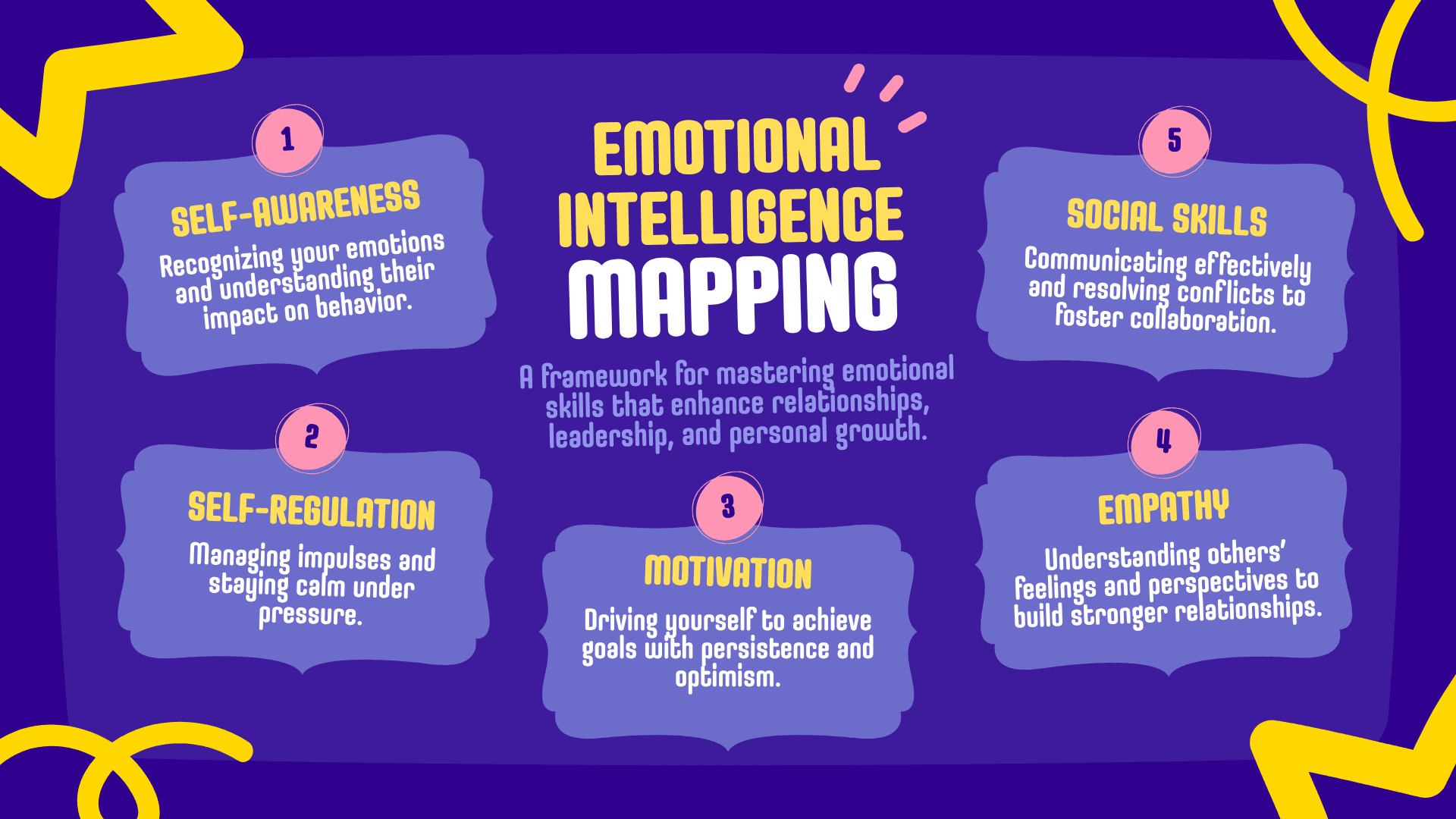
Psychologist Daniel Goleman defines five key components of emotional intelligence - Self-awareness, Self-regulation, Motivation, Empathy, and Social Skills. Together, they influence how you think, react, and lead in the workplace.
In simple terms, the meaning of emotional intelligence is managing both emotions and interactions wisely. A high-EQ professional listens calmly, accepts feedback, and resolves conflicts without losing composure. By learning how to improve emotional intelligence, you can boost collaboration, leadership, and overall success at work.
Learn how emotional intelligence enhances collaboration, leadership, and workplace communication in our blog —
Social Intelligence (SI) is the ability to understand and navigate social situations effectively. It’s about reading people, interpreting social cues, and responding in ways that build trust and cooperation. In the workplace, it helps professionals communicate smoothly, influence others positively, and work well in teams.
The meaning of social intelligence lies in being aware of how your actions affect those around you. While emotional intelligence focuses on managing your own emotions, social intelligence is about managing relationships — knowing when to speak, how to listen, and how to adapt your behavior to different situations.
Professionals with strong social intelligence are empathetic, good listeners, and skilled at building meaningful connections. They understand tone, body language, and group dynamics, allowing them to create harmony and collaboration in any setting.
In short, what is social intelligence can be summed up as the ability to connect with people genuinely and effectively, a skill that turns good communication into lasting professional success.
Importance of Social and Emotional Intelligence in the Workplace
In today’s fast-paced professional world, technical expertise can open doors, but emotional and social intelligence determine how far you go. These essential soft skills shape how professionals:
Handle stress and manage emotions
Communicate and collaborate effectively
Accept feedback and adapt under pressure
Research shows that 90% of top performers have high emotional intelligence, compared to only 20% of low performers. This clearly proves that success relies as much on how you manage people and emotions as on your technical know-how.
Consider these examples:
A team leader with strong emotional intelligence stays calm during project setbacks, focusing on solutions rather than blame.
A professional with high social intelligence reads group dynamics, adjusts communication, and builds trust effortlessly.
When you develop social and emotional intelligence, you enhance not just your work performance, but your ability to lead, influence, and create meaningful workplace relationships.
To understand how emotional intelligence enhances real communication outcomes far beyond IQ, explore
The components of emotional intelligence, introduced by psychologist Daniel Goleman, outline how individuals recognize, understand, and manage emotions, both their own and others’. These five pillars shape how professionals communicate, lead, and build relationships in the workplace.
1. Self-Awareness – Recognizing Emotions and Triggers
Self-awareness is the foundation of emotional intelligence. It’s about understanding your emotions, strengths, and blind spots, and how they influence your behavior.
A self-aware professional can spot stress early, reflect before reacting, and make decisions with clarity.
Pro Tip: Start each day by asking yourself, “What am I feeling and why?” Recognizing emotions is the first step toward managing them.
Understanding subtle facial cues is key to improving emotional awareness. Learn more in
2. Self-Regulation – Managing Reactions and Maintaining Professionalism
Self-regulation is the art of staying composed under pressure. It helps you respond thoughtfully instead of reacting impulsively.
Professionals with this skill:
Stay calm during conflicts
Accept feedback without defensiveness
Adapt easily to change
Try This: When you feel triggered, pause for five seconds before responding. It’s a simple but powerful way to improve emotional intelligence and maintain professionalism.
3. Motivation – Staying Driven and Positive Under Pressure
Motivation within emotional intelligence isn’t about external rewards; it’s driven by purpose and persistence.
Motivated professionals:
Set clear goals and stay focused
See challenges as opportunities
Inspire their peers with optimism
Quick Insight: Track your progress weekly. Celebrating small wins strengthens your sense of achievement and keeps motivation alive — especially under pressure.
4. Empathy – Understanding Others’ Feelings and Perspectives
Empathy bridges the gap between communication and connection. It allows professionals to understand others’ perspectives and respond thoughtfully.
Empathetic team members:
Listen actively before reacting
Respect different viewpoints
Handle conflicts with compassion
How to Build Empathy: Start by asking colleagues open-ended questions. The more you listen to understand, not to reply, the stronger your social and emotional intelligence becomes.
To explore how empathy transforms workplace conversations and builds stronger relationships, read
5. Social Skills – Building Networks and Managing Relationships
Social skills combine communication, collaboration, and influence, the glue of every successful team.
Professionals with strong social intelligence:
Build trust effortlessly
Navigate group dynamics with ease
Encourage teamwork through positive interactions
Practical Tip: Schedule regular check-ins with your team, not just about work, but about how they’re doing. Small gestures go a long way in developing emotional intelligence and creating a culture of respect and cooperation.
Emotional Intelligence and Leadership
Great leadership isn’t defined by authority or years of experience, it’s powered by emotional intelligence. Leaders with high EQ demonstrate self-awareness, empathy, and sound judgment, especially under pressure. They understand both their own emotions and the needs of those they lead, creating a foundation of trust and collaboration.
Recognize their triggers and stay composed in high-stress moments
Empathize with their team’s challenges and communicate with clarity
Make balanced decisions that combine logic and emotional understanding
Empathy and Motivation in Leadership
Empathy helps leaders connect on a human level, it turns authority into approachability. When employees feel heard, trust deepens, and engagement rises. Meanwhile, motivation, another core component of emotional intelligence, allows leaders to stay optimistic and inspire their teams even when obstacles appear.
Real-World Examples
Think of leaders like Satya Nadella, who transformed Microsoft’s culture through empathy and learning; Jacinda Ardern, known for her compassionate leadership; or Barack Obama, whose calm and emotional balance earned global respect. Each embodies how emotional intelligence can be improved by listening deeply, managing reactions, and leading with authenticity.
To explore how emotional intelligence shapes everyday conversations and workplace relationships, read our guide on
Emotional Intelligence in Teamwork and Collaboration
Effective teamwork depends on open communication, trust, and mutual respect, all strengthened by emotional intelligence. Teams with emotionally intelligent members collaborate better, manage disagreements calmly, and support one another through challenges.
When professionals practice empathy and self-regulation, they create a safe environment where everyone feels heard. This not only improves productivity but also builds stronger relationships within the team. For example, during a project delay, a high-EQ team member focuses on solutions instead of blame, motivating peers and restoring morale.
Similarly, managers with strong social intelligence can sense team tension early and address it constructively. By learning how to improve emotional intelligence, professionals can enhance collaboration, prevent conflicts, and foster lasting workplace harmony.
To learn how to apply emotional intelligence when workplace emotions get in the way of collaboration, read
Understanding what emotional intelligence is isn’t enough, assessing it helps you know where to grow. Common tools such as the EQ-i 2.0 and MSCEIT (Mayer-Salovey-Caruso Emotional Intelligence Test) measure different aspects of emotional awareness, self-regulation, and empathy.
Many professionals start with self-assessment tools to reflect on their emotional strengths and weaknesses. However, 360° feedback from colleagues, mentors, and supervisors provides a more complete view of how your emotional intelligence shows up in daily interactions.
Regular reflection and progress tracking are key. As you build self-awareness, regulate emotions, and apply feedback, you’ll find that emotional intelligence can be improved by consistent practice, turning insights into meaningful workplace growth.
How to Identify a Lack of Emotional Intelligence
A lack of emotional intelligence often leads to workplace conflicts, misunderstandings, and strained relationships. This usually stems from an inability to recognize or manage emotions, both your own and others’.
One clear sign of low emotional intelligence is difficulty expressing feelings appropriately or acknowledging colleagues’ concerns. You might also notice struggles with active listening, managing stress, or responding calmly in tense situations.
Ask yourself:
Are your conversations with co-workers often tense or defensive?
Do you tend to blame others when projects fail?
Are you quick to react or lose patience?
If so, these are indicators that you may need to strengthen your emotional intelligence. The good news is that emotional intelligence can be improved by developing empathy, self-awareness, and other core components of emotional intelligence through conscious practice and feedback.
Get Acquainted with Our Top Educators
Top 1% certified experts who make learning engaging and impactful.
Aanchal Soni
Public Speaking
10+ Years
Anisha Gupta
Spoken English
16+ Years
Ankita Singh
8+ Years
Ankur Bhardwaj
Maths
10+ Years
Anshul Gupta
Public Speaking
5+ Years
Banani Garai
TESOL-certified educator
30+ Years
Deepa Kaushal
Spoken English
2+ Years
Divya Khangarot
Public Speaking & Creative Writing
4+ Years
Divya Solanki
Maths
11+ Years
Fahira Khan
Maria Antony
English for Non Native Speakers
8+ Years
Mariyam Farhana B
Priya Badotiya
Public Speaking
7+ Years
Roohi Kalra
Sameena Samreen
Math
5+ Years
Tanya Gupta
Math
5+ Years
Our Impact!
The Power of Emotional Intelligence in Professional Growth
In today’s fast-changing workplace, professional success goes beyond technical ability, it’s rooted in emotional awareness and interpersonal strength. Developing emotional and social intelligence allows professionals to communicate with clarity, lead with empathy, and navigate challenges with composure. These skills enhance teamwork, boost leadership potential, and create stronger workplace relationships.
By focusing on how to improve emotional intelligence through reflection, feedback, and consistent practice, individuals can unlock greater confidence and resilience. Ultimately, mastering emotional intelligence isn’t just about career advancement, it’s about becoming a more understanding, adaptable, and inspiring professional.
If you’d like to see how emotionally intelligent professionals apply these principles every day, explore our post on
From confident conversations to captivating crowds, Ranjit Nahak has made his mark as a TEDx Youth Speaker at TEDx VGS Youth. His powerful thought-provoking ideas reflect the clarity & communication skills he’s honed through his journey at PlanetSpark.
Ashwin Sathish (TEDx Speaker)
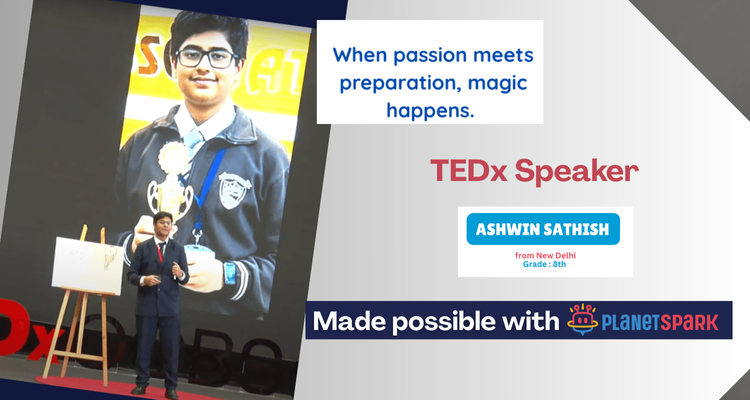
Ashwin Sathish, Grade 8 from New Delhi, stood tall as a TEDx Speaker, sparking conversations that truly matter. From classroom confidence to commanding a global stage, his journey reflects the power of voice, vision, and courage.
Dr. Ram Behin (Forbes Conference Speaker)
Dr. Ram's journey from mastering public speaking to making his mark at the Forbes Conference showcases how PlanetSpark transforms passion into impactful communication.
Pratibhan S
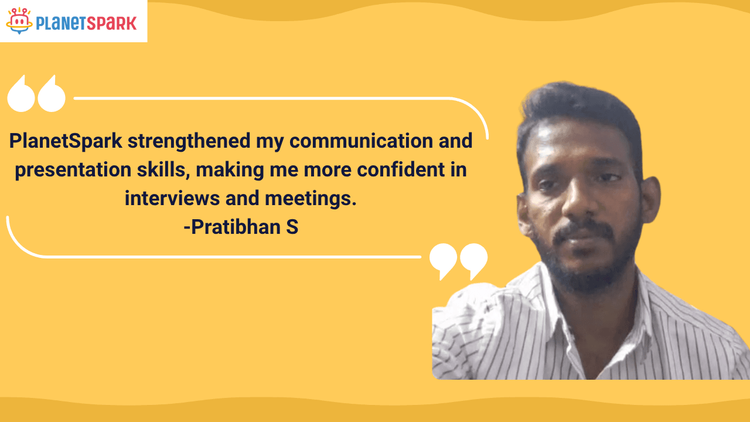
PlanetSpark helped me communicate confidently in meetings and interviews, driving real career growth.
Rohit (Employee of the Quarter)
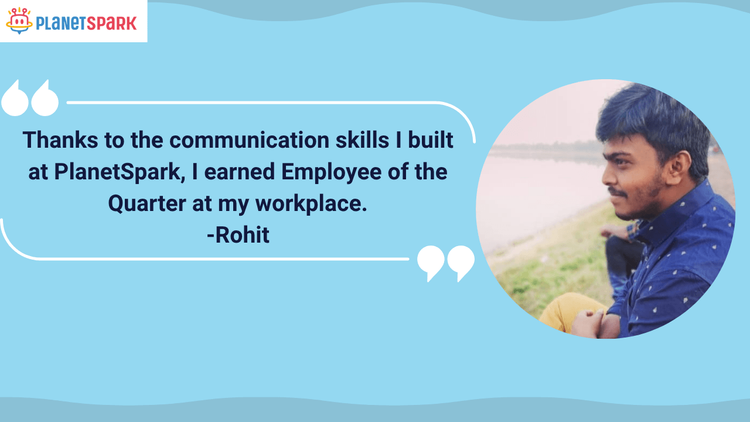
PlanetSpark helped me communicate more confidently at work, and I was proud to be named Employee of the Quarter.
Making Headlines Nationwide
Featured in leading media for transforming individuals into confident, expressive, and stage-ready public speakers.
How Binny Bansal-Backed PlanetSpark Reached Break-Even And Beat The Edtech Blues
PlanetSpark keeps sailing in the edtech downturn
Featured in Tech Asia
Frequently Asked Questions
Emotional intelligence is the ability to recognize, understand, and manage your own emotions while responding effectively to others. It helps professionals communicate clearly, handle stress, and build positive workplace relationships.
You can manage emotional intelligence by practicing self-awareness, staying calm during challenges, and responding thoughtfully instead of reacting impulsively. Regular reflection and feedback help strengthen emotional control and empathy.
Yes, emotional intelligence can be improved by consistent practice. Building self-awareness, learning to regulate emotions, and improving communication skills all contribute to higher EQ levels over time.
The five components of emotional intelligence, according to Daniel Goleman, are Self-awareness, Self-regulation, Motivation, Empathy, and Social Skills. Together, they form the foundation for effective leadership and collaboration.
Social intelligence is the ability to understand and navigate social interactions effectively. It involves reading cues, showing empathy, and adapting communication styles to connect well with others in professional environments.
To develop emotional intelligence, start by observing your emotional triggers, practicing empathy, and seeking feedback. Engaging in communication or leadership training can also help improve emotional and social intelligence at work.
Social and emotional intelligence build trust, strengthen teamwork, and improve communication. Professionals with high EQ handle conflicts better, adapt to change easily, and create positive, productive work environments.