
Speaking Skills for Shy Kids: Simple Ways to Build Confidence


Table of Contents
- Practical Ways to Improve Speaking Skills for Shy Kids
- Why Some Kids Feel Shy While Speaking
- Fun Activities to Help Shy Kids Speak Confidently
- How Parents Can Support Shy Kids at Home
- Technology Tools to Boost Speaking Confidence
- Signs of Progress in Speaking Skills for Shy Kids
- Why Building Speaking Skills Early Matters
- Common Mistakes to Avoid While Helping Shy Kids Speak
- How to Build a Safe Speaking Environment at Home
- Simple Daily Speaking Routines for Shy Kids
- How to Handle Stage Fright in Shy Children
- Using Games and Creative Arts to Boost Speaking Confidence
- How to Encourage Shy Kids Without Pressure
- When to Seek Professional Help for Speech Anxiety
- How Peer Groups Influence Speaking Confidence
- The Role of Listening Skills in Improving Speaking Skills
- How Storytelling Helps Shy Kids Open Up
- Why Choose PlanetSpark?
- Conclusion
Helping children develop strong speaking skills is especially important when they are naturally shy or hesitant to express themselves. Many shy kids have wonderful ideas and creativity, but they often struggle to speak up because they fear being judged, misunderstood, or making mistakes. This silence can affect their confidence, participation in class, and social interactions. Building speaking skills for shy kids is not about forcing them to talk, it is about giving them the right support, gentle guidance, and safe spaces to express themselves at their own pace.
Using simple public speaking tips and engaging activities can make a big difference in helping them open up. With the right strategies, fun exercises, and consistent encouragement including age-appropriate public speaking tips, shy children slowly learn how to communicate clearly, share their thoughts, and feel proud of their voice. Developing these skills early not only boosts their confidence today but also helps them grow into strong, self-assured communicators in the future.
Practical Ways to Improve Speaking Skills for Shy Kids
Start with Comfortable Conversations
Begin by encouraging children to speak in familiar environments and with people they trust. Start with short daily conversations—asking about their day, favourite activities, or simple choices. These small interactions build comfort without pressure. Over time, gradually introduce new situations, such as talking to extended family or familiar classmates. When children speak in safe spaces, they develop confidence that later transfers to larger groups.
Use Slow and Simple Speech Tasks
Shy kids often rush through sentences because they want to finish quickly. Teach them to slow down by using simple speech tasks like reading a line slowly, describing an object with pauses, or repeating short sentences with clarity. Slow speaking helps reduce nervousness and improves articulation.
Encourage Reading Aloud
Reading aloud helps children practice pronunciation, voice control, and expression. Start with short, easy books and gradually move to stories with dialogues. Celebrate their attempts instead of correcting every mistake.
Practice Mirror Speaking
Mirror speaking helps children observe their mouth movements, posture, and expressions. It builds self-awareness and reduces hesitation. Ask them to practice simple sentences while maintaining eye contact with themselves.
Use Role-Play Activities
Role-play lets kids experiment with different characters, tones, and situations. It removes the pressure of real-life speaking and turns communication into a fun activity. Acting as a teacher, shopkeeper, or storyteller encourages children to express themselves freely.
Each of these practices builds confidence step by step, helping shy kids feel more prepared to speak in everyday situations.

Why Some Kids Feel Shy While Speaking
Shyness in children often comes from a mix of personality traits, environment, and past experiences. Some kids naturally prefer quiet spaces and find large groups overwhelming, which makes speaking tougher. Others may worry about making mistakes, being laughed at, or getting negative comments from peers or adults. When children feel judged or pressured, they begin to hold back their thoughts even when they want to express them. Family dynamics also play a role—if a child often gets interrupted or corrected harshly, they may lose confidence in their ability to speak clearly. School environments can add to this, especially if children feel overshadowed by more talkative classmates. Over time, these situations create a belief that staying silent feels safer than speaking. Understanding these reasons helps parents and teachers respond with empathy instead of pressure. With safe spaces, patience, and gentle support, children gradually overcome these fears and begin to speak more confidently.
Fun Activities to Help Shy Kids Speak Confidently
Tongue Twisters: These improve clarity, speed control, and articulation while making practice fun. Kids enjoy repeating them faster each time.
Story-Box Games: Put photos, objects, or words in a box. Kids pick one and make a short story. This boosts creativity and speaking flow.
Voice Modulation Challenges: Ask kids to say the same sentence in different tones—happy, excited, surprised, or serious. It builds vocal flexibility and confidence.
Picture-Prompt Storytelling: Show a child a picture and ask them to describe what they see. This removes pressure and encourages natural speaking.
These activities help shy kids speak without fear. They feel more in control of their voice, develop better fluency, and learn to express ideas in a fun, relaxed way. Over time, these playful exercises strengthen confidence and make public speaking feel natural.
How Parents Can Support Shy Kids at Home
Parents play a central role in shaping a child’s confidence. Gentle encouragement works far better than pushing them to speak. Start by creating a calm and supportive atmosphere where children feel safe to express themselves. Practice active listening—give your full attention and avoid interrupting. Celebrate small achievements, such as completing a sentence or participating in a short conversation.
This positive reinforcement motivates children to speak more. Parents should also avoid criticism, comparisons, or correcting every mistake, as these can increase fear and hesitation. Instead, focus on progress. Engage in short daily conversations, read together, or practice fun speaking activities like storytelling. When parents show patience and appreciation, shy kids begin to feel valued. This emotional security helps them open up and gradually build stronger communication skills. Over time, these small efforts at home create a big impact on their speaking confidence.
Technology Tools to Boost Speaking Confidence
Technology can support shy kids in improving communication by making speaking practice fun, interactive, and low-pressure. Apps, voice recorders, and educational content help them build confidence step by step.
Apps for pronunciation practice, storytelling prompts, or speech games make learning interactive.
Voice recorder tools let kids hear their own speech, spot unclear words, and improve awareness.
Kid-friendly apps provide instant feedback and fun rewards to motivate practice.
Educational videos and audiobooks expose children to natural speech patterns, rhythms, and tones.
Interactive story apps allow reading aloud or narrating stories at their own pace.
Technology offers a private, safe space to practice before speaking in front of others.
Responsible use of tech helps shy kids gain confidence gradually and enjoyably.
Want your shy child to speak with clarity and confidence? Enroll in a PlanetSpark Communication Class today!
Signs of Progress in Speaking Skills for Shy Kids
Progress may appear gradually, but the signs are easy to notice:
Children begin to speak more in familiar environments
They show clearer pronunciation and slower pacing
Eye contact improves during conversations
They start joining group discussions or class activities
They express opinions more openly
Hesitation and fear gradually decrease
These positive changes show that the child is growing more confident and comfortable with communication. Even small improvements should be celebrated to encourage continued progress.
Why Building Speaking Skills Early Matters
Developing speaking skills early helps children succeed socially, emotionally, and academically. Clear communication allows them to build strong friendships, ask questions, and participate confidently in class. It improves thinking ability because speaking requires organizing thoughts and expressing them meaningfully. Early communication skills also reduce future fears of public speaking or social situations. As children grow older, strong speaking abilities help in presentations, interviews, leadership roles, and everyday conversations. Early training shapes personality, boosts self-esteem, and supports emotional well-being. For shy kids especially, building speaking skills early prevents long-term communication barriers and helps them grow into confident, expressive individuals.
Common Mistakes to Avoid While Helping Shy Kids Speak
Supporting shy kids requires patience, but many adults unknowingly make mistakes that slow down progress. One major mistake is pressuring kids to speak before they feel ready. This increases stress and may cause them to avoid conversations altogether. Another harmful practice is constant correction, especially when a child is trying to communicate. It interrupts their flow and builds fear of being wrong.
To avoid setbacks, watch out for these common mistakes:
Comparing the child to more confident speakers
Speaking on the child’s behalf
Responding with irritation, frustration, or impatience
Forcing them into large groups suddenly
Ignoring small improvements
When adults avoid these behaviours, shy kids feel safer and more willing to express themselves. Building confidence starts with creating an environment where they are not judged, rushed, or compared. Small improvements matter, and calm encouragement can help them grow gradually.

How to Build a Safe Speaking Environment at Home
A safe home environment plays a huge role in improving a shy child’s speaking skills. The key is to make conversations warm, calm, and pressure-free. Start by giving your child uninterrupted attention when they talk. Maintaining eye contact, nodding, and responding gently show that their words matter. Avoid criticism or rushing them—let them take their time.
Here are simple ways to create a supportive space:
Have daily family conversations during meals
Create a cosy “speaking corner” with books, puppets, or story cards
Keep your tone encouraging and patient
Ask open-ended questions to prompt expression
Celebrate small efforts without expecting perfection
When children feel emotionally safe, they naturally open up. A supportive home environment helps them take risks, express ideas, and develop communication confidence without fear.
Simple Daily Speaking Routines for Shy Kids
Daily speaking routines help shy kids practice in small, manageable steps. Start the day with a short morning chat—ask what they plan to do or how they’re feeling. Another great habit is reading aloud, even for five minutes. It builds clarity, expression, and comfort with language. In the evening, encourage kids to explain a picture, narrate a small story, or describe something they learned.
Useful daily routines include:
Mirror speaking for 2–3 minutes
“Describe your favorite toy” game
Reading one paragraph aloud
Short bedtime reflection—something good from the day
Talking through simple choices like what to wear or eat
These routines gradually build fluency and reduce fear. With consistent practice, shy kids become more comfortable using their voice and interacting during conversations.
Give your child the confidence boost they deserve — join PlanetSpark’s speaking skills program now.
How to Handle Stage Fright in Shy Children
Stage fright is very normal for shy children, but it can be managed with the right approach. Start with extremely small steps, like speaking in front of one parent. Avoid surprising them with big audiences, as this can worsen anxiety. Help them prepare in advance so they feel more confident about what to say.
Practical techniques include:
Deep breathing before speaking
Practicing lines with a toy or puppet
Standing in front of a mirror
Doing short role-plays to feel comfortable
Using positive affirmations like “I can do this”
Celebrate every attempt, not just the result. Encourage them to focus on communicating, not on perfect pronunciation or being flawless. With small wins and consistent support, stage fright becomes manageable and kids gain courage bit by bit.
Using Games and Creative Arts to Boost Speaking Confidence
Games and creative activities are perfect for helping shy kids express themselves without pressure. Puppet shows, drama games, or pretending to be characters allow children to speak more freely. Story-building with pictures or toys sparks imagination and gives kids something enjoyable to talk about.
Effective creative activities:
Story dice and guessing games
Puppet role-play
Drawing and describing the artwork
Simple songs and rhymes
Acting out scenes from everyday life
These activities remove the seriousness from speaking and add fun. Kids feel less judged and more curious. Over time, creative expression builds vocabulary, confidence, and emotional comfort with speaking. It’s one of the easiest and most enjoyable ways to help shy children communicate more openly.
How to Encourage Shy Kids Without Pressure
Encouraging shy kids should feel gentle, warm, and supportive. Avoid pushing them to speak before they’re ready. Instead, praise small steps like saying a short sentence or participating in a small discussion. Use a calm tone, patient body language, and reassuring words so they know mistakes are okay.
Helpful ways to encourage without pressure:
Offer choices instead of instructions
Set realistic goals like “speak for 30 seconds”
Celebrate effort, not accuracy
Avoid correcting them mid-sentence
Keep speaking tasks short and simple
Children open up more when they feel valued and understood. Encouragement rooted in empathy helps build trust, comfort, and long-term speaking confidence without overwhelming them.
When to Seek Professional Help for Speech Anxiety
Speech anxiety is common in children, but sometimes they may need additional guidance from a professional. Parents should first observe whether the child’s hesitation is just a phase or a consistent pattern that affects daily life. If the child avoids conversations completely, becomes extremely nervous while speaking, or refuses to participate in social settings for weeks or months, it may be a sign that expert help is needed.
Here are key signs to watch for:
The child avoids talking even with familiar people
They show physical signs of anxiety—sweating, trembling, stomach aches
They freeze or shut down when spoken to
Teachers report extreme hesitation in the classroom
The child becomes upset or cries when asked to speak
Their social life or learning is affected
Speech therapists and child psychologists can provide structured support, helping children build confidence gradually. Seeking help early prevents long-term communication barriers and ensures kids get the support they need to grow emotionally and socially.
Unlock your child’s inner voice with engaging, expert-led speaking activities at PlanetSpark. Start now!
How Peer Groups Influence Speaking Confidence
Peer groups have a huge impact on how comfortable a child feels while speaking. When kids interact with supportive friends, they feel relaxed, valued, and accepted. This helps shy children express themselves more freely, take part in group activities, and build confidence through natural conversations. A positive peer circle can make communication fun instead of stressful.
However, peer pressure or unfriendly behaviour can discourage shy kids. They may speak less if they feel judged or teased. Creating safe opportunities for group interactions can help children open up slowly.
Helpful ways peer groups boost confidence:
Encouraging small group activities
Cooperative games where everyone participates
Class discussions with friendly classmates
Playdates with understanding peers
Group storytelling or show-and-tell
When children find friends who listen kindly and include them, their speaking confidence grows naturally. Supportive peer groups act as emotional cushions, helping kids communicate without fear.
The Role of Listening Skills in Improving Speaking Skills
Listening and speaking go hand in hand. When children become better listeners, they naturally grow into better speakers. Good listening helps them understand tone, vocabulary, expressions, and how conversations flow. This gives them the confidence to respond clearly and stay engaged in discussions.
Listening skills can be strengthened through daily activities like:
Reading stories and discussing characters
Listening to short audio clips or songs
Playing “repeat the sentence” games
Practising turn-taking during conversations
Asking questions like “What did you hear?”
When kids listen actively, they learn when to speak, how to answer, and how to stay connected during conversations. It reduces hesitation because they feel more prepared to respond. For shy children especially, strong listening skills build the foundation they need to express themselves confidently and comfortably.
How Storytelling Helps Shy Kids Open Up
Storytelling is one of the most effective ways to help shy kids express themselves. Stories create a low-pressure environment where children can speak through characters, imagination, and fun narratives. They don’t feel judged or exposed because storytelling focuses on creativity rather than performance.
Storytelling helps kids in many ways:
It boosts imagination and expression
It builds vocabulary and sentence structure
It encourages kids to speak without fear
It makes communication playful and relaxing
It helps kids organize thoughts before speaking
Parents can start with simple picture books, story cards, or daily story-time sessions. You can also encourage kids to describe their drawings or make up endings for familiar stories. Over time, storytelling becomes a bridge that connects thoughts and speech, helping shy children open up, speak more, and build lasting confidence.
Why Choose PlanetSpark?
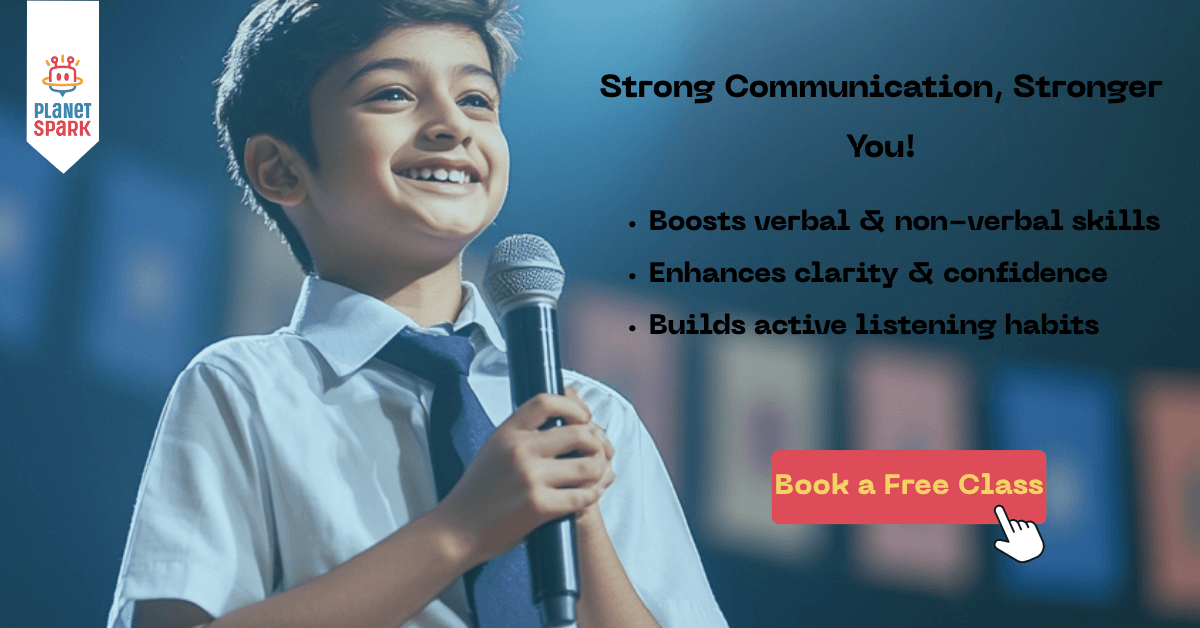
Helping shy kids improve their speaking skills requires patience, the right techniques, and a supportive environment. At PlanetSpark, we create a safe space where children feel confident to express themselves, break communication barriers, and develop strong speaking habits. Our programs focus on building communication skills gradually so that even the most hesitant children open up with ease.
Personalized Learning: PlanetSpark offers tailored sessions designed to match every child’s comfort level and learning pace. This ensures shy learners get individual attention and enough time to grow their confidence.
Interactive Speaking Activities: Kids participate in fun speaking games, role-plays, storytelling tasks, and conversation exercises that make communication enjoyable instead of stressful.
Focus on Confidence Building: Lessons are carefully structured to reduce hesitation, eliminate fear of speaking, and encourage positive self-expression.
Creative Learning Methods: From puppets to picture prompts, kids learn using tools that spark imagination and help them speak more freely.
Expert Mentors: Qualified communication coaches understand the needs of shy children and guide them through structured, gentle speaking challenges that build confidence step by step.
Flexible Online Classes: Sessions can be easily scheduled from home, making it convenient for parents while offering kids a comfortable learning environment.
Conclusion
Helping shy kids develop strong speaking skills is a gradual journey, not a race. With the right environment, gentle encouragement, and consistent practice, children begin to express themselves more openly and confidently. Whether through storytelling, group play, active listening, or structured speaking activities based on simple public speaking tips, every small step helps them build communication skills that last a lifetime.
By creating a safe, supportive atmosphere at home and seeking guidance when needed, parents can empower their children to find their voice. With patience, positivity, and age-appropriate public speaking tips, even the quietest child can grow into a confident speaker ready to share their ideas with the world.
Frequently Asked Questions
Encourage small conversations, use storytelling, ask open-ended questions, and create a safe space where the child feels comfortable expressing themselves without fear of judgment.
Some do, but many need gentle support and practice. Consistent communication activities help them improve faster and with greater confidence.
Yes, structured programs help kids practise speaking regularly through guided activities, boosting their confidence in a supportive setting.
Every child is different. Some show progress in a few weeks, while others take longer. Consistency, encouragement, and a positive environment are key.
Start with small, safe interactions and gradually introduce group speaking tasks. If the hesitation is severe or long-term, consider seeking professional support.
Use games, puppets, picture cards, role-play, singing, and storytelling. Fun methods reduce pressure and help shy kids open up naturally.