Strategic communication is the ability to
think before speaking, choose words with purpose, and communicate ideas in a way that creates impact. For teens, strategic communication is not about sounding formal or scripted. It is about knowing what to say, how to say it, and why it matters in different situations such as classrooms, debates, leadership roles, interviews, and everyday conversations.
What Is Strategic Communication and Why It Matters for Teens
Strategic communication means planning communication with intention rather than speaking on impulse. It involves understanding who you are speaking to, clarifying what you want to say, and choosing how to deliver the message with confidence and control. For teens, strategic communication bridges the gap between having ideas and expressing them clearly, especially in situations where clarity, confidence, and structure matter.
When teens practice strategic communication, they learn to organize thoughts before speaking, select words carefully, and adjust tone and body language based on the situation. Instead of reacting emotionally or speaking without structure, they communicate with purpose. This makes their responses clearer, more impactful, and easier for others to understand.
Teens who develop strategic communication skills also learn to manage emotions while speaking. They become more comfortable handling questions, feedback, and disagreement without losing confidence. This ability becomes increasingly important as academic expectations rise, social interactions become more complex, and leadership responsibilities begin to emerge.
With strong strategic communication skills, teens are better prepared for classroom discussions, presentations, group projects, debates, and leadership roles. They learn not just how to speak but how to communicate thoughtfully and effectively in situations that require confidence, maturity, and intention.
What Is Strategic Communications in Simple Terms
What is strategic communication for teens? It can be understood as the ability to think before speaking and communicate with intention. Instead of talking without structure or reacting impulsively, teens learn to pause, organize thoughts, and express ideas in a clear and thoughtful way. This approach helps them communicate with confidence rather than uncertainty.
By practicing strategic communication, teens become more aware of what they want to say and how to say it. They learn to structure responses, choose appropriate language, and adjust tone based on the situation. This improves communication in classroom discussions, presentations, group projects, and leadership roles.
Strategic communication helps teens stand out as confident and thoughtful speakers rather than hesitant or reactive communicators. Over time, this skill strengthens clarity, builds credibility, and enables teens to participate more actively and effectively in academic and social environments.
Strategic Communication vs Everyday Communication
Everyday communication is usually casual and spontaneous. Teens often speak without planning, relying on instinct rather than structure. While this works in informal situations, it can become a challenge when communication requires clarity, confidence, and control. Strategic communication, on the other hand, is intentional and goal-driven. It focuses on planning what to say and how to say it based on the situation.
Teens who rely only on everyday communication may struggle during classroom discussions, presentations, debates, or leadership conversations. They may have strong ideas but fail to express them clearly because their thoughts are unstructured or emotionally driven.
Strategic communication helps teens: • express opinions clearly and logically • manage tone and body language effectively • respond thoughtfully under pressure or questioning • communicate ideas with structure and purpose
This shift from casual speaking to purposeful communication builds confidence and credibility. Teens begin to feel more prepared, speak with greater clarity, and earn respect as thoughtful and confident communicators across academic and social settings.
How a Communication Strategy Improves Teen Speaking Skills
A communication strategy gives teens a clear framework for speaking instead of leaving communication to chance. Rather than guessing what to say in the moment, teens learn how to plan responses, anticipate questions, and communicate ideas in a structured and confident way. This preparation reduces anxiety and helps teens feel more in control during conversations.
With a communication strategy, teens move from reacting impulsively to responding thoughtfully. They understand how to organize ideas before speaking, which improves clarity and makes communication more effective across different situations.
Building a Communication Strategy for Young Speakers
A communication strategy for teens focuses on three essential elements: clarity, relevance, and delivery. Teens learn how to identify their goal before speaking, understand who they are communicating with, and structure their message to suit the situation.
This process teaches teens to prioritize key points, avoid unnecessary information, and communicate with purpose. Over time, they develop stronger speaking habits that support clear expression and confident delivery. This approach strengthens academic speaking, improves group discussions, enhances leadership communication, and builds public speaking confidence.
Why Teens Struggle Without Strategic Communication Skills
Many teens have strong ideas but struggle to express them clearly because they lack structure and preparation. Without strategic communication, teens may speak impulsively, lose their train of thought, or feel nervous while communicating. This often leads to frustration and reduced participation in discussions.
Common challenges include: • unclear expression of ideas • difficulty responding under pressure • lack of confidence in group discussions • fear of judgment while speaking
These challenges can prevent teens from showcasing their true potential. Strategic communication helps teens overcome these barriers by providing structure, preparation, and a sense of control. With a clear strategy, teens know what to say, how to say it, and when to speak.
Strategic Importance of Communication in the Digital Age
The strategic importance of communication has grown significantly in the digital age. Teens now communicate not only face to face, but also through presentations, virtual classrooms, online discussions, and digital collaboration tools. Each format requires a different approach to tone, clarity, and expression.
Strategic communication teaches teens how to adapt messages across formats while maintaining clarity and confidence. Teens learn to: • adjust tone and language for different platforms • communicate clearly during virtual discussions • express opinions responsibly and thoughtfully online • lead conversations effectively in both digital and in person settings
These skills prepare teens for modern academic environments and social interactions, helping them communicate with confidence, responsibility, and impact in an increasingly connected world.
Strategic Communication Skills That Prepare Teens for the Future
Strategic communication skills developed during teenage years create a strong foundation for advanced learning and leadership. While teens may later explore options such as strategic communication courses or higher studies like masters in strategic communications, early exposure builds confidence and clarity long before that stage.
Real World Applications of Strategic Communication
Strategic communication skills support: • academic presentations • debates and competitions • leadership roles • interviews and public speaking
With guided practice, these skills grow stronger over time.
Why Strategic Communication Builds Confident Young Leaders
Strategic communication helps teens move beyond casual talking to purposeful communication. When teens understand how to structure messages, manage emotions, and speak with intention, they gain control over how they are perceived and understood.
This confidence reflects across academic and social settings. Teens begin to participate more actively, lead discussions, and express opinions without fear of judgment. Strategic communication equips them with the ability to influence conversations positively and responsibly.
Strategic communication supports: • confident self expression without hesitation • leadership communication in academic and group settings • thoughtful responses instead of impulsive reactions • impactful speaking that earns respect
These skills help teens grow into articulate, confident communicators who are prepared for leadership roles, academic success, and meaningful social interactions.
How Strategic Communication Improves Decision Making for Teens
Strategic communication plays a powerful role in how teens make decisions, especially in moments that require clarity, confidence, and self control. When teens learn to think before speaking, they also learn to think before deciding. This pause helps them avoid impulsive reactions and choose responses that align with their goals and values.
Strong decision making is closely tied to how well teens can organize thoughts and predict outcomes. Strategic communication gives them the mental structure to do both.
Thinking Before Speaking Builds Better Choices
When teens practice strategic communication, they learn to slow down their response process. Instead of reacting emotionally or speaking without clarity, they pause to consider what they want to say and why. This habit improves decision making because it encourages reflection rather than impulse.
Teens begin to ask themselves questions such as what is my goal, how will this sound to others, and what response will move the conversation forward. These small mental shifts lead to more thoughtful and confident communication choices.
Many poor communication decisions happen under pressure. Strategic communication helps teens manage emotions during disagreements, questioning, or leadership situations. By structuring thoughts before speaking, teens reduce emotional overwhelm and gain control over tone and delivery.
This emotional regulation supports better decisions in classroom discussions, peer interactions, and leadership roles. Over time, teens become more composed communicators who can handle complex situations with confidence and maturity.
Strategic Communication as a Foundation for Academic and Career Readiness
Strategic communication is not just a speaking skill. It is a foundational ability that supports academic performance and future career readiness. Teens who communicate strategically are better prepared for environments that demand clarity, structure, and confidence.
As academic expectations grow and future career paths become more competitive, communication becomes a defining skill.
Strengthening Academic Performance Through Strategic Communication
In academic settings, strategic communication helps teens perform better in presentations, debates, group projects, and classroom discussions. They learn how to structure responses, explain ideas clearly, and adapt communication based on the audience.
This clarity improves participation and confidence. Teens are more likely to ask questions, share opinions, and engage actively when they know how to communicate strategically.
Preparing Teens for Future Career and Leadership Roles
Strategic communication also prepares teens for future professional environments. Skills such as audience awareness, message clarity, and confident delivery are essential for interviews, leadership roles, and collaborative work.
By developing strategic communication early, teens build a strong foundation for higher education, leadership programs, and career opportunities. They learn how to express ideas with purpose, listen actively, and communicate in ways that inspire trust and credibility.
These skills help teens transition smoothly from academic settings into real world environments where effective communication is a key indicator of success.
About PlanetSpark
PlanetSpark transforms how children learn to communicate with confidence. Through live 1:1 sessions, expert mentors, and immersive speaking activities, learners develop clarity, confidence, and expression. Every session is designed to help students speak effectively, listen attentively, and connect meaningfully in real conversations.
1:1 Expert Coaching Students receive focused guidance on voice, tone, and articulation from certified communication coaches.
Real World Speaking Practice Interactive debates, storytelling sessions, and discussions enable learners to apply communication skills in real time.
Video Feedback and Analysis Learners review their recorded performances with mentors to refine body language, gestures, and delivery.
Leadership and Expression Focus Each lesson helps students build stage confidence, emotional awareness, and authentic self expression.
Continuous Growth Tracking Progress is consistently measured through performance insights that strengthen communication at every level.
Ashwin’s Journey: From Confident Speaker to Strategic Communicator
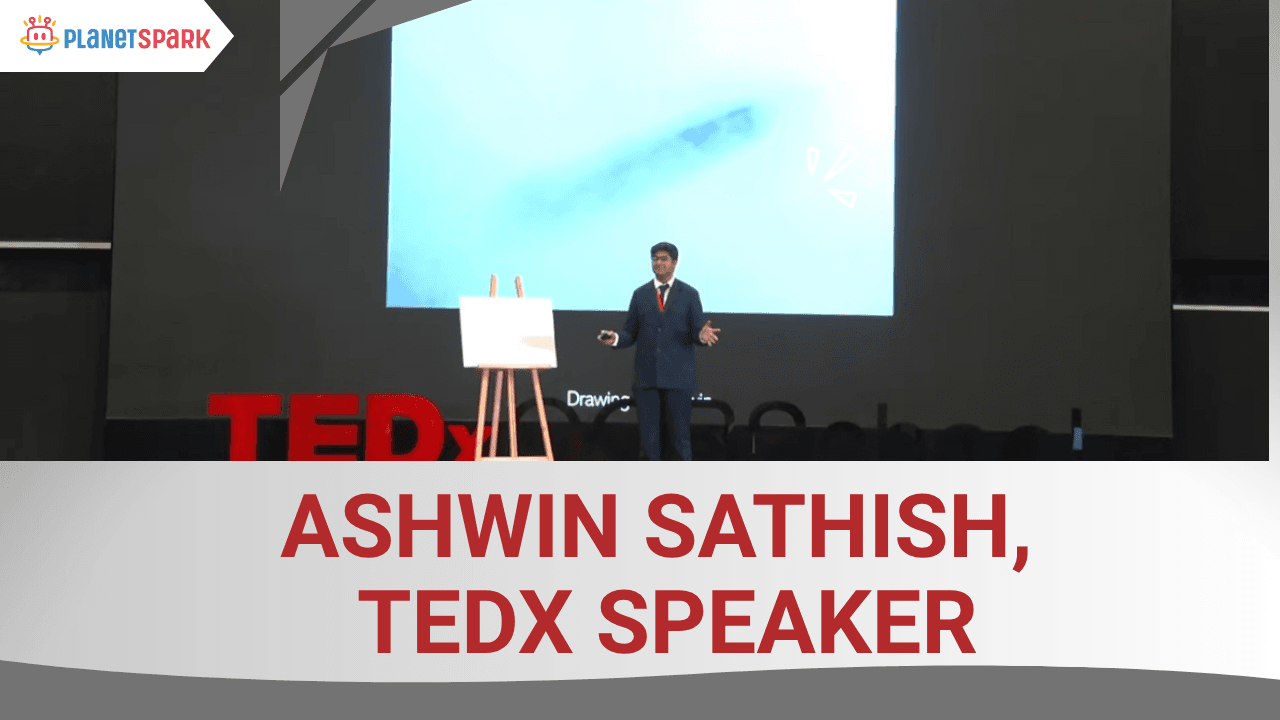
Ashwin Sathish from New Delhi, a confident Grade 8 learner, stepped onto the TEDx stage with clarity and purpose. While his achievement is widely seen as a public speaking milestone, the deeper growth lies in his strategic communication skills. Ashwin learned how to organize ideas logically, choose the right words for impact, and adapt his message based on audience and context. Through focused practice, he developed the ability to plan what to say, how to say it, and why it matters. His journey highlights how strategic communication helps students move beyond speaking confidently to communicating thoughtfully, persuasively, and with intent across academic and real-world settings.
Final Thoughts on Strategic Communication for Teens
When teens learn to communicate with intention, they become stronger speakers, better listeners, and more confident leaders. Instead of reacting impulsively, they express ideas clearly, listen actively, and respond thoughtfully in conversations. This ability helps teens stand out in classrooms, group discussions, and leadership situations where clarity and confidence matter.
PlanetSpark’s structured communication coaching helps teens develop strategic communication step by step through guided practice and real speaking experiences. This preparation supports not only academic success, but also confident communication in real-world situations, empowering teens to express themselves effectively across social, professional, and leadership environments.
Strategic communication for teens means thinking before speaking and communicating with purpose. It helps teens organize ideas, choose the right words, and express thoughts clearly in academic, social, and leadership situations. This approach builds confidence and helps teens feel more prepared while speaking.
Strategic communication is important because it helps teens speak with confidence, clarity, and control. It improves participation in discussions, presentations, and leadership roles while reducing hesitation and impulsive responses. Over time, teens become more comfortable expressing opinions and handling feedback.
Everyday communication is usually casual and spontaneous, while strategic communication is intentional and goal-driven. Strategic communication teaches teens how to plan messages, manage tone, and communicate effectively under pressure. This makes their communication clearer and more impactful in important situations.
A communication strategy gives teens a clear framework for speaking instead of guessing what to say. It helps them plan responses, structure ideas, and communicate confidently in group discussions and presentations. This preparation reduces anxiety and improves clarity while speaking.
Teens develop strategic communication skills through guided practice, real speaking situations, and feedback. Regular communication practice helps them learn how to organize thoughts and speak with intention. Programs like PlanetSpark support consistent improvement through structured training.
PlanetSpark teaches strategic communication through live 1:1 sessions, expert feedback, and real-world speaking practice. Teens learn to plan responses, manage emotions, and communicate with clarity and confidence across situations. This structured approach builds long-term communication skills.