
Simple and Effective Ways to Teach Empathy to Kids
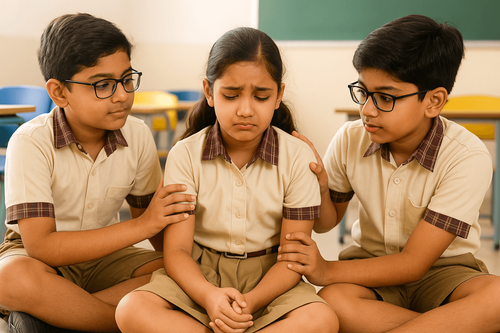

Table of Contents
- Why Teaching Empathy Early Is Important
- Everyday Ways to Model Empathy as a Parent
- Encourage Kids to Talk About Feelings
- Use Storytelling to Build Empathy
- Teach Kids to Recognize Others’ Feelings
- Role-Play Real-Life Situations
- Encourage Sharing, Helping, and Team Activities
- Teach Active Listening Skills
- Use Daily Acts of Kindness
- Reduce Judgement and Teach Perspective-Taking
- Allow Kids to Experience and Manage Their Own Emotions
- How Empathy Improves Behaviour and Reduces Conflicts in Kids
- Fun Games That Teach Kindness and Compassion
- How to Handle Situations When Kids Show a Lack of Empathy
- Teaching Empathy Through Real-Life Experiences
- How Teachers Can Support Empathy Development in Classrooms
- Signs Your Child Is Becoming More Empathetic
- How Siblings Can Learn Empathy Through Each Other
- Using Art and Creative Expression to Teach Empathy
- How to Encourage Empathy in Shy or Introverted Children
- The Role of Emotional Vocabulary in Building Empathy
- How Digital Media Can Affect Empathy in Kids
- Mindfulness Exercises to Strengthen Emotional Awareness
- How to Praise Children for Empathetic Behaviour
- Why Choose PlanetSpark?
- Conclusion
Empathy is the ability to understand how someone else feels and respond with care, kindness, and support. For kids, empathy helps them recognize emotions not only in themselves but also in the people around them—friends, siblings, classmates, and even adults. When children learn empathy early, they become more patient, cooperative, and understanding in everyday situations.
Teaching empathy in childhood is essential because it shapes how kids behave, communicate, and build relationships as they grow. Empathetic children are better at sharing, resolving conflicts peacefully, and making thoughtful decisions. They are also more confident in social settings because they understand emotions better. With the right guidance and simple daily practices, parents can help children develop empathy naturally and turn it into a lifelong strength.
Why Teaching Empathy Early Is Important
Teaching empathy early creates a strong emotional foundation that helps children grow into kind, thoughtful, and socially aware individuals. When kids learn to understand the feelings of others, they respond with care instead of frustration or anger. This directly shapes their behaviour by making them more patient during conflicts, more cooperative with friends, and more aware of how their actions affect others. Early empathy also helps children feel more connected to the people around them, which builds emotional security.
Empathy is also essential for long-term social development. Children who understand emotions build stronger friendships because they can listen, support, and communicate better. They learn how to work in teams, respect different perspectives, and solve problems peacefully. As they grow, empathetic kids show higher confidence and leadership skills because they can manage emotions—both their own and others’. Teaching empathy early not only improves behaviour but also prepares kids for healthier relationships throughout life.
Everyday Ways to Model Empathy as a Parent
Children learn empathy by watching how adults react in real situations. Parents who model kindness, patience, and understanding naturally teach these behaviours to their kids. Simple actions like speaking gently, acknowledging others’ feelings, apologizing when needed, and showing compassion set powerful examples. When parents take time to listen or respond calmly during stressful moments, kids notice and learn to do the same.
Here are some practical ways parents can model empathy daily:
Show kindness in small moments, such as saying “thank you” or offering help to others.
Respond calmly when your child is upset, showing them how to handle emotions without judgment.
Talk about your feelings openly, so kids learn that emotions are normal and manageable.
Show empathy toward others, like checking on a friend or comforting someone who is sad.
By consistently demonstrating empathy, parents help children naturally adopt the same behaviours.
Encourage Kids to Talk About Feelings
Helping kids talk about their feelings builds the foundation for empathy. When children can name what they feel—happy, sad, angry, scared, they begin to understand how emotions work. This awareness makes it easier for them to recognize these feelings in others. Parents can support this by creating a safe space where children feel comfortable expressing themselves without fear of punishment or criticism.
Ways to encourage emotional expression:
Use simple emotion words: Ask questions like “Are you feeling upset or just tired?”
Validate their emotions: Say things like “It’s okay to feel sad; everyone feels that way sometimes.”
Encourage them to describe events that triggered emotions.
Listen without interrupting, so kids feel heard and respected.
When kids understand their own feelings, they naturally begin to understand others’ emotions as well, making empathy easier to practice.
Use Storytelling to Build Empathy
Storytelling is one of the most effective ways to teach empathy because stories allow kids to step into someone else’s world. Characters face challenges, feel emotions, and make decisions—giving children a chance to see different perspectives. Reading storybooks, watching meaningful videos, or even making up stories encourages children to think about how others feel.
You can deepen empathy during storytelling by:
Asking questions like “How do you think this character feels right now?”
Encouraging predictions: “What do you think they should do next?”
Discussing consequences: “How would you feel if this happened to you?”
Choosing stories that highlight kindness, inclusion, and fairness.
When kids reflect on characters’ emotions, they begin practicing empathy without even realizing it. Stories make learning emotional awareness fun, safe, and relatable.
Teach Kids to Recognize Others’ Feelings
Empathy becomes much easier when kids learn to observe emotional cues. Teaching children to pay attention to facial expressions, body language, and tone of voice helps them understand what others might be feeling even if they don’t say it aloud. This skill is essential in friendships, classrooms, and family interactions.
Key ways to build this skill:
Identify facial expressions: Happy, sad, frustrated, confused, shy.
Practice reading tone: Calm, excited, upset, or scared.
Talk about body language: Slouched shoulders, folded arms, or fidgeting.
Use real-life moments: “Look at your friend—does she look upset?”
The more kids practice noticing these cues, the better they become at responding kindly and thoughtfully.
Role-Play Real-Life Situations
Role-play is a powerful and fun activity that helps kids practice empathy in a safe environment. By acting out real-life scenarios—like sharing toys, dealing with disagreements, or comforting a sad friend, children learn what empathetic behaviour looks and feels like. It prepares them to handle actual situations calmly and thoughtfully.
Ideas for role-play:
Pretend situations where someone feels left out or sad.
Scenarios where sharing or taking turns is difficult.
Conflict situations where kids practice saying gentle words like “Can we talk about this?”
Positive moments like helping a friend or offering comfort.
Through repeated practice, children develop skills in problem-solving, expressing emotions, and thinking from someone else’s perspective, all essential parts of empathy.
Help your child develop confidence and empathy, Book a free PlanetSpark demo class today.
Encourage Sharing, Helping, and Team Activities
Cooperative activities teach kids how to work together, help others, and show fairness important aspects of empathy. When children share their toys, help a sibling, or participate in team games, they learn to think beyond themselves. These experiences help them understand that their actions can make others feel supported and valued.
Practical ways to develop empathy through teamwork:
Play board games that require taking turns.
Assign small group tasks at home like cleaning or organizing.
Encourage kids to help a friend who is struggling.
Celebrate acts of kindness—big or small.
These activities create positive emotional experiences that remind children how good it feels to treat others with respect and understanding.
Teach Active Listening Skills
Active listening helps kids understand and respond to others’ emotions with care. When children learn to listen without interrupting or dismissing feelings, they become more patient, thoughtful, and empathetic. Teaching active listening improves communication and strengthens relationships with friends and family.
Skills to practice:
Look at the person who is speaking.
Stay quiet until they finish.
Ask gentle questions to understand better.
Show empathy with responses like “That sounds tough,” or “I understand.”
Kids who practice active listening not only connect better with others but also learn to express their own emotions more respectfully.
Use Daily Acts of Kindness
Small acts of kindness are the easiest and most natural way to build empathy in kids. When kindness becomes part of the daily routine, children learn to think about how their actions impact others. These activities teach them to notice someone’s needs and respond with warmth and care.
Daily kindness ideas:
Saying “thank you” and “please.”
Helping a friend or sibling without being asked.
Comforting someone who feels upset.
Making small gestures like sharing snacks or offering help.
Over time, kindness becomes a habit, and empathy becomes second nature.
Reduce Judgement and Teach Perspective-Taking
Teaching kids not to judge quickly helps them understand that everyone has different feelings, experiences, and reasons behind their actions. Perspective-taking, the ability to see situations through someone else's eyes—is the heart of empathy.
Ways to encourage this:
Ask questions like “How do you think they felt?”
Help kids imagine themselves in the situation.
Teach them that different people react differently.
Avoid negative labels like “rude” or “bad,” and instead explore the feelings behind actions.
This helps kids grow open-minded, patient, and genuinely empathetic toward others.
Allow Kids to Experience and Manage Their Own Emotions
Children cannot understand others’ emotions unless they first understand their own. Allowing kids to experience emotions, joy, frustration, sadness, without immediately shutting them down helps them learn emotional regulation. When kids learn how to calm themselves and cope with feelings, they become more empathetic and aware of emotional experiences.
Ways to help:
Let kids express emotions freely.
Teach breathing or calming techniques.
Talk about what triggered the feeling.
Help them understand that all emotions are normal.
When kids manage their own feelings well, empathy becomes much more natural and meaningful.
Start your child’s empathy-building journey with PlanetSpark—Join a trial session.
How Empathy Improves Behaviour and Reduces Conflicts in Kids
Empathy plays a major role in helping children behave better and resolve conflicts peacefully. When kids understand how their actions make others feel, they naturally become more careful, gentle, and thoughtful. Instead of reacting with anger or frustration, empathetic children pause, think, and respond with consideration. This leads to fewer arguments, fewer fights, and smoother interactions at home and school.
Empathy also helps children take responsibility for their behaviour. When they recognize that someone else feels hurt or upset, they are more willing to apologize, make amends, or change their actions. This not only reduces conflict in the moment but also teaches long-term emotional maturity.
In classrooms and playgrounds, empathy encourages cooperation, sharing, and teamwork. Children who understand emotions respect boundaries, listen better, and support others during difficult moments. Over time, this emotional awareness helps build stronger relationships, reduces bullying, and creates a positive environment where children feel safe, understood, and valued.
Fun Games That Teach Kindness and Compassion
Games are one of the most enjoyable ways to teach empathy because kids learn best through play. Using fun, interactive activities makes it easier for children to practice kindness, cooperation, and emotional understanding without feeling forced. These games also help children learn how to notice others’ feelings and respond thoughtfully.
Some great empathy-building games include:
“Emotion Charades” where kids act out feelings and others guess the emotion.
“Kindness Bingo” with tasks like helping someone, sharing, or complimenting a friend.
“Pass the Compliment” where each child says something positive about the person next to them.
“Role-play conflict games” to practice solving disagreements calmly.
These activities allow kids to explore emotions, take turns, and show consideration in a relaxed environment. Over time, children understand that kindness is fun, rewarding, and makes everyone feel included. Games turn empathy into a habit, helping kids carry these skills into real life.
How to Handle Situations When Kids Show a Lack of Empathy
It’s normal for children to sometimes struggle with empathy, especially when they are overwhelmed, young, or still learning emotional awareness. Instead of seeing this as misbehaviour, parents can treat it as a teaching opportunity. When kids show a lack of empathy—such as refusing to share, laughing at others’ feelings, or acting without thinking—gentle guidance helps them understand why their actions matter.
The first step is to stay calm and help the child identify the situation. Ask simple questions like, “How do you think your friend felt when that happened?” or “If this happened to you, what would you feel?” This encourages reflection without blame. Parents can also model empathetic responses: “Let’s check if they’re okay,” or “Maybe we should say sorry and help fix it.”
It also helps to explain emotions clearly and give examples kids can relate to. Over time, repeated guidance, emotional vocabulary, and real-life practice help children build empathy naturally without pressure or guilt.
Teaching Empathy Through Real-Life Experiences
Real-life experiences are some of the best opportunities for children to learn empathy. Everyday moments helping a sibling, comforting a friend, seeing someone struggle, or facing a challenge themselves, teach kids how emotions work in the real world. These experiences help children understand that people feel differently and that kindness can make a big difference.
Parents can use simple moments like someone getting hurt, a pet needing care, or a friend feeling sad to talk about what the other person might be experiencing. Asking reflective questions such as “What do you think they need right now?” encourages kids to think beyond themselves.
Involving children in acts of service also strengthens empathy. Helping with chores, participating in community activities, or supporting someone in need teaches kids responsibility and compassion. These real-world lessons stay with them longer than instructions or rules, shaping their emotional awareness in a natural and meaningful way.
How Teachers Can Support Empathy Development in Classrooms
Teachers play a crucial role in helping children build empathy because classrooms are full of social interactions, emotions, and learning opportunities. By creating a supportive environment, teachers help students understand that every child’s feelings matter and that kindness makes learning easier for everyone.
Teachers can incorporate empathy into daily classroom routines by using cooperative activities, group discussions, and storytelling. Encouraging students to share experiences, listen to classmates, and express emotions builds awareness and respect. Activities like pair-work, buddy reading, and team challenges help children practice cooperation and understand others’ perspectives.
Conflict resolution strategies, such as “peace corners,” reflective conversations, or gentle guidance, help students learn how to handle disagreements with empathy instead of anger. Teachers can also highlight empathetic behaviour by praising kindness, patience, and helpfulness.
When schools prioritize empathy, students feel safer, more confident, and more connected, creating a positive learning environment for everyone.
Signs Your Child Is Becoming More Empathetic
As kids develop empathy, several positive behavioural changes start to appear. These small but important signs show that your child is not only understanding emotions but also responding to them thoughtfully.
Some common signs include:
Your child notices when someone is sad, scared, or upset.
They offer comfort, help, or kind words without being asked.
They apologize more genuinely and understand the impact of their behaviour.
They share more willingly and consider others’ feelings during play.
They talk about emotions more openly and ask how others feel.
These behaviours show emotional growth, improved communication, and greater awareness of others. Even small moments, like giving a toy to someone who is crying or hugging a sad sibling, indicate that empathy is becoming a natural part of their personality.
Support your child’s growth with engaging, empathy-boosting activities—Book a free class.
How Siblings Can Learn Empathy Through Each Other
Siblings provide one of the most powerful environments for learning empathy because they share everyday interactions both positive and challenging. Through play, disagreements, cooperation, and shared experiences, children learn to understand each other’s feelings more deeply.
When siblings comfort each other, work together on tasks, or resolve conflicts, they practice kindness, patience, and emotional awareness. Even arguments become learning moments. Parents can guide siblings to express their feelings calmly, listen to each other, and find solutions together. This teaches them that emotions matter and relationships improve when everyone feels understood.
Simple activities like doing chores together, taking turns during games, or helping each other with small tasks strengthen their bond and empathy. Over time, siblings learn how to support, protect, and care for one another, skills that also help them in friendships and school environments.
Using Art and Creative Expression to Teach Empathy
Art is a powerful tool for teaching empathy because it allows children to express emotions in a way that feels safe, creative, and fun. Drawing, painting, storytelling, music, and drama help kids understand feelings, both their own and others’—without pressure. When children create art based on emotions, characters, or real-life situations, they begin to think deeply about different perspectives.
Parents and teachers can encourage kids to draw how they feel, create stories from another person’s point of view, or act out scenes involving kindness and understanding. These activities help children explore emotions visually and imaginatively.
Group art projects also build empathy as kids learn to collaborate, share materials, and appreciate others’ ideas. Whether it’s making a “kindness poster,” designing characters with different feelings, or writing short stories about helping others, creative expression helps children develop emotional awareness in a joyful and engaging way.
How to Encourage Empathy in Shy or Introverted Children
Shy or introverted children often feel a lot but may not express their emotions easily. Empathy for them grows best in calm, safe, and predictable environments. Instead of pushing them into social situations, gently guide them to understand their own and others' feelings.
Ways to encourage empathy:
Create a comfortable, judgment-free space where they can express themselves slowly
Use one-on-one conversations rather than group discussions
Read stories and talk about how characters feel and why
Model empathy through your own actions—soft tone, patience, emotional acknowledgement
Use role-play or puppets to help them understand situational emotions
Avoid forcing social interactions; let them observe first
A short daily “feelings talk” also helps, simply narrating your own emotions (“I’m tired today, so I need a break”) shows them empathy doesn’t need loud reactions. Over time, these gentle methods help introverted kids recognise feelings in others and respond with kindness, without changing who they are.
The Role of Emotional Vocabulary in Building Empathy
Children can’t express or understand emotions they don’t have words for. That’s why emotional vocabulary is crucial—it gives kids language to identify their feelings and recognise similar emotions in others. A strong emotional vocabulary lays the foundation for empathy and emotional intelligence.
Ways to build emotional vocabulary:
Teach simple words first: happy, sad, scared, angry
Gradually add deeper words: frustrated, overwhelmed, proud, embarrassed
Use "feelings charts" or emotion flashcards
Pause during stories and discuss how characters feel
Use emotion words in daily routines: “You look disappointed,” “You seem excited,” etc.
As kids learn these words, conversations become more meaningful. They communicate what’s on their mind and begin to understand what others may be experiencing. Emotional vocabulary not only supports empathy but also reduces frustration, improves behaviour, and strengthens communication.
How Digital Media Can Affect Empathy in Kids
Digital screens can influence children’s emotional development, especially how they understand and respond to others. Too much screen time reduces face-to-face interaction, which is essential for learning empathy through expressions, tone, and body language. However, technology isn’t always negative, when used intentionally, it can become a helpful emotional learning tool.
Positive and negative effects:
Negative: Less real-life communication, reduced eye contact, emotional detachment
Positive: Educational content that teaches kindness, teamwork, and emotional scenarios
Neutral: Depends on guidance—children copy what they observe
Parents can turn digital media into a supporter of empathy by watching alongside children and asking reflective questions:
“How do you think that character felt?”
“What could the friend have done differently?”
With balanced screen time and mindful discussions, digital media becomes a tool that enhances—not weakens—empathy.
Mindfulness Exercises to Strengthen Emotional Awareness
Mindfulness teaches children to slow down, notice what they feel, and understand why they feel it. When kids become aware of their inner emotions, they naturally become better at understanding others’ emotions too. It improves self-control, patience, and emotional sensitivity.
Mindfulness exercises for kids:
Deep-breathing: Inhale slowly, imagine blowing up a balloon, exhale gently
Body scan: Notice how each body part feels—head, shoulders, tummy, hands, feet
Mindful listening: Identify all sounds around them for 30 seconds
Visual focus: Watch clouds or leaves moving slowly
Gratitude moments: Share 1 thing they’re grateful for every day
Incorporating mindfulness for just 5–10 minutes daily can calm frustration, reduce impulsive reactions, and build emotional clarity. This clarity becomes the base for responding with empathy rather than reacting emotionally.
How to Praise Children for Empathetic Behaviour
Praise is one of the strongest tools to reinforce empathy but only when used correctly. Children need to know what they did empathetically so they can repeat it. Instead of saying “Good job,” using specific praise makes the message clearer and more meaningful.
Effective ways to praise empathy:
Use descriptive praise: “You comforted your friend when he was sad that was kind.”
Praise effort, not just outcome: “You tried to understand her feelings.”
Highlight intentions: “You wanted to help that shows your big heart.”
Reinforce small acts: sharing, helping, listening, apologising, comforting
A short explanation after praising (why their action matters) strengthens learning. For example: “Sharing your toy helped your cousin feel included.”
This kind of praise encourages consistent empathetic behaviour and builds a child’s inner motivation to be thoughtful and considerate.
Why Choose PlanetSpark?
Teaching empathy to kids becomes easier when they learn in an environment that encourages expression, emotional understanding, and confident communication.
Personalized Learning: PlanetSpark offers tailored lessons that match each child’s personality, helping even shy or introverted kids express themselves comfortably and empathetically.
Interactive Sessions: Engaging online classes use stories, activities, and real-life scenarios that encourage children to think about emotions, teamwork, and kindness.
Focus on Emotional Intelligence: Lessons include discussions on feelings, empathy-building exercises, and communication tasks that strengthen a child’s emotional awareness.
Creative Worksheets and Activities: Kids participate in storytelling, role-play, dialogues, and reflection tasks that help them practice empathy in real situations.
Expert Mentors: Experienced teachers guide children with patience, gentle feedback, and supportive communication, helping them grow emotionally and socially.
Flexible Online Learning: Children can learn from home at their own pace, making emotional and communication skill development simple, convenient, and stress-free.
Conclusion
Teaching empathy to kids is one of the most meaningful gifts parents can offer. It shapes how children think, speak, behave, and build relationships throughout their lives. Empathy helps kids understand emotions both their own and others’ and respond with kindness instead of frustration or impulsive reactions. Whether your child is shy, expressive, or somewhere in between, empathy can be nurtured through small, consistent actions at home.
Simple activities like discussing feelings, reading stories, practicing mindfulness, and praising empathetic behaviour can make a powerful difference. Even everyday moments, sharing toys, comforting a friend, apologising after a mistake become opportunities to build emotional intelligence. With patience and positive guidance, children learn that kindness is strength and empathy is a skill that grows with practice.
Frequently Asked Questions
Start with simple steps like naming emotions, discussing how others feel, reading stories together, and modelling kind behaviour. Small daily conversations make empathy natural for kids.
Role-play, storytelling, emotion cards, and “how would you feel?” discussions work well. These activities make kids think about perspectives beyond their own.
Yes. Shy kids often feel deeply but express slowly. Gentle conversations, one-on-one activities, and observation-based learning help them build empathy comfortably.
You’ll notice them sharing more, comforting others, apologising responsibly, or showing awareness of someone’s feelings. These small behaviours indicate emotional growth.
You can begin as early as toddlerhood through simple emotional words and gentle behaviour modelling. Kids learn empathy best when taught consistently over time.
Use positive reinforcement and real-life situations rather than pressure. Celebrate small acts of kindness, ask reflective questions, and let empathy grow naturally.