In today’s digital era, learning is
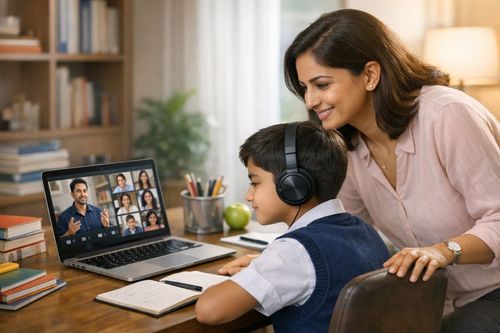
no longer limited to physical classrooms. With just a laptop and an internet connection, people can attend classes from anywhere in the world. This shift has introduced the concept of a virtual classroom, where teachers and learners connect online for interactive learning.
In this article, you will understand
the virtual classroom meaning, learn what is virtual classroom, and explore its key benefits and working process. We will also see how platforms like PlanetSpark use virtual classrooms to create engaging learning experiences that help individuals build communication and essential professional skills.
Virtual Classroom Meaning
The virtual classroom meaning refers to a digital learning environment where teachers and students interact online instead of meeting in a physical classroom. It uses internet-based platforms that allow learners to attend live classes, communicate with instructors, and access learning materials from anywhere.
In a virtual classroom, teaching happens through tools such as video conferencing, digital whiteboards, screen sharing, and chat features. Students can watch live lessons, ask questions, participate in discussions, and complete assignments just like they would in a traditional classroom. The main difference is that everything happens online, making learning more flexible and accessible.
For working professionals and modern learners, virtual classrooms make education easier to manage alongside busy schedules. They allow people to gain new skills, attend training sessions, and continue learning without needing to travel to a physical location.
Key Characteristics of a Virtual Classroom
Real-time communication: Teachers and students can interact live through video, voice, or chat.
Interactive video learning: Lessons are conducted through live video sessions.
Digital study materials: Teachers share presentations, documents, and resources online.
Online assignments and assessments: Students can submit tasks and take quizzes digitally.
Live discussions and feedback: Learners can ask questions and receive immediate guidance.
Overall, a virtual classroom recreates the experience of a traditional classroom while offering the convenience, flexibility, and accessibility of online learning.
What Is Virtual Classroom?
To understand what is virtual classroom, think of it as an online version of a traditional classroom where teachers and students connect through the internet. Instead of meeting in a physical room, everyone joins a digital platform where lessons are conducted live using video, audio, and interactive tools.
In a virtual classroom, the teacher explains concepts, shares presentations, and interacts with students just like in a regular class. Students can listen to the lecture, ask questions, participate in discussions, and complete assignments during the session. The main difference is that everything happens online, making learning accessible from any location.
For working professionals and learners with busy schedules, virtual classrooms provide a convenient way to continue learning without needing to travel to a training center or school. All they need is a stable internet connection and a device such as a laptop, tablet, or smartphone. Because of this flexibility, virtual classrooms have become a popular learning method for schools, training institutes, and professional development programs.
Common Components of a Virtual Classroom
A virtual classroom uses several digital tools that help teachers deliver lessons effectively and keep students engaged.
Video conferencing: Enables teachers and students to see and hear each other during live classes.
Screen sharing: Allows instructors to present slides, documents, or demonstrations during the lesson.
Digital whiteboards: Teachers can write, draw diagrams, and explain ideas visually.
Chat systems: Students can ask questions, share thoughts, and participate in discussions instantly.
File sharing: Teachers can provide study materials, assignments, and resources online.
Together, these tools create an interactive and collaborative learning environment that closely resembles the experience of a traditional classroom while offering the flexibility of online education.
How a Virtual Classroom Works
Understanding how a virtual classroom works is quite simple. A virtual classroom follows a structured online learning process where teachers and students connect through a digital platform. Instead of attending lessons in a physical classroom, participants join a live session using a computer, tablet, or smartphone with an internet connection.
During the session, the teacher conducts the class using video, presentations, and interactive tools that help explain concepts clearly. Students can listen, ask questions, participate in discussions, and complete activities in real time. This process helps create an engaging learning environment that closely resembles a traditional classroom, but with the flexibility of learning from anywhere.
Below is a simple step by step explanation of how a virtual classroom typically works.
Step 1: Scheduling the Class
The process begins when the teacher schedules a class using a learning platform or video conferencing tool. Students receive information such as the class time, topic, and a link or login details to join the session. This allows learners to prepare in advance and join the class on time.
Step 2: Students Join the Session
At the scheduled time, students click the link or log in to the learning platform to join the virtual classroom. Once connected, they can see and hear the teacher and other participants. This creates a live learning environment where everyone can interact just like in a physical classroom.
Step 3: Live Teaching Begins
The teacher starts the lesson using tools such as video conferencing, screen sharing, presentations, and digital whiteboards. These tools help explain concepts clearly and make the class more visual and interactive. Teachers may also share examples, videos, or demonstrations to improve understanding.
Step 4: Interaction and Participation
One of the most important parts of a virtual classroom is student interaction. Learners can ask questions through voice, chat, or discussion features. Teachers may also encourage participation through quizzes, polls, or group discussions to keep students engaged during the session.
After the lesson, teachers may provide assignments, practice exercises, or quizzes through the online platform. Students can submit their work digitally, and teachers can review it and provide feedback. This helps track learning progress and ensures students understand the concepts taught in the class.
Modern learning platforms like PlanetSpark use advanced virtual classroom systems that combine interactive tools, structured lessons, and expert guidance. This approach helps learners improve important skills such as communication, confidence, and public speaking in an engaging online environment.
Key Features of a Virtual Classroom
Virtual classrooms include several powerful features that make online learning smooth, interactive, and effective. These features help recreate the experience of a traditional classroom while adding the flexibility and convenience of digital learning. Because of these tools, teachers can explain concepts clearly, and students can participate actively in the learning process.
Below are some of the most important features that make virtual classrooms engaging and useful for modern learners.
Live Interactive Classes
One of the most important features of a virtual classroom is live interaction. Teachers and students can connect through video and audio in real time, allowing them to communicate just like they would in a physical classroom. Students can ask questions, respond to the teacher, and participate in discussions during the lesson, which makes learning more engaging and dynamic.
Screen Sharing
Screen sharing allows teachers to display presentations, documents, videos, or demonstrations directly on the students’ screens. This feature is especially useful when explaining complex topics, showing step-by-step processes, or reviewing study materials. It helps learners follow along easily and understand the lesson more clearly.
Digital Whiteboards
A digital whiteboard works just like the whiteboard used in a traditional classroom. Teachers can write notes, draw diagrams, highlight important points, and explain concepts visually. This makes learning easier to understand, especially for subjects that require visual explanations.
Chat and Messaging
Virtual classrooms also include chat and messaging features that allow students to communicate instantly during the class. If a student has a question, they can type it in the chat box without interrupting the lesson. Teachers can respond immediately or address the question during the session, ensuring that learners stay engaged and informed.
Online Assessments
Another important feature of virtual classrooms is the ability to conduct online assessments. Teachers can create quizzes, assignments, and tests that students can complete digitally. These assessments help evaluate student understanding and track learning progress over time.
Breakout Discussions
Many virtual classroom platforms include breakout rooms, which allow teachers to divide students into smaller groups for discussions or activities. This encourages teamwork, collaboration, and deeper understanding of the topic. After the discussion, students can return to the main classroom and share their ideas with everyone.
Overall, these features make virtual classrooms highly interactive and effective. By combining communication tools, visual aids, and digital learning resources, virtual classrooms provide a modern and flexible learning experience that supports both students and professionals.
Benefits of Virtual Classrooms
Virtual classrooms have become increasingly popular because they make learning more flexible, accessible, and convenient. Unlike traditional classrooms that require physical presence, virtual classrooms allow learners to attend classes online from any location. This modern learning method is especially useful for students and working professionals who want to improve their skills while managing other responsibilities.
Below are some of the major benefits of virtual classrooms and why they are becoming an important part of modern education.
1. Learn from Anywhere
One of the biggest advantages of a virtual classroom is the ability to learn from any location. Students and professionals do not need to travel to a physical institute or training center. As long as they have a stable internet connection and a device such as a laptop or smartphone, they can join the class easily.
This flexibility is especially helpful for people who live in different cities or countries, or for those who cannot commute daily. It makes education more accessible to a wider audience.
2. Flexible Learning Schedule
Virtual classrooms often offer flexible scheduling, which allows learners to choose class timings that fit their routine. This is particularly useful for working professionals who want to upgrade their skills while continuing their jobs.
Many platforms also provide recorded sessions, which means learners can revisit the lesson later if they miss a class or want to review the topic again.
3. Access to Expert Teachers
In traditional education systems, students are often limited to teachers available in their local area. However, virtual classrooms remove this limitation. Learners can connect with expert teachers and trainers from different parts of the world.
This provides access to better guidance, specialized knowledge, and high-quality teaching methods that may not always be available locally.
4. Cost-Effective Learning
Virtual classrooms can significantly reduce the cost of learning. Since everything happens online, there is no need for travel, accommodation, or physical classroom infrastructure.
Students also save money on transportation, printed materials, and other expenses related to traditional education. This makes online learning more affordable and accessible for many people.
5. Interactive and Technology-Driven Learning
Virtual classrooms use modern digital tools that make learning more interactive and engaging. Teachers can use videos, presentations, quizzes, polls, and digital whiteboards to explain concepts in a clear and visual way.
These tools not only make lessons easier to understand but also keep students actively involved during the class. As a result, learners can develop a better understanding of the subject while also improving their digital skills.
Overall, virtual classrooms provide a modern and efficient way of learning that combines flexibility, accessibility, and technology to create a better educational experience.
While virtual classrooms offer many advantages, they also come with a few challenges. Since learning happens online, both teachers and students depend heavily on technology and a stable internet connection. If these factors are not managed properly, they can sometimes affect the learning experience.
However, most of these challenges can be reduced with proper planning, reliable learning platforms, and good learning habits. Below are some common challenges of virtual classrooms and how they can impact online learning.
Internet Connectivity Issues
One of the most common challenges in a virtual classroom is unstable internet connectivity. Since the entire class takes place online, a strong and reliable internet connection is necessary for smooth communication between teachers and students.
If the internet connection is slow or frequently disconnects, students may miss important parts of the lesson or face difficulties hearing the teacher clearly. Video interruptions, audio delays, or frozen screens can affect the flow of the class. To avoid this problem, learners should try to use a stable internet connection and join classes from a location with good network coverage.
Digital Distractions
Learning from home or any remote location can sometimes lead to digital distractions. Students may get distracted by mobile notifications, social media, background noise, or other activities happening around them.
Unlike a physical classroom where the environment is controlled, virtual learning requires students to maintain discipline and focus on their own. Creating a quiet study space and minimizing distractions can help learners stay attentive during the class.
Another challenge of virtual classrooms is the lack of physical interaction. In traditional classrooms, students can interact directly with teachers and classmates, which often makes learning more engaging.
In an online environment, communication mainly happens through video, audio, or chat. While modern platforms include interactive tools, the experience may still feel less personal compared to face-to-face learning. Teachers often solve this problem by encouraging discussions, group activities, and interactive sessions during online classes.
Technical Problems
Virtual classrooms depend on technology, and sometimes technical issues can interrupt the learning process. Problems such as software glitches, audio issues, login errors, or device compatibility problems may occur during a session.
Although these issues are usually temporary, they can briefly disrupt the class. Using reliable learning platforms, keeping software updated, and checking devices before joining a session can help reduce these technical difficulties.
Managing These Challenges
Even though virtual classrooms have some challenges, they can be effectively managed with the right approach. A stable internet connection, proper learning environment, and reliable digital platforms can make online learning smooth and productive.
As technology continues to improve, virtual classrooms are becoming more advanced, interactive, and user-friendly, helping learners overcome these challenges and enjoy a better online learning experience.
The Future of Virtual Classrooms
Virtual classrooms are becoming a key part of modern education. Schools, universities, training institutes, and companies are increasingly adopting digital learning methods.
With the advancement of technology, future virtual classrooms may include:
AI-powered personalized learning
Virtual reality (VR) classrooms
Advanced interactive simulations
Data-driven learning insights
These innovations will make online learning more immersive and effective.
Success Story
Bhawana, a 12-year-old student, used to feel shy while speaking in class and rarely participated in discussions. Her parents enrolled her in a virtual classroom program at PlanetSpark to help improve her confidence. Through interactive sessions and regular speaking activities, Bhawana gradually became more comfortable expressing her ideas. Within a few months, she confidently participated in her school’s speaking competition and impressed her teacher.
About PlanetSpark : Online Classes
PlanetSpark offers engaging online classes designed to help learners build strong communication and language skills from the comfort of their homes. Our live, interactive sessions combine expert guidance, personalised learning, and technology-driven feedback to make online learning effective, flexible, and enjoyable.
1. Live 1:1 Online Coaching
Every learner attends live online sessions with a certified trainer who provides personalised attention and guidance for faster improvement.
2. Personalised Learning Path
A customised curriculum adapts to each learner’s level and goals ensuring steady progress in communication, language, and confidence.
3. AI-Powered Feedback
With tools like SparkX and guided practice sessions, learners receive instant feedback on clarity, pronunciation, and overall performance.
4. Interactive & Engaging Online Learning
Interactive activities, quizzes, discussions, and practice exercises keep online classes dynamic and help learners stay motivated.
5. Flexible Learning Anytime, Anywhere
Students can learn from home with convenient scheduling, making it easier to balance school, work, and skill development.
Conclusion
A virtual classroom has transformed modern learning by making education more flexible, accessible, and interactive. Understanding the virtual classroom meaning and what is virtual classroom helps learners and professionals take advantage of online learning opportunities from anywhere. Platforms like PlanetSpark use virtual classrooms to deliver engaging sessions that help individuals build strong communication skills and confidence for future growth.
Frequently Asked Questions
A virtual classroom is an online learning environment where teachers and students interact through the internet using video, audio, and digital tools.
Students join a live online session through a link or platform where teachers conduct lessons using video conferencing, screen sharing, and interactive tools.
Virtual classrooms offer flexibility, access to expert teachers, cost-effective learning, and the ability to learn from anywhere.
Common tools include video conferencing, digital whiteboards, screen sharing, chat systems, and online assessment platforms.
Students, working professionals, and anyone looking to improve skills can benefit from virtual classroom learning.