
Vocal Resonance Meaning & How to Improve Your Voice

Table of Contents
- Vocal Resonance Meaning Explained Simply for Students
- How Vocal Resonance Affects Voice Clarity and Confidence
- Voice Resonance Exercises That Improve Speaking Quality
- How to Improve Vocal Resonance Through Guided Practice
- Resonance in Voice During Everyday Communication
- Voice Projection and Resonance for Confident Speaking
- About PlanetSpark
- Final Thoughts on Vocal Resonance and Voice Confidence
Vocal resonance plays a key role in how clearly and confidently children speak. Vocal resonance refers to how sound flows through the body and comes out strong, clear, and pleasant to hear. When children develop good vocal resonance, their voice sounds fuller, steadier, and easier to understand in everyday communication, classroom discussions, and storytelling.
PlanetSpark helps children build confident communication
skills through structured voice training.
Through live 1:1 sessions and expert guidance, children learn how to use vocal resonance effectively and speak with clarity and confidence.
Vocal Resonance Meaning Explained Simply for Students
Vocal resonance, meaning, in simple terms, is how your voice sounds when it travels smoothly from your chest and mouth instead of getting stuck in your throat. When the voice resonates properly, it feels relaxed and sounds fuller, clearer, and more pleasant to hear. A resonant voice does not feel tight or strained, even when a child speaks for a longer time during class, storytelling, or conversations.
When children understand vocal resonance meaning early, they realize that good speaking is not about shouting, pushing the voice, or speaking louder than others. Instead, it is about using the voice naturally and allowing sound to flow freely. This awareness helps children speak comfortably without hurting their throat or getting tired quickly. Over time, strong vocal resonance helps children sound confident, calm, and clear while communicating in everyday situations.
Why Vocal Resonance Matters in Spoken Communication
Vocal resonance helps children:
• sound clear and confident, so their words are easily understood without repetition
• reduce mumbling or rushed speech, which often happens when children feel nervous or unsure
• speak comfortably for longer periods without throat strain or vocal fatigue
• hold the listener’s attention with a steady, warm, and pleasant voice
When children develop good vocal resonance, their voice becomes a support rather than a barrier. They no longer need to push their voice or rush through sentences to be heard. Instead, speech flows naturally, making communication calmer and more controlled.
Good resonance also improves how children feel while speaking. They feel more confident, less anxious, and more willing to participate in conversations, class discussions, and storytelling. As a result, communication becomes more effective, engaging, and enjoyable for both the child and the listener.
How Vocal Resonance Affects Voice Clarity and Confidence
Vocal resonance directly impacts how clearly a child is heard while speaking. When resonance is weak, a child’s voice may sound thin, shaky, soft, or unclear, making it harder for listeners to understand what is being said. This often leads to frustration, repeated sentences, or hesitation while speaking. With proper vocal resonance, the voice sounds fuller and steadier, allowing words to come out clearly and naturally without extra effort.
Children with good vocal resonance feel more confident while speaking because their voice supports their message instead of working against it. They do not feel the need to repeat themselves, rush through words, or speak louder than necessary to be heard. This sense of control helps children stay calm and focused during conversations.
Over time, strong vocal resonance helps children speak up confidently in class discussions, storytelling, presentations, and everyday conversations. As their voice becomes clearer and more reliable, children participate more actively, express ideas more comfortably, and develop lasting confidence in their communication skills.
Join now with PlanetSpark to build confident communication skills.
Voice Resonance Exercises That Improve Speaking Quality
Voice resonance exercises help children learn how to use their voice naturally and comfortably. Instead of forcing the voice or speaking louder, these exercises teach children how to let sound flow smoothly using proper breathing, relaxed muscles, and correct sound placement. This makes speaking feel easier and more controlled.
These exercises focus on breathing, sound placement, and relaxation because a relaxed voice produces clearer sound. When children learn to relax their throat and use steady breathing, their voice becomes stronger without strain. This approach helps children avoid vocal fatigue and speak confidently for longer periods.
Simple Voice Resonance Exercises for Students
Effective voice resonance exercises include:
• gentle humming to help children feel sound vibration in their chest and mouth
• slow, deep breathing combined with relaxed speech to improve voice control
• speaking short sentences with a calm, steady tone to build confidence
• practicing steady volume instead of loudness so the voice sounds clear, not forced
With regular practice, children develop better control, clarity, and comfort in their voice. Over time, these simple exercises help children speak more confidently, sound clearer in conversations, and enjoy using their voice without effort or discomfort.
PlanetSpark integrates voice resonance exercises into live sessions so children practice safely and correctly.
How to Improve Vocal Resonance Through Guided Practice
Learning how to improve vocal resonance requires consistent guidance and correct practice. Without proper support, children often try to speak louder instead of speaking better. This can lead to throat strain, unclear sound, and fatigue, making speaking feel uncomfortable rather than confident.
Guided coaching teaches children how to use their voice efficiently instead of forcefully. Children learn how to relax their throat, use steady breathing, and let sound travel naturally. This method improves vocal resonance without pressure, discomfort, or vocal strain, allowing children to speak clearly for longer periods.
At PlanetSpark, children practice how to improve vocal resonance step by step through structured speaking activities. These sessions focus on building comfort, clarity, and confidence in a safe and encouraging environment.
Guided vocal resonance coaching helps children:
• understand the difference between loudness and clarity
• relax the voice instead of pushing sound
• use proper breathing to support speech
• project sound naturally without shouting
• speak with steady tone and control
Through storytelling, discussions, and guided speaking exercises, children apply these techniques in real communication situations. Over time, this structured approach helps children develop strong vocal resonance, clearer speech, and confident communication that feels natural and effortless.
Resonance in Voice During Everyday Communication
Resonance in voice is most noticeable during everyday communication, where children speak naturally in real situations. Whether answering questions in class, telling stories to friends, participating in group discussions, or speaking at home, children with good vocal resonance sound clear, calm, and confident. Their voice carries smoothly, making it easier for others to listen and understand without effort.
When resonance in voice is strong, the voice works with the child instead of against them. Speaking feels steady and controlled rather than rushed or shaky. Children do not need to push their voice or repeat words to be heard, which makes communication feel comfortable and natural.
When resonance in voice is strong:
• words sound smoother and more pleasant to hear
• sentences flow naturally without strain or breaks
• listeners understand the message easily and quickly
• speaking feels comfortable and relaxed
This ease of speaking helps children communicate without hesitation or fear. They become more willing to raise their hand, share ideas, and join conversations. Over time, strong resonance builds confidence, encourages active participation, and helps children enjoy speaking in both classroom and everyday situations.
Enroll now at PlanetSpark and help your child speak with clarity and confidence.
Voice Projection and Resonance for Confident Speaking
Voice projection and resonance work together to support confident and effective speaking. Voice projection means being heard clearly by others, even in a classroom or group setting. Vocal resonance ensures that the voice sounds pleasant, steady, and controlled rather than sharp or strained. When both work together, children can speak clearly without effort.
Children often confuse projection with shouting, which can strain the voice and reduce clarity. In reality, proper voice projection and resonance allow children to speak at a comfortable volume while still being heard. The sound travels naturally instead of being forced. This is especially important in classrooms, presentations, storytelling, and group discussions, where children need to speak confidently without tiring their voice.
PlanetSpark helps children learn proper voice projection and resonance through guided speaking activities. With expert coaching, children understand how to use breath, posture, and sound placement correctly, allowing them to speak confidently without strain or discomfort.
How Vocal Resonance Builds Advanced Communication Skills
Vocal resonance plays an important role in building advanced communication skills by improving how messages are delivered. Even strong ideas can lose impact if the voice is unclear or shaky. When children develop good vocal resonance, their voice supports their words, making communication more effective and engaging.
Clear voice quality allows children to stay focused while speaking and helps listeners stay engaged. Children feel more in control of their voice, which reduces nervousness and improves overall expression.
Advanced communication skills develop when children:
• speak clearly and calmly without rushing
• control voice volume and tone based on the situation
• express ideas confidently and with purpose
• communicate comfortably in group conversations
Strong vocal resonance strengthens overall communication ability and self-expression. Over time, children become more confident speakers who can share ideas clearly, participate actively, and communicate with ease in both academic and everyday situations.
Enroll now at PlanetSpark and help your child speak with clarity and confidence.
About PlanetSpark
PlanetSpark transforms how children learn to communicate with confidence. Through live 1:1 sessions, expert mentors, and immersive speaking activities, learners develop clarity, confidence, and expression. Every session is designed to help students speak effectively, listen attentively, and connect meaningfully in real conversations.
1:1 Expert Coaching
Students receive focused guidance on voice, tone, and articulation from certified communication coaches.
Real World Speaking Practice
Interactive debates, storytelling sessions, and discussions enable learners to apply communication skills in real time.
Video Feedback and Analysis
Learners review their recorded performances with mentors to refine body language, gestures, and delivery.
Leadership and Expression Focus
Each lesson helps students build stage confidence, emotional awareness, and authentic self expression.
Continuous Growth Tracking
Progress is consistently measured through performance insights that strengthen communication at every level.
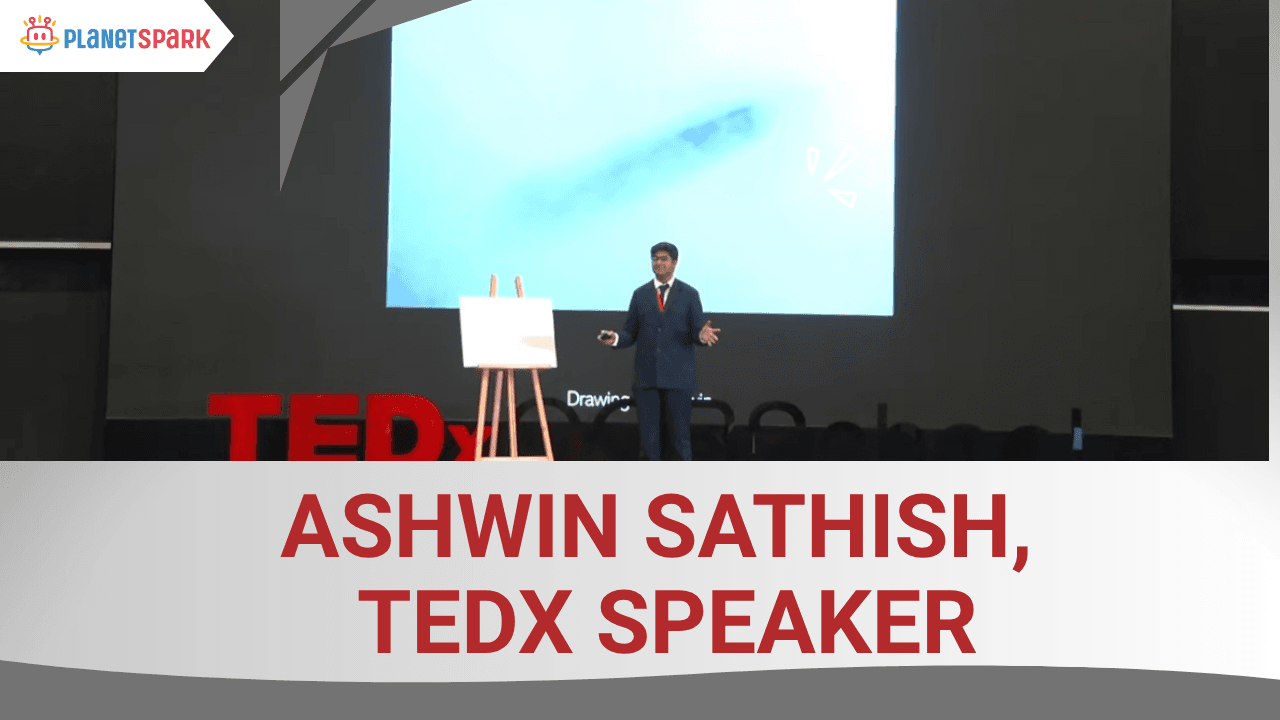
Ashwin’s Journey: From Confident Speaker to Strategic Communicator
Ashwin Sathish from New Delhi, a confident Grade 8 learner, stepped onto the TEDx stage with clarity and purpose. While his achievement is widely seen as a public speaking milestone, the deeper growth lies in his strategic communication skills. Ashwin learned how to organize ideas logically, choose the right words for impact, and adapt his message based on audience and context. Through focused practice, he developed the ability to plan what to say, how to say it, and why it matters. His journey highlights how strategic communication helps students move beyond speaking confidently to communicating thoughtfully, persuasively, and with intent across academic and real-world settings.
Final Thoughts on Vocal Resonance and Voice Confidence
Vocal resonance is an essential part of clear and confident communication. When children learn how to use their voice properly, speaking no longer feels tiring, forced, or uncomfortable. Instead, their voice sounds steady, clear, and natural, making it easier to express ideas and be understood. This comfort helps children enjoy speaking rather than feeling nervous or hesitant.
PlanetSpark’s structured coaching helps children improve vocal resonance step by step through guided practice, expert feedback, and real speaking situations. Children learn how to use their voice safely and effectively, building confidence over time. This preparation supports not only clear speech but also confident communication in classrooms, social interactions, presentations, and everyday conversations, helping children express themselves with ease as they grow.
Join now to help your child communicate clearly and confidently with PlanetSpark.
Frequently Asked Questions
Vocal resonance is how sound travels through the body to make the voice clear, steady, and pleasant to hear. When vocal resonance is strong, children sound confident without needing to speak loudly. It helps the voice flow naturally instead of feeling strained. This makes speaking more comfortable and easier to sustain during conversations and class activities.
Vocal resonance is important because it helps children speak clearly and be understood easily. A resonant voice reduces mumbling, rushing, and vocal strain while improving confidence. Children feel more comfortable participating in discussions and expressing ideas. Over time, this builds stronger communication habits and self confidence.
Children can improve vocal resonance through breathing practice, relaxed speaking, and simple voice exercises. Guided practice helps children learn to use their voice naturally instead of forcing it. Regular coaching builds awareness of voice control and comfort. With consistency, children begin to sound clearer and more confident.
Voice resonance exercises for kids include gentle humming, slow breathing, and speaking calmly with steady volume. These exercises help children feel sound vibration and understand how their voice works. Practising regularly improves clarity and reduces effort while speaking. Children also gain better control over tone and volume.
Voice projection means being heard clearly, while vocal resonance makes the voice sound pleasant and controlled. Good projection comes from proper resonance, not shouting. When both work together, children can speak confidently without straining their voice. This is especially helpful in classrooms and group discussions.
PlanetSpark helps children develop vocal resonance through live 1:1 sessions, guided speaking activities, and expert feedback. Children practise voice techniques during storytelling, discussions, and real speaking situations. This structured approach helps children apply skills naturally. Over time, they build clear, confident, and comfortable communication habits.