In every workplace, communication is the foundation of teamwork, productivity, and growth. Whether employees are discussing projects, solving problems, or planning future strategies, they rely on clear and effective communication with others. This is where understanding what is group communication becomes essential for working professionals. It helps teams exchange ideas, align goals, reduce misunderstandings, and create better results together.
Group communication happens when three or more people interact to share information, discuss ideas, make decisions, or achieve a common objective. Unlike one-to-one communication, group communication involves multiple viewpoints, personalities, and communication styles. Because of this, it can be highly productive when managed well, but it can also become confusing if not structured properly.
Modern organizations depend heavily on meetings, brainstorming sessions, team calls, training discussions, and collaborative platforms. All of these are examples of group communication in action. Professionals who understand how to communicate in groups often perform better in leadership roles, project management, and cross-functional teamwork.
For working professionals, improving communication in groups can directly influence career success. Employees who express ideas clearly, listen actively, and participate confidently are often seen as valuable contributors.
In this blog, you will learn what is group communication, how it works in the workplace, what is group discussion in communication, and what is small group communication. You will also discover practical ways to improve your communication skills for better team interactions.
Understanding these concepts can help professionals become more confident, more productive, and more effective in any organization.
What Is Group Communication?
To understand workplace communication deeply, it is important to first know what is group communication. Group communication refers to the process where three or more individuals exchange messages, opinions, information, or feedback to accomplish a shared purpose. This communication may happen formally in meetings or informally during daily collaboration.
In a professional environment, group communication is a regular part of operations. Teams need to coordinate tasks, discuss progress, solve issues, and make strategic decisions. Since businesses today often rely on teamwork, the ability to communicate effectively in groups has become one of the most valuable professional skills.
Group communication is different from interpersonal communication because it includes multiple participants instead of two people. This means more ideas are shared, but it also requires better structure, listening, and leadership.
Main Features of Group Communication
Involves three or more participants
Focuses on a common goal or task
Encourages idea sharing and feedback
Requires listening and speaking skills
Can be verbal, written, or digital
Often includes decision-making processes
Examples in the Workplace
Situation
Type of Group Communication
Weekly team meeting
Formal
Brainstorming campaign ideas
Creative collaboration
Zoom project review
Virtual communication
Department training session
Informational
Crisis resolution meeting
Problem-solving
Why It Matters for Professionals
When professionals understand what is group communication, they become better contributors in meetings and discussions. They know how to present ideas clearly, respect others’ opinions, and help teams stay focused.
Employees with strong group communication skills often demonstrate:
Leadership potential
Better confidence in meetings
Strong collaboration habits
Higher problem-solving ability
Better relationship management
Core Components of Effective Group Communication
Clear purpose
Active listening
Respectful participation
Organized discussion flow
Constructive feedback
Shared accountability
Sometimes group communication can fail due to interruptions, unclear roles, or poor listening. That is why professionals should learn how to participate with clarity and professionalism.
Today, group communication also happens digitally through tools like email threads, project management platforms, chat apps, and video conferencing software. This means professionals must adapt their communication style across both in-person and remote environments.
Key Elements of Effective Group Communication
Strong workplace communication does not happen by chance. It depends on certain core elements that help groups function smoothly and achieve goals together. After understanding what is group communication, the next step is learning what makes it effective. In offices and professional environments, group communication becomes productive when members share ideas clearly, listen actively, and work toward common outcomes.
When these elements are missing, meetings become unproductive, misunderstandings increase, and team morale can decline. For working professionals, mastering these basics can improve performance and build a stronger professional image.
1. Clear Purpose and Shared Goals
Every group discussion should begin with a clear objective. Team members need to know why they are communicating and what result is expected.
Examples of clear goals:
Finalizing a campaign strategy
Reviewing project deadlines
Solving a customer issue
Assigning responsibilities
Brainstorming new ideas
When the purpose is unclear, conversations often become scattered and time is wasted.
2. Active Listening
Listening is just as important as speaking. Many professionals focus only on expressing their own views, but effective communicators pay close attention to others.
Active listening includes:
Maintaining focus during discussions
Not interrupting speakers
Asking relevant questions
Summarizing key points
Responding thoughtfully
Listening helps reduce confusion and shows respect to colleagues.
3. Clear and Concise Expression
In workplace settings, people value clarity. Long or vague explanations can slow discussions. Professionals should communicate ideas in a direct and structured way.
Poor Communication
Better Communication
We need to improve things
We need to improve client response time by 20%
Let’s discuss later
Let’s discuss this at 3 PM today
There are issues
Three delivery issues need immediate action
4. Respectful Participation
Every team member should feel comfortable contributing. Respectful communication encourages collaboration and trust.
Good practices include:
Allowing others to finish speaking
Appreciating different viewpoints
Avoiding personal criticism
Staying professional during disagreements
5. Feedback and Clarification
Feedback keeps communication two-way. Teams grow stronger when members ask questions, clarify doubts, and share constructive suggestions.
Useful feedback phrases:
Can you explain that timeline again?
I suggest another approach for faster execution.
That idea works well for the sales team.
6. Non-Verbal Communication
Body language also influences group interactions. Eye contact, posture, facial expressions, and tone of voice affect how messages are received.
7. Time Management
Meetings should stay focused and efficient. Respecting time shows professionalism and keeps energy levels high.
Professionals who apply these elements consistently become more effective team players and stronger leaders. These principles are the backbone of successful workplace communication.
In professional life, not every group conversation looks the same. Different situations require different communication styles. Understanding the types of group communication helps professionals adapt better and participate more effectively. Once you know what is group communication, it becomes easier to identify how it appears in daily work life.
Organizations use multiple forms of communication depending on goals, team size, urgency, and decision-making needs. Some groups are formal and structured, while others are casual and spontaneous.
1. Formal Group Communication
This happens in organized settings where agendas, rules, or clear objectives exist.
Examples:
Weekly team meetings
Performance reviews
Project planning sessions
Department presentations
Boardroom discussions
Formal communication is goal-driven and often documented through notes or reports.
2. Informal Group Communication
This takes place naturally without rigid structure. It often helps build relationships and quick coordination.
Examples:
Team lunch discussions
Quick desk-side conversations
Casual brainstorming chats
Internal group chats
Though informal, it can still be highly valuable for collaboration.
3. Problem-Solving Communication
Teams often gather to solve challenges, fix delays, or improve systems.
Common scenarios:
Customer complaint resolution
Missed deadline recovery planning
Technical issue discussions
Process improvement meetings
This type requires logic, patience, and open-mindedness.
4. Decision-Making Communication
Leaders and teams frequently discuss options before making choices. This type focuses on comparing ideas and selecting the best path.
Situation
Decision Required
Hiring candidates
Final selection
Budget planning
Resource allocation
Product launch
Go-live approval
Vendor comparison
Best partner choice
5. Informational Communication
Sometimes groups meet mainly to receive updates or share knowledge.
Examples:
Company announcements
New policy briefings
Training workshops
Progress reports
6. Creative or Brainstorming Communication
This communication style encourages free thinking and idea generation.
Examples:
Marketing campaign ideas
Product naming sessions
Growth strategy discussions
Event planning meetings
In these sessions, judgment is often delayed so creativity can flow.
7. Virtual Group Communication
With remote work growth, many teams now communicate online.
Common channels:
Video calls
Slack or Teams chats
Shared project boards
Collaborative documents
Professionals need digital etiquette, clear writing, and punctuality in virtual communication.
How to Choose the Right Style
Need
Best Communication Type
Urgent update
Informational
Team bonding
Informal
New ideas
Brainstorming
Fix issue
Problem-solving
Final approval
Decision-making
Understanding these forms makes daily communication more effective and reduces workplace friction. It also improves confidence because professionals know how to behave in different group settings.
In professional environments, discussions are a major part of collaboration. Teams discuss targets, managers review progress, departments solve challenges, and leaders exchange ideas before making decisions. To understand workplace communication fully, it is important to know what is group discussion in communication and how it supports better teamwork.
Group discussion in communication refers to a structured or semi-structured exchange of ideas among multiple people on a common topic. The purpose may be to solve a problem, analyze a situation, generate ideas, make decisions, or share perspectives. Unlike one-way presentations, group discussions encourage participation from all members.
For working professionals, group discussions happen almost every day. Whether it is a client strategy meeting, internal brainstorming session, or project review call, success often depends on how well people communicate within the group.
Key Characteristics of Group Discussion
Involves three or more participants
Focuses on one central topic or issue
Encourages idea sharing and feedback
Requires listening and speaking balance
Helps in analysis and decision-making
Can be formal or informal
Examples in the Workplace
Workplace Situation
Purpose of Discussion
Sales review meeting
Analyze monthly performance
Marketing brainstorm
Generate campaign ideas
HR policy meeting
Discuss employee changes
Client servicing call
Resolve issues
Leadership meeting
Strategic planning
Why Group Discussions Matter
Professionals who participate effectively in discussions often gain visibility in the workplace. They are seen as thoughtful contributors, problem-solvers, and future leaders.
Benefits include:
Better decision-making through multiple viewpoints
Stronger collaboration among teams
Faster problem resolution
Increased employee involvement
Improved confidence and speaking ability
Skills Needed for Effective Group Discussions
To succeed in professional group discussions, employees should focus on these skills:
Clear speaking
Active listening
Logical thinking
Respectful disagreement
Time awareness
Concise responses
Confidence under pressure
Common Mistakes to Avoid
Interrupting others
Speaking without relevance
Dominating the conversation
Ignoring quieter members
Getting personal during disagreement
Repeating the same point unnecessarily
How Professionals Can Add Value in Discussions
Instead of speaking just to be noticed, speak to move the conversation forward.
Useful approaches:
Summarize complex points simply
Ask smart questions
Offer solutions, not only problems
Connect ideas from different team members
Keep the group focused on goals
Short Example
If a team is discussing low customer retention, one person may share data, another may suggest loyalty offers, while another recommends service improvements. Together, the group reaches a stronger solution than one individual working alone.
Understanding what is group discussion in communication helps professionals become more effective contributors in meetings and collaborative settings. It is not only about talking, but about helping teams think better together.
What Is Small Group Communication?
Many of the most productive workplace conversations happen in smaller teams rather than large meetings. That is why professionals should understand what is small group communication and why it is so valuable in modern organizations.
Small group communication refers to interaction among a limited number of people, usually between three and twelve members, who communicate regularly to achieve a shared objective. Because the group is smaller, members often participate more actively, build stronger relationships, and make decisions faster.
This type of communication is common in project teams, department units, startup teams, client accounts, and task forces. Compared with larger meetings, small groups allow deeper conversations and more direct accountability.
Features of Small Group Communication
Limited number of participants
Shared goals or responsibilities
Higher participation from each member
Faster feedback exchange
Better relationship building
Easier coordination and decision-making
Examples in Professional Life
Small Group Type
Workplace Example
Project Team
Launching a new product
Sales Unit
Achieving regional targets
HR Committee
Hiring decisions
Creative Team
Ad campaign planning
Client Account Team
Managing brand deliverables
Why Small Groups Are Effective
In large meetings, some employees stay silent. In smaller groups, each person usually has more chances to speak and contribute.
Benefits include:
Stronger engagement
More detailed discussions
Better trust among members
Faster problem-solving
Clearer accountability
Easier conflict management
Important Roles in Small Groups
Even informal teams often develop natural roles.
Role
Responsibility
Leader
Guides direction
Coordinator
Organizes tasks
Contributor
Shares ideas
Analyst
Evaluates options
Supporter
Encourages teamwork
A single person may perform multiple roles depending on the task.
How Professionals Can Succeed in Small Groups
Participate consistently
Respect deadlines and commitments
Share ideas openly
Listen carefully to others
Stay solution-oriented
Communicate progress clearly
Common Challenges
Even small groups face issues such as:
Dominant personalities controlling discussion
Lack of preparation
Unclear responsibilities
Personal conflicts
Delayed decisions
These issues can be reduced through clear communication and defined roles.
Small Group vs Large Group Communication
Factor
Small Group
Large Group
Participation
High
Lower for individuals
Decision Speed
Faster
Slower
Relationship Building
Stronger
Moderate
Depth of Discussion
Higher
Lower
Understanding what is small group communication helps working professionals perform better in team-based environments. Since many business results come from focused small teams, this skill is highly valuable for career growth.
Even when teams have talented people and clear goals, communication can still break down. Understanding the common barriers to group communication helps professionals prevent delays, conflict, and confusion. After learning what is group communication, it is equally important to know what stops it from being effective.
In workplaces, barriers can appear during meetings, calls, presentations, or daily collaboration. Some are caused by individuals, while others come from team structure or company culture. When ignored, these obstacles reduce productivity and weaken team trust.
1. Lack of Clear Objectives
If a meeting begins without a clear purpose, discussions often become unorganized. People may speak on unrelated topics, repeat ideas, or leave without action points.
Example:
A project meeting starts without an agenda
Team members discuss multiple issues but solve none
2. Poor Listening Habits
Many professionals hear words but do not actively listen. They may think about their reply while others are speaking or interrupt too quickly.
Signs of poor listening:
Repeating already answered questions
Misunderstanding instructions
Missing important details
Frequent interruptions
3. Dominating Participants
Sometimes one or two people control the conversation while quieter members remain unheard. This limits creativity and prevents balanced decisions.
Barrier
Negative Impact
Dominating speakers
Less participation
Silent members
Missed ideas
Interruptions
Reduced respect
4. Unclear Communication Style
Using vague language, technical jargon, or long explanations can confuse teams.
Poor examples:
We need to improve performance somehow
Let’s optimize later
Better examples:
We need to reduce customer response time by 15% this month
Final review will happen Friday at 4 PM
5. Emotional Reactions and Conflict
Stress, ego clashes, or personal disagreements can damage communication. When emotions take over, people focus on winning arguments instead of solving problems.
6. Cultural and Language Differences
Modern workplaces often include diverse teams. Differences in accents, language comfort, or communication style can sometimes create misunderstandings if teams are not inclusive.
7. Lack of Feedback
When team members do not ask questions or confirm understanding, mistakes increase.
Examples:
Assuming instructions were clear
Not checking deadlines
Staying silent despite confusion
8. Technology Issues in Remote Teams
Virtual communication introduces new barriers such as:
Poor internet connection
Audio delays
Missed chat messages
Multitasking during calls
Lack of visual cues
How to Overcome These Barriers
Barrier
Solution
No agenda
Define purpose before meeting
Poor listening
Practice active listening
Dominance
Encourage equal speaking time
Unclear speech
Be concise and specific
Conflict
Stay professional and solution-focused
No feedback
Ask clarifying questions
Why Professionals Should Care
Employees who identify communication barriers early can save time, improve teamwork, and prevent avoidable mistakes. Leaders especially benefit from recognizing these patterns because strong teams depend on open and clear communication.
Knowing these obstacles helps turn average discussions into productive collaboration.
Communication skills can be developed with practice. No matter your role, learning how to improve group communication can increase confidence, leadership potential, and team performance. Since modern workplaces rely on collaboration, this is one of the most valuable skills professionals can build.
After understanding what is group communication, the next practical step is learning how to perform better in real group settings such as meetings, team discussions, and project reviews.
1. Prepare Before Meetings
Professionals who prepare contribute better. Before joining a discussion:
Review the agenda
Understand key numbers or updates
List questions in advance
Think of possible solutions
Preparation helps you speak with clarity instead of reacting randomly.
2. Practice Active Listening
Strong communicators listen carefully before responding.
Ways to improve:
Maintain focus when others speak
Take notes on key points
Ask follow-up questions
Avoid interrupting
Listening builds credibility and prevents misunderstandings.
3. Speak Clearly and Briefly
In professional settings, concise communication is respected. Share points in a structured format.
Useful formula:
State the issue
Share supporting fact
Suggest action
Example:
Customer complaints rose this month. Most are delivery-related. We should review logistics timelines.
4. Encourage Participation
Good professionals do not only speak well, they help others contribute too.
Try phrases like:
What do you think about this approach?
Can the operations team share input?
Let’s hear another perspective.
5. Improve Non-Verbal Communication
Body language shapes how messages are received.
Positive Signals
Negative Signals
Eye contact
Looking distracted
Upright posture
Slouching
Calm tone
Aggressive tone
Nodding
Showing impatience
6. Learn to Handle Disagreement Professionally
Conflict is normal in teams. What matters is handling it constructively.
Say:
I see your point, but I’d like to suggest another option
Can we compare both approaches using data?
Avoid personal attacks or emotional reactions.
7. Follow Up After Discussions
Communication should continue after the meeting ends.
Best practices:
Share action items
Confirm deadlines
Send summaries if needed
Update progress regularly
8. Build Confidence Through Consistency
Many professionals hesitate to speak in groups. Confidence grows by participating regularly, even with small contributions.
Start with:
Asking one smart question
Sharing one useful update
Summarizing a discussion point
Daily Improvement Checklist
Habit
Result
Prepare before meetings
Better input
Listen actively
Stronger understanding
Speak clearly
More influence
Respect others
Better teamwork
Follow up
Higher accountability
Why This Matters for Career Growth
Professionals with strong communication skills are often trusted with leadership opportunities, client interactions, and key projects. Improving group communication is not only about meetings, it is about becoming more effective and more visible at work.
Role of Leadership in Group Communication
Leadership has a direct impact on how teams communicate. Even when employees are skilled and motivated, poor leadership can create confusion, silence, or conflict. Strong leaders, on the other hand, create environments where ideas flow clearly, people feel heard, and teams stay aligned. That is why understanding the role of leadership in group communication is essential for every working professional.
Leaders influence communication through their behavior, tone, decision-making style, and ability to guide discussions. They set expectations for how people speak, listen, collaborate, and solve problems. In many workplaces, the quality of team communication reflects the quality of leadership.
How Leaders Shape Group Communication
1. Setting Clear Direction
One of the biggest responsibilities of a leader is clarity. Teams perform better when they understand goals, priorities, deadlines, and responsibilities.
Examples of leadership clarity:
Explaining project objectives
Defining roles for each member
Confirming timelines
Communicating priorities during change
Without clarity, teams often duplicate work or miss deadlines.
2. Encouraging Open Participation
Strong leaders do not dominate every conversation. They create space for others to contribute.
Useful leadership habits:
Asking quieter members for input
Appreciating useful ideas
Inviting multiple perspectives
Preventing interruptions
This builds trust and stronger decision-making.
3. Managing Conflict Professionally
Disagreements are common in teams. Leaders must guide conflict toward solutions instead of allowing personal tension to grow.
Poor Leadership Response
Strong Leadership Response
Ignoring conflict
Addressing issues early
Taking sides emotionally
Staying neutral and fair
Allowing blame culture
Focusing on solutions
4. Leading by Example
Employees notice how leaders communicate. If leaders listen well, stay calm, and speak respectfully, teams often follow that standard.
5. Giving Feedback and Recognition
Constructive feedback helps employees improve, while recognition boosts morale.
Examples:
Good work on the client presentation
Next time, make the report more concise
Your suggestion improved the workflow
Leadership in Remote and Hybrid Teams
Modern leaders also manage virtual communication through:
Clear meeting agendas
Follow-up summaries
Timely responses
Inclusive online discussions
Why Professionals Should Learn This
Even if someone is not yet a manager, leadership communication skills are valuable. Professionals who guide discussions, solve conflicts, and bring clarity are often seen as future leaders.
Traits of Great Communication Leaders
Trait
Workplace Impact
Clarity
Reduces confusion
Empathy
Builds trust
Confidence
Inspires action
Listening
Improves ideas
Fairness
Strengthens morale
Leadership is not only about authority. It is about helping people communicate better together. Teams with strong communication leadership are more productive, more engaged, and better prepared for growth.
How PlanetSpark Helps Working Professionals Build Communication Skills
Strong communication skills are essential for career growth, leadership opportunities, and daily workplace success. Many professionals have excellent technical knowledge but struggle to express ideas confidently in meetings, presentations, or team discussions. PlanetSpark helps working professionals improve these practical skills through expert-led training focused on speaking confidence, clarity, and professional communication. The learning approach is interactive, helping learners practice real workplace scenarios instead of only studying theory.
PlanetSpark supports professionals in areas such as public speaking, business communication, group discussions, and confidence building. With personalized guidance and regular feedback, learners can improve how they present ideas, handle meetings, and interact with colleagues or clients. This makes communication stronger, more natural, and more impactful in real professional settings. As careers become more competitive, strong communication often becomes the difference between average performance and standout success.
Key Benefits of PlanetSpark for Professionals
Improves confidence during meetings and presentations
Builds strong public speaking skills
Helps in effective group communication
Enhances English fluency and clarity
Develops leadership communication habits
Strengthens client interaction skills
Provides personalized coaching and feedback
Supports career growth and workplace visibility
Professionals who communicate clearly are often trusted with bigger responsibilities and leadership roles. PlanetSpark helps individuals turn their knowledge into confident communication, creating stronger career opportunities and better workplace performance.
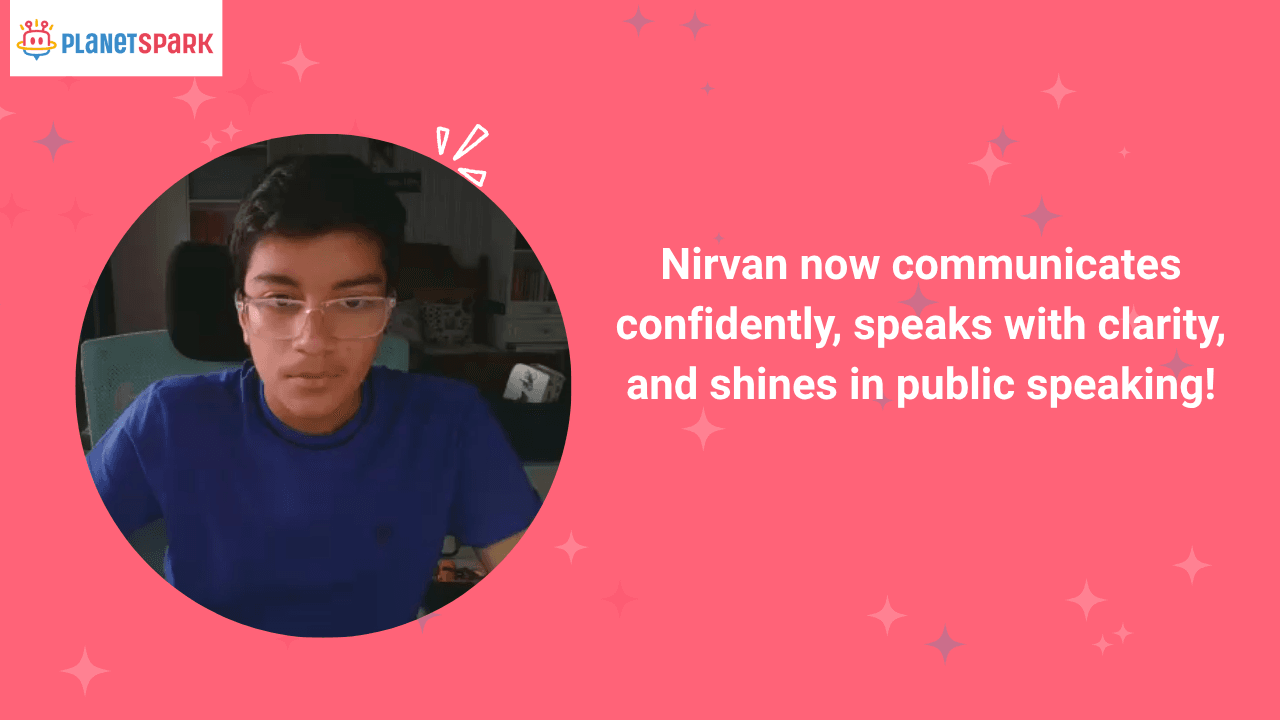
Success Story: Nirvaan’s Confident Communication Journey
Nirvaan now communicates with confidence, speaks with greater clarity, and shines in public speaking. His remarkable progress reflects stronger self-expression, improved speaking skills, and the confidence to stand out in every conversation.
Final Thoughts on Building Better Team Communication
Understanding what is group communication is essential for every working professional who wants to succeed in a collaborative workplace. From meetings and brainstorming sessions to project discussions and leadership conversations, strong communication helps teams stay aligned, productive, and goal-focused. It also reduces misunderstandings, improves trust, and creates a healthier work environment.
Professionals who develop skills such as active listening, clear speaking, respectful participation, and confident idea sharing often stand out in their organizations. Whether it is learning what is group discussion in communication or understanding what is small group communication, each concept plays a valuable role in workplace success.
Group communication is not only about talking in teams. It is about solving problems together, making better decisions, and building stronger professional relationships. With regular practice and the right guidance, anyone can improve these skills and become a more effective communicator.
In today’s fast-moving work culture, professionals who communicate well are often the ones who grow faster, lead better, and create greater impact.
Group communication is the process where three or more people share ideas, information, or feedback to achieve a common goal. It is commonly used in workplaces during meetings and team discussions.
Group communication helps professionals collaborate better, solve problems faster, make decisions, and build stronger workplace relationships.
Group discussion in communication is a conversation among multiple people focused on one topic to exchange ideas, analyze issues, or reach decisions.
Small group communication refers to communication among a limited number of people, usually three to twelve members, working together toward a shared objective.
Examples include team meetings, project reviews, brainstorming sessions, training sessions, strategy calls, and department discussions.
Common barriers include poor listening, unclear speaking, dominating participants, lack of agenda, conflict, and technology issues in remote teams.
Personalized Communication Roadmaps
Record a video to get a AI generated personalized communication reports