

PlanetSpark Logo
    CurriculumAbout UsContactResources
    BlogPodcastsSparkShop

    Table of Contents

    • Define Receptive Language
    • How Receptive Language Develops in Children
    • Examples of Receptive Language in Daily Life
    • Expressive vs Receptive Language: Key Differences
    • Why Receptive Language Is Important for Learning
    • What Is Receptive Language Disorder?
    • Success Story: Neel Kandul’s Journey to Excellence
    • Causes and Risk Factors of Receptive Language Disorder
    • Role of Parents in Improving Receptive Language at Home
    • When Should Parents Seek Support for Receptive Language Issu
    • How PlanetSpark Helps Children Strengthen Receptive Language
    • How PlanetSpark Helps Children Strengthen Receptive Language
    • Conclusion

    What Is Receptive Language? Why It Matters | PlanetSpark

    Communication Skills
    What Is Receptive Language? Why It Matters | PlanetSpark
    Aanchal Soni
    Aanchal SoniI’m a fun-loving TESOL certified educator with over 10 years of experience in teaching English and public speaking. I’ve worked with renowned institutions like the British School of Language, Prime Speech Power Language, and currently, PlanetSpark. I’m passionate about helping students grow and thrive, and there’s nothing more rewarding to me than seeing them succeed.
    Last Updated At: 17 Jan 2026
    10 min read
    Table of Contents
    • Define Receptive Language
    • How Receptive Language Develops in Children
    • Examples of Receptive Language in Daily Life
    • Expressive vs Receptive Language: Key Differences
    • Why Receptive Language Is Important for Learning
    • What Is Receptive Language Disorder?
    • Success Story: Neel Kandul’s Journey to Excellence
    • Causes and Risk Factors of Receptive Language Disorder
    • Role of Parents in Improving Receptive Language at Home
    • When Should Parents Seek Support for Receptive Language Issu
    • How PlanetSpark Helps Children Strengthen Receptive Language
    • How PlanetSpark Helps Children Strengthen Receptive Language
    • Conclusion

    Does your child seem to hear everything but still struggle to follow instructions or understand lessons? Many children appear attentive yet ask for repeated explanations or seem lost during stories and activities. This doesn’t mean they lack intelligence or focus, the challenge often lies in receptive language skills, which involve understanding and processing what they hear or read. 

    In this blog, we’ll explain what receptive language is, share real-life examples, highlight its difference from expressive language, discuss common difficulties, and show how PlanetSpark’s interactive approach strengthens these skills for confident learning and communication.

    Define Receptive Language

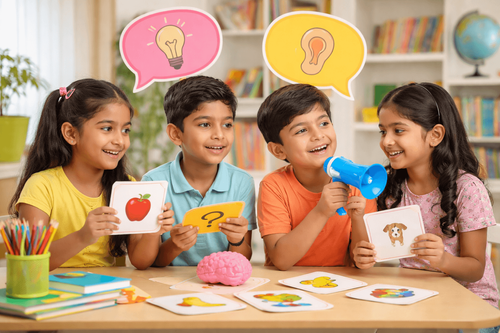
    Receptive language is a child’s ability to understand and make sense of spoken and written language. When parents ask professionals to define receptive language, it simply means how well a child can listen, process, and comprehend words, sentences, and instructions given by others. It is not about how a child speaks, but how they understand what they hear or read.

    Receptive language includes several important skills:

    • Listening attentively to spoken words

    • Understanding vocabulary and sentence structure

    • Following instructions and directions

    • Making sense of questions, stories, and explanations

    • Processing written information while reading

    Children use receptive language in everyday situations such as understanding classroom instructions, following rules during games, listening to stories, and responding appropriately in conversations. For example, when a teacher says, “Open your book to page ten and underline the title,” a child with strong receptive language understands all parts of the instruction without confusion.

    Strong receptive language forms the foundation for learning, reading comprehension, and social interaction. Without it, children may appear inattentive or confused even when they are trying their best.
    what is receptive language

    How Receptive Language Develops in Children

    Receptive language development begins in early childhood and grows steadily as children are exposed to language through conversations, stories, and learning environments. Babies start developing receptive language by recognizing familiar voices and responding to sounds, long before they begin speaking.

    Typical receptive language milestones include:

    • Toddlers: Understanding simple words and basic instructions

    • Preschoolers: Following two-step directions and understanding simple stories

    • Early school years: Comprehending complex sentences and classroom discussions

    • Later school years: Understanding abstract ideas, detailed explanations, and written texts

    As children grow, their listening and comprehension skills become more refined. They learn to understand new vocabulary, recognize meaning from context, and follow longer instructions. Consistent language exposure plays a major role in this development. Talking to children, reading aloud, asking questions, and encouraging discussion all strengthen receptive language skills.

    Examples of Receptive Language in Daily Life

    Receptive language is at work whenever a child understands and processes spoken or written information. Observing everyday situations can help parents identify how well their child’s receptive language skills are developing.

    Common Examples Include:

    • Following Classroom Instructions: A child understands multi-step directions, like “Take out your notebook, write today’s date, and underline the heading.”

    • Understanding Stories and Questions: During reading time, a child can answer questions about a story, recall details, and explain the sequence of events.

    • Responding Appropriately in Conversations: Children understand questions or requests and reply correctly, showing that they processed the information fully.

    • Interpreting Tone, Gestures, and Context: Receptive language also includes understanding non-verbal cues, such as tone of voice or body language, to comprehend meaning beyond words.

    Parents can notice gaps when children seem distracted, misinterpret instructions, or need repeated explanations. Strengthening receptive language improves both academic performance and social interactions. Structured learning platforms like PlanetSpark provide guided exercises and activities to practice these skills in fun, interactive ways, helping children process information accurately and confidently.

    Expressive vs Receptive Language: Key Differences

    Understanding the difference between expressive and receptive language is essential for identifying where a child may need support. While they are closely related, each skill serves a distinct purpose in communication.

    Key Differences:

    • Receptive Language: Focuses on understanding and processing information from others. It involves listening, interpreting, and making sense of words, sentences, and context.

    • Expressive Language: Focuses on sharing ideas, thoughts, and feelings. It includes speaking, forming sentences, storytelling, and using vocabulary to communicate effectively.

    A child may have strong receptive language but struggle with expressive language. For example, they may understand a story perfectly yet have difficulty explaining it in their own words. Conversely, children may express themselves but miss subtle cues from others due to weak receptive skills.

    Help your child understand instructions and express ideas confidently, book a free PlanetSpark demo class today.

    How Both Skills Work Together

    Effective communication requires a balance of both. Strong receptive skills allow a child to understand instructions and conversations, while strong expressive skills help them respond clearly. PlanetSpark’s learning programs focus on enhancing both, using interactive exercises, storytelling, and speaking activities to ensure children can understand and express ideas confidently in all settings.

    Why Receptive Language Is Important for Learning

    Receptive language is the foundation of all learning. When children can understand instructions, questions, and lessons, they can follow along confidently in class and absorb new concepts effectively. Without strong receptive language skills, children may struggle to keep up, even if they are intelligent and motivated.

    Key Areas Impacted by Receptive Language:

    • Reading Comprehension: Understanding what they read requires the ability to process vocabulary, sentences, and context. Children with strong receptive skills can answer questions and recall details accurately.

    • Classroom Participation and Assessments: Children who grasp instructions quickly can actively participate in discussions, answer questions correctly, and complete assignments efficiently. Weak receptive skills may make children hesitant or confused.

    • Memory, Focus, and Problem-Solving: Processing information correctly helps children remember instructions, follow steps, and solve problems logically. Receptive language is closely linked to attention span and cognitive development.

    Supporting receptive language early ensures that children are prepared to handle academic challenges confidently and engage fully in learning activities. Programs like PlanetSpark provide structured exercises to enhance comprehension, listening, and understanding in an interactive way.

    What Is Receptive Language Disorder?

    A receptive language disorder occurs when a child has difficulty understanding and processing spoken or written language, even though their hearing and intelligence may be normal. This disorder affects how children interpret instructions, follow stories, and respond appropriately in conversation.

    Common Signs Parents and Teachers Notice:

    • Frequently asking “What?” or “Can you repeat that?”

    • Difficulty following multi-step directions

    • Trouble understanding stories or explanations

    • Confusing words or instructions

    • Appearing distracted or frustrated during class

    Success Story: Neel Kandul’s Journey to Excellence
    what is receptive language

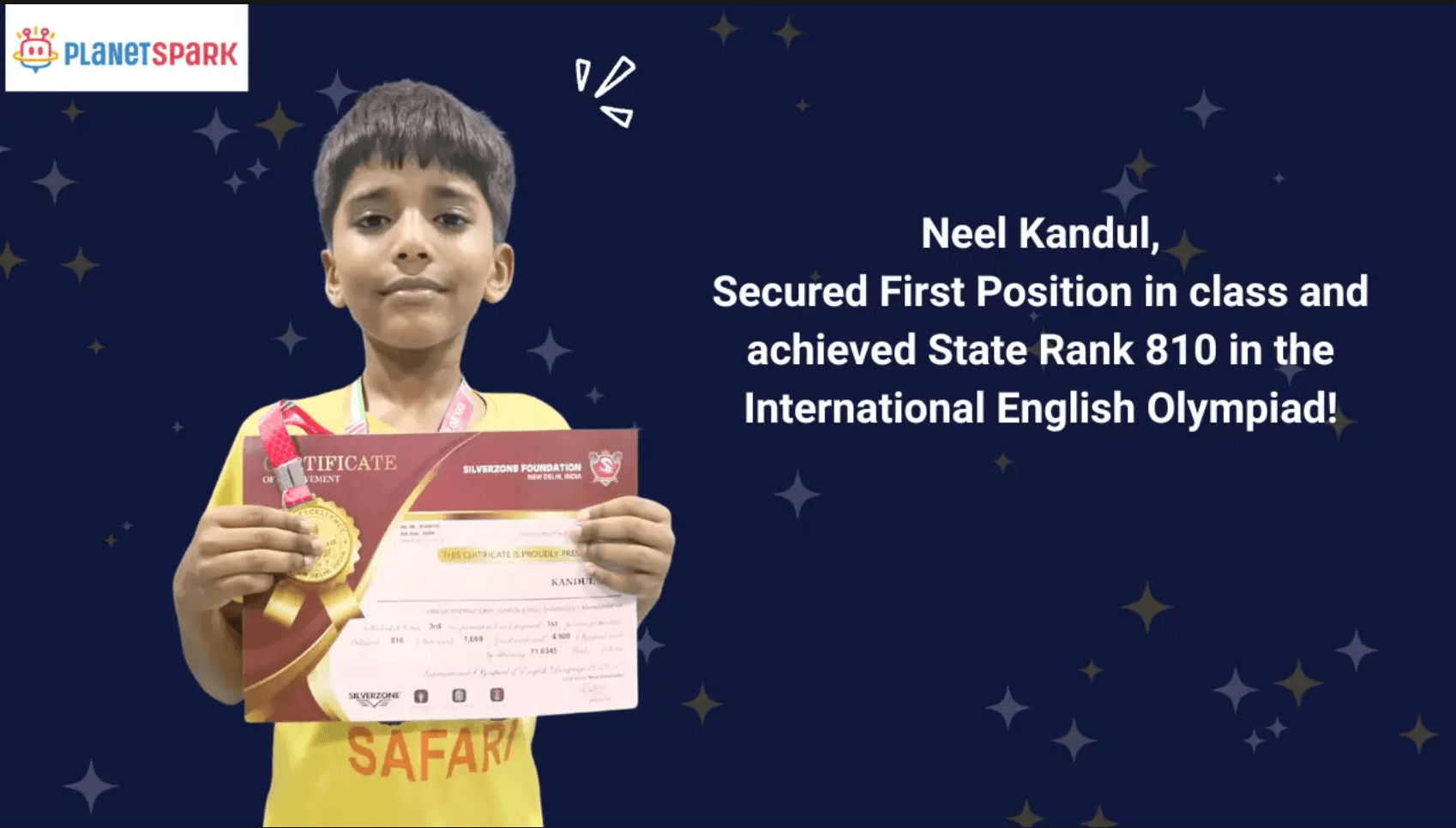
    At just 3 years old, Neel Kandul began his learning journey with PlanetSpark, showing early curiosity for language and communication. With structured guidance, interactive sessions, and age-appropriate activities, Neel steadily built strong listening, speaking, and comprehension skills.

    By the age of 8, his consistent efforts paid off remarkably. Neel secured First Position in his class and achieved an impressive State Rank 810 in the International Olympiad of English Language. This achievement reflects not only his hard work but also the impact of PlanetSpark’s personalized approach to building a strong foundation in English from an early age.

    Neel’s success is a true example of how the right mentoring and regular practice can help young learners gain confidence, excel academically, and stand out at a competitive level

    How It Affects Academics and Confidence

    Children with receptive language disorder often struggle in school because they cannot fully understand lessons or complete tasks independently. This can lead to frustration, low self-esteem, and reluctance to participate in class discussions. Early identification and intervention are critical to help children overcome these challenges.

    Structured programs like PlanetSpark provide personalized guidance to strengthen receptive language through interactive listening exercises, storytelling, and one-to-one support. This helps children improve understanding, build confidence, and engage more effectively in both academic and social settings.
    Causes and Risk Factors of Receptive Language Disorder

    Receptive language disorders can arise due to a variety of developmental, environmental, and neurological factors. Understanding these causes helps parents support children early and seek appropriate interventions.

    Common Causes and Risk Factors:

    • Developmental Delays: Some children naturally take longer to develop listening and comprehension skills, which can affect receptive language.

    • Limited Language Exposure: Children who are not frequently engaged in conversations or storytelling may not develop strong comprehension skills.

    • Hearing Issues: Even mild hearing difficulties can impact a child’s ability to understand words and instructions, especially in noisy environments.

    • Learning or Cognitive Differences: Certain learning differences or neurological conditions may affect processing speed and comprehension.

    • Environmental Factors: Excessive screen time without active conversation can reduce opportunities for children to practice listening and understanding language.

    Identifying the cause early allows parents and educators to implement targeted strategies. With guided support, children can overcome challenges and build strong receptive language skills, which are essential for academic success and social confidence.

    Strengthen your child’s listening and comprehension skills with expert guidance, enroll in PlanetSpark interactive sessions now.

    Role of Parents in Improving Receptive Language at Home

    Parents play a critical role in developing their child’s receptive language skills. The home environment provides the first and most consistent opportunities for children to practice listening, understanding, and processing language.

    Practical Ways Parents Can Help:

    • Engage in Conversations: Ask open-ended questions and encourage your child to describe experiences, events, or feelings. Avoid yes/no questions to promote deeper thinking.

    • Read Aloud Together: Reading stories aloud exposes children to new vocabulary, sentence structures, and ideas. Encourage them to summarize or retell parts of the story in their own words.

    • Create a Language-Rich Environment: Narrate daily activities, explain steps in tasks, and introduce new words in context. Discuss topics of interest to your child to make learning engaging.

    • Active Listening Practice: Play listening games where children must follow multi-step instructions or answer questions based on short stories.

    By incorporating these strategies into daily routines, parents can strengthen their child’s ability to understand instructions, stories, and conversations, building a strong foundation for learning and communication.

    When Should Parents Seek Support for Receptive Language Issues?

    Early identification and intervention are key to helping children overcome receptive language challenges. Parents should monitor their child’s listening and comprehension skills across different settings, including home, school, and social situations.

    Warning Signs to Watch For:

    • Difficulty following multi-step instructions

    • Frequently asking for repetitions or clarification

    • Trouble understanding stories or explanations

    • Appearing confused during conversations or classroom lessons

    • Avoiding participation due to lack of comprehension

    Why Early Intervention Matters

    Children’s language skills develop rapidly in early years. Prompt support can prevent learning difficulties, reduce frustration, and improve confidence. Structured programs like PlanetSpark provide tailored guidance and interactive exercises to strengthen receptive language effectively.

    what is receptive language

    How PlanetSpark Helps Children Strengthen Receptive Language

    • Personalized exercises to target comprehension gaps

    • Engaging listening and storytelling activities

    • Continuous feedback for both parents and children

    • Strategies to reinforce skills at home

    With timely support, children can develop strong receptive language skills that enhance learning, communication, and overall confidence.

    How PlanetSpark Helps Children Strengthen Receptive Language

    Many children struggle to fully understand instructions, stories, or lessons despite paying attention. PlanetSpark addresses this with a structured, interactive approach that builds receptive language skills step by step.

    • Personalized Learning: Each child receives exercises tailored to their comprehension level, ensuring they practice exactly where they need improvement.

    • Interactive Listening Activities: Engaging exercises, stories, and games help children practice understanding spoken language in fun and meaningful ways.

    • One-to-One Expert Guidance: Trainers provide individual feedback, correcting misunderstandings and reinforcing comprehension strategies.

    • Storytelling and Reading Practice: Children learn to follow narratives, recall details, and answer questions confidently.

    • Confidence Building: Structured practice reduces frustration, making children more comfortable following instructions and participating in conversations.

    Conclusion

    Receptive language is a foundational skill that affects how children learn, understand, and communicate. Children who struggle with listening and comprehension may face academic and social challenges, even if they are bright and motivated.

    Parents can make a significant difference by providing a language-rich environment, engaging in conversations, reading aloud, and encouraging children to process and respond to information. Programs like PlanetSpark offer structured, interactive guidance that strengthens receptive language skills, helping children build confidence, improve comprehension, and succeed both in school and in everyday communication.

    Frequently Asked Questions

    Receptive language is the ability to understand and process spoken or written words, instructions, and messages. It helps children follow directions, comprehend stories, and respond appropriately in conversations.

    Receptive language is about understanding information, while expressive language is about sharing ideas, thoughts, or feelings. A child may understand perfectly but still struggle to explain or speak clearly.

    Examples include following multi-step instructions, understanding classroom lessons, answering questions about a story, and interpreting gestures or tone in conversations.

    A receptive language disorder occurs when a child has difficulty understanding or processing spoken or written information, even if their hearing and intelligence are normal. It can affect learning and social interaction.

    PlanetSpark provides interactive listening exercises, storytelling, one-to-one personalized guidance, and confidence-building activities. These structured sessions help children understand instructions, follow lessons, and communicate effectively.

    PlanetSpark uses interactive, speaking-and-listening focused sessions to help children understand instructions, stories, and lessons clearly. Personalized guidance ensures every child progresses at their own pace.

    Yes. PlanetSpark designs lessons according to each child’s current language level, from beginner to advanced, ensuring the content is engaging and appropriate for their comprehension skills.

    Download Free Worksheets

    BOOK YOUR FREE TRIAL

    Loading footer...