
What is Spoken Language?


Table of Contents
- What Is Spoken Language
- Spoken Language and Its Features
- Why Is Spoken Language Important
- How Do We Use Spoken Language Every Day
- Examples of the Most Common Spoken Languages
- Applications and Importance of Spoken Language
- How Children Learn Spoken Language
- Tips for Kids to Speak Better
- How Planetspark Helps Improve Spoken Language
- Final Thoughts on Spoken Language
Spoken language is the most natural and powerful way humans communicate. From children learning their first words to professionals sharing ideas in meetings, spoken language is used everywhere in daily life. It helps people express thoughts, emotions, needs, and opinions clearly through speech.
For kids, spoken language builds confidence, improves understanding, and supports learning in school and social settings. For working professionals, strong spoken language skills help in presentations, teamwork, leadership, and career growth. This is why understanding what is spoken language is important for learners of all ages.
Spoken language is not only about speaking words. It also involves listening carefully, using the right tone, and responding appropriately. It allows people to communicate instantly and create meaningful connections. In this blog, we will explore spoken language in a simple, detailed, and easy-to-understand way for both kids and adults.
What Is Spoken Language
Spoken language is a form of communication where people use spoken words and sounds to share ideas. It happens when one person speaks and another person listens and understands. Unlike written language, spoken language is heard, not read, and usually happens in real time.
Spoken language is the first language humans learn. Children hear spoken words before they learn to read or write. Over time, they begin to understand sounds, form words, and then create sentences. This makes spoken language the foundation of communication and learning.

Key points that explain what is spoken language clearly:
It uses voice, sound, and speech
It happens through conversation and dialogue
It allows immediate response and interaction
It can change based on situation and audience
Spoken language is used in many everyday situations such as talking to parents, answering questions in class, chatting with friends, or explaining ideas at work. It helps people share information quickly and naturally.
Another important part of spoken language is expression. The way something is said can change its meaning. Tone, volume, and speed all play a role in making spoken language effective and understandable.
Spoken Language vs Written Language
| Spoken Language | Written Language |
|---|---|
| Heard through speech | Read through text |
| Instant communication | Can be saved and read later |
| Uses tone and expression | Uses grammar and punctuation |
| More flexible and informal | Often more structured |
Understanding spoken language helps children improve speaking confidence and helps adults communicate clearly in personal and professional life.
Spoken Language and Its Features
Spoken language has certain features that make communication more meaningful and effective. These features help listeners understand not just the words, but also the feelings and intent behind them.
One major feature of spoken language is sound and pronunciation. Clear pronunciation helps listeners understand words easily. When words are spoken clearly, communication becomes smoother for both kids and adults.
Another important feature is tone of voice. Tone shows emotions such as happiness, excitement, anger, or sadness. The same sentence can have different meanings depending on how it is spoken. This makes spoken language more expressive than written language.
Spoken language also includes listening and responding. Communication is successful only when people listen carefully and reply thoughtfully. This two-way interaction makes spoken language dynamic and engaging.
Important features of spoken language include:
Voice and speech sounds
Tone and emotional expression
Speed and clarity of speaking
Listening and responding in real time
Spoken language often changes depending on the situation. A child may speak casually with friends but more politely with teachers. Similarly, professionals adjust their spoken language during meetings, presentations, or informal discussions.
Why Spoken Language Features Matter
Help children express thoughts clearly
Improve understanding in classrooms
Build confidence while speaking
Support teamwork and leadership at work
Real-Life Use of Spoken Language Features
| Situation | Feature Used |
|---|---|
| Classroom learning | Clear speech and listening |
| Storytelling | Tone and expression |
| Group discussion | Turn-taking and response |
| Workplace meetings | Confidence and clarity |
Spoken language and its features help people connect, learn, and communicate effectively. Developing these features early supports both academic success and professional growth.
"Speak with confidence, shine every time!"
Enroll in Planetspark’s Communication Skills Course and boost your speaking skills today.
Why Is Spoken Language Important
Spoken language plays a very important role in learning, personal growth, and professional success. It allows people to express their ideas clearly and understand others better. Whether it is a child asking questions in class or a professional sharing thoughts in a meeting, spoken language makes communication possible.
For children, spoken language helps in developing confidence and social skills. When kids speak regularly, they learn how to express emotions, ask for help, and interact with others. It also supports better understanding of lessons, instructions, and stories. Children who have strong spoken language skills often find it easier to participate in discussions and group activities.
For working professionals, spoken language is essential for teamwork and leadership. Clear spoken language helps professionals explain ideas, solve problems, and build strong relationships at work. It also improves performance during presentations, interviews, and client interactions.
Spoken language is important for many reasons:
Helps share thoughts and ideas clearly
Improves listening and understanding skills
Builds confidence while speaking
Supports learning and memory
Strengthens social and professional relationships
Spoken language also helps in emotional expression. People can share feelings like happiness, worry, or excitement through their voice. This makes communication more human and meaningful.
Importance of Spoken Language in Daily Life
| Area | Importance |
|---|---|
| Education | Helps students understand and ask questions |
| Social life | Builds friendships and social confidence |
| Workplace | Improves teamwork and leadership |
| Personal growth | Boosts self-expression and clarity |
Understanding what is spoken language and why it is important helps both kids and adults use it effectively in everyday situations.
"Your words can change the world!"
Join Planetspark’s Communication Skills Course to express yourself clearly and confidently.
How Do We Use Spoken Language Every Day
Spoken language is used in almost every part of daily life. From morning conversations at home to discussions at school or work, spoken language helps people communicate smoothly and quickly.
At home, spoken language is used to share plans, tell stories, and express needs. Children talk to parents, siblings, and friends to ask questions and share experiences. These conversations help kids learn new words and improve speaking confidence.
In schools and learning spaces, spoken language plays a key role in education. Teachers explain lessons using spoken language, and students respond by asking questions or sharing answers. Group discussions and oral activities help students improve thinking and communication skills.
Spoken language is also widely used in professional life. Meetings, phone calls, presentations, and teamwork all depend on clear spoken language. Professionals use spoken language to explain ideas, give instructions, and collaborate with others.
Common daily uses of spoken language include:
Talking with family and friends
Asking and answering questions
Sharing opinions and ideas
Giving directions or instructions
Participating in discussions
Everyday Examples of Spoken Language Use
| Situation | Example |
|---|---|
| Home | Family conversations |
| School | Classroom discussions |
| Social | Talking with friends |
| Work | Meetings and presentations |
Spoken language allows quick interaction and immediate response, making communication more effective. It helps people connect, understand each other, and work together smoothly.
Using spoken language regularly improves fluency, clarity, and confidence. This is why spoken language is such an important part of everyday communication for both kids and working professionals.
"Confidence begins with clear communication!"
Learn with Planetspark and improve your spoken language step by step.
Examples of the Most Common Spoken Languages
Spoken language exists in many forms across the world. Different countries and communities use different spoken languages to communicate, share culture, and pass on knowledge. These spoken languages may sound different, but they all serve the same purpose of helping people understand each other.
Some spoken languages are used by millions of people every day, while others are spoken by smaller groups. Children usually learn the spoken language they hear at home first. As they grow, they may also learn new spoken languages in school or through interaction with others.
Examples of commonly used spoken languages include:
English
Hindi
Spanish
French
Mandarin Chinese
Arabic
These spoken languages are used in daily conversations, education, business, and media. English, for example, is widely used in schools, offices, and international communication. Hindi is commonly spoken in homes, classrooms, and social settings across India.
Spoken language can also change based on region and culture. The same spoken language may sound different in different places because of accent and pronunciation. This shows how flexible spoken language is.
How Spoken Languages Are Used
| Spoken Language | Common Use |
|---|---|
| English | Education, work, global communication |
| Hindi | Daily conversations, learning |
| Spanish | Social and cultural communication |
| French | Education and formal settings |
| Mandarin | Business and daily life |
Learning about different spoken languages helps children become more aware of the world and helps professionals communicate with people from different backgrounds. Understanding what is spoken language also means understanding how language connects people globally.
"Be heard, be understood, be confident!"
Take Planetspark’s Communication Skills Course to speak confidently in any situation.
Applications and Importance of Spoken Language
Spoken language is used in many areas of life and plays an important role in communication and development. It helps people share information, build relationships, and solve problems effectively.
In education, spoken language supports learning and understanding. Teachers use spoken language to explain concepts, and students use it to ask questions and share ideas. This improves learning and classroom interaction.
In social life, spoken language helps people make friends and express emotions. Children use spoken language to play, cooperate, and communicate their needs. Adults use spoken language to build trust and maintain relationships.
In professional life, spoken language is essential for success. Meetings, interviews, presentations, and teamwork all rely on clear spoken language. Professionals who communicate well often perform better and build stronger connections at work.
Applications of spoken language include:
Classroom teaching and learning
Social interaction and relationship building
Workplace communication and leadership
Public speaking and presentations
Everyday conversations
Why Spoken Language Is Important Across Areas
| Area | Importance |
|---|---|
| Education | Better understanding and participation |
| Social life | Clear expression of feelings |
| Work | Effective collaboration and leadership |
| Personal growth | Confidence and clarity |
Spoken language helps people express ideas confidently and understand others clearly. Its importance grows as communication becomes more interactive in learning and professional environments.
"Great speakers were once learners too!"
Start your journey with Planetspark’s Communication Skills Course today.
How Children Learn Spoken Language
Children learn spoken language naturally by listening and interacting with people around them. From an early age, they observe sounds, words, and expressions, and slowly begin to use spoken language to communicate their needs and thoughts. This learning process happens step by step and improves with regular practice.
At home, children hear spoken language from parents, siblings, and caregivers. These daily conversations help them understand how words are formed and used. Simple talks, storytelling, and asking questions all play an important role in building spoken language skills.
In learning environments, spoken language continues to develop through interaction. Children listen to teachers, respond to questions, and participate in group discussions. This helps them improve pronunciation, sentence formation, and clarity while speaking.
Important ways children learn spoken language include:
Listening to everyday conversations
Repeating words and sentences
Asking and answering questions
Participating in group activities
Storytelling and role-play
Spoken language learning also depends on confidence. When children feel comfortable speaking, they are more likely to express ideas clearly. Supportive environments encourage children to speak without fear of making mistakes.
Factors That Support Spoken Language Learning
| Factor | Role |
|---|---|
| Listening | Helps understand sounds and meaning |
| Practice | Improves fluency and clarity |
| Interaction | Builds confidence and expression |
| Encouragement | Reduces hesitation while speaking |
Understanding what is spoken language helps parents and educators support children in developing strong communication skills that are useful throughout life.
"Express ideas, inspire people!"
Enroll in Planetspark’s Communication Skills Course and enhance your speaking abilities.
Tips for Kids to Speak Better
Improving spoken language is possible with simple and regular practice. Kids can develop better speaking skills by using spoken language in fun and meaningful ways. Small daily efforts can make a big difference in clarity and confidence.
One effective way to improve spoken language is by speaking regularly. Kids should be encouraged to share stories, talk about their day, and express opinions freely. Listening carefully to others also helps improve understanding and response skills.
Reading aloud is another helpful practice. It improves pronunciation, vocabulary, and confidence. Kids can read short stories or sentences and speak them clearly.
Helpful tips to improve spoken language include:
Speak slowly and clearly
Listen carefully before responding
Practice speaking every day
Learn new words through reading and conversation
Speak without fear of mistakes
Simple Daily Habits for Better Spoken Language
| Habit | Benefit |
|---|---|
| Reading aloud | Improves pronunciation |
| Storytelling | Builds confidence |
| Conversations | Enhances fluency |
| Listening | Improves understanding |
Spoken language improves when kids feel confident and supported. With regular use and practice, children can develop strong spoken language skills that help them in learning and social interactions.

How Planetspark Helps Improve Spoken Language
Developing strong spoken language skills requires guidance, practice, and a supportive environment. While spoken language naturally develops over time, structured learning helps children and professionals improve clarity, fluency, and confidence more effectively. Planetspark provides a platform that focuses on making spoken language learning engaging, practical, and results-oriented.
For children, Planetspark helps improve pronunciation, sentence formation, and vocabulary through interactive exercises and regular speaking practice. Kids learn to express themselves confidently in classrooms, at home, and in social situations. By combining listening, speaking, and real-time feedback, Planetspark helps children gradually strengthen their spoken language skills.
For working professionals, Planetspark supports clearer communication in meetings, presentations, and daily conversations. Focused sessions on tone, voice control, and structured speaking help adults communicate ideas more effectively and with confidence.
Key benefits of Planetspark for spoken language development:
Encourages consistent practice of spoken language
Builds confidence in expressing ideas clearly
Focuses on clarity, tone, and pronunciation
Provides interactive and engaging learning methods
Suitable for children and professionals for personal and academic growth
With Planetspark, spoken language becomes a skill that learners can actively use and improve in real-life situations, making communication more effective and confident.
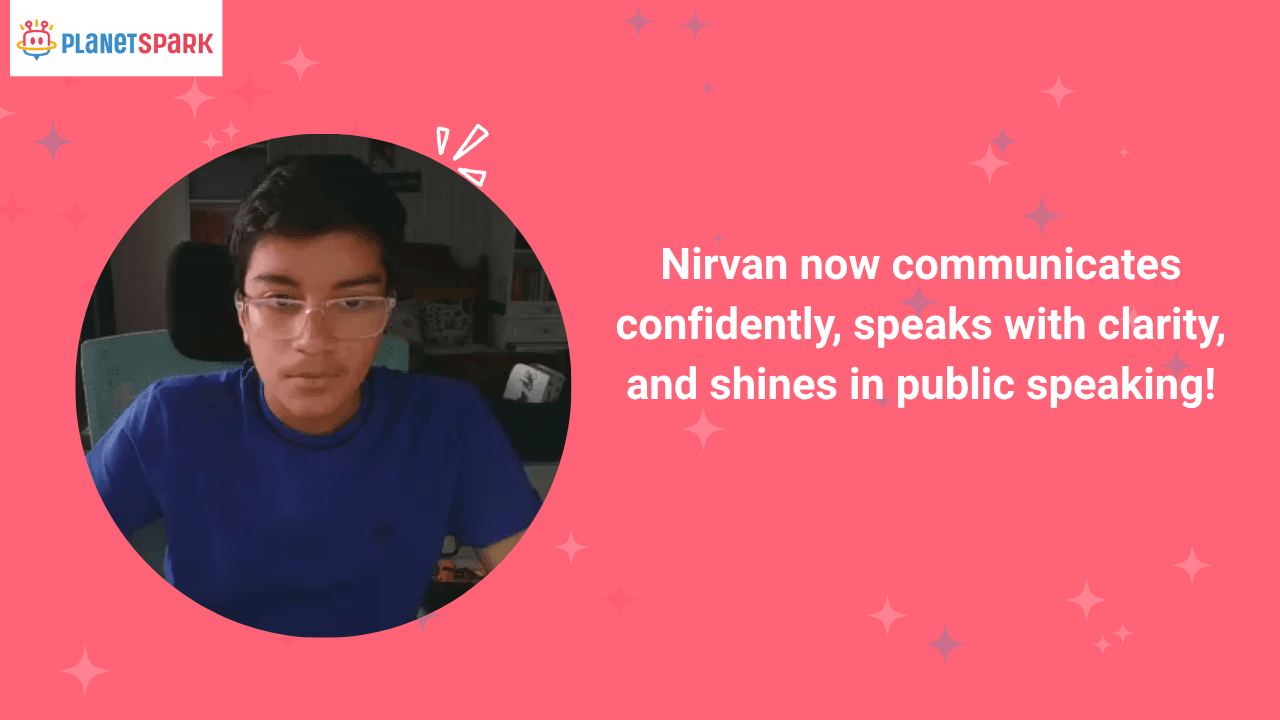
Nirvaan’s Spoken Language Success
Nirvaan, aged 9, has shown remarkable improvement in his communication skills. He now speaks with confidence, expresses his ideas clearly, and excels in public speaking. His journey reflects the power of consistent practice and the impact of developing strong spoken language skills at an early age.
Final Thoughts on Spoken Language
Spoken language is a vital tool for communication that enables people to share thoughts, ideas, and emotions clearly. From children developing confidence and learning new words to professionals presenting ideas effectively, spoken language plays a crucial role in daily life.
Understanding what is spoken language helps learners appreciate its importance in education, social interactions, and professional settings. Features like tone, clarity, and listening make communication meaningful and effective.
By practicing spoken language regularly and using supportive platforms like Planetspark, both children and adults can strengthen their communication skills. Strong spoken language helps learners express themselves confidently, understand others better, and succeed in personal, academic, and professional life.
"Confidence in speech opens doors!"
Join Planetspark’s Communication Skills Course to master effective communication.
Frequently Asked Questions
Spoken language is the way people communicate using words and sounds. It involves speaking and listening in real time to share ideas, thoughts, and feelings.
Spoken language helps children express themselves, understand lessons better, build confidence, and interact with friends and teachers.
Children learn by listening to others, repeating words, asking questions, and practicing speaking in daily conversations.
Yes! Adults can improve through practice, listening carefully, joining communication courses, and speaking regularly in different situations.
Key features include voice, tone, clarity, speed, listening, and responding appropriately. These help make communication clear and meaningful.
Spoken language is heard and often informal, while written language is read, structured, and more formal. Spoken language also uses tone and expression.