
Workplace Skills: Learn different workplace Skills with Confidence


Table of Contents
- What Are Workplace Skills?
- Types of Workplace Skills You Should Know
- How to Improve Communication Skills in the Workplace
- Success Story: Nirvaan, Age 9
- Importance of Soft Skills in the Workplace
- How Workplace Skills Help Build Confidence
- Ways to Develop Workplace Skills Effectively
- Common Workplace Skill Mistakes to Avoid
- Workplace Skills for Career Growth
- Conclusion
Workplace skills are the abilities that help individuals work effectively with others, communicate clearly, and perform their roles with confidence. In today’s fast-changing professional environment, having the right workplace skills is just as important as technical knowledge. Employers look for professionals who can collaborate well, manage time, solve problems, and adapt to new situations.
Developing strong workplace skills not only improves performance but also builds confidence, reduces workplace stress, and opens doors to career growth. This blog explores different workplace skills, explains how to improve communication skills in the workplace, and highlights the importance of soft skills in the workplace to help you succeed professionally.
What Are Workplace Skills?
Workplace skills are the abilities that help individuals perform their jobs effectively and interact professionally with colleagues, managers, and clients. These skills go beyond job-specific knowledge and focus on how a person works, communicates, and adapts in a professional environment.
Definition of Workplace Skills
Workplace skills refer to a combination of behaviors, habits, and abilities that enable employees to work efficiently, maintain positive relationships, and contribute to organizational goals. These skills are useful across industries and roles, making them essential for long-term career success.
Difference Between Technical Skills and Soft Skills
Workplace skills are often divided into technical skills and soft skills.
Technical skills are job-specific abilities such as coding, accounting, data analysis, or using specific software.
Soft skills focus on how you work and interact with others, such as communication, teamwork, leadership, and problem-solving.
While technical skills help you get a job, soft workplace skills help you grow, adapt, and succeed in the workplace.
Examples of Common Workplace Skills
Some widely valued workplace skills include:
Effective communication
Team collaboration
Time management
Critical thinking
Emotional intelligence
Leadership and decision-making
Adaptability to change

Types of Workplace Skills You Should Know
Understanding different types of workplace skills helps professionals identify areas for improvement and build a balanced skill set.
Communication Skills
Communication skills involve clearly expressing ideas, listening actively, and understanding others. Strong communication reduces misunderstandings, improves teamwork, and builds professional relationships.
Teamwork and Collaboration
Teamwork skills help employees work harmoniously with others, respect different viewpoints, and contribute toward shared goals. Collaboration is essential in modern workplaces where tasks often require collective effort.
Problem-Solving Skills
Problem-solving skills allow professionals to analyze situations, identify challenges, and find effective solutions. Employers value individuals who can think critically and handle challenges independently.
Time Management
Time management skills help employees prioritize tasks, meet deadlines, and maintain productivity without stress. Efficient time management improves work quality and work-life balance.
Leadership Skills
Leadership skills are not limited to managers. They include decision-making, motivating others, taking responsibility, and guiding teams toward success.
Adaptability and Flexibility
Adaptability allows professionals to adjust to new tools, roles, and changes in the workplace. Flexible employees handle uncertainty better and stay productive in evolving environments.
How to Improve Communication Skills in the Workplace
Communication skills play a crucial role in professional success. Clear and confident communication helps build trust, prevents conflicts, and improves collaboration across teams.
Why Communication Skills Are Important at Work
Effective workplace communication ensures that ideas are understood, tasks are completed accurately, and expectations are clear. Poor communication can lead to misunderstandings, delays, and reduced team morale. Strong communication skills help employees express opinions professionally and respond appropriately to others.
Book a demo class to build your workplace communication and confidence today.
Verbal Communication Skills
Verbal communication involves speaking clearly, confidently, and respectfully.
To improve verbal communication:
Use simple and professional language
Speak with clarity and confidence
Stay focused on the topic
Adjust your tone based on the situation
Clear verbal communication is especially important during meetings, presentations, and discussions with colleagues or clients.
Non-Verbal Communication
Non-verbal communication includes body language, facial expressions, eye contact, posture, and tone of voice. These cues often convey emotions and attitudes more strongly than words.
Key non-verbal communication tips:
Maintain appropriate eye contact
Use open and confident body posture
Be mindful of facial expressions
Match your tone with your message
Positive non-verbal communication builds trust and professionalism.
Written Communication Skills
Written communication is essential for emails, reports, messages, and documentation. Poor writing can cause confusion and misinterpretation.
To improve written communication:
Keep messages clear and concise
Use proper grammar and formatting
Avoid informal language in professional emails
Review messages before sending
Strong written communication reflects professionalism and attention to detail.
Active Listening Skills
Communication is not only about speaking but also about listening. Active listening means fully understanding the speaker before responding.
Ways to practice active listening:
Avoid interrupting
Pay full attention
Ask clarifying questions
Summarize key points
Good listeners build stronger relationships and reduce workplace conflicts.
Communicating in Team Meetings
Effective communication during meetings ensures productive discussions and better outcomes.
Tips for meetings:
Prepare your points in advance
Speak clearly and stay on topic
Respect others’ opinions
Encourage open discussion
Confident participation shows initiative and leadership.
Handling Feedback and Difficult Conversations
Feedback is a part of professional growth. Learning to give and receive feedback calmly is an important workplace skill.
Accept feedback positively
Respond without defensiveness
Use constructive language
Focus on solutions, not blame
Handling difficult conversations professionally strengthens emotional intelligence.
Tips to Improve Workplace Communication Daily
Practice clear communication regularly
Observe effective communicators
Ask for feedback on communication style
Stay calm and professional in all interactions
Continuously work on listening and empathy
Improving communication skills in the workplace is a continuous process that leads to better performance, stronger relationships, and career growth.
Success Story: Nirvaan, Age 9
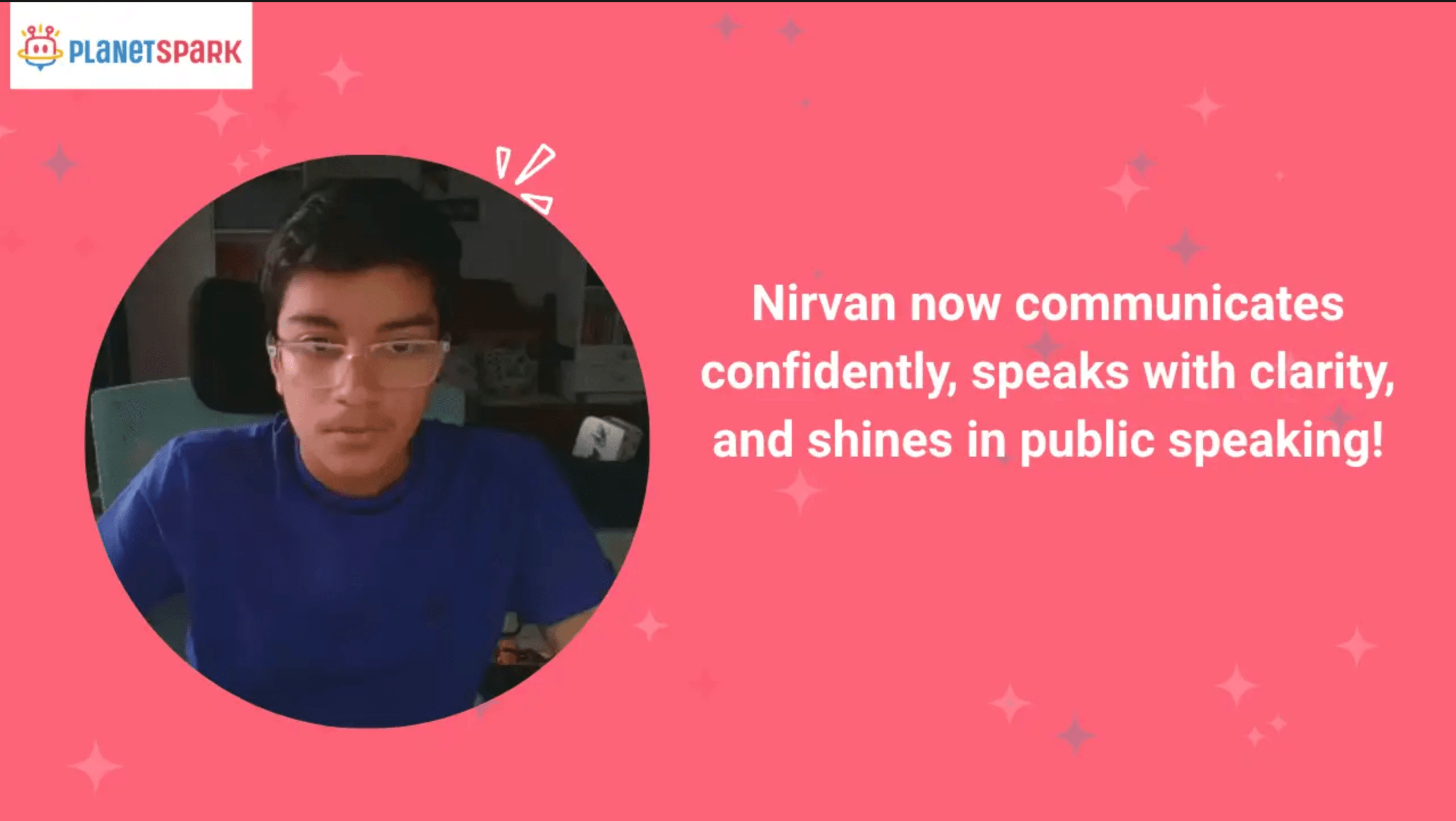
Nirvaan once struggled to express his thoughts clearly in front of others. While he understood ideas well, speaking confidently in group settings and public forums felt challenging. This often affected how comfortably he participated in discussions and presentations.
With structured speaking practice and personalised guidance at PlanetSpark, Nirvaan learned how to organise his thoughts, adjust his tone, and speak with clarity based on the situation. Over time, his confidence grew across classrooms and stage settings.
Today, Nirvaan communicates confidently, speaks with clarity, and shines in public speaking. His progress reflects how focused contextual communication training can help children find their voice and express ideas with confidence
Importance of Soft Skills in the Workplace
Soft skills play a vital role in how professionals interact, adapt, and grow in a workplace. While technical knowledge helps complete tasks, soft skills determine how effectively those tasks are carried out in real-world situations.
What Are Soft Skills?
Soft skills are personal and interpersonal abilities that influence how people communicate, collaborate, and handle challenges at work. These skills focus on behavior, attitude, and emotional intelligence rather than technical expertise.
Why Employers Value Soft Skills
Employers highly value soft skills because they directly impact workplace culture and productivity. Employees with strong soft skills:
Communicate ideas clearly
Work well in teams
Handle conflicts professionally
Adapt easily to change
Such qualities help organizations maintain a positive and efficient work environment.
Soft Skills vs Hard Skills
Hard skills are technical, job-specific abilities such as coding, accounting, or using tools and software.
Soft skills focus on how you work, interact, and respond to situations.
Both are important, but soft skills often determine long-term success and leadership potential.
Key Soft Skills Needed in the Workplace
Some essential soft skills include:
Communication
Teamwork
Problem-solving
Time management
Emotional intelligence
Leadership
How Soft Skills Impact Teamwork and Leadership
Strong soft skills improve collaboration, build trust among team members, and help leaders motivate and guide others effectively. They create smoother workflows and stronger professional relationships.
Book a demo to strengthen confidence, clarity, and professional skills.
How Workplace Skills Help Build Confidence
Developing workplace skills does more than improve job performance, it significantly boosts self-confidence and professional presence.
Skill Development and Self-Confidence
When individuals build strong workplace skills, they feel more prepared to handle tasks and responsibilities. This preparedness naturally increases confidence in meetings, presentations, and daily interactions.
Better Performance and Reduced Stress
Well-developed workplace skills help professionals manage tasks efficiently and meet expectations. This reduces confusion, mistakes, and last-minute pressure, leading to:
Better work quality
Improved focus
Lower stress levels
Confidence grows when work feels manageable and organized.
Improved Professional Relationships
Strong communication, empathy, and teamwork skills help individuals connect better with colleagues and managers. Positive relationships create a supportive environment where individuals feel valued and confident expressing ideas and opinions.
Ways to Develop Workplace Skills Effectively
Workplace skills can be learned and improved with consistent effort and the right approach.
Learning Through Real-Life Practice
Practical experience is one of the best ways to build skills. Taking part in group projects, meetings, and presentations helps apply skills in real situations.
Taking Feedback Positively
Feedback helps identify strengths and areas for improvement. Accepting feedback openly allows professionals to grow faster and refine their skills.
Online Courses and Training Programs
Structured learning programs and online courses provide guidance, practice, and expert insights that help strengthen both soft and professional skills.
Role-Playing and Simulations
Role-playing real workplace scenarios helps improve communication, problem-solving, and confidence in handling professional situations.
Continuous Self-Improvement
Workplace skills require regular practice and reflection. Setting personal goals, observing skilled professionals, and continuously learning ensures steady growth and long-term success.
Common Workplace Skill Mistakes to Avoid
Even capable individuals struggle at work when basic workplace skills are overlooked. Recognising these mistakes early helps build stronger professional habits and confidence.
Poor Communication Habits
One of the most common workplace mistakes is unclear or ineffective communication. This includes speaking without preparation, not listening carefully, or failing to express ideas properly.
Poor communication can lead to:
Misunderstandings with colleagues
Errors in tasks and instructions
Reduced confidence during meetings
Learning how to communicate clearly, listen actively, and respond thoughtfully can prevent these issues and improve workplace relationships.
Ignoring Teamwork
Some individuals focus only on personal performance and ignore collaboration. In most workplaces, teamwork is essential for success.
Ignoring teamwork can result in:
Conflicts with colleagues
Missed deadlines
Lower overall productivity
Strong workplace skills include respecting others’ ideas, sharing responsibilities, and supporting team goals.
Lack of Adaptability
Work environments change frequently. New tools, processes, and expectations are common. Struggling to adapt can slow professional growth.
Lack of adaptability may show as:
Resistance to feedback
Difficulty handling change
Fear of learning new skills
Being open to learning and change helps professionals stay confident and relevant.
Poor Time Management
Missing deadlines or rushing work is often linked to weak time management skills. This creates stress and impacts work quality.
Poor time management leads to:
Increased pressure
Lower productivity
Negative impressions at work
Developing planning and prioritisation skills helps individuals work calmly and confidently.
Workplace Skills for Career Growth
Different career stages require different workplace skills. Building the right skills at the right time supports long-term success.
Skills Needed for Freshers
Freshers entering the workplace often struggle with communication and professional behaviour.
Essential workplace skills for freshers include:
Clear verbal and written communication
Basic teamwork and collaboration
Time management
Willingness to learn
These skills help freshers adjust smoothly to professional environments and build confidence early.
Skills Needed for Working Professionals
As experience grows, expectations increase. Professionals must manage responsibilities, people, and deadlines effectively.
Important skills include:
Advanced communication
Problem-solving
Decision-making
Adaptability
These skills support consistent performance and career stability.
Skills Needed for Leadership Roles
Leadership requires strong interpersonal and emotional skills, not just technical knowledge.
Key leadership workplace skills include:
Effective communication
Emotional intelligence
Conflict management
Motivating and guiding teams
Leaders with strong workplace skills inspire trust, confidence, and productivity.
Conclusion
Workplace skills are essential for professional growth, confidence, and success. They go beyond technical knowledge and include communication, teamwork, problem-solving, adaptability, and emotional intelligence. Strong workplace skills help individuals perform tasks efficiently, interact positively with colleagues, handle challenges with confidence, and advance in their careers.
Building workplace skills is a continuous journey. Practicing real-life scenarios, seeking feedback, and learning through structured guidance can make a significant difference. Whether you are a fresher, an experienced professional, or aiming for leadership roles, mastering workplace skills ensures you stand out, communicate clearly, and adapt confidently to any situation.
By focusing on workplace skills early and consistently, individuals gain confidence, perform better, and open doors to career opportunities and growth. Start developing these skills today and see how they transform professional performance and self-assurance.
Frequently Asked Questions
Workplace skills are abilities that help individuals communicate, collaborate, and perform effectively at work. They are important for career growth, confidence, and professional relationships.
You can improve communication skills by practising verbal and written communication, active listening, presenting ideas clearly, and adapting your tone to different situations.
Soft skills are personal abilities like teamwork, problem-solving, and emotional intelligence. Technical skills are job-specific abilities like coding or accounting. Both are important, but soft skills drive long-term career success.
Workplace skills help individuals express ideas clearly, perform tasks efficiently, handle challenges, and interact positively with colleagues, which naturally increases confidence.
Yes. Learning workplace skills early helps students and freshers communicate effectively, collaborate in teams, manage time, and adapt to professional environments with confidence.
PlanetSpark provides structured guidance, real-life practice scenarios, and personalised feedback to help learners build communication, teamwork, leadership, and other essential workplace skills confidently.