Strong writing skills help children express
their ideas clearly, perform better in school, and communicate with confidence. Many parents ask how to improve writing skills when children struggle with essays, grammar, or organizing their thoughts. Writing does not come naturally to every child, but with the right habits, structure, and guidance, children can learn to write with clarity, creativity, and confidence.
PlanetSpark helps children turn ideas into
clear, confident writing through structured, expert-led learning. Each session focuses on creativity, expression, and measurable improvement in writing skills.
Why Strong Writing Skills Matter for Your Child
Writing is a core skill that affects a child’s academic success and confidence. Children who can write well are better at answering exam questions, structuring essays, and expressing their thoughts clearly in class.
Strong writing skills also help children overcome the fear of the blank page. When children know how to organize ideas, choose the right words, and form clear sentences, writing becomes less stressful and more enjoyable. Over time, this confidence supports communication, presentations, and creative expression across subjects.
5 Proven Ways to Improve Writing Skills
Parents often wonder how to improve my writing skills for children without making writing feel boring or overwhelming. These proven methods focus on building habits, strengthening clarity, and encouraging creativity step by step.
Read Regularly to Build Ideas and Vocabulary
Reading is the foundation of good writing. When children read books, stories, and age-appropriate articles regularly, they are exposed to new vocabulary, sentence structures, and ways of expressing ideas.
Reading helps children understand how sentences flow, how paragraphs are structured, and how stories are developed. Over time, this exposure makes it easier for children to form their own sentences and ideas while writing.
Regular reading also sparks imagination. Children who read more often find it easier to come up with ideas, examples, and descriptions when writing essays or stories.
Some effective reading habits include:
Reading storybooks, comics, and short articles daily helps children build vocabulary and understand how sentences and paragraphs are formed. Exposure to different writing styles allows children to absorb ideas naturally and apply them when they write on their own.
Reading aloud improves expression, pronunciation, and flow. It helps children hear how sentences sound, understand pauses and emphasis, and develop a natural rhythm in both reading and writing.
Discussing stories strengthens understanding and recall. When children talk about characters, events, or ideas from a story, they learn to organize thoughts, explain viewpoints, and remember details skills that directly support clearer and more confident writing.
Practice Daily Writing Through Journals and Stories
Daily writing practice is one of the most effective ways to improve writing skills. Writing regularly helps children become comfortable expressing their thoughts without overthinking or hesitation.
Short, simple writing activities work best. Journaling about daily experiences, writing a few sentences about school, or creating short stories removes pressure and builds consistency.
Daily practice helps children:
Regular writing practice helps children develop fluency and speed in writing, making it easier for them to put thoughts on paper without hesitation. As writing becomes more familiar, children spend less time worrying about how to start and more time expressing their ideas clearly.
With consistent practice, sentence formation improves naturally. Children begin to understand how words fit together, how sentences flow, and how ideas connect, without feeling overwhelmed by grammar rules.
Repetition also builds confidence. Writing regularly allows children to see their own progress, which reduces fear of making mistakes and encourages them to write more freely and confidently over time.
Starting small is important. Even 5–10 minutes of writing a day can lead to noticeable improvement over time.
Use Fun Activities and Games for Creative Expression
Writing becomes easier when children enjoy the process. Fun activities turn writing into a creative outlet rather than a task.
Creative writing games help children experiment with words, ideas, and storytelling without fear of making mistakes. These activities also encourage imagination and originality.
Some engaging writing activities include:
Writing comic strips or dialogues helps children experiment with conversations, expressions, and emotions in a fun and visual way. It encourages them to think about how characters speak and react, which improves creativity and sentence flow.
Creating stories based on pictures or prompts sparks imagination and makes it easier for children to start writing without feeling stuck. Visual cues give children a clear starting point and help them organise ideas into a beginning, middle, and end.
Writing diary entries or letters allows children to express personal thoughts and experiences in their own words. This form of writing feels meaningful and builds comfort with putting ideas on paper regularly.
Role-play writing, such as pretending to be a character, helps children explore different perspectives and voices. It encourages creativity, strengthens storytelling skills, and makes writing feel like play rather than work.
These activities help children see writing as self-expression, which makes them more willing to practice regularly.
Focus on Grammar, Structure, and Proofreading
Good writing is not just about ideas; it also needs structure and clarity. Children benefit from learning how to organise their thoughts before they start writing.
Teaching children to plan, write, and revise helps them understand the writing process instead of rushing to finish. Proofreading encourages attention to detail and helps children learn from their mistakes.
Key focus areas include:
Organising ideas into clear paragraphs helps children present their thoughts in a logical and easy-to-follow way. Learning how to separate ideas into paragraphs makes writing more structured and improves readability.
Using complete sentences allows children to express ideas clearly and accurately. When children practise forming full sentences with a subject and verb, their writing becomes more meaningful and easier to understand.
Revising and correcting simple errors teaches children to review their work carefully. This habit builds attention to detail and helps children learn from mistakes, leading to clearer and more confident writing over time.
When grammar and structure are introduced gradually, children improve accuracy without feeling overwhelmed.
Many parents ask, "How can I improve my writing skills for my child when school feedback is limited?" Expert guidance plays a crucial role in helping children progress faster.
Personalized feedback helps children understand what they are doing well and where they need improvement. Guided practice ensures that writing skills develop in the right direction rather than through trial and error.
With expert support, children:
Gaining clarity on strengths and weaknesses helps children understand what they are already doing well and where they need support. This awareness makes learning more focused and prevents confusion or frustration while practising writing.
Improving faster with focused guidance becomes possible when feedback is specific and personalised. Clear direction helps children work on the right areas, such as sentence structure, vocabulary, or organisation, leading to steady and visible progress.
Building confidence through constructive feedback encourages children to keep trying without fear of mistakes. Positive and supportive guidance helps children feel motivated, valued, and confident in their writing abilities as they continue to improve.
How PlanetSpark Courses Make These Ways Effective
PlanetSpark transforms how students learn to write and communicate with confidence. Through live 1:1 sessions, expert mentors, and structured creative writing activities, learners develop clarity, expression, and storytelling skills.
• 1:1 Expert Coaching Students receive personalized guidance on literary devices and writing techniques.
• Step-by-Step Creative Writing Instruction Learners practice poetry, storytelling, and stylistic tools like anadiplosis.
• Real-Time Feedback and Revision Students improve writing through continuous expert feedback.
• Continuous Progress Tracking Growth is tracked across structure, vocabulary, and expression.
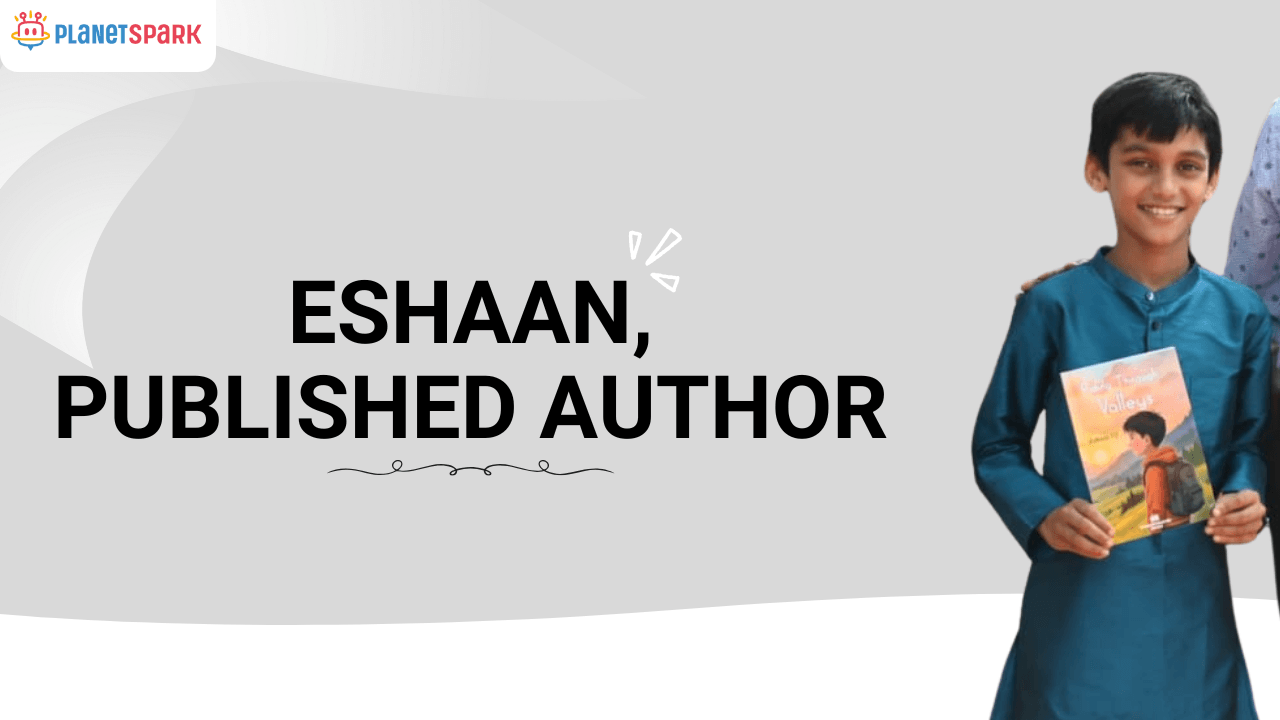
Eshaan’s Journey: From Classroom Creator to Confident Creative Writer
Eshaan, a dynamic Grade 7 learner aged 12, has taken a meaningful step forward in creative writing by transforming classroom activities into original storytelling. What began as guided writing exercises gradually developed into a well-structured storybook, reflecting his imagination, discipline, and growing control over language. Through consistent practice and thoughtful feedback, Eshaan learned how to shape ideas, build narratives, and express creativity with clarity. His journey highlights how focused creative writing practice helps students move beyond basic tasks and develop a strong, confident writing voice.
Building Confident Young Writers for the Future
Improving writing skills is a gradual process that requires patience, regular practice, and the right guidance at every stage. Children need time to explore ideas, experiment with words, and learn how to organise their thoughts clearly. When reading becomes a daily habit, children naturally pick up new vocabulary, sentence patterns, and storytelling techniques. Regular writing practice then helps them apply what they have learned, making writing feel more comfortable and less intimidating over time.
Expert feedback plays an important role in this journey. When children receive clear, constructive guidance, they understand their strengths and learn how to improve specific areas without losing confidence. With PlanetSpark’s structured courses and personalised support, children are guided step by step to build clarity, creativity, and accuracy in writing. This balanced approach helps writing grow from a difficult task into a strong skill, supporting academic success, creative expression, and confident communication throughout a child’s learning journey.
The best ways to improve writing skills in children include regular reading, daily writing practice, fun creative activities, focusing on grammar and structure, and receiving expert feedback. Consistent habits combined with guided support help children write more clearly and confidently.
Start with simple daily activities like reading together, writing short stories, and encouraging journals. Add fun tasks like comic strips, Madlibs, or poetry hunts. These make writing enjoyable and strengthen creativity.
Most children begin showing improvement within a few weeks of consistent practice and mentorship, though progress may vary depending on the child’s starting level.
Reading helps children improve writing skills by expanding vocabulary, understanding sentence structure, and learning how ideas are organized. Children who read regularly find it easier to express their thoughts in writing.
Expert feedback helps children understand their strengths and areas for improvement. Focused guidance allows children to correct mistakes, improve faster, and build confidence through constructive support rather than trial and error.
PlanetSpark courses help improve writing skills through structured learning, live 1:1 guidance, and personalised feedback. Children practise creative writing, storytelling, and clarity in a supportive environment that builds confidence and long-term writing ability.