
Alliteration in Poems with PlanetSpark Creative Writing


Poetry becomes powerful when words don’t just convey meaning but also create music. One of the most effective poetic tools that brings rhythm, flow, and memorability to verses is alliteration in poems. From nursery rhymes to classic poetry, alliteration has helped poets make language engaging, expressive, and fun for readers of all ages, especially students.
For young learners, understanding alliteration meaning is often their first step into appreciating sound-based literary devices. It trains the ear to notice patterns, strengthens vocabulary, and encourages playful experimentation with words. When taught correctly, alliteration transforms writing from ordinary sentences into lively poetic expressions.
This blog explores what alliteration is, why poets use it, and how students can apply it confidently in their own creative writing journeys.
What Are Alliteration in Poems?
Alliteration in poems refers to the repetition of the same starting consonant sound in a sequence of nearby words. This repetition creates a musical quality that makes poems more rhythmic and enjoyable to read aloud.
For example:
“Silver snakes slide silently.”
Here, the repeated “s” sound draws attention and adds a soft, flowing effect to the line.
It’s important to understand that alliteration focuses on sound, not spelling. Words like “city” and “circle” create alliteration even though they are spelled differently, because they begin with the same sound.
In poetry, alliteration is not just decorative—it serves multiple purposes. It can emphasize a mood, highlight a theme, or guide the reader’s emotions. Young poets often enjoy using alliteration because it allows them to play with language while learning how sound and meaning work together.
By mastering alliteration in poems, students begin to think creatively about word choice and sentence rhythm, skills that are foundational to strong creative writing.
Why Is Alliteration Used in Poems?
Alliteration is used in poetry because it makes language memorable, expressive, and emotionally engaging. When sounds repeat, the brain naturally pays more attention. This is why poems with alliteration are often easier to remember than plain text.
One major reason poets use alliteration is to set the mood. Soft consonants like s and l create calm or dreamy effects, while harder sounds like b or t can convey strength, excitement, or tension. Through sound alone, poets guide how readers feel, even before they fully understand the meaning.
Another reason alliteration is valuable is its role in oral reading. Poetry is meant to be heard, not just read silently. Alliteration enhances fluency, making lines roll smoothly off the tongue. This is especially helpful for students developing reading confidence and pronunciation.
For young writers, learning alliteration also builds phonemic awareness. They begin to recognize sound patterns, which improves spelling, reading comprehension, and vocabulary usage. Over time, students stop using alliteration randomly and start using it purposefully—choosing words that match the poem’s tone and message.
Help your child turn simple sentences into expressive poetry.
Alliteration Poem Examples for Kids
Understanding alliteration becomes easier when students see it in action. Below are simple, child-friendly examples that show how alliteration works naturally in poems.
Example 1:
“Busy bees buzzed by the blue blossoms.”
The repeated “b” sound creates a lively, playful rhythm that matches the image of bees moving around flowers.
Example 2:
“Tall trees touched the trembling sky.”
Here, the “t” sound adds strength and height to the imagery, making the scene more vivid.
Example 3:
“Funny frogs flipped and flopped freely.”
The repetition of “f” adds fun and movement, making the poem enjoyable for younger readers.
These alliteration in poems examples show that poetic beauty doesn’t require complicated vocabulary. With the right guidance, students learn how to balance creativity and clarity. Over time, they also learn when not to overuse alliteration, ensuring their writing remains natural and effective.
Additional Alliteration Activities for Students
Beyond reading examples, practicing alliteration actively helps students internalize the concept. Creative writing thrives when learning feels playful rather than forced.
One effective activity is sound brainstorming, where students choose a letter and list as many words as possible that start with that sound. This expands vocabulary while sharpening sound awareness.
Another powerful exercise is sentence transformation. Students take a plain sentence like “The cat ran fast” and rewrite it using alliteration, such as “The curious cat crept quickly.” This teaches them how word choice changes tone and rhythm.
Students can also try mini-poem challenges, where they write two-line poems using a single repeated sound. These short exercises prevent overwhelm while encouraging creativity.
Such activities not only strengthen poetic skills but also improve confidence in self-expression, an essential outcome of creative writing education.
Everyday Examples of Alliteration
Alliteration in poems may sound like a literary concept, but it surrounds us in everyday life. Helping students recognize alliteration beyond poetry makes the concept easier to understand and more exciting to use in their own creative writing. When learners realize that alliteration already exists in conversations, advertisements, and stories they enjoy, it stops feeling like a “rule” and starts feeling like a creative superpower.
Common phrases like “big blue balloon,” “quick question,” or “lazy little lizard” are everyday examples of alliteration. These phrases stick in our minds because repeated sounds make them catchy and rhythmic. Even brand names and slogans rely heavily on alliteration to remain memorable, showing students that sound-based writing has real-world relevance.
In storytelling, alliteration helps describe characters and settings more vividly. A phrase such as “brave, bold brother” instantly creates an impression of confidence, while “soft, silent snowfall” paints a calm, peaceful picture. These sound patterns subtly guide the reader’s emotions, making descriptions more engaging without adding complexity.
For students, practicing everyday alliteration strengthens both creative thinking and language fluency. They learn how to shape sentences intentionally rather than write mechanically. Over time, they also develop a stronger ear for rhythm, which improves poetry, storytelling, and even spoken communication.
By identifying alliteration examples in daily life, learners begin to use the device naturally in poems, paragraphs, and narratives, without forcing it. This is a key goal of creative writing education: helping students write with confidence, clarity, and creativity.
Why Choose PlanetSpark Creative Writing?
Understanding what is alliteration is only the beginning. What truly matters is how students apply it meaningfully in their writing, and this is where structured guidance makes all the difference. PlanetSpark Creative Writing focuses on nurturing creativity while building strong language fundamentals.
At PlanetSpark, students don’t just memorize literary terms; they learn how and when to use them. Concepts like alliteration in poems are taught through interactive exercises, guided writing tasks, and personalized feedback. This ensures learners understand not only the definition but also the purpose behind each technique.
The program encourages students to experiment with sounds, imagery, and emotions in a safe and supportive environment. Whether a child is writing their first poem or refining advanced creative pieces, mentors help them improve sentence flow, vocabulary choice, and expression. This approach builds confidence and originality rather than rigid formula-based writing.
Another strength of PlanetSpark Creative Writing is its focus on holistic communication skills. When students practice poetic devices like alliteration, they also improve pronunciation, articulation, and expressive reading. These skills directly support academic success and public speaking confidence.
Parents appreciate that the curriculum balances creativity with structure. Students are encouraged to explore their imagination while learning essential writing techniques that align with school curricula and beyond. Over time, learners develop a strong writing voice—one that sounds natural, expressive, and impactful.
Genre-Focused Curriculum: Covers diverse forms like stories, poems, essays, reviews, and persuasive letters to build versatile writing skills.
Framework-Based Learning: Students master story arcs, the S.T.O.R.Y structure, 5W1H method, and the PEEL technique for structured writing.
Writing and Speaking Integration: Learners present their written pieces to strengthen expression and storytelling confidence.
Real-Time Editing: Classes emphasize rewriting and refinement through peer reviews and teacher feedback.
Publishing Opportunities: Students can feature their work on PlanetSpark’s blog, e-magazine, or co-authored anthologies for recognition.
Creativity Boosters: Writing prompts, imagination games, and story dice activities nurture originality and creative thinking.
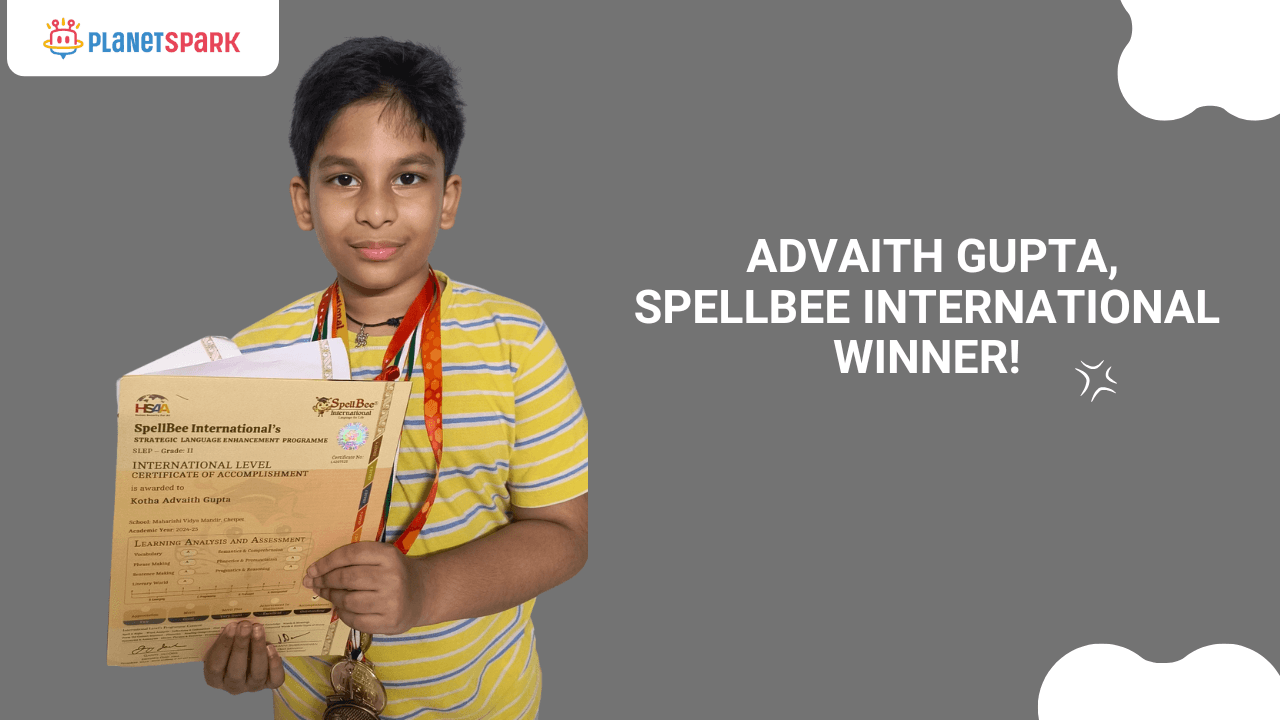
Advaith Gupta – Spelling His Way to Global Recognition!
From mastering vocabulary to shining at SpellBee International, Advaith creates remarkable achievements.
Advaith’s journey shows how strong language foundations can open global opportunities. By developing vocabulary, pronunciation, and word structure skills, he excelled at SpellBee International—standing out among participants worldwide.
His success wasn’t just about spelling difficult words. It was about understanding how language works, how sounds connect, and how confidence grows through practice. These same skills are nurtured through creative writing and public speaking training.
Help your child turn everyday language into expressive writing.
Sign up now with PlanetSpark Creative Writing to build strong literary foundations.
Conclusion
Alliteration in poems is far more than a stylistic device—it is a gateway to expressive, confident, and joyful writing. By understanding alliteration meaning, exploring alliteration examples, and practicing sound-based language regularly, students develop a deeper connection with words and storytelling.
For young learners, alliteration builds essential skills such as phonemic awareness, vocabulary expansion, and rhythmic fluency. These skills support not only poetry but also reading comprehension, storytelling, and spoken communication. When students learn to use alliteration naturally, their writing becomes more vivid, engaging, and memorable.
Creative writing thrives when students feel encouraged to explore language without fear of making mistakes. With the right guidance, techniques like alliteration transform from abstract concepts into practical tools that enhance imagination and expression. This is why structured programs matter, they ensure creativity grows alongside clarity.
PlanetSpark Creative Writing provides students with exactly this balance. Through expert mentorship, interactive learning, and personalized feedback, learners gain the confidence to experiment with literary devices while developing strong foundational skills. Whether your child is just beginning their creative journey or looking to refine their writing, mastering tools like alliteration opens the door to lifelong language confidence.
Loved Learning About Alliteration? Read More & Explore Further
If you enjoyed understanding alliteration meaning and examples, here are related areas students often love exploring next:
Frequently Asked Questions
Alliteration in poems refers to the repetition of the same starting sound in nearby words, such as “silver swan swims softly.” For students, alliteration helps improve phonetic awareness, rhythm, and expressive language. It makes poetry more musical and easier to remember, which is especially helpful for young learners developing reading and writing confidence.
While rhyming focuses on similar ending sounds, alliteration works with beginning sounds. For example, “bright bird” is alliteration, whereas “bright light” is rhyme. Teaching this difference helps students understand multiple sound devices in poetry and use them intentionally rather than mixing techniques randomly.
Children can begin recognizing alliteration as early as ages 5–6 through fun word games and simple poems. As students grow older, especially in grades 3–7, they can actively apply alliteration in poems, stories, and speeches. Early exposure strengthens vocabulary, pronunciation, and creative confidence.
Yes, absolutely. Alliteration enhances clarity, rhythm, and emphasis in spoken language. When students practice sound patterns in poetry, they naturally improve articulation and confidence while speaking. This makes alliteration a powerful tool not only in creative writing but also in debates, storytelling, and presentations.
PlanetSpark uses guided practice, real-time feedback, and creative challenges to teach poetic devices like alliteration. Students don’t just learn definitions—they apply techniques in poems, speeches, and storytelling exercises. This integrated approach strengthens both writing and communication skills.