Bathos figure of speech refers to
a sudden shift from a serious, emotional, or elevated tone to something trivial, ordinary, or humorous. In dramatic writing, bathos is used to surprise the reader by breaking emotional intensity in an unexpected way. Students often encounter bathos in stories, plays, or speeches where a powerful moment is intentionally undercut for effect. Understanding the bathos figure of speech helps students learn how contrast works in writing. When used correctly, bathos can create humor, irony, or emotional depth. When used incorrectly, it can weaken drama.
PlanetSpark helps students understand how to
use bathos with intention so their writing feels controlled, impactful, and expressive. PlanetSpark supports students through structured creative writing guidance. Through live 1:1 sessions, students learn how to use literary devices effectively in dramatic and expressive writing.
What Is Bathos Figure of Speech in Simple Terms
Bathos figure of speech, in simple terms, is when writing builds up a serious, emotional, or dramatic moment and then suddenly shifts to something less serious, ordinary, or unexpected. This sharp contrast surprises the reader and often creates humour or irony. The effectiveness of bathos comes not from complex language but from the sudden drop in emotional intensity. A scene may feel powerful and meaningful at first, and then the unexpected shift changes how the reader reacts.
Students sometimes confuse bathos with mistakes in tone, but true bathos is intentional. Writers deliberately lower the emotional level to achieve a specific effect, such as humour, irony, or emotional contrast. Learning bathos helps students understand how emotional buildup works and how breaking that buildup can create impact. This awareness is especially important in dramatic writing, where tone control plays a key role in shaping reader response.
Bathos Meaning in Writing
Bathos meaning in writing focuses on contrast and emotional control. A writer carefully raises expectations by building seriousness, intensity, or drama, and then deliberately drops them through an unexpected detail or shift in tone. This sudden change can make a scene stand out and stay memorable in the reader’s mind.
When used thoughtfully, bathos adds depth to writing by showing how easily emotions can shift. Strong writers use bathos carefully so the transition feels purposeful rather than accidental. A well-timed emotional drop can strengthen storytelling, while an uncontrolled one can weaken it.
Bathos as a Literary Device
Bathos is a literary device used to create contrast between elevated emotion and ordinary or trivial detail. It often appears in drama, satire, speeches, and storytelling where writers want to challenge emotional seriousness or introduce humour after intensity. By lowering the tone unexpectedly, bathos changes the direction of a scene and the reader’s emotional reaction.
When used correctly, bathos: • creates surprise by breaking emotional expectation • adds humour or irony through contrast • releases emotional tension in a controlled way • makes dramatic moments more memorable
Students need guidance to understand that bathos is effective only when the emotional shift is intentional and well timed. Learning how to control this shift helps students write dramatic scenes that feel purposeful, engaging, and emotionally balanced rather than confusing or inconsistent.
Bathos examples often appear in dramatic scenes that suddenly turn light, ordinary, or trivial. A character may deliver a powerful, emotional speech filled with intensity and seriousness, only to end it with a simple, casual, or humorous remark. This sudden drop in tone changes how the reader experiences the moment. What felt intense a second ago now feels surprising, ironic, or amusing.
This contrast is what makes bathos effective. The reader is pulled into a serious emotional space and then abruptly taken out of it. As a result, the moment becomes memorable. Studying bathos examples helps students recognise how emotional shifts can be used intentionally to shape reader reaction rather than happening by accident.
How Bathos Works in Literature
In literature, bathos works by carefully setting up emotional expectation and then deliberately breaking it. Writers first build seriousness, drama, or emotional depth, encouraging the reader to feel a certain way. Then, they interrupt that emotion with something unexpectedly ordinary or humorous.
This contrast makes the reader pause and reassess the moment. Writers often use bathos to control pacing, release tension, or add irony after emotional buildup. Students who study how bathos works in literature learn that emotional contrast plays a powerful role in storytelling and reader engagement.
Students who analyse bathos examples develop a deeper understanding of how tone influences meaning and how emotional shifts shape reader response.
Bathos vs Pathos in Writing
Bathos and pathos are often confused because both involve emotion, but they serve very different purposes. Pathos aims to create and sustain deep emotion such as sympathy, sadness, or compassion. It draws the reader further into emotional intensity.
Bathos, on the other hand, disrupts emotion by shifting suddenly to something less serious or unexpected. While pathos builds emotion, bathos breaks it. Bathos vs pathos becomes clear when students understand intent. Pathos is used to deepen emotional connection, while bathos is used to interrupt or contrast it.
Understanding this difference helps students avoid accidental tone shifts. When students know whether they want to sustain emotion or interrupt it, their writing becomes more controlled and intentional.
When Bathos Is Used Effectively
Bathos is effective when writers use it deliberately and with clear purpose. It works best when the emotional shift feels intentional rather than random.
Bathos is effective when writers want to: • create humour after seriousness • highlight irony in a dramatic moment • make a scene stand out in the reader’s mind • challenge emotional intensity with contrast
In dramatic writing, bathos should surprise the reader without confusing them. The emotional drop should feel meaningful, not careless. PlanetSpark teaches students how to judge when bathos strengthens writing by adding contrast and when it risks weakening emotional impact.
When Bathos Weakens Dramatic Writing
Bathos weakens dramatic writing when the emotional shift feels accidental or poorly timed. Students may unintentionally introduce bathos by using casual words, jokes, or everyday expressions in scenes that are meant to be serious.
Unintentional bathos can: • reduce emotional impact • confuse the reader about tone • break consistency in dramatic scenes • weaken the overall effect of the writing
Learning bathos figure of speech helps students identify these mistakes. Once students understand bathos, they can revise their writing to either remove accidental tone drops or use them more intentionally.
Why Students Struggle with Bathos
Students often struggle with bathos because managing tone requires practice and awareness. While writing emotionally charged scenes, students may focus on ideas or dialogue and overlook how word choice affects tone. Small changes in language can unintentionally lower emotional intensity.
Without feedback, students may not notice these tone shifts on their own. Guided instruction helps students develop emotional control in writing. With support, they learn how to maintain tone when needed and how to use bathos deliberately when contrast serves a purpose.
Understanding bathos helps students gain control over emotional pacing in their writing. Instead of allowing emotions to rise and fall randomly, students learn how to build tension deliberately and release it at the right moment. This control allows them to shape how readers experience a scene, making dramatic moments feel intentional rather than accidental.
When students understand bathos, they become more confident in handling emotional shifts. They know when to sustain seriousness and when to break it for effect. This awareness strengthens both storytelling and dramatic writing.
Improved writing outcomes include: • better tone control across scenes • stronger and more engaging dramatic moments • clearer emotional contrast that feels purposeful • more confident and controlled storytelling
Students who understand bathos write with greater awareness and purpose. Their writing feels thoughtful, balanced, and emotionally guided rather than inconsistent.
Why Understanding Bathos Matters for Students
Understanding bathos figure of speech helps students write with emotional control and clear intention. It teaches them how sudden tone shifts affect readers and how emotional contrast can either strengthen or weaken a scene. This knowledge helps students make conscious choices while writing instead of relying on instinct alone.
A strong understanding of bathos supports: • more effective dramatic writing • clearer tone management throughout a story • purposeful use of contrast to shape emotion • confident and expressive creative writing
Students who master bathos learn to guide reader emotion with precision. As a result, their writing becomes more impactful, engaging, and confident across both academic and creative contexts.
About PlanetSpark
PlanetSpark transforms how students learn to write and communicate with confidence. Through live 1:1 sessions, expert mentors, and structured creative writing activities, learners develop clarity, expression, and storytelling skills.
• 1:1 Expert Coaching Students receive personalized guidance on literary devices and writing techniques.
• Step-by-Step Creative Writing Instruction Learners practice poetry, storytelling, and stylistic tools like anadiplosis.
• Real-Time Feedback and Revision Students improve writing through continuous expert feedback.
• Continuous Progress Tracking Growth is tracked across structure, vocabulary, and expression.
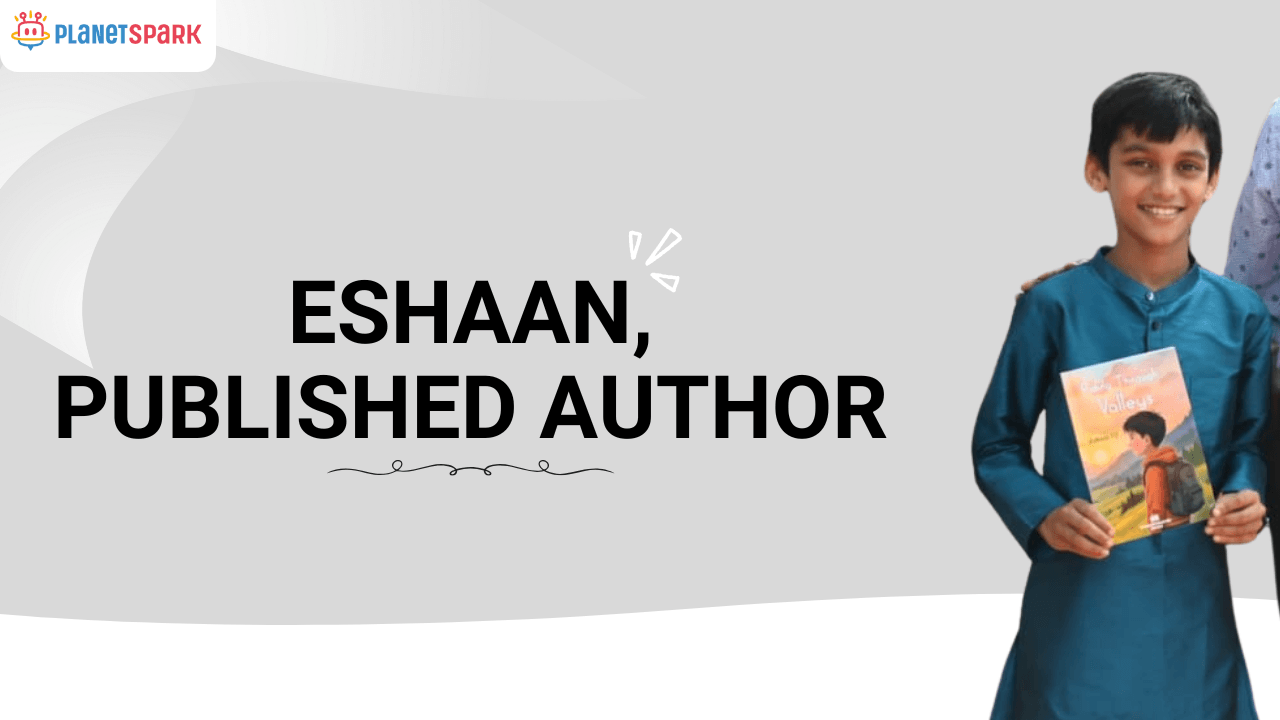
Eshaan’s Journey: From Classroom Creator to Confident Creative Writer
Eshaan, a dynamic Grade 7 learner aged 12, has taken a meaningful step forward in creative writing by transforming classroom activities into original storytelling. What began as guided writing exercises gradually developed into a well-structured storybook, reflecting his imagination, discipline, and growing control over language. Through consistent practice and thoughtful feedback, Eshaan learned how to shape ideas, build narratives, and express creativity with clarity. His journey highlights how focused creative writing practice helps students move beyond basic tasks and develop a strong, confident writing voice.
Final Thoughts on Bathos Figure of Speech
Bathos figure of speech is a powerful tool in dramatic writing when used with awareness and intention. It teaches students how emotional contrast works and how sudden shifts in tone can influence a reader’s experience. By understanding bathos, students learn that writing is not just about what is said, but how emotional buildup and release are managed within a scene.
PlanetSpark’s structured creative writing coaching helps students understand and apply bathos effectively through guided practice and expert feedback. This step-by-step approach builds confidence, control, and expressive clarity. As a result, students are prepared to write with purpose across academic assignments and creative writing contexts, using tone and contrast thoughtfully to engage their readers.
Bathos is a figure of speech in which writing suddenly moves from a serious, emotional, or dramatic tone to something ordinary or humorous. This unexpected drop creates surprise and often irony. The effect comes from contrast, not complicated language. Writers use bathos to change how readers emotionally react to a moment.
Pathos aims to build and sustain strong emotions such as sympathy, sadness, or compassion. Bathos interrupts that emotion by suddenly lowering the tone. While pathos pulls the reader deeper into feeling, bathos breaks emotional intensity on purpose. Understanding this difference helps students manage tone more effectively.
Writers use bathos to control emotional pacing and surprise the reader. It can release tension after a serious moment or highlight irony through contrast. When used intentionally, bathos makes scenes more memorable. It also adds depth by showing how quickly emotions can shift.
Yes, bathos can weaken writing if it happens unintentionally. Accidental tone drops can confuse readers and reduce emotional impact. This often occurs when casual language appears in serious scenes. Learning bathos helps students identify and correct these tone breaks.
Bathos examples often appear when a powerful speech or emotional moment ends with a trivial or humorous detail. This sudden shift changes how the reader feels about the scene. Writers use this technique to create irony or humour. Studying these examples helps students understand emotional contrast in storytelling.
Learning bathos helps students gain control over tone and emotional shifts. They become more aware of how word choice affects reader response. This awareness leads to stronger dramatic writing and clearer emotional structure. As a result, students write with greater confidence and intention.