
Improve Writing with Cleft Sentences at PlanetSpark


Table of Contents
- Understanding Cleft Sentences and Why They Matter
- Types of Cleft Sentences Students Must Learn
- How Cleft Sentences Improve Clarity in Student Writing
- Cleft Sentences Examples for Young Writers
- Practicing Cleft Sentences to Improve Creative Writing
- About PlanetSpark
- Final Thoughts on Building Mastery of Cleft Sentences
Cleft sentences help children add clarity,
emphasis, and expressive depth to their writing. Parents searching for cleft sentences or cleft sentence examples often want their child to write with stronger focus, richer detail, and more control over sentence structure. This guide explains cleft sentences in a simple, creative writing–friendly way, showing how they help young writers shape ideas more powerfully.
PlanetSpark’s Creative Writing Program teaches children how to use cleft sentences to structure thoughts clearly, highlight important details, and build engaging narratives with confidence.
Understanding Cleft Sentences and Why They Matter
Cleft sentences allow writers to manage emphasis by dividing information into two clear parts. This structure helps children highlight the most important idea in a sentence, making writing more expressive and purposeful. In creative writing, emphasis matters because it guides the reader’s attention and strengthens the emotional impact of a scene.
Many children write in flat or repetitive patterns because they rely only on basic sentence types. Introducing cleft sentences gives them a new way to organize meaning, especially when describing characters, settings, emotions, or dramatic events in stories.
What Cleft Sentences Meaning Refers To
"Cleft sentences" refers to sentences that are split into two connected clauses to emphasize a specific piece of information. For example, it was Maya who found the hidden key, shifting attention to Maya, making her the central focus of the moment.
This structure helps students bring clarity and intention into their writing. Instead of overwhelming the reader with details, cleft sentences allow children to highlight what truly matters. This improves creative writing flow, strengthens descriptions, and adds depth to storytelling.
Why Students Struggle With Cleft Sentence Structure
Students often struggle with cleft sentences because they require deliberate thought about emphasis. Many young writers write based on instinct, not structure, so shifting focus within a sentence feels unfamiliar. Some confuse cleft sentences with complex sentences or cannot decide which part of the idea deserves emphasis.
With guided practice, children learn how to choose the right detail to highlight, giving their writing greater emotional weight and narrative direction. Understanding cleft sentence examples in context helps them internalize the structure and apply it confidently.
Types of Cleft Sentences Students Must Learn
Creative writing improves significantly when children understand all forms of cleft sentences because each type allows them to shape meaning in a unique and expressive way. Instead of relying on simple, predictable sentences, students learn how to control emphasis, shift the reader’s attention and create a sense of rhythm that strengthens storytelling. Different cleft structures help them vary tone, highlight emotions, reveal important details and build narrative tension. This variation prevents writing from feeling flat or repetitive, allowing young writers to create more engaging scenes and stronger emotional impact.
When children recognize how each cleft form works, they begin to choose structures intentionally. This awareness leads to better clarity, more expressive narration and a deeper understanding of how to direct the reader’s focus. Over time, cleft sentences become a tool they can use to enhance character descriptions, reveal discoveries or emphasize dramatic moments in their stories.
It Cleft Sentences
It cleft sentences use the structure It is or It was to emphasize the most important element of a sentence. This helps children dramatically shift attention toward a character, object or event they want to highlight. In creative writing, this technique is especially useful when describing plot twists, surprises or key narrative moments.
For example
It was the old map that changed their adventure.
This structure allows the writer to signal to the reader that the old map holds significance. By foregrounding important details, students learn how to manipulate pacing and create stronger emotional impact. It cleft sentences also help them break away from overly simple sentence patterns and adopt a more mature writing style.
Wh Cleft Sentences
Wh cleft sentences begin with words such as what, where, why or how. These structures are ideal for descriptive passages, explanations, internal reflections or mysterious scenarios. They help young writers reveal information slowly, encouraging curiosity and engagement.
For example
What the forest hid was a secret cave.
This form naturally builds suspense because the emphasis falls on the hidden element. It encourages students to think about what is being revealed and how it contributes to the atmosphere of the story. Wh cleft sentences therefore improve story tone, add depth to narrative scenes and support expressive writing across genres.
Join now with PlanetSpark to help your child turn ideas into powerful stories.
Pseudo Cleft Sentences
Pseudo cleft sentences emphasize a discovery, an identity or an outcome, making them powerful tools for emotional writing. They allow writers to highlight what matters most in a scene by presenting the core idea after a buildup.
For example
What she feared most was losing her sketchbook.
This structure creates emotional weight by showing the reader the character’s deepest concern. It strengthens inner dialogue, builds character motivation and deepens conflict within the story. Pseudo cleft sentences help children write with vulnerability and purpose, making their narratives feel more heartfelt and expressive.
How Cleft Sentences Improve Clarity in Student Writing
Cleft sentences help students organize thoughts and create emphasis without rewriting entire paragraphs. Instead of relying on basic sentence structures, children learn how to highlight meaningful details, shift tone and guide the reader’s attention with purpose. This transforms ordinary sentences into expressive lines that carry mood, tension or significance.
By learning how to restructure a sentence using cleft forms, young writers gain better control over storytelling flow. They begin to understand that the way a sentence is shaped can change how a moment feels, how a character is perceived or how an event unfolds. This ability adds sophistication and clarity to their creative writing, helping them produce work that feels intentional and engaging.
Emphasis and Focus in Student Sentences
Creative writing becomes more engaging when young writers guide the reader’s attention intentionally. Cleft sentences allow children to choose the exact element they want to emphasize, whether it is a character’s action, an emotional reaction or a pivotal moment in the plot.
For example
It was his courage that saved the team.
This structure highlights courage as the key idea, making the moment more impactful. By practicing cleft sentences, children learn how to reveal theme, character traits or story meaning with greater precision. This also helps them avoid vague descriptions and express the heart of a scene clearly.
Cleft sentences give young writers a powerful tool to elevate the emotional quality of their stories. When used at the right moment, they sharpen the message and help readers connect more deeply with the narrative.
How Cleft Sentences Help Students Explain Ideas More Clearly
Students often struggle to clarify why an event matters or how emotions influence a character’s choices. Cleft sentences help them break complex ideas into manageable parts and present them in a structured, expressive way. Instead of writing long, confusing lines, they learn to isolate the most significant detail and build the sentence around it.
This structure supports narrative clarity by separating the main idea from supporting information. It encourages stronger thematic writing because children begin to think about what they want the reader to notice and why that detail is important. As a result, they express character growth, conflict outcomes or emotional shifts more convincingly.
By practicing cleft sentences, young writers develop expressive confidence and learn to articulate deeper meaning in their stories. This strengthens both creative fluency and overall communication skills.
Cleft Sentences Examples for Young Writers
Examples help children understand how cleft sentences appear naturally in creative writing. When students see cleft structures used in stories, descriptions and character moments, they begin to recognize how emphasis can shape meaning. They learn how writers highlight discoveries, show emotion, build tension or express character motivations through structured emphasis. This awareness helps them apply cleft sentences purposefully in their own writing, making scenes more vivid and expressive.
By practicing with both simple and advanced cleft sentences examples, children understand how emphasis can strengthen storytelling and improve the emotional and thematic impact of their work.
Simple Classroom Examples
Simple cleft sentences help beginners see how shifting emphasis can change how a sentence feels. These examples allow young learners to experiment with structure without feeling overwhelmed by complexity.
Examples include
It was my friend Karan who solved the riddle.
What surprised us was the hidden passage.
These structures help children see how the focus moves toward the highlighted element. As they practise, they learn how emphasis guides the reader and supports the story’s direction. Simple cleft sentences are especially useful for early creative writing exercises, allowing students to express intention clearly while building foundational skills.
Book a free demo class with PlanetSpark and watch your child write with clarity and imagination.
Advanced Creative Writing Examples
More advanced examples support storytelling depth and expressive detail. Older students can use cleft structures to add suspense, reveal key information or build emotional resonance within a scene.
Examples include
It was at sunset that the truth finally emerged.
What the village feared most was the coming storm.
These sentences help older students create stronger narrative tension and emotional complexity. They begin to understand how emphasis can influence pacing, tone and atmosphere. Advanced cleft sentences allow writers to add subtlety and sophistication to their work, making stories feel more polished and compelling.
Using Cleft Sentences Correctly in Creative Writing
Cleft sentences add professionalism and maturity to a child’s writing when used correctly. They help students control the flow of ideas and highlight meaningful moments without relying on repetition or direct statements. With consistent practice, children learn how to identify the core idea they want to emphasize and reshape the sentence around it to enhance clarity and emotional impact.
This skill is especially valuable in creative writing, where the placement of details can influence the reader’s experience. Learning to choose the right moment for emphasis teaches students to think more intentionally about structure and meaning.
Common Writing Mistakes and How to Fix Them
Many children overuse cleft sentences or apply them in places where no emphasis is needed. Others may misunderstand the structure and create sentences that feel unnatural, abrupt or overly dramatic. Some students also attach cleft structures to incomplete ideas, making the writing confusing.
Guided instruction helps children understand when cleft sentences strengthen meaning and when they distract from the story. With feedback and examples, young writers learn to maintain flow and ensure the emphasis supports their narrative purpose rather than dominating it. Correcting these mistakes early helps students develop a strong sense of rhythm and balance in their writing.
Rules Students Should Follow for Effective Usage
Students should
identify the key detail they want to emphasize
ensure both clauses form a complete, meaningful idea
maintain natural pacing within the sentence
use cleft sentences sparingly and thoughtfully
Understanding these rules helps cleft sentences become a powerful tool instead of a repeated pattern. When used with intention, cleft structures elevate writing quality, helping young writers create stronger stories with clearer focus and expressive depth.
Practicing Cleft Sentences to Improve Creative Writing
Cleft sentences become easier when children practice them in short, meaningful exercises that feel natural rather than mechanical. Small creative challenges help young writers explore emphasis, tone and focus without feeling overwhelmed by grammar rules. These exercises show children how a simple shift in sentence structure can dramatically change the emotional weight or clarity of their writing. With repeated practice, cleft sentences become a familiar tool they can use to strengthen stories, highlight important ideas and communicate more effectively.
Daily Creative Writing Exercises for Children
Daily tasks may include rewriting dull sentences into expressive cleft structures, using cleft sentences to describe a character or turning simple moments into dramatic lines. For example, students can transform a basic sentence like She opened the door into a more emphasized structure such as It was she who opened the door.
These short exercises improve creative fluency by helping children see how emphasis works in context. They learn how cleft structures can highlight a character’s emotion, reveal a significant moment or shift attention to the most meaningful detail. Over time, these simple activities help children recognize emphasis naturally while writing, which strengthens both confidence and control in creative expression.
Why Guided Creative Writing Coaching Leads to Stronger Expression
Many children understand ideas well but struggle to express them with clarity and impact. They may have imaginative thoughts but lack the structural tools needed to communicate them effectively. Guided coaching helps students break down ideas, choose the right details and structure sentences with intention.
A mentor can show children when a cleft sentence strengthens the emotional quality of a moment and when another structure may be more effective. With personalized feedback, children learn how to balance creativity with clarity, ensuring that their writing is expressive without becoming confusing or repetitive. Guided support helps young writers master cleft sentences as part of a broader creative writing toolkit, enabling them to craft stories that are compelling, focused and confidently written.
About PlanetSpark
PlanetSpark transforms how children learn to communicate with confidence. Through live one to one sessions, expert mentors, and immersive speaking activities, learners develop clarity, confidence and expression. Every session is designed to help students speak effectively, listen attentively and connect meaningfully in real conversations.
1:1 Expert Coaching
Students receive focused guidance on voice, tone and articulation from certified communication coaches.
Real-World Speaking Practice
Interactive debates, storytelling sessions and discussions enable learners to apply communication skills in real time.
Video Feedback and Analysis
Learners review their recorded performances with mentors to refine body language, gestures and delivery.
Leadership and Expression Focus
Each lesson helps students build stage confidence, emotional awareness and authentic self-expression.
Continuous Growth Tracking
Progress is consistently measured through performance insights that strengthen communication at every level.
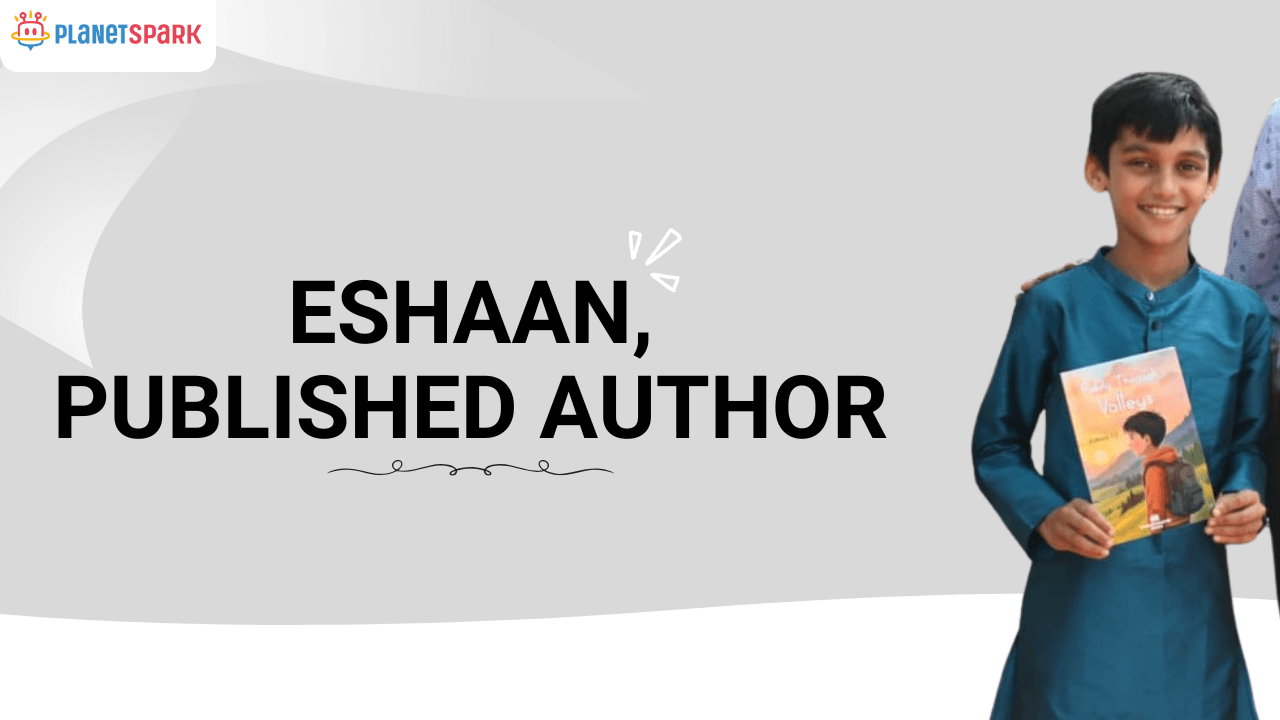
Eshaan’s Journey: From Classroom Creator to Published Young Author
Eshaan, a dynamic Grade 7 learner aged 12, has taken a remarkable leap as he has officially become a published author. What began as a simple classroom writing activity grew into a captivating storybook that showcases his creativity, discipline and evolving mastery of written expression. With consistent practice and a strong focus on clarity, Eshaan transformed everyday writing tasks into a meaningful literary achievement that reflects his dedication to stronger language skills.
Final Thoughts on Building Mastery of Cleft Sentences
Cleft sentences help children write with clarity, purpose and expressive emphasis. When used effectively, they transform simple lines into impactful sentences that highlight important details and bring stories to life. With consistent practice, children learn to structure their ideas thoughtfully and build narratives that feel clear, engaging and emotionally resonant.
Mastering cleft sentences early strengthens creative writing skills, improves sentence flow and enhances a child’s ability to communicate meaningfully across subjects. When supported by expert coaching, young writers develop confidence, expressive range and a strong foundation for advanced writing skills.
Book a free demo class with PlanetSpark and watch your child write with clarity and imagination.
Frequently Asked Questions
Cleft sentences divide information into two parts to emphasise the most important detail. In creative writing, they help children highlight emotions, actions or discoveries with greater clarity. This improves sentence impact and strengthens expressive storytelling. With regular exposure, students learn how to use emphasis intentionally rather than by guesswork.
Cleft sentences improve writing by guiding the reader’s attention toward the key idea in a sentence. Children learn to express meaning with clarity, precision and stronger emotional focus. This helps them write more engaging stories and descriptive scenes. Over time, cleft sentences also build stronger sentence variety, which makes writing feel more polished and mature.
Examples include It was my friend Karan who solved the riddle, and what surprised us was the hidden passage. These cleft sentence examples help beginners understand how emphasis modifies meaning. Practicing such examples teaches children how to highlight discoveries or important moments clearly within their writing.
Students should use cleft sentences when they want to highlight a character, emotion, or event. These structures work well in dramatic scenes, emotional reflections, and descriptive visuals. Using them intentionally enhances clarity and narrative impact. They also help young writers create smoother transitions between ideas and improve story flow.
It-cleft sentences emphasize a specific person or thing, while wh-cleft sentences emphasize an idea, action, or situation. Learning both types helps children vary tone, improve rhythm, and add expressive detail to their writing. With practice, they learn which form suits the emotion or focus they want to convey in a scene.
Many children find cleft structures confusing or overuse them without purpose. Guided practice helps them choose the right moments for emphasis and structure sentences accurately. With expert coaching, students gain confidence, improve clarity, and strengthen their creative writing skills. This support helps them build long-term control over expression and sentence design.