
Comprehensive Writing: How to Build Strong and Effective Writing Skills
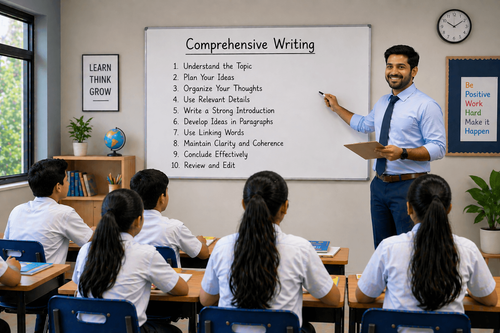

Table of Contents
- What is Comprehensive Writing?
- Why Comprehensive Writing Skills Matter Today
- Core Elements of Comprehensive Writing
- Writing Skills Development: Step-by-Step Process
- Structured Writing Techniques for Better Results
- How to Improve Writing Skills Daily
- Daily Habits That Work
- Common Writing Mistakes and How to Fix Them
- Effective Writing Methods for Different Formats
- How Kids Can Build Strong Writing Skills
- Best Methods for Kids
- How Adults Can Improve Writing Skills
- The Role of Critical Thinking in Comprehensive Writing
- Tools That Help Writers
- Self-Assessment Checklist for Writers
- Advanced Tips to Become an Exceptional Writer
- How Long Does It Take to Improve Writing?
- PlanetSpark Creative Writing Course for Stronger Communicati
- Build Writing Skills That Last
Comprehensive writing means expressing ideas clearly, logically, and purposefully for any audience or format. It combines creativity, grammar, structure, tone, and critical thinking to produce impactful content. In this blog, you will learn practical strategies for writing skills development, structured writing techniques, and effective writing methods that help students, professionals, kids, and adults write better every day. From planning and drafting to editing and polishing, this guide covers everything needed to improve writing skills in a measurable way.
What is Comprehensive Writing?
Comprehensive writing is more than writing grammatically correct sentences. It is the ability to communicate complete ideas in a clear, engaging, and organized way.
It includes:
- Clear purpose
- Logical flow of ideas
- Correct grammar and punctuation
- Strong vocabulary
- Reader-focused tone
- Creativity and originality
- Proper formatting
- Editing and revision
A comprehensive writer can create essays, blogs, emails, reports, stories, speeches, and academic answers with confidence.
Why Comprehensive Writing Skills Matter Today
Writing is a core life skill. Whether you are in school, college, business, freelancing, or content creation, strong writing creates opportunities.
Key Benefits of Strong Writing Skills
Academic Success
Students write assignments, essays, exams, projects, and applications.
Career Growth
Professionals write emails, proposals, reports, presentations, and LinkedIn content.
Better Thinking
Writing helps organize thoughts, analyze ideas, and solve problems.
Stronger Communication
Clear writing avoids misunderstandings and builds trust.
Personal Branding
Writers stand out online through blogs, newsletters, and social media.
Creative Expression
Writing allows storytelling, journaling, poetry, and self-expression.
Core Elements of Comprehensive Writing
1. Clarity
Your reader should understand your message instantly.
Use:
- Short sentences where possible
- Specific words
- Direct statements
- Clear examples
Avoid:
- Confusing jargon
- Repetition
- Long, tangled sentences
2. Structure
A good structure guides the reader.
Basic format:
- Introduction
- Main points
- Evidence or examples
- Conclusion
3. Relevance
Every sentence should support your topic or purpose.
Ask:
- Does this point help the reader?
- Is this example necessary?
- Is this information current?
4. Grammar and Accuracy
Errors reduce credibility.
Focus on:
- Tenses
- Subject-verb agreement
- Punctuation
- Sentence formation
- Spelling
5. Tone and Voice
Tone should match the audience.
Examples:
- Formal for reports
- Friendly for blogs
- Persuasive for sales copy
- Creative for stories
6. Engagement
Keep readers interested.
Use:
- Questions
- Examples
- Stories
- Strong openings
- Useful takeaways
Writing Skills Development: Step-by-Step Process
Step 1. Understand Your Purpose
Before writing, ask:
- Why am I writing?
- Who will read this?
- What action should the reader take?
Common purposes:
- Inform
- Persuade
- Entertain
- Explain
- Reflect
Step 2. Know Your Audience
Audience shapes language, tone, and detail.
Examples:
For Kids
Use simple words, relatable examples, and fun tone.
For Professionals
Use concise language, data, and action points.
For General Readers
Balance simplicity with depth.
Step 3. Research and Gather Ideas
Good writing needs substance.
Sources may include:
- Books
- Reports
- Case studies
- Interviews
- Personal experience
- Trusted websites
Tip: Note sources and organize ideas before drafting.
Step 4. Create an Outline
Outlining saves time and improves flow.
Example:
Topic: Benefits of Writing Daily
- Introduction
- Improves clarity
- Builds vocabulary
- Boosts confidence
- Helps creativity
- Conclusion
Step 5. Write the First Draft
The first draft does not need perfection.
Focus on:
- Getting ideas out
- Following your outline
- Maintaining momentum
Do not over-edit while drafting.
Step 6. Edit for Quality
Review:
- Clarity
- Grammar
- Repetition
- Flow
- Word choice
- Formatting
Step 7. Proofread Carefully
Final check for:
- Typos
- Missing words
- Punctuation
- Formatting issues
Structured Writing Techniques for Better Results
Strong writing is not only about grammar or vocabulary, it is also about presenting ideas in a logical and engaging order. Structured writing techniques help readers understand your message faster, remember key points, and stay interested till the end. Whether you are writing essays, reports, emails, job answers, or stories, using the right framework can improve clarity and impact.
Use the PEEL Method
The PEEL Method is one of the most effective structured writing techniques for essays, opinion pieces, and analytical answers. It helps you build one strong paragraph at a time.
P - Point
Begin with the main idea of the paragraph. This sentence tells the reader what the paragraph will discuss.
Example: Daily reading improves vocabulary and language confidence.
E - Evidence
Support your point with proof, facts, examples, research, or real-life observations.
Example: Students who read regularly are exposed to new words, sentence patterns, and better writing styles.
E - Explain
Now explain why the evidence matters. Show how it supports your main point and why the reader should care.
Example: This repeated exposure helps learners understand how words are used naturally, making it easier to use them correctly in speaking and writing.
L - Link
End the paragraph by linking back to the topic or transitioning to the next idea.
Example: Therefore, reading is one of the simplest ways to build stronger communication skills.
Why PEEL Works
- Creates focused paragraphs
- Prevents random ideas
- Improves logic and flow
- Useful in school and college writing
- Helps in competitive exams and structured answers
Use the STAR Method
The STAR Method is widely used in professional writing, interview responses, case studies, and performance examples. It helps explain achievements clearly and convincingly.
S - Situation
Describe the background or challenge.
Example: Our team was missing project deadlines due to unclear task ownership.
T - Task
Explain your responsibility or goal.
Example: I was asked to improve coordination and reduce delays.
A - Action
Describe the steps you took.
Example: I created a task tracker, assigned owners, and introduced weekly review meetings.
R - Result
Share the measurable outcome.
Example: Project completion speed improved by 30% and deadlines were met consistently.
Why STAR Works
- Gives complete answers
- Highlights problem-solving ability
- Useful for resumes and interviews
- Shows measurable achievements
- Builds credibility in professional communication
Use the Pyramid Method
The Pyramid Method is ideal when readers need quick clarity. Instead of building slowly to the point, you begin with the most important message first, followed by supporting details.
This method is commonly used in business communication where people want fast answers.
How It Works
Start with the Main Message
Give the conclusion or key takeaway first.
Example: Sales increased significantly in Q2 due to improved digital campaigns.
Add Supporting Reasons
Explain the factors behind the result.
Example: Higher website traffic, stronger email engagement, and better ad targeting drove conversions.
Provide Details or Data
Add numbers, examples, or evidence.
Example: Website traffic rose by 25%, while conversion rates increased by 12%.
Useful For
- Emails
- Business writing
- Reports
- Executive summaries
- Client updates
- Presentations
Why Pyramid Works
- Saves reader time
- Improves decision-making
- Keeps writing concise
- Ideal for busy professionals
- Reduces confusion
Use Story Arc Technique
The Story Arc Technique is perfect for creative writing, storytelling, speeches, and content that needs emotional connection. It gives your writing movement and keeps readers curious about what happens next.
Beginning
Introduce the setting, characters, or topic.
Example: A shy student wanted to win the school speech contest.
Conflict
Present a challenge or obstacle.
Example: He feared speaking in front of large groups and forgot lines during practice.
Rising Action
Show the efforts, attempts, and tension building.
Example: He practised daily, took feedback, and slowly gained confidence.
Resolution
Reveal how the conflict is solved.
Example: On competition day, he delivered a powerful speech and impressed everyone.
Ending
Close with the lesson, emotional takeaway, or future direction.
Example: The experience taught him that confidence grows through action.
Why Story Arc Works
- Keeps readers engaged
- Builds emotional connection
- Creates suspense and interest
- Makes lessons memorable
- Useful in blogs, speeches, and stories
How to Choose the Right Technique
Use the method based on your goal:
- PEEL for essays and academic writing
- STAR for interviews and achievements
- Pyramid for business communication
- Story Arc for creative and engaging content
Build real writing confidence with live coaching, creative exercises, and personalized feedback through the PlanetSpark Creative Writing Course.
How to Improve Writing Skills Daily
Consistent practice matters more than occasional motivation.
Daily Habits That Work
Read Every Day
Reading exposes you to vocabulary, sentence patterns, and ideas.
Read:
- Articles
- Books
- Blogs
- Essays
- Short stories
Write for 15 Minutes Daily
Try:
- Journaling
- Opinion paragraphs
- Story prompts
- Emails
- Summaries
Learn New Words in Context
Do not memorize random lists. Learn how words are used.
Rewrite Weak Sentences
Example:
Weak: The meeting was good.
Better: The meeting delivered clear action steps and useful insights.
Seek Feedback
Ask teachers, mentors, editors, or peers.
Track Progress
Keep old drafts and compare improvement over time.
Common Writing Mistakes and How to Fix Them
1. Starting Without a Plan
Fix: Write a quick outline first.
2. Overcomplicated Language
Fix: Use simple words where possible.
3. Weak Introductions
Fix: Start with a fact, question, bold statement, or story.
4. No Paragraph Flow
Fix: Use transitions like:
- First
- However
- In addition
- For example
- Therefore
- Finally
5. Ignoring Editing
Fix: Always review before submission.
6. Writing Too Generally
Fix: Add examples, numbers, or specific details.
Effective Writing Methods for Different Formats
Academic Writing
Focus on:
- Evidence
- Logic
- Formal tone
- Citations
- Clear arguments
Business Writing
Focus on:
- Brevity
- Clear action items
- Professional tone
- Results
Creative Writing
Focus on:
- Characters
- Emotion
- Scene building
- Dialogue
- Imagination
Content Writing
Focus on:
- Search intent
- Readability
- SEO
- Value
- Engagement
Social Media Writing
Focus on:
- Hooks
- Short lines
- Strong CTA
- Easy readability
How Kids Can Build Strong Writing Skills
Children learn writing best through guided practice and fun activities.
Best Methods for Kids
Story Prompts
Give creative starters.
Example: One day my pencil started talking...
Picture Writing
Describe an image in five sentences.
Daily Journal
What made me smile today?
Sentence Expansion
Start with: The dog ran.
Expand: The playful brown dog ran across the rainy park.
Vocabulary Games
Use new words in stories.
Speaking to Writing
Say ideas aloud, then write them.
How Adults Can Improve Writing Skills
Adults often need writing for career growth, study, business, or communication.
Best Methods for Adults
- Write professional emails better
- Create presentations clearly
- Improve resumes and cover letters
- Start blogging
- Learn persuasive writing
- Practice structured responses
- Use editing tools wisely
The Role of Critical Thinking in Comprehensive Writing
Good writing is good thinking on paper.
Ask:
- Is this argument logical?
- What evidence supports it?
- What would readers question?
- Is there another perspective?
Critical thinking improves depth and credibility.
Tools That Help Writers
Use tools carefully, not as substitutes for thinking.
Helpful tools:
- Grammar checkers
- Readability tools
- Note-taking apps
- Mind maps
- Plagiarism checkers
- Distraction-free editors
Self-Assessment Checklist for Writers
Before publishing or submitting, ask:
- Is my purpose clear?
- Is the structure logical?
- Did I support key ideas?
- Is grammar correct?
- Is the tone suitable?
- Did I remove repetition?
- Is the ending strong?
- Would I enjoy reading this?
Ready to turn average writing into powerful communication? Join the PlanetSpark Creative Writing Course and learn through live practice, gamified activities, and expert mentoring.
Advanced Tips to Become an Exceptional Writer
Build a Personal Style
Great writers develop recognizable voice and rhythm.
Collect Real Examples
Study strong articles, essays, speeches, and stories.
Learn Editing as a Skill
Strong writers are strong revisers.
Write Across Formats
Practice blogs, stories, speeches, emails, and essays.
Accept Imperfect Drafts
Perfection blocks progress. Draft first, refine later.
Set Writing Goals
Examples:
- 500 words daily
- One essay weekly
- Two stories monthly
- One published article monthly
How Long Does It Take to Improve Writing?
Improvement depends on consistency.
Approximate timeline:
2 Weeks
Better awareness of mistakes
1 Month
Stronger sentence clarity
3 Months
Noticeable structure and vocabulary improvement
6 Months
Confident writing across formats
1 Year
Advanced fluency and personal style
PlanetSpark Creative Writing Course for Stronger Communication Skills
PlanetSpark Creative Writing Course helps kids and adults become confident communicators and skilled writers through structured, personalized learning. Every learner gets 1:1 personal trainers who understand pace, personality, and goals while giving instant feedback on fluency, grammar, storytelling, public speaking, and creative writing. The platform builds a personalised curriculum and roadmap after assessing strengths and gaps.
Learners also benefit from SparkX AI video analysis, which evaluates clarity, confidence, body language, grammar, and idea flow. With AI-led practice sessions, students can independently rehearse speeches, stories, and structured responses. Spark Diary develops consistent writing habits through journals, stories, poems, and reflections.
Gamified learning tools such as quizzes, spelling games, and grammar challenges make practice enjoyable. Regular PTMs and progress reports keep parents informed with measurable growth insights. Learners can also join vibrant communities like Debate Club, Story Writing Club, Podcasting Club, and Writers Guild.
PlanetSpark’s safe sharing platform, Sparkline, lets students publish content confidently in a moderated environment. Frequent contests, showcases, and recognition events help learners shine publicly and build self-belief.
Give your child or yourself the advantage of expert-led writing growth with PlanetSpark today.
Build Writing Skills That Last
Comprehensive writing is not one skill, it is a combination of clarity, structure, creativity, grammar, and critical thinking. The good news is that anyone can improve with the right methods and consistent practice. Start with clear goals, use structured writing techniques, write regularly, and learn from feedback. Whether you are a student preparing for exams, a professional growing your career, a parent supporting your child, or a creative thinker with ideas to share, strong writing can open doors for life. Begin small, stay consistent, and keep refining your voice. Every great writer started as a beginner.
You can also read:
Frequently Asked Questions
Comprehensive writing means writing that fully explains ideas in a clear, organized, and effective way. It includes proper grammar, logical structure, strong vocabulary, and reader-friendly flow. Instead of just writing sentences, the goal is to communicate complete meaning with impact.
You can improve writing skills quickly by practicing daily, reading quality content, using outlines, editing carefully, and asking for feedback. Focus on one area at a time such as introductions, grammar, paragraph flow, or vocabulary. Small consistent improvements create fast results.
Structured writing techniques help organize ideas so readers can understand them easily. They improve flow, reduce confusion, and make content more persuasive. Methods like PEEL, STAR, and story arcs are especially useful for essays, reports, and creative writing.
For students, planning, evidence-based writing, and revision are essential. For professionals, concise communication, action-oriented writing, and clarity matter most. In both cases, audience awareness, proofreading, and logical structure are critical success factors.
A strong course should offer personal feedback, structured lessons, regular practice, and measurable progress. PlanetSpark Creative Writing Course is a valuable option because it combines 1:1 expert trainers, AI-powered analysis, gamified learning, writing practice tools, and confidence-building activities for both kids and adults.