
10 Tips of Connecting Ideas:Improve Kids Creative Writing Skills
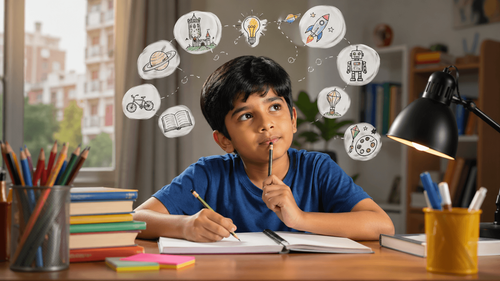

What if your child’s brilliant imagination is being lost simply because they can’t connect their ideas clearly? Many kids have amazing stories in their minds, but without strong creative writing skills, those ideas can feel confusing, scattered, or forgotten. Poor writing flow can impact academic success, confidence, and self-expression. That’s where PlanetSpark steps in. Through expert mentorship, interactive sessions, and personalized guidance, PlanetSpark helps children master connecting ideas, organize thoughts, and transform creativity into powerful writing. When kids learn to structure their ideas effectively, they don’t just become better writers, they become confident communicators ready to succeed. Here are 10 essential tips to help.
What Do You Mean by Connecting Ideas?
Connecting ideas means linking thoughts, sentences, and events in a clear, logical way so writing flows smoothly and is easy to understand. It helps readers follow a story or message without feeling confused or disconnected.
For kids in creative writing, connecting ideas means making sure each sentence and paragraph naturally leads to the next. This can be done by:
- Using transition words like “then,” “because,” “however,” or “finally”
- Arranging events in the right sequence
- Keeping all ideas related to the main topic
- Showing cause and effect between actions
Example:
Without connecting ideas:
“I found a key. It was raining. I opened the door.”
With connecting ideas:
“While it was raining, I found a mysterious key, so I used it to open the old door.”
The second example flows better because the thoughts are connected smoothly. Mastering connecting ideas helps children write clearer, more engaging, and creative stories.
Why Connecting Ideas Is Essential for Creative Writing
Connecting ideas is the foundation of strong creative writing because it helps transform random thoughts into clear, engaging, and meaningful stories. Kids often have vivid imaginations, but without properly linking their ideas, even the most creative story can feel confusing or incomplete.
When children learn the skill of connecting ideas, their writing becomes smoother, more organized, and easier for readers to follow. It creates a natural flow between sentences, paragraphs, and events, making stories more exciting and impactful.
Why It Matters:
- Improves Story Flow: It helps stories move smoothly from one event to the next.
- Boosts Clarity: Readers can easily understand the message or plot.
- Strengthens Structure: Stories gain a clear beginning, middle, and end.
- Enhances Creativity: Kids can express imaginative thoughts in a logical way.
- Builds Reader Engagement: Well-connected ideas keep readers interested.
For example, instead of writing disconnected events, children can create meaningful connections that explain why something happened and what comes next. This makes storytelling more powerful.
In short, connecting ideas is essential because it turns creativity into compelling communication, helping kids become confident writers and better storytellers.
10 Tips for Connecting Ideas
Strong creative writing begins with learning how to connect ideas clearly and smoothly. These 10 practical tips will help kids improve story flow, boost imagination, and become more confident writers.
1. Start with a Clear Plan Before Writing
Every great story begins with a roadmap. Before kids start writing, they should know what they want to say, who their characters are, and how the story will progress.
Encourage children to:
- Brainstorm main ideas
- Use mind maps
- Create beginning, middle, and end sections
- Outline key events
When kids organize thoughts beforehand, connecting ideas becomes much easier because they can see how each part links together.
For example, instead of randomly writing about a magical forest and then suddenly introducing pirates, kids can plan how the pirates discovered the forest. This makes the story logical and engaging.
How PlanetSpark Helps:
PlanetSpark’s creative writing programs teach children structured brainstorming techniques, helping them map out stories before writing. Their expert trainers guide kids step-by-step, making connecting ideas simpler and more effective.
Help your child master connecting ideas and unlock powerful creative writing skills with PlanetSpark.
Book your free demo today.
2. Use Transition Words to Build Flow
Transition words are powerful tools for connecting ideas. They act like bridges between sentences and paragraphs.
Examples include:
- First
- Next
- Then
- Because
- However
- Meanwhile
- Finally
Without transitions:
Sara found a dragon egg. She took it home. The dragon hatched.
With transitions:
Sara found a dragon egg, so she took it home. Soon after, the dragon hatched.
The second example feels smoother and easier to read.
How PlanetSpark Helps:
PlanetSpark teaches children practical grammar and sentence-building strategies, including transition words and sequencing techniques, so kids naturally improve at connecting ideas in every paragraph.
3. Focus on One Main Theme
Kids often have endless imagination, which is wonderful, but too many unrelated ideas can confuse readers. A strong piece of writing usually centers around one main theme or message.
For example:
- Friendship
- Adventure
- Courage
- Mystery
If a child writes about a superhero adventure, every event should support that core idea. Side plots should still connect back to the main theme. This teaches children discipline in storytelling while improving coherence.
How PlanetSpark Helps:
PlanetSpark mentors help children stay focused on central story themes while encouraging creativity. Their personalized feedback ensures young writers learn how to connect supporting details without losing direction.
4. Build Strong Paragraph Connections
One of the biggest challenges young writers face is writing paragraphs that feel disconnected from each other. A story may have exciting ideas, but if each paragraph stands alone without a smooth transition, readers can quickly lose interest. In creative writing, paragraphs should feel like links in a chain, each one naturally leading to the next while building curiosity and momentum. When kids learn to connect paragraphs effectively, their writing becomes more polished, organized, and enjoyable to read. Instead of abrupt jumps between scenes or ideas, they create a seamless flow that keeps readers engaged from beginning to end. A simple yet powerful technique is to end one paragraph with a sentence that hints at what’s coming next. This creates anticipation and makes readers want to continue.
Example:
Riya opened the treasure chest and gasped at what she saw. But the real surprise came when the map inside began to glow.
This ending not only completes the current moment but also introduces the next exciting development. The glowing map sparks curiosity and smoothly guides readers into the following paragraph.
Kids can also improve paragraph connections by:
- Using cliffhangers or suspenseful endings
- Introducing a new question at the end of a paragraph
- Referring back to a previous event before moving forward
- Using transition phrases like “Soon after,” “The next morning,” or “What happened next surprised her”
By practicing these techniques, children learn that each paragraph is part of a larger story journey.
Encourage kids to ask themselves:
“Does this paragraph connect naturally to what comes next?”
This simple habit can dramatically improve story structure and readability.
How PlanetSpark Helps:
PlanetSpark’s live creative writing workshops teach children how to structure paragraphs effectively, build smooth transitions, and maintain story flow. Through expert mentorship and engaging storytelling exercises, PlanetSpark helps kids master connecting ideas across entire stories—not just within individual sentences.
5. Show Cause and Effect Clearly
A powerful story is not just a series of random events, it is a chain of actions and consequences. One of the most effective ways to strengthen connecting ideas is by teaching kids the concept of cause and effect. Cause and effect explain why something happens and what happens because of it. This makes stories more logical, believable, and engaging. When children understand this technique, they move beyond listing events and begin crafting meaningful narratives.
For example:
Because Liam forgot his spaceship code, he couldn’t enter the control room.
This sentence is stronger because it clearly shows the relationship between the cause (forgetting the code) and the effect (being unable to enter). Readers immediately understand the problem and its consequence.
Without cause and effect, writing can feel confusing:
Liam stood outside the control room. He looked worried.
This tells readers what happened, but not why.
With cause and effect:
Because Liam forgot his spaceship code, he stood outside the control room, worried and helpless.
Now the story feels more complete and emotionally engaging.
Teaching cause and effect helps children:
- Build logical plot progression
- Create stronger character decisions
- Improve problem-solving in stories
- Make events feel connected and purposeful
- Increase reader understanding
A helpful writing exercise is encouraging kids to ask:
- What happened?
- Why did it happen?
- What happened next?
These questions train young writers to think critically about story progression and avoid random storytelling.
For example:
Cause: Maya pressed the mysterious red button.
Effect: The hidden door opened, revealing a secret laboratory.
This approach creates excitement while maintaining clarity.
How PlanetSpark Helps:
PlanetSpark’s expert trainers guide children in understanding plot structure, logical progression, and storytelling techniques like cause and effect. Through interactive exercises, kids learn how every action in their story should lead naturally to the next, resulting in stronger, clearer, and more compelling creative writing.
6. Encourage Descriptive Details That Support the Story
Details should enrich the story, not distract from it.
For example:
Instead of:
The castle was big.
Try:
The giant silver castle stood above the clouds, sparkling under the moonlight.
Good details help connect readers emotionally to the story world. However, every detail should support the main idea.
Kids should learn to ask:
“Does this detail help my story?”
How PlanetSpark Helps:
PlanetSpark’s creative writing curriculum emphasizes descriptive writing while teaching children how to use details strategically for stronger idea connection and narrative depth.
Give your child the power of clear storytelling by strengthening connecting ideas with PlanetSpark today.
Book your free demo today
7. Practice Sequencing Events in Order
Many young writers jump between ideas too quickly. Teaching chronological order helps maintain clarity.
Use story sequencing words:
- In the beginning
- After that
- Suddenly
- Later
- In the end
Sequencing creates a natural flow and improves connecting ideas.
For example:
First, Maya built her robot. Then, she programmed it. Finally, the robot saved her school.
This progression feels complete and satisfying.
How PlanetSpark Helps:
PlanetSpark uses engaging storytelling exercises and public speaking methods to help kids structure stories in logical order, making connecting ideas feel intuitive.
8. Read More to Write Better
Reading exposes children to excellent examples of connecting ideas.
Books teach kids:
- Story structure
- Sentence flow
- Dialogue transitions
- Character development
When children read regularly, they subconsciously absorb better writing habits.
Encourage them to notice:
- How chapters connect
- How characters evolve
- How events unfold logically
How PlanetSpark Helps:
PlanetSpark combines reading and writing development, exposing kids to effective storytelling models while helping them apply those techniques in their own writing.
9. Revise and Edit for Better Connections
First drafts are rarely perfect. Revision is where real improvement happens.
Teach kids to review:
- Does each sentence connect?
- Are transitions smooth?
- Is the story easy to follow?
- Are there confusing jumps?
Editing helps children strengthen weak connections and improve clarity.
For example, adding a simple phrase like “the next morning” can instantly improve flow.
How PlanetSpark Helps:
PlanetSpark provides expert feedback and editing guidance, helping children identify gaps in connecting ideas and transform rough drafts into polished creative pieces.
10. Practice Regularly with Expert Guidance
Like any skill, connecting ideas improves with consistent practice. Writing daily prompts, short stories, or journal entries can significantly strengthen a child’s abilities.
But practice alone is not enough—expert guidance accelerates growth.
Children benefit from:
- Personalized coaching
- Constructive feedback
- Creative prompts
- Confidence-building exercises
This combination develops both technical skill and creativity.
How PlanetSpark Helps:
PlanetSpark offers one-on-one mentorship, interactive classes, and confidence-focused programs that help kids consistently practice connecting ideas while becoming stronger writers and speakers.
Turn scattered thoughts into compelling stories by helping kids master connecting ideas with PlanetSpark.
Book your free demo today.
How PlanetSpark Helps Kids Master These 10 Creative Writing Tips
PlanetSpark goes beyond basic writing lessons by helping children actively apply all 10 tips for connecting ideas through expert guidance, interactive practice, and personalized feedback. Instead of simply teaching theory, PlanetSpark focuses on building real creative writing skills that improve story structure, flow, and confidence.
Here’s how PlanetSpark supports kids at every step:
- Story Planning and Brainstorming: Helps children organize ideas before writing so their stories have clear direction.
- Using Transition Words Effectively: Teaches sentence flow and smooth idea connection for better readability.
- Theme Development: Guides kids in staying focused on one strong central idea.
- Paragraph Structuring: Trains children to connect paragraphs naturally for seamless storytelling.
- Cause and Effect Understanding: Builds logical thinking so stories feel meaningful and connected.
- Descriptive Writing Skills: Encourages vivid details that strengthen storytelling without losing clarity.
- Sequencing Events Properly: Helps kids arrange ideas in logical order for stronger narratives.
- Reading and Writing Integration: Uses proven storytelling models to improve writing techniques.
- Editing and Revision Practice: Provides expert feedback to polish rough drafts and strengthen weak connections.
- Consistent Practice with Mentorship: Offers personalized sessions that build creativity, communication, and confidence over time.
Why Connecting Ideas Matters for Kids’ Overall Development
Learning the skill of connecting ideas does far more than help children become better writers, it shapes how they think, communicate, and express themselves in every area of life. When kids understand how to organize thoughts clearly and link them logically, they build essential life skills that support academic growth, personal confidence, and creative development.
Academic Success
Strong writing skills directly impact a child’s academic performance because nearly every subject requires clear expression of ideas. When children master connecting ideas, they can write better essays, structure stronger answers, and complete assignments with greater clarity and confidence.
Communication Skills
Connecting ideas helps children express their thoughts more clearly, whether they are speaking in class, participating in discussions, or writing stories. This skill improves both verbal and written communication, allowing kids to share opinions, explain concepts, and tell stories more effectively.
Critical Thinking
When children practice linking ideas logically, they develop stronger reasoning and problem-solving abilities. They learn how to structure thoughts, understand cause and effect, and organize information in a way that builds better analytical and decision-making skills.
Creativity
A child’s imagination becomes more powerful when they can transform scattered thoughts into meaningful, engaging stories. By mastering connecting ideas, kids learn how to shape creative concepts into structured narratives that are both imaginative and impactful.
Boost your child’s confidence by improving connecting ideas through PlanetSpark’s expert creative writing programs.
Book your free demo today.
Common Challenges Kids Face While Connecting Ideas
Many children have incredible imagination, but turning those ideas into clear, engaging writing can be difficult. Without proper guidance, young writers often struggle with organizing thoughts, maintaining flow, and building stories that make sense from beginning to end.
Jumping Between Thoughts
Kids often move from one exciting idea to another too quickly, introducing unrelated concepts without smooth transitions. This can make stories feel confusing or scattered, causing readers to lose track of the main plot or message.
Weak Sentence Flow
Young writers may create sentences that make sense individually but feel disconnected when placed together. Without smooth sentence flow, writing can sound abrupt, making it harder for readers to stay engaged.
Lack of Structure
Many children struggle to organize stories with a clear beginning, middle, and end. As a result, their writing may feel incomplete, rushed, or difficult to follow.
Limited Vocabulary
A limited range of transition words and connecting phrases can make writing sound repetitive or broken. Without words like “because,” “however,” or “meanwhile,” children may find it harder to link ideas naturally.
How PlanetSpark Helps Kids Overcome Creative Writing Challenges
- Personalized Creative Writing Programs: PlanetSpark offers customized learning experiences based on each child’s skill level, helping beginners and advanced learners improve at their own pace. This personalized approach ensures children receive focused support in areas like connecting ideas, story flow, and sentence structure.
- Live Interactive Classes: Through engaging live sessions, children learn directly from expert trainers who teach essential writing techniques such as brainstorming, paragraph structuring, transitions, and storytelling logic. These classes make learning interactive, fun, and highly practical.
- Expert Mentorship and Feedback: PlanetSpark provides one-on-one guidance that helps children identify weaknesses in their writing, such as disconnected thoughts or poor sequencing. Regular feedback allows kids to continuously improve and build stronger writing habits.
- Vocabulary and Communication Development: Beyond writing, PlanetSpark strengthens vocabulary, grammar, and communication skills, helping children express ideas more clearly in both written and spoken form.
- Structured Modules for Storytelling Success: Kids learn how to organize stories with clear beginnings, middles, and endings while mastering the art of connecting ideas smoothly.
- Confidence Building Through Practice: With regular assignments, creative prompts, and public speaking integration, PlanetSpark helps children become confident writers, storytellers, and communicators.
- Holistic Skill Development: By combining creative writing, public speaking, and communication training, PlanetSpark prepares children for academic success and lifelong self-expression.

Master Connecting Ideas Today
Creative writing is a lifelong skill, and mastering connecting ideas is essential for helping children become confident writers, clear communicators, and creative thinkers. When kids learn to organize thoughts, build smooth transitions, and structure meaningful stories, they develop skills that support academic success and self-expression. While these 10 tips provide a strong starting point, PlanetSpark helps children go even further through expert mentorship, interactive learning, and personalized creative writing programs. From brainstorming to storytelling mastery, PlanetSpark empowers young learners to improve creativity, confidence, and communication while transforming their ideas into powerful, engaging stories.
Learn More:-
Frequently Asked Questions
Connecting ideas means linking thoughts, events, and sentences smoothly so a story or essay flows clearly and makes sense to readers.
It helps kids improve story structure, sentence flow, clarity, and creativity, making their writing more engaging and organized.
Kids can improve by using transition words, planning story outlines, reading regularly, sequencing events logically, and revising drafts.
Using brainstorming, mind maps, paragraph practice, storytelling exercises, and expert feedback are highly effective ways to strengthen this skill.
PlanetSpark offers personalized creative writing classes, expert mentorship, storytelling exercises, and structured lessons that help children master connecting ideas.
Yes, PlanetSpark is designed for beginners and advanced learners, offering customized programs that build writing confidence step by step.
Parents choose PlanetSpark because it combines creative writing, public speaking, and communication skills with expert guidance to help children become confident communicators.